

- You must be logged in to add items to the cart.
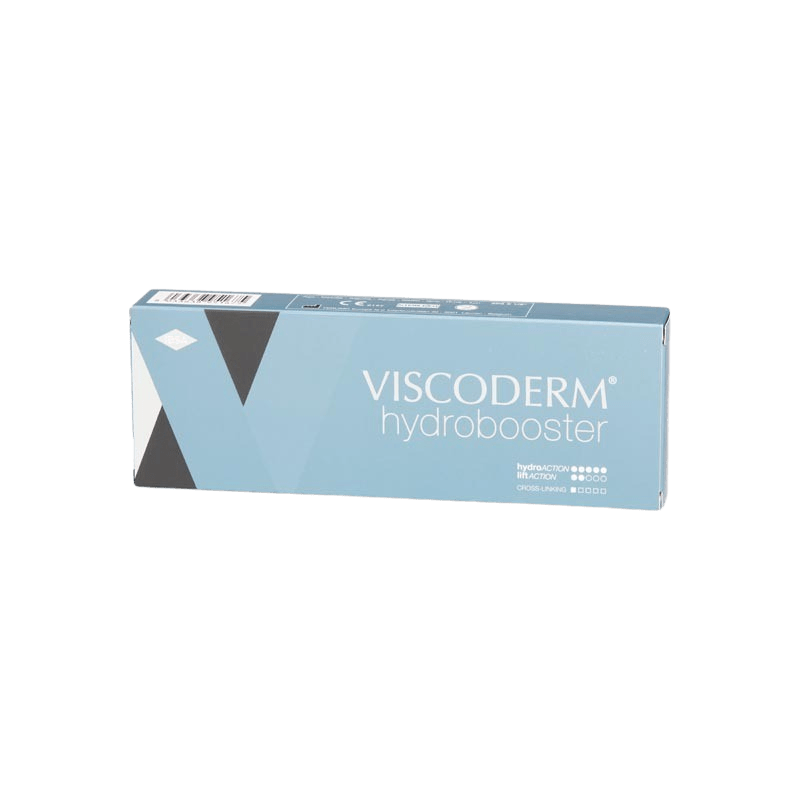
Viscoderm® Hydrobooster
Order Viscoderm® Hydrobooster for Clinics
Cosmetic Injectable
$99.00
You save (%)
Description
Viscoderm® Hydrobooster is a hyaluronic acid injectable used by trained aesthetic professionals in skin-quality protocols. Licensed clinics and healthcare professionals can order Viscoderm Hydrobooster for treatment-room use, inventory planning, and procedure documentation. Its sterile, pre-filled format supports controlled intradermal placement and single-patient handling within professional aesthetic workflows.
Clinics typically position this product for hydration-focused plans and superficial dynamic line concerns rather than structural volumizing. Med Wholesale Supplies supports US distribution for licensed clinics sourcing authentic, brand-name medical products through vetted distributors and verified supply channels.
Clinic Ordering, Price, and Account Use
Qualified clinic accounts can sign in to view current Viscoderm Hydrobooster price information and request volume or contract terms when available. Final cost can vary by allocation, order quantity, distributor programs, and current supply conditions. Account-level ordering also helps purchasing teams align product intake with professional-use documentation and internal inventory controls.
Because prescription status is not specified for this item, clinics should follow their facility’s purchasing rules, state scope requirements, and professional administration policies. Product use should remain limited to appropriately licensed or credentialed injectors trained in intradermal technique, aseptic preparation, and management of injection-site reactions.
Quick tip: Record lot number, expiration date, receiving date, and treatment-room transfer according to your clinic’s documentation process.
What It Is and How It Works
Viscoderm® Hydrobooster is part of the professional skin booster category: injectable products designed to improve visible skin quality through hyaluronic acid hydration. Hyaluronic acid is a naturally occurring polysaccharide that binds water in tissues. In this preparation, the gel is described as cross-linked and suitable for superficial to mid-dermal placement by trained injectors.
The product supports hydration, tissue glide, and surface smoothness in areas affected by expressive movement. It is not positioned as a replacement for volumizing dermal fillers, which are used when the treatment plan requires lift, contour, or structural support. Clinics may review adjacent categories such as professional skin boosters and dermal fillers when building protocols across hydration, texture, and volume needs.
IBSA Viscoderm Hydrobooster is commonly discussed in relation to fine, superficial dynamic lines and diffuse dehydration. For a clinic-focused clinical discussion, the article on fine lines and hydration with Viscoderm Hydrobooster may help teams frame patient selection, technique discussions, and consultation language.
Professional Applications in Aesthetic Workflows
Clinics use Viscoderm Hydrobooster injection within aesthetic treatment plans that focus on hydration, skin suppleness, and superficial smoothness. It can fit maintenance visits between volumizing filler appointments or seasonal refresh protocols where the goal is improved skin quality without changing facial structure. Scheduling should account for any recent resurfacing, energy-based procedures, thread treatments, or other injectables.
The product may be considered for dynamic facial areas where skin movement contributes to visible superficial lines. Under-eye use, perioral use, and other delicate zones require heightened anatomical knowledge, conservative technique selection, and careful patient assessment by the treating professional. The product should not be used as a casual substitute for region-specific training or emergency preparedness.
For clinics expanding a skin-quality menu, the broader article on skin booster injections in aesthetic practice provides category-level context. Treatment planning can also be supported by evaluating baseline elasticity, hydration, and texture; the discussion of skin elasticity assessment may help standardize consultation notes.
Key Features for Clinic Procurement
- Hyaluronic acid base designed for hydration-oriented aesthetic protocols.
- Cross-linked gel characteristics that support stability and controlled dermal placement.
- Sterile, pre-filled syringe format for single-patient professional use.
- Sealed blister packaging that supports aseptic handling before administration.
- Lot and expiration labeling to support intake checks and traceability.
- Useful protocol fit alongside skin boosters, dermal fillers, and resurfacing plans when appropriately scheduled.
- Professional-use positioning for licensed clinics, med spas, and healthcare practices.
These features matter operationally because injectable inventory needs more than shelf placement. Staff must maintain product segregation, document receipt, protect sterile packaging, and ensure the item reaches the treatment room under the clinic’s standard process. Clear labeling and single-patient packaging help support that chain of custody.
Composition, Ingredients, and Product Handling
The formulation centers on hyaluronic acid of non-animal origin in a sterile injectable gel. Hyaluronic acid helps retain water within the dermal matrix, which is why this class is used in hydration-forward aesthetic protocols. Manufacturer labeling and the package insert should be used for the complete ingredient list, handling notes, contraindications, and procedure-specific instructions.
The syringe is intended for single-patient use after standard professional checks. Staff should inspect outer packaging, blister integrity, lot number, expiration date, and product identity before transfer to the treatment room. Do not re-sterilize, share, or reuse a syringe after opening or after any patient-contact workflow.
Storage should follow the manufacturer’s stated conditions on the unit and carton. Receiving staff should route the product promptly into the appropriate storage area and document exceptions according to clinic policy. When required for a product, orders may use temperature-controlled handling when required and tracked US delivery.
Safety, Side Effects, and Professional Precautions
As with comparable injectable hyaluronic acid products, clinicians may observe local short-term responses at injection sites. Common reactions can include redness, swelling, bruising, tenderness, itching, or temporary firmness. These effects are generally mild and transient, but the treating professional should counsel patients according to the product instructions and the clinic’s post-procedure protocol.
More serious complications are uncommon but require preparation. Injection procedures can carry risks related to infection, hypersensitivity, vascular compromise, nodules, delayed inflammatory responses, or unsatisfactory cosmetic outcome. Clinics should maintain appropriate emergency protocols, anatomical training, and post-treatment escalation pathways for patients reporting unusual pain, blanching, vision symptoms, progressive swelling, fever, or signs of infection.
Patient selection remains a clinical responsibility. The injector should consider active skin infection, inflammation in the treatment area, known hypersensitivity concerns, recent procedures, anticoagulant use, immune status, pregnancy or lactation considerations, and the overall treatment objective. Product-specific contraindications and warnings should come from the manufacturer’s current labeling, not from informal technique discussions.
Why it matters: Professional screening and precise intradermal placement reduce avoidable risk and improve documentation quality.
Packaging, Supply, and Inventory Control
Each unit is supplied as a sterile, pre-filled syringe in a sealed blister. The package format supports aseptic preparation and single-patient use. Labels typically show product identifiers, lot number, and expiration date, which helps clinics track product from receiving through administration. Clinic SKU: 89605.
Inventory staff should store the product separately from opened supplies and non-sterile procedure materials. Treatment-room teams should match the product to the appointment plan before preparation, then dispose of used syringes, needles, and contaminated materials according to sharps and biohazard requirements. Returned-to-stock handling should follow clinic policy and manufacturer storage requirements.
For brand-level replenishment, clinics can browse the Viscoderm product family. Related Viscoderm items, such as Viscoderm Skinko E and Viscoderm Skinko Kit, may support different skin-quality strategies depending on the clinic’s protocol and training.
How It Compares with Profhilo and Other Skin Boosters
Viscoderm Hydrobooster and Profhilo are both associated with hyaluronic acid skin-quality treatment strategies, but they should not be treated as interchangeable without clinical evaluation. Viscoderm Hydrobooster is commonly positioned for hydration and superficial dynamic line smoothing. Profhilo products are generally discussed in relation to bio-remodeling or tissue support, depending on the specific product and treatment plan.
The stronger choice depends on the anatomical area, desired effect, injection technique, product behavior, patient history, and the clinician’s experience. No skin booster is universally “best” for every patient or clinic menu. Procurement teams should align purchasing with staff training, consultation demand, expected procedure volume, and the aesthetic outcomes the practice is prepared to deliver safely.
Clinics evaluating related HA-based approaches may consider Profhilo Structura, Stylage Hydro Max Bi-Soft, or BCN Revita-HA. For broader protocol planning, the article on collagen and hyaluronic acid in wrinkle-reduction planning can help frame category differences without replacing product labeling or clinical judgment.
Treatment Planning and Duration Questions
Search interest often focuses on how long Viscoderm Hydrobooster lasts, but duration varies by patient, injection plan, area treated, metabolism, skin condition, and maintenance schedule. Clinics should avoid promising a fixed timeline unless it is supported by the product instructions and the treating professional’s documented experience. Follow-up timing should reflect clinical assessment and the practice’s protocol.
Before-and-after discussions should be handled carefully. Hydration and superficial smoothness changes are different from volumetric correction, so photography, consent, and outcome language should distinguish skin quality from lifting or contouring. Baseline lighting, facial expression, camera position, and timing after swelling resolves all affect visual evaluation.
Clinics should also set boundaries around under-eye and other delicate-area requests. The periorbital region has complex anatomy and higher consequence if technique or product selection is inappropriate. A licensed injector should decide whether the area fits the product, the patient, and the clinic’s complication-management readiness.
Comparable Products and Category Planning
Aesthetic practices often build a balanced inventory across hydration boosters, volumizing fillers, biostimulatory products, and adjunct skincare. Viscoderm Hydrobooster can support a skin-quality menu, while other products may be better suited to body areas, structural support, or different hydration strategies. Stocking decisions should account for appointment demand, injector skill set, storage capacity, and product turnover.
For a body-focused HA option, clinics may review Profhilo Body Kit. Teams that use category-based ordering can also browse the professional skin boosters category or the dermal fillers category for adjacent products. Keep product selection tied to training and the treatment objective rather than brand familiarity alone.
When considering substitutions, confirm whether the alternative matches the intended plane, area, rheology, sterility format, and clinical outcome. Switching to another booster or filler should involve injector review, not only procurement convenience. Documentation should note why a substitute was chosen and how the treatment plan was adjusted.
Authoritative Sources
- FDA safety information on dermal fillers and soft tissue fillers
- NIH PubChem hyaluronic acid compound profile
Ready to source Viscoderm® Hydrobooster for your clinic? Sign in to view account pricing, confirm current supply details, and coordinate order routing through reliable US logistics.
This content is for informational purposes only and is not a substitute for professional medical advice.
Frequently Asked Questions
Who can order Viscoderm® Hydrobooster?
Viscoderm® Hydrobooster is intended for professional aesthetic use. Ordering should be handled by licensed clinics, med spas, and healthcare professionals that have appropriate injector training, documentation procedures, and treatment-room controls.
What is Viscoderm Hydrobooster used for in clinics?
Clinics use it in hydration-focused skin-quality protocols and plans targeting superficial dynamic lines. It is generally positioned as a skin booster rather than a volumizing filler, so product choice should match the treatment area and clinical objective.
What side effects should clinics discuss?
Common local reactions may include redness, swelling, bruising, tenderness, itching, or temporary firmness at injection sites. Clinics should also prepare for less common but serious injectable complications and follow the manufacturer’s instructions and internal escalation protocols.
Is Viscoderm better than Profhilo?
Neither product is universally better. Viscoderm Hydrobooster is commonly used for hydration and superficial dynamic line concerns, while Profhilo products may fit different tissue-support or remodeling goals. The right choice depends on anatomy, protocol, training, and patient assessment.
How long does Viscoderm Hydrobooster last?
Duration varies by patient factors, area treated, technique, and maintenance plan. Clinics should rely on product labeling, clinical assessment, and documented injector experience rather than promising a fixed result timeline.
How should clinics handle Viscoderm Hydrobooster on receipt?
Receiving staff should inspect packaging, verify product identity, lot number, and expiration date, then store the unit according to the manufacturer’s label. The sterile syringe is for single-patient use and should not be re-sterilized or reused.
Specifications
- Main Ingredient: Hyaluronic Acid
- Manufacturer: IBSA Institut Biochimique SA
- Drug Class: Cosmetic Injectable
- Generic Name: Non-Animal, Cross-Linked Hyaluronic Acid
- Package Contents: 1 mL x 1 pre-filled syringe
- Storage Requirements: Room Temperature (2℃~25℃)
- Main Usage: Hydration
About the Brand
Viscoderm®
Prominent in the medical industry, Viscoderm® offers an array of effective dermal fillers and mesotherapy products. Recognized for superior quality and efficacy, it serves as a preferred choice for numerous health practitioners. The use of Viscoderm® guarantees enduring outcomes and enhances the overall skin appearance of patients. Here at medwholesalesupplies.com, our commitment lies in facilitating health professionals with the finest medical supplies. This encompasses the provision of Viscoderm® on our platform. By sourcing Viscoderm® via medwholesalesupplies.com, health practitioners can swiftly access this reputed brand and receive delivery straight to their establishment. With a full understanding of the necessity for top-performing medical supplies, our goal is to simplify the procurement process. Through making Viscoderm® available on medwholesalesupplies.com, we aim to best support health practitioners in their profession by equipping them with the necessary tools for delivering unparalleled patient care. Viscoderm® is a trustworthy brand deemed to generate excellent outcomes, and we take pride in making it available to our consumers. Our user-friendly online ordering process and timely deliveries enable health practitioners to effortlessly integrate Viscoderm® within their professional services and ensure the utmost standard of care for patients.
Browse Viscoderm® Products
Here to help
Questions about ordering, delivery or products? You can email our team here or call now at 1-800-630-9757 and be connected with your dedicated Account Manager
Related Products
JALUPRO® PLUS 4ML
Skin Rejuvenation Treatment
$86.00 - $89.00
You save (%)
You save (%)
$339.00
You save (%)
You save (%)
Select options
This product has multiple variants. The options may be chosen on the product page
Juvéderm® SKINVIVE
Dermal Filler
$339.00 - $359.00
You save (%)
You save (%)
$86.00 - $119.00
You save (%)
You save (%)
Related Articles
Prednisone in Clinical Care: Uses, Risks, and Monitoring
Prednisone is a prescription systemic corticosteroid used to reduce inflammation or suppress immune activity in…
Lip Fillers Swelling Stages: Timeline, Safety, and Follow-Up
Lip fillers swelling stages usually follow a short inflammatory course: swelling appears soon after injection,…
Hypopigmentation of the Skin: Assessment and Care
Hypopigmentation of the skin means one or more areas look lighter than the surrounding skin.…
Radiesse vs Sculptra: Selection Factors for Clinics
Radiesse vs Sculptra is best understood as a comparison between two collagen-stimulating injectables with different…
Hyaluronic Acid Under-Eye Filler: Safety and Workflow
Hyaluronic acid under-eye filler is an injectable soft-tissue filler used by trained aesthetic clinicians to…
Dermal Filler Types: Materials, Uses, and Clinic Fit
Dermal filler types are usually grouped by their base material, tissue behavior, and expected role…
What Is Dysport? Clinical Uses, Safety, and Workflow
For clinic teams asking what is Dysport, the short answer is simple: Dysport is a…
Biostimulators in Aesthetic Care: Selection and Safety
Biostimulators are injectable aesthetic products used to encourage a controlled tissue response, often involving new…