

- You must be logged in to add items to the cart.
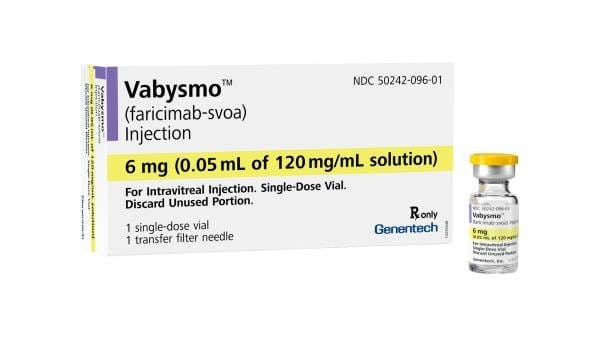
Vabysmo® Injection
Order Vabysmo® Injection for Clinics
Prescription Medication
$2,499.00
You save (%)
Description
Vabysmo® Injection is a faricimab-svoa ophthalmic medicine for intravitreal administration by trained eye-care professionals. Licensed clinics, retina practices, and hospital outpatient departments can order Vabysmo 6 mg/0.05 mL injection for professional treatment-room use, documented inventory control, and organized injection programs. The product fits workflows that require sterile handling, lot traceability, and coordination between clinical scheduling and supply planning.
Med Wholesale Supplies serves licensed clinics and healthcare professionals with brand-name medical products sourced through vetted distributors and verified supply channels. For retina services, this means procurement teams can align ordering with procedure calendars, internal documentation, and reliable US logistics without turning clinical product selection into a retail patient pathway.
Vabysmo Injection Price and Clinic Ordering
Clinic accounts can sign in to view the current Vabysmo injection price associated with their purchasing profile. Pricing may depend on account configuration, quantity, distributor availability, and any contract terms already established for the facility. Because this is a professional-use ophthalmic injectable, purchasing teams should match the ordered strength and presentation to the clinic’s approved protocol and physician-directed schedule.
The labeled strength referenced for this item is Vabysmo 6 mg/0.05 mL injection. When planning purchase quantities, retina coordinators typically consider appointment blocks, expected injection volume, same-week rescheduling patterns, and the need to avoid excess inventory near expiry. Formal quote support and item setup details can help purchasing committees, centralized supply teams, and multi-site practices maintain consistent records.
Quick tip: Align replenishment with confirmed injection sessions rather than holding unnecessary excess stock.
What Vabysmo Is and How It Works
Vabysmo contains faricimab-svoa, a bispecific monoclonal antibody designed for intravitreal use. It targets vascular endothelial growth factor A, or VEGF-A, and angiopoietin-2, or Ang-2. These pathways are involved in abnormal retinal blood vessel leakage and vascular instability. By addressing both pathways in one molecule, the medicine is used within physician-directed retinal disease treatment plans.
As a Vabysmo intravitreal injection, the medicine is administered into the vitreous cavity of the eye using aseptic technique. Professional workflows commonly include patient identification, laterality confirmation, sterile preparation, topical antisepsis, procedure documentation, and post-injection observation according to clinic protocol. The injection should be handled only by trained ophthalmic professionals using appropriate instruments and clinical safeguards.
Retina practices that manage anti-VEGF treatment schedules may also review adjacent category needs in Ophthalmology and broader clinic formulary items in Pharmaceuticals. These categories can support purchasing teams that coordinate ophthalmic injectables, procedure-room supplies, and other professional-use medicines under one procurement workflow.
Professional Applications in Retina Services
Vabysmo is used by ophthalmology specialists in retinal vascular disease management. Labeled treatment contexts include neovascular, or wet, age-related macular degeneration and diabetic macular edema, with additional retinal vascular indications described in official product materials. Individual scheduling, treatment interval, continuation, or switching decisions belong to the treating ophthalmologist after clinical examination and safety assessment.
Clinics may integrate Vabysmo faricimab-svoa injection into established injection-room processes. Common operational steps include consent documentation, ocular history review, imaging or examination coordination, sterile draping when used by the practice, lot number capture, expiry documentation, and laterality tracking in the medical record. These steps support traceability and help teams respond appropriately if a manufacturer communication or recall notice affects a specific lot.
High-volume retina services often standardize forms, staff roles, and room turnover procedures to reduce variation. Automated appointment reminders, pre-visit screening, and dedicated medication receiving protocols can also help preserve schedule flow. For background on related retina injection program considerations, the article on Eylea HD in macular degeneration and diabetic retinopathy may help clinical operations teams think through follow-up cadence and product comparisons.
Key Product Features for Clinical Workflows
- Contains faricimab-svoa, a bispecific monoclonal antibody for ophthalmic intravitreal administration.
- Targets VEGF-A and Ang-2 pathways involved in retinal vascular leakage and instability.
- Labeled strength referenced for clinic planning: 6 mg/0.05 mL.
- Designed for single-use intravitreal administration under aseptic professional conditions.
- Supports lot, expiry, and laterality documentation within EHR or inventory systems.
- Fits retina injection workflows that require controlled preparation and post-procedure monitoring.
- Professional-use scope helps clinics maintain credentialing, protocol, and training boundaries.
- Available through verified supply channels for licensed healthcare facilities.
Packaging, Presentation, and Inventory Control
This item is supplied as a professional-use ophthalmic injectable suitable for intravitreal administration. Clinic purchasers may encounter vial or prefilled syringe presentations depending on distributor configuration, region, and current supply. Before scheduling procedure volume around a new order, purchasing staff should confirm the presentation visible to the account and ensure it matches internal handling procedures.
Inventory teams should record lot number, expiry date, receipt date, and storage location when product arrives. Facilities with multiple locations may benefit from centralized receiving, controlled transfer documentation, and site-level stock visibility. These practices reduce the risk of misplaced inventory and help staff identify product quickly during injection sessions.
The product should not be used if the solution appears compromised or if packaging integrity is broken. Storage and preparation must follow the current manufacturer instructions and carton labeling. When transport controls apply, temperature-controlled handling when required and tracked US delivery can support receiving teams that need predictable routing and documented arrival events.
Safety, Warnings, and Monitoring Considerations
Intravitreal anti-VEGF and related ophthalmic injections require careful clinical technique because ocular adverse events can be serious. Product safety information for Vabysmo describes risks associated with injections into the eye, including endophthalmitis, retinal detachment, increased intraocular pressure, and intraocular inflammation. Retina teams should use aseptic technique and monitor patients according to the current prescribing information and local protocol.
Commonly discussed post-injection issues may include temporary eye discomfort, floaters, conjunctival hemorrhage, or changes in vision, although individual risk varies. Clinics should maintain clear escalation instructions for patients who report eye pain, worsening redness, light sensitivity, reduced vision, or symptoms suggestive of infection after an injection. Staff should also document ocular history and recent events that may affect timing or safety.
Systemic arterial thromboembolic events are a class concern with intravitreal VEGF inhibition, although the absolute risk and patient-specific relevance require clinical judgment. Treating physicians should consider medical history, ocular examination, and current labeling when determining whether to administer, delay, or change therapy. This content does not replace the manufacturer’s prescribing information, professional training, or ophthalmologist-directed protocols.
How Vabysmo Compares With Eylea Options
Clinics often evaluate Vabysmo alongside aflibercept-based products because both are used in retina injection programs. Vabysmo contains faricimab-svoa and targets both VEGF-A and Ang-2. Eylea products contain aflibercept and are built around VEGF pathway inhibition. The practical differences for a retina service may involve labeled indications, dosing schedule, payer or formulary rules, storage handling, physician experience, and patient-specific response.
Therapeutic selection should remain a clinical decision. A procurement team can support that decision by ensuring accurate item setup, maintaining traceable inventory, and avoiding unauthorized substitution in the medication-use process. If a physician requests an aflibercept-based alternative, purchasing staff may review Eylea English Alternative for related ordering context.
Switching between retinal injectables should be coordinated with the treating ophthalmologist and reflected in consent materials, appointment templates, and medical record documentation. Comparable product evaluation should not rely only on acquisition cost. It should also account for administration workflow, treatment interval expectations, safety history, and how the clinic tracks outcomes across visits.
Benefits for Practice Operations
Vabysmo can support organized clinic operations when product ordering, patient scheduling, and documentation are aligned. Retina services may create par levels based on actual procedure volume, use saved item lists for recurring purchase needs, and designate staff responsible for receiving and storage checks. These steps help reduce last-minute ordering pressure before injection blocks.
Procedure-room efficiency depends on clear roles. Technicians may prepare room materials and verify documentation, nursing staff may support pre- and post-injection steps according to clinic policy, and the ophthalmologist performs the intravitreal administration. Product traceability, laterality capture, and adverse-event reporting pathways should remain visible to all staff involved in the medication-use process.
For practices with purchasing committees, item documentation can be paired with clinical protocol documents and manufacturer instructions. Centralized teams may also standardize product naming, SKU references, and internal identifiers so that ordering records match EHR medication lists. This reduces reconciliation problems between purchasing, clinical documentation, and billing-support records.
Order Review, Receiving, and Logistics
Account verification is required before professional purchasing. Licensed ophthalmology practices, retina clinics, and hospital outpatient departments can submit business and clinical credentials for account approval. After approval, authorized users can view account-specific purchasing information, manage saved products, and coordinate internal roles for ordering and receiving.
Orders are supplied through vetted distributor channels. Your receiving team should provide accurate delivery contacts, hours of operation, and internal routing instructions for products that require controlled handling. If your organization uses centralized receiving, define who confirms arrival, who records inventory data, and who releases stock to the retina service.
Facilities should confirm storage requirements against current labeling when product is received. Staff should also inspect packaging, compare item details against the purchase record, and document any discrepancy before product is placed into active inventory. This practical receiving discipline is especially important for sterile ophthalmic injectables used in scheduled procedure rooms.
Authoritative Sources
For complete clinical, dosing, preparation, contraindication, and safety information, use official materials rather than secondary summaries. The following sources support professional review of faricimab-svoa and its labeled use:
- Official prescribing information
- Manufacturer medical professional information
- American Academy of Ophthalmology macular degeneration information
This content is for informational purposes only and is not a substitute for professional medical advice.
Frequently Asked Questions
Who can order Vabysmo® Injection from Med Wholesale Supplies?
Vabysmo® Injection is intended for licensed clinics, ophthalmology practices, retina services, and healthcare facilities with approved professional accounts. Account verification is required before clinic purchasing information is available.
What strength is used for Vabysmo® intravitreal injection?
The labeled strength referenced for this item is Vabysmo® 6 mg/0.05 mL injection. Clinics should match the ordered presentation to physician-directed protocols and the product information visible during account ordering.
How should clinics plan inventory for Vabysmo® Injection?
Plan quantities around confirmed procedure calendars, expected injection volume, expiry dating, and site-level storage capacity. Record lot number, expiry, receipt date, and laterality documentation in the appropriate inventory or clinical system.
What safety issues should retina teams monitor after Vabysmo® injections?
Intravitreal injections can be associated with serious ocular risks such as endophthalmitis, retinal detachment, increased intraocular pressure, and intraocular inflammation. Clinics should follow current prescribing information, aseptic technique, and ophthalmologist-directed monitoring procedures.
What is the difference between Vabysmo® and Eylea®?
Vabysmo® contains faricimab-svoa and targets VEGF-A and Ang-2. Eylea® products contain aflibercept and focus on VEGF pathway inhibition. Product choice, switching, and scheduling should be determined by the treating ophthalmologist.
Specifications
- Main Ingredient:
- Manufacturer: Roche Products Limited.
- Drug Class:
- Generic Name: faricimab-svoa
- Package Contents: One vial of 120 mg/mL
- Storage Requirements: Store in the refrigerator between 2°C to 8°C
- Main Usage:
Here to help
Questions about ordering, delivery or products? You can email our team here or call now at 1-800-630-9757 and be connected with your dedicated Account Manager
Related Products
JALUPRO® PLUS 4ML
Skin Rejuvenation Treatment
$86.00 - $89.00
You save (%)
You save (%)
$339.00
You save (%)
You save (%)
Select options
This product has multiple variants. The options may be chosen on the product page
Juvéderm® SKINVIVE
Dermal Filler
$339.00 - $359.00
You save (%)
You save (%)
$86.00 - $119.00
You save (%)
You save (%)
Related Articles
Hyaluronic Acid Under-Eye Filler: Safety and Workflow
Hyaluronic acid under-eye filler is an injectable soft-tissue filler used by trained aesthetic clinicians to…
Dermal Filler Types: Materials, Uses, and Clinic Fit
Dermal filler types are usually grouped by their base material, tissue behavior, and expected role…
What Is Dysport? Clinical Uses, Safety, and Workflow
For clinic teams asking what is Dysport, the short answer is simple: Dysport is a…
Biostimulators in Aesthetic Care: Selection and Safety
Biostimulators are injectable aesthetic products used to encourage a controlled tissue response, often involving new…
Do You Ovulate on an IUD? Clinic Counseling Points
Clinicians hear the shorthand question do you ovulate on iud, but the practical answer depends…
Vascular Occlusion: Early Signs, Risks, and Clinic Response
A vascular occlusion is a partial or complete blockage of blood flow in a vessel.…
Wrinkles Around the Mouth: Causes and Treatment Options
Wrinkles around the mouth can be softened, not always permanently erased, by matching the line…
Are Knee Gel Injections Painful? Counseling and Safety
Most patients do not describe knee gel injections as severely painful. Clinic teams should set…