
- You must be logged in to add items to the cart.
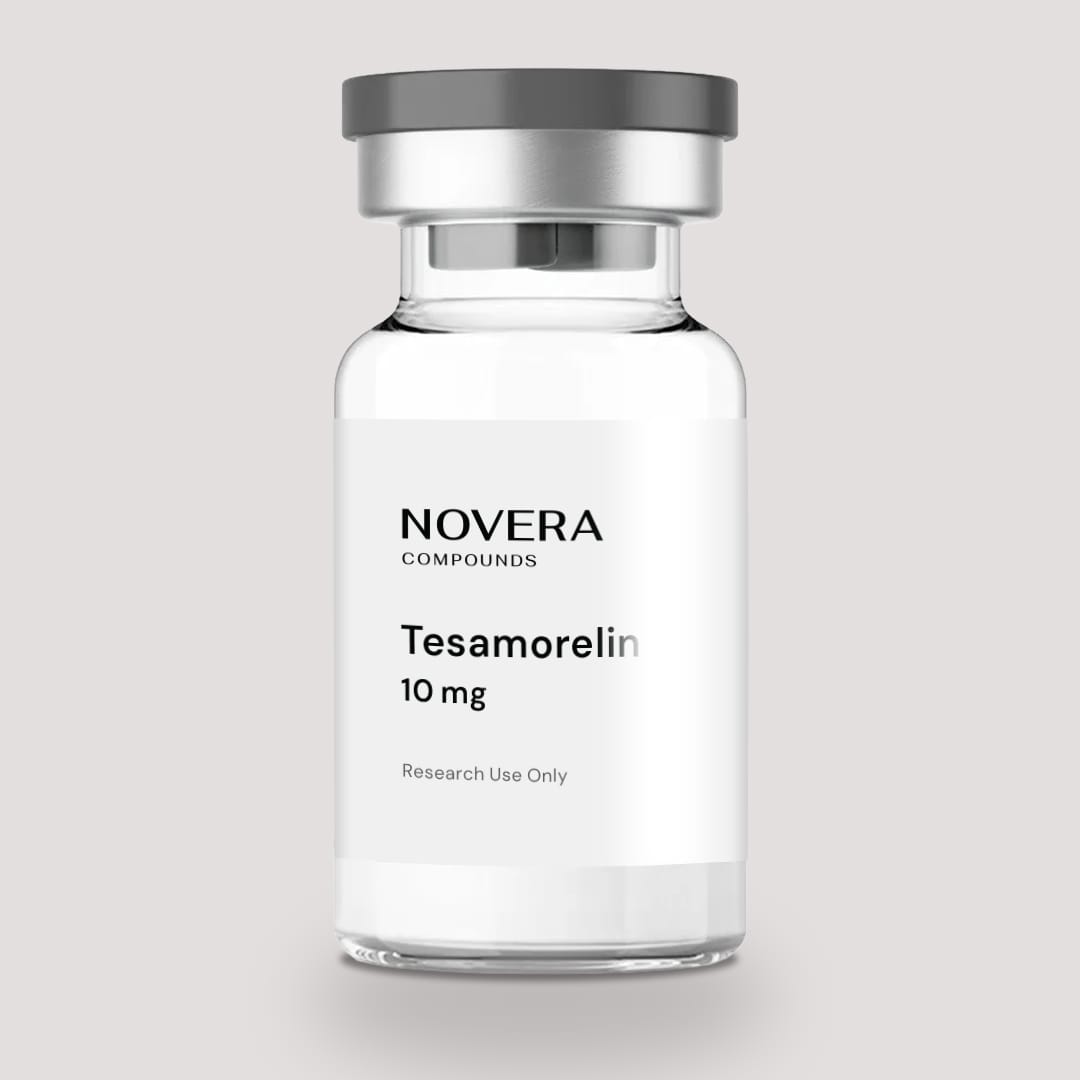
Tesamorelin
Order Tesamorelin for Clinics
$90.00
You save (%)
Description
Tesamorelin is an injectable growth hormone-releasing hormone analogue used in professional protocols for reducing excess abdominal fat in adults with HIV-associated lipodystrophy. Licensed clinics and healthcare professionals can order Tesamorelin for structured treatment-room workflows that include product preparation, counselling, monitoring, and inventory controls. Match the active ingredient, strength, quantity, and package information shown during ordering to the clinic protocol and the patient-specific medical plan.
MedWholesaleSupplies serves licensed clinical buyers with products sourced through vetted distributors and verified supply channels. For this medication, the most important practical details are correct product identification, subcutaneous-use preparation, storage controls, lot tracking, and safety screening before treatment begins.
Tesamorelin Cost, Strength Selection, and Clinic Ordering
Tesamorelin cost can vary by product presentation, supplier documentation, ordered quantity, and market availability. Clinics should view the current price during ordering and compare the displayed active ingredient, strength, vial or kit description, and quantity with the intended protocol. Online terms such as tesamorelin 10mg, tesamorelin 5mg, or tesamorelin 2mg may describe different markets, package configurations, or peptide entries, so the ordering line should be matched to the actual product record rather than search wording.
For professional use, ordering should start with the clinic’s clinical pathway. Define who evaluates patient fit, who prepares the injection, who documents training, and who monitors response or adverse events. Keep purchase quantities aligned with expected use, storage capacity, staff competency, and expiry-date management rather than broad wellness demand.
- Product match: verify active ingredient, form, strength, quantity, and package descriptors.
- Use pathway: connect ordering to a defined clinic protocol and follow-up process.
- Receiving controls: document lot number, expiry date, condition on arrival, and storage location.
- Staff readiness: assign preparation, administration training, counselling, and escalation roles.
- Substitution controls: do not interchange related peptide entries without clinician approval.
Quick tip: Keep the product label, reconstitution instructions, and receiving record together in the medication file.
What Tesamorelin Treats
Tesamorelin injection is used to reduce excess abdominal fat in adults with HIV-associated lipodystrophy. In practical terms, the labelled target is visceral abdominal fat associated with HIV lipodystrophy, not general obesity, routine weight-loss treatment, or cosmetic fat reduction for the broader population. Clinics should keep intake materials precise so patients and staff do not confuse labelled use with broad peptide-wellness claims.
Tesamorelin is a synthetic growth hormone-releasing hormone analogue. It stimulates the pituitary gland to release growth hormone through a regulated endocrine pathway. That mechanism is different from GLP-1 receptor agonists such as semaglutide or liraglutide, which are incretin-based medicines used for specific metabolic indications. Tesamorelin also does not replace antiretroviral therapy, nutrition management, exercise counselling, or treatment of diabetes and other metabolic disease.
Practices offering body-composition or aesthetic services can separate this medication from procedure categories such as Body Contouring, Body Sculpting, and Fat Removal. Those categories may support adjacent service planning, but systemic injectable therapy should remain tied to label status, patient selection, and clinic governance.
Forms, Packaging, and Product Identification
Tesamorelin is associated with subcutaneous injection use and may require reconstitution according to the current product information. Ordering systems may describe the medication by brand, active ingredient, vial, kit, diluent, or component language. Clinic buyers should use the exact ordering record and accompanying documentation to confirm what is being stocked.
Common searches for tesamorelin tablets or tesamorelin pills can create confusion. Tablets and pills are not standard FDA-approved dosage forms for this therapy. Requests for oral forms should be routed for clinical and procurement review before any product decision. Brand references such as Egrifta injection should also be matched to the specific package configuration and current label information rather than treated as interchangeable wording.
| Item to verify | Why it matters in clinic use |
|---|---|
| Active ingredient | Confirms the product is Tesamorelin rather than a related peptide or blend. |
| Strength and quantity | Supports protocol fit, inventory planning, and accurate medication records. |
| Injectable presentation | Guides preparation steps, aseptic technique, and staff training needs. |
| Package components | Helps identify diluent, vial count, devices, instructions, and expiry dates. |
| Oral requests | Flags tablet or pill terminology for review before procurement decisions. |
Preparation, Administration, and Staff Workflow
This medication is administered by subcutaneous injection under a structured clinical plan. Staff should not improvise reconstitution technique, injection schedule, missed-use instructions, or administration frequency. Current product information and the patient-specific treatment plan should guide each step.
Clinic workflows should define who receives stock, who stores it, who prepares the injection, who educates the patient or caregiver, and how competency is documented. Sharps handling, aseptic technique, medication reconciliation, and adverse-event reporting are routine controls, but they matter because peptide injections can be sensitive to contamination and incorrect preparation.
Patient-facing counselling should be consistent across the practice. Explain the labelled use, realistic treatment goals, injection-site care, symptom-reporting expectations, and follow-up schedule in language approved by the clinical team. If treatment continues outside the clinic, record what training was provided and how questions or reactions will be escalated.
Storage, Handling, and Inventory Controls
Storage requirements should be taken from the exact product label and package insert. Injectable peptide medicines may require protection from temperature excursions, contamination, and improper handling after reconstitution. Receiving records should capture condition on arrival, lot number, expiration date, storage location, and any quarantine action if packaging appears damaged or inconsistent with the order.
For US distribution workflows, clinics should plan for temperature-controlled handling when required and tracked US delivery. That logistics note does not replace the label; it helps procurement teams prepare appropriate receiving, refrigeration, access control, and inventory-rotation procedures.
Use first-expiring stock first when clinic policy allows. Avoid transferring product between sites unless chain-of-custody records, storage controls, and professional-use requirements support the process. If a vial, carton, diluent component, or label appears unusual, quarantine the product according to the clinic medication-safety procedure before use.
Contraindications, Warnings, and Monitoring
Labelled contraindications include pregnancy, active malignancy, disruption of the hypothalamic-pituitary axis, and known hypersensitivity to Tesamorelin or excipients such as mannitol. The hypothalamic-pituitary axis is the body’s hormone-control pathway between the brain and endocrine system. Disruption may be relevant after pituitary tumor, pituitary surgery, hypopituitarism, or head irradiation.
Monitoring commonly focuses on insulin-like growth factor 1, also called IGF-1, glucose effects, fluid retention, and malignancy history. Clinics should define baseline review steps, follow-up timing, lab responsibilities, and escalation criteria before therapy begins. Patients with diabetes, impaired glucose tolerance, complex HIV treatment plans, or cancer history may require closer clinician review.
- Pregnancy: contraindicated because of potential fetal harm.
- Malignancy: avoid active cancer and assess past malignancy carefully.
- Glucose status: monitor patients with diabetes risk or impaired glucose tolerance.
- IGF-1: follow label-based monitoring expectations and response thresholds.
- Hypersensitivity: assess prior reactions to the active ingredient or excipients.
Why it matters: Safety screening helps distinguish labelled therapy from non-specific peptide use claims.
Side Effects and Adverse-Event Planning
Common adverse reactions may include injection-site redness, itching, swelling, pain, or irritation. Some patients may report joint pain, muscle aches, limb discomfort, fluid retention, numbness, tingling, or symptoms consistent with carpal tunnel syndrome. These events should be documented with timing, severity, concomitant medicines, and any action taken.
More serious concerns can include hypersensitivity reactions, clinically meaningful glucose changes, and issues related to elevated IGF-1. Clinics should tell patients what symptoms to report promptly and when to seek urgent care. Staff should maintain a clear escalation path for persistent edema, neuropathy-like symptoms, worsening glucose measures, rash, breathing symptoms, or suspected allergic reaction.
Medication reconciliation is important in HIV-associated lipodystrophy care. Antiretroviral therapy, diabetes medicines, corticosteroids, anticonvulsants, cyclosporine, sex steroids, and other treatments may influence monitoring priorities. Growth hormone pathway effects can also affect medicines processed through cytochrome P450 enzymes, a liver enzyme system involved in drug metabolism.
How Tesamorelin Compares With Related Peptides
Comparison should begin with indication, active ingredient, regulatory status, and monitoring requirements. Tesamorelin is not the same as ipamorelin, CJC-1295, MOTS-c, GLP-1 medicines, or fat-dissolving procedure products. Similar online wording around belly fat, body composition, or peptide therapy does not make products interchangeable.
Combination entries require special caution. The 2x Blend Tesamorelin Ipamorelin product is a blend entry rather than a direct substitute for a single-ingredient Tesamorelin medication. Ipamorelin is a different peptide with separate review needs, and CJC-1295 with DAC has different peptide characteristics and clinic-policy considerations.
| Option type | How it differs | Clinic consideration |
|---|---|---|
| Tesamorelin | GHRH analogue used for labelled HIV-associated lipodystrophy when appropriate. | Requires product-specific preparation, safety screening, and monitoring. |
| Tesamorelin-ipamorelin blend | Combination peptide entry with more than one active component. | Do not treat as an automatic substitute for single-ingredient therapy. |
| Ipamorelin | Different peptide with separate evidence, use context, and safety review. | Confirm clinic policy and clinician rationale before use. |
| CJC-1295 products | Related peptide category but not the same active ingredient. | Avoid substitution based only on body-composition goals. |
| GLP-1 medicines | Act through incretin pathways rather than GHRH stimulation. | Select by clinical indication, not by broad weight-loss language. |
Clinic Use With Body-Composition Services
Clinics that offer aesthetic or wellness programs should keep Tesamorelin protocols distinct from non-invasive fat reduction, injectable aesthetic procedures, and general peptide counselling. Educational materials such as Body Contouring Resources can support staff orientation, but product-specific use should come from official labeling, clinic policy, and clinician-directed care.
Procedure-focused content such as fat-dissolving injection education and non-invasive fat-removal techniques may help teams separate local aesthetic procedures from systemic endocrine-pathway therapy. That distinction reduces inappropriate substitution and improves counselling accuracy.
For broader metabolic service planning, clinics may also review weight-loss injection considerations. Tesamorelin should not be positioned as Ozempic, a GLP-1 substitute, or a general weight-loss injection. It belongs in a defined care pathway for the labelled population and should be evaluated with the patient’s HIV care, metabolic risks, and monitoring needs in mind.
Authoritative Sources for Clinical Review
Clinics should use official labels and reputable medical references when building protocols, counselling materials, and safety checklists. Authoritative references help teams separate approved medication use from promotional peptide claims and non-medical online descriptions.
- For patient-facing safety and use context, see MedlinePlus tesamorelin injection information.
- For hepatic safety background, review the NCBI LiverTox monograph on Tesamorelin.
Internal medication files should retain the current label, receiving documentation, lot and expiry records, storage logs, adverse-event notes, and staff training records. These controls support consistent clinic use and help teams manage questions about tesamorelin injection, tesamorelin peptide terminology, and related product substitutions.
This content is for informational purposes only and is not a substitute for professional medical advice.
Frequently Asked Questions
What does Tesamorelin do in clinic protocols?
Tesamorelin is a growth hormone-releasing hormone analogue used to reduce excess abdominal fat in adults with HIV-associated lipodystrophy. Clinics should keep its use distinct from general weight-loss, bodybuilding, or cosmetic belly-fat claims.
Is Tesamorelin similar to Ozempic?
No. Tesamorelin stimulates growth hormone release through the GHRH pathway, while Ozempic is a GLP-1 receptor agonist that acts through incretin pathways. They are selected for different clinical reasons and should not be treated as substitutes.
Are Tesamorelin tablets or pills standard dosage forms?
Tablets and pills are not standard FDA-approved dosage forms for this therapy. Clinics should verify the injectable product description, strength, quantity, and preparation requirements shown during ordering.
Can a Tesamorelin-ipamorelin blend replace Tesamorelin?
A blend is not an automatic substitute for single-ingredient Tesamorelin. Combination peptide entries may have different active components, evidence, regulatory status, and safety considerations, so substitution should follow clinician approval and clinic policy.
What safety checks should clinics complete before use?
Common clinic checks include pregnancy status, malignancy history, hypothalamic-pituitary axis concerns, hypersensitivity history, glucose risk, IGF-1 monitoring needs, medication reconciliation, and patient counselling on reportable symptoms.
How should clinics manage Tesamorelin storage and inventory?
Use the exact product label for storage requirements. Document receipt condition, lot number, expiry date, storage location, access controls, and any quarantine action if packaging or temperature records raise concerns.
Specifications
- Main Ingredient:
- Manufacturer:
- Drug Class:
- Generic Name:
- Package Contents:
- Storage Requirements:
- Main Usage:
Here to help
Questions about ordering, delivery or products? You can email our team here or call now at 1-800-630-9757 and be connected with your dedicated Account Manager
Related Products
$107.00 - $145.00
You save (%)
You save (%)
$45.00 - $60.00
You save (%)
You save (%)
$63.00 - $85.00
You save (%)
You save (%)
$85.00 - $89.00
You save (%)
You save (%)
Related Articles
Prednisone in Clinical Care: Uses, Risks, and Monitoring
Prednisone is a prescription systemic corticosteroid used to reduce inflammation or suppress immune activity in…
Lip Fillers Swelling Stages: Timeline, Safety, and Follow-Up
Lip fillers swelling stages usually follow a short inflammatory course: swelling appears soon after injection,…
Hypopigmentation of the Skin: Assessment and Care
Hypopigmentation of the skin means one or more areas look lighter than the surrounding skin.…
Radiesse vs Sculptra: Selection Factors for Clinics
Radiesse vs Sculptra is best understood as a comparison between two collagen-stimulating injectables with different…
Hyaluronic Acid Under-Eye Filler: Safety and Workflow
Hyaluronic acid under-eye filler is an injectable soft-tissue filler used by trained aesthetic clinicians to…
Dermal Filler Types: Materials, Uses, and Clinic Fit
Dermal filler types are usually grouped by their base material, tissue behavior, and expected role…
What Is Dysport? Clinical Uses, Safety, and Workflow
For clinic teams asking what is Dysport, the short answer is simple: Dysport is a…
Biostimulators in Aesthetic Care: Selection and Safety
Biostimulators are injectable aesthetic products used to encourage a controlled tissue response, often involving new…