


Price range: $119.00 through $249.00
You save
Description
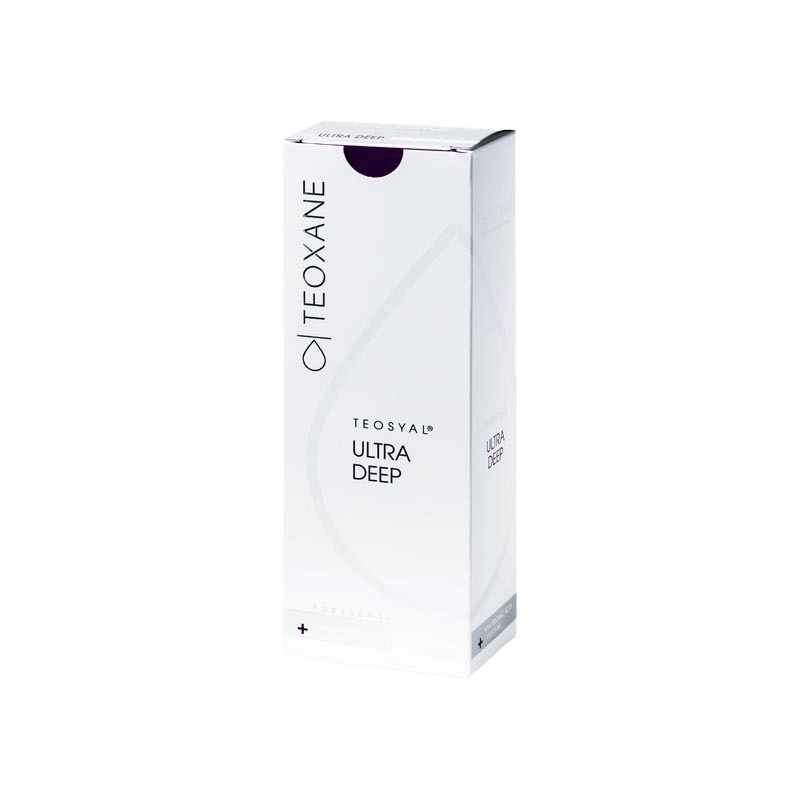
Teosyal® Puresense is a professional hyaluronic acid dermal filler line with integrated lidocaine for facial soft-tissue injection by qualified clinicians. Licensed clinics, med spas, and healthcare professionals can order Teosyal Puresense for treatment-room use, with sterile prefilled syringes, lot traceability, and variant selection supporting different facial planes and protocols. The portfolio is commonly used in aesthetic workflows that include contouring, volumization, line refinement, lip definition, and selected periorbital strategies.
The line is produced by Teoxane and is designed around cross-linked, non-animal hyaluronic acid gels. Individual formulations differ in rheology, cohesivity, and intended placement depth, so clinics should match each SKU to the anatomical area, injection technique, and clinician training requirements. Lidocaine is included to support procedural comfort during administration.
Clinic Price Access and Variant Selection
Teosyal Puresense pricing depends on the specific formulation, allocation, and account terms shown during ordering. Sign in with a verified clinic account to view current clinic pricing, available units, and ordering requirements for your facility. This helps procurement teams align filler inventory with scheduled treatment volumes rather than purchasing a single formulation for every indication.
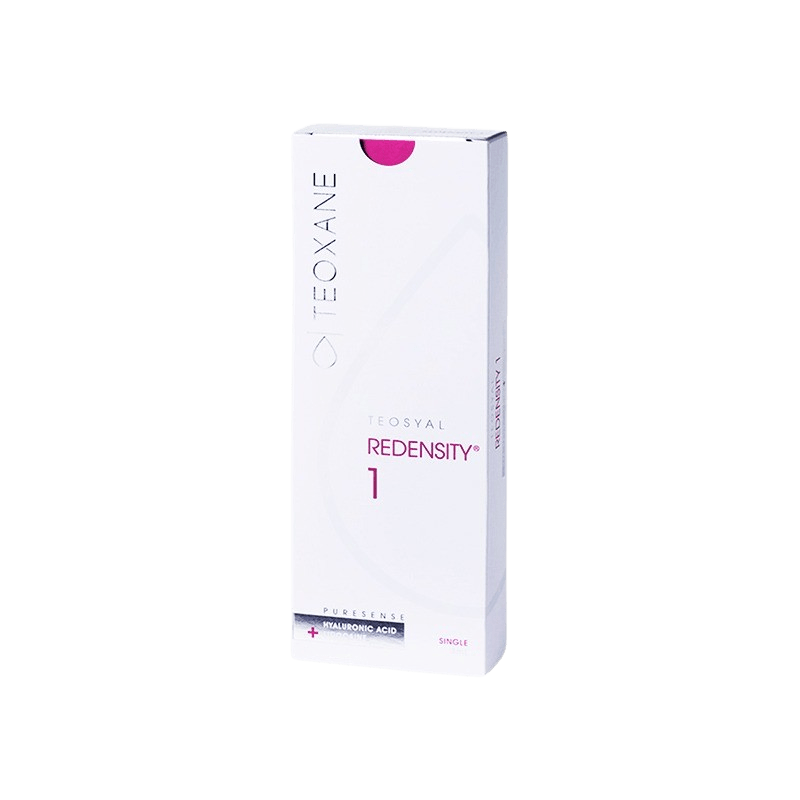
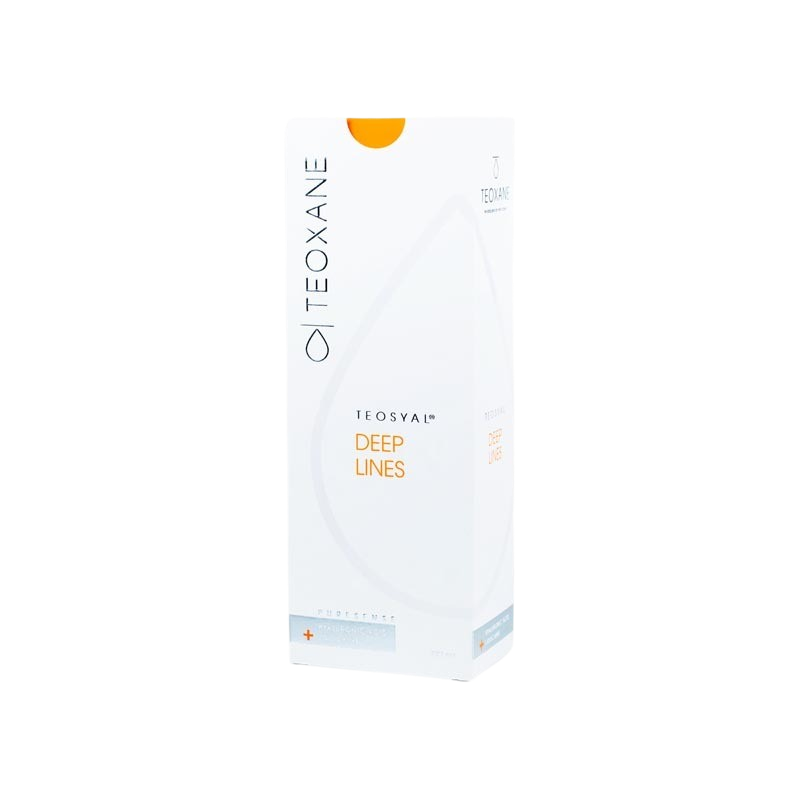
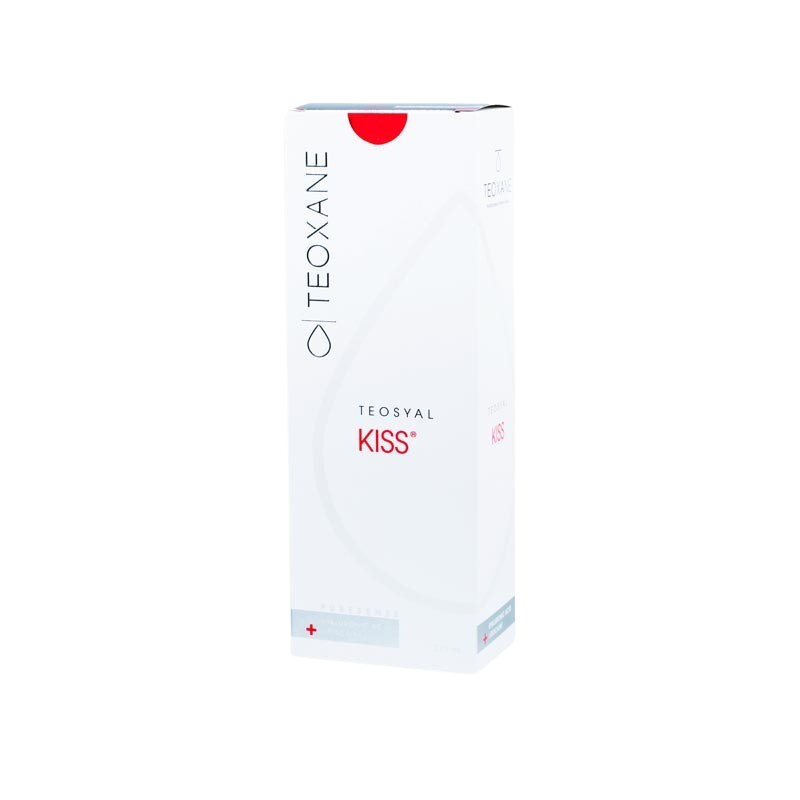
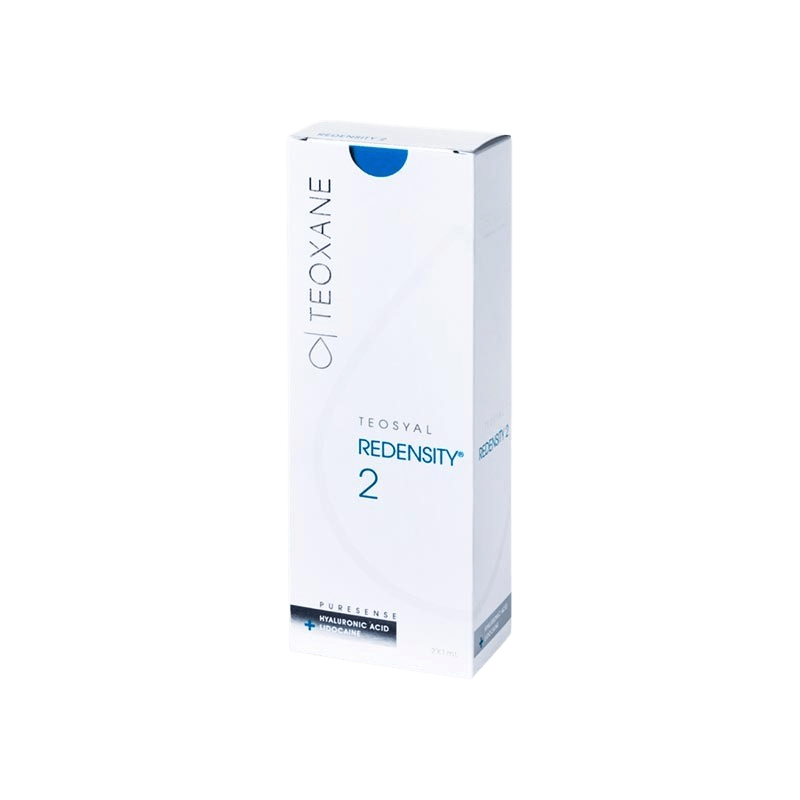
Selection should start with the intended facial zone and tissue plane. Teosyal Puresense Redensity 1 is often associated with skin-quality and fine-line protocols, while Teosyal Puresense Redensity 2 is commonly discussed in relation to tear trough and under-eye correction under specialist technique. Teosyal Puresense Kiss, Global Action, Deep Lines, Ultra Deep, and Ultimate occupy different roles within lip, fold, contour, and projection planning, depending on the product configuration available to your account.
Quick tip: Keep purchase records aligned with lot numbers, expiry dates, injector assignment, and treatment-room stock rotation.
What Teosyal Is and How It Works
Teosyal® Puresense is a family of sterile injectable viscoelastic hyaluronic acid gels. Hyaluronic acid is a naturally occurring glycosaminoglycan that binds water and can provide immediate soft-tissue support when injected into appropriate facial planes. Cross-linking helps the gel maintain structure after placement, while the formulation’s elasticity and cohesivity influence lift, spread, and handling.
The Puresense designation indicates that lidocaine is incorporated into the gel. Lidocaine does not replace appropriate clinical assessment, aseptic preparation, or pain-control planning, but it can improve procedural tolerability during injection. Providers should follow the manufacturer’s instructions for use, local professional standards, and clinic protocols for consent, documentation, post-procedure guidance, and adverse-event management.
Clinics that use several HA filler platforms may review the broader dermal fillers category when planning stock depth across lip, cheek, fold, and periorbital programs. A category-level view can also help separate routine replacement stock from products reserved for advanced injectors or specific anatomical areas.
Professional Applications in Aesthetic Practice
In clinical aesthetics, Teosyal Puresense fillers may be used for facial contouring, volumization, fold softening, perioral refinement, lip shaping, and delicate line work when the selected formulation matches the treatment plan. Midface work generally requires attention to projection, support, and vascular anatomy. Perioral and lip procedures require careful assessment of border definition, hydration goals, symmetry, and patient history.
Periorbital use deserves extra caution. Redensity 2 Teoxane is often referenced for tear trough treatment, but under-eye correction requires advanced anatomical knowledge, conservative product placement, and appropriate patient selection. Clinics should restrict higher-risk areas to clinicians trained in the relevant technique and maintain clear escalation pathways for complications.
For staff education on where different HA fillers fit anatomically, the article on popular dermal fillers for facial areas can support internal training discussions. For a Teoxane-specific clinic perspective, the Teosyal clinical overview for aesthetic teams may help standardize product selection conversations.
Key Features for Clinic Workflows
- Hyaluronic acid platform: Cross-linked, non-animal HA supports immediate volume, contour, and tissue hydration effects after professional injection.
- Lidocaine-containing formulation: Integrated anesthetic supports procedural comfort without changing the need for trained administration.
- Multiple gel profiles: Variants differ in elasticity, cohesivity, and intended use so providers can match product behavior to facial zone.
- Sterile prefilled syringes: Single-use presentation supports aseptic treatment-room workflows and efficient room turnover.
- Traceable supply: Lot and expiry documentation supports inventory management, patient records, and clinic compliance processes.
- Periorbital-specific planning: Teosyal Puresense Redensity 2 is commonly selected by trained injectors for tear trough strategies.
- Portfolio consistency: Working within one HA platform may simplify staff familiarity with extrusion force and handling differences.
- Adjunctive planning: HA fillers can sit alongside skin-quality programs when clinically appropriate and documented.
Benefits in Practice
Standardized product handling can reduce variation across providers, especially when clinics define which Teosyal Puresense variants are used for specific anatomical zones. Predictable extrusion and familiar gel behavior can support controlled aliquot placement, careful depth management, and efficient provider training. These operational advantages matter most when clinics run multiple injectors, shared inventory, and repeatable treatment protocols.
Inventory planning also benefits from a portfolio approach. A clinic may carry a smaller group of formulations for routine lips, folds, and midface work, while reserving specialized products for advanced or lower-volume indications. This can simplify consent templates, aftercare materials, and internal stock audits without limiting clinician judgment.
Teosyal is not the same as botulinum toxin treatment. HA fillers add or restore soft-tissue volume and can alter contour or surface transitions. Botulinum toxin products work by relaxing targeted muscle activity. Clinics that offer both modalities should document separate treatment goals, contraindication checks, consent language, and follow-up expectations.
Composition and Ingredients
Teosyal Puresense products use non-animal hyaluronic acid in a sterile injectable gel with lidocaine hydrochloride. Exact component ratios, gel concentration, and accessory configuration vary by product variant and market presentation. Always rely on the carton, syringe label, and manufacturer insert for the specific unit being prepared.
Redensity I Teoxane and Redensity II Teoxane are frequently discussed separately because they are designed for different professional-use objectives. Redensity 1 is associated with dermal quality and fine-line support in suitable protocols. Redensity 2 is positioned for the delicate under-eye area, where conservative technique and anatomical expertise are critical.
| Component | Clinic relevance |
|---|---|
| Cross-linked hyaluronic acid | Provides structural support, hydration, and gel behavior after injection. |
| Lidocaine | Supports patient comfort during injection and may streamline appointment flow. |
| Physiologic buffer | Maintains injectable gel properties according to the manufacturer’s specifications. |
| Sterile single-use presentation | Supports aseptic preparation and traceable treatment documentation. |
Packaging, Storage, and Handling
Each unit should arrive in manufacturer packaging with lot number and expiry details available for clinic records. Contents may vary by formulation, so staff should inspect the carton and package insert before room setup. Do not use a unit if packaging integrity is compromised, the expiry date has passed, or labeling does not match the intended formulation.
Store and handle Teosyal Puresense according to the manufacturer’s instructions. Clinic teams should avoid unnecessary temperature excursions, keep units protected from inappropriate storage conditions, and separate opened treatment-room materials from unopened inventory. We support clinic procurement with temperature-controlled handling when required and tracked US delivery.
Single-use sterile syringes should not be re-sterilized or shared between patients. Maintain sharps disposal, aseptic skin preparation, and adverse-event readiness according to local clinic policy. Hyaluronidase access, vascular occlusion protocols, and staff escalation training are important safeguards for HA filler services.
Safety, Precautions, and Documentation
Dermal filler safety starts before injection. Clinicians should assess medical history, prior filler placement, active skin infection, inflammatory conditions, allergies, anticoagulant or antiplatelet use, pregnancy or breastfeeding status when relevant to clinic policy, and any history that may increase bruising or complication risk. Treatment should be delayed when the injection site is infected or inflamed.
Expected local reactions can include tenderness, swelling, bruising, redness, firmness, itching, or temporary asymmetry. More serious complications may include infection, nodules, delayed inflammatory reactions, vascular compromise, tissue necrosis, visual symptoms, or allergic-type reactions. Clinics should provide clear post-procedure instructions and advise urgent evaluation for severe pain, skin color change, blanching, progressive swelling, visual disturbance, or neurologic symptoms.
Documentation should include product name, variant, lot number, expiry, injection area, volume used, technique, needle or cannula details when recorded by clinic policy, and aftercare instructions. These records support continuity when patients return for staged correction, dissolving assessment, or treatment with another HA platform.
Teosyal Compared With Other HA Fillers
No single HA filler is universally better than another. Teosyal, Juvéderm, Restylane, Stylage, and other HA brands differ in gel technology, rheology, indications, handling, and injector familiarity. The better choice is the one that fits anatomy, treatment objective, clinic protocols, and the clinician’s experience with the product.
Clinics evaluating adjacent HA options may consider Teosyal RHA for dynamic facial areas within the Teoxane portfolio, Juvéderm Ultra for an established HA filler alternative, or Stylage L Bi-Soft with Lidocaine when comparing lidocaine-containing HA fillers. For deeper correction discussions, Perfectha Deep Lidocaine may be reviewed as another class-adjacent option.
For broader brand-to-brand planning, see the comparison of Teosyal and Juvéderm. Clinics building a fuller formulary may also find the Revanesse and Juvéderm comparison useful when discussing alternative HA platforms.
Expected Duration and Follow-Up Planning
Duration varies by formulation, treatment area, injection depth, patient metabolism, facial movement, and the amount placed. Lip and highly mobile areas may require different maintenance planning than midface support or tear trough correction. Clinics should avoid guaranteeing a specific duration and instead set realistic follow-up windows based on prior response and the selected product.
Follow-up visits can help assess integration, swelling resolution, symmetry, and whether staged refinement is appropriate. Conservative staging is especially relevant for tear troughs, lips, and patients new to HA filler. A structured follow-up process also helps clinics distinguish normal early swelling from delayed reaction, nodularity, or technique-related concerns.
Ordering and Logistics for Licensed Clinics
Create or sign in to a verified clinic account to order Teosyal Puresense, view available configurations, and coordinate replenishment with your purchasing workflow. Professional-use ordering may require clinic documentation, facility details, or account verification before pricing and allocations are visible.
Procurement teams should plan around injector demand, expiry management, and procedure mix. Reserve specialized formulations for trained providers, keep routine stock organized by facial zone, and record lot movement from receiving to treatment room. This helps multi-provider practices maintain traceability and reduce last-minute substitutions.
When a specific formulation is temporarily unavailable to your account, choose a clinically appropriate substitute only after confirming the intended area, gel behavior, and injector familiarity. Substitution within the same broad HA class does not make products interchangeable for every plane or technique.
Authoritative Sources
This content is for informational purposes only and is not a substitute for professional medical advice.
Frequently Asked Questions
Who can order Teosyal® Puresense?
Teosyal® Puresense is intended for professional clinical use. Licensed clinics, med spas, aesthetic practices, and qualified healthcare professionals can order through a verified clinic account, subject to applicable documentation and product-use requirements.
What is the difference between Redensity 1 and Redensity 2?
Redensity 1 is commonly associated with skin-quality and fine-line protocols, while Redensity 2 is commonly used by trained injectors for tear trough and under-eye strategies. Final selection should follow the manufacturer’s instructions, anatomy, technique, and clinician judgment.
Is Teosyal better than Juvéderm?
Neither brand is universally better. Teosyal and Juvéderm are HA filler platforms with different gel properties and handling characteristics. The appropriate choice depends on the treatment area, tissue support needed, injector training, and clinic protocol.
How is Teosyal different from Botox?
Teosyal is a hyaluronic acid dermal filler that adds or restores soft-tissue volume. Botox is a neuromodulator that reduces targeted muscle activity. Clinics often use them for different aesthetic goals and should document separate consent and safety checks.
How should clinics store and document Teosyal Puresense?
Store each unit according to the manufacturer’s instructions and keep it in intact packaging until preparation. Record the product name, variant, lot number, expiry date, treatment area, and injector details according to clinic policy.
What safety protocols should be in place before use?
Clinics should use aseptic technique, screen for relevant contraindications or risk factors, maintain adverse-event procedures, and ensure injectors are trained for the chosen facial area. HA filler services should include escalation plans for vascular compromise and other urgent reactions.
Specifications
- Main Ingredient: Cross-Linked Hyaluronic Acid
- Manufacturer: Teoxane Laboratories.
- Drug Class: Aesthetic
- Generic Name: Hyaluronic Acid
- Package Contents: 1 mL x 2 single-use syringe | 3 mL x 1 Pre-Filled Syringe
- Storage Requirements: Room Temperature (2℃~25℃)
- Main Usage:
Here to help
Questions about ordering, delivery or products? You can email our team here or call now at 1-800-630-9757 and be connected with your dedicated Account Manager
Related Products
Evenity® (English Alternative)
Injectable Medication
$1,229.00 - $1,299.00
You save
You save
Intraline® For Men
Dermal Filler
$59.00 - $79.00
You save
You save
RejuvaNAD+ Pro
Injectable Medication
$237.00 - $249.00
You save
You save
Teosyal® RHA 4
Aesthetic Surgery Product
$259.00 - $279.00
You save
You save
Related Articles
Prednisone in Clinical Care: Uses, Risks, and Monitoring
Prednisone is a prescription systemic corticosteroid used to reduce inflammation or suppress immune activity in…
Lip Fillers Swelling Stages: Timeline, Safety, and Follow-Up
Lip fillers swelling stages usually follow a short inflammatory course: swelling appears soon after injection,…
Hypopigmentation of the Skin: Assessment and Care
Hypopigmentation of the skin means one or more areas look lighter than the surrounding skin.…
Radiesse vs Sculptra: Selection Factors for Clinics
Radiesse vs Sculptra is best understood as a comparison between two collagen-stimulating injectables with different…
Hyaluronic Acid Under-Eye Filler: Safety and Workflow
Hyaluronic acid under-eye filler is an injectable soft-tissue filler used by trained aesthetic clinicians to…
Dermal Filler Types: Materials, Uses, and Clinic Fit
Dermal filler types are usually grouped by their base material, tissue behavior, and expected role…
What Is Dysport? Clinical Uses, Safety, and Workflow
For clinic teams asking what is Dysport, the short answer is simple: Dysport is a…
Biostimulators in Aesthetic Care: Selection and Safety
Biostimulators are injectable aesthetic products used to encourage a controlled tissue response, often involving new…