
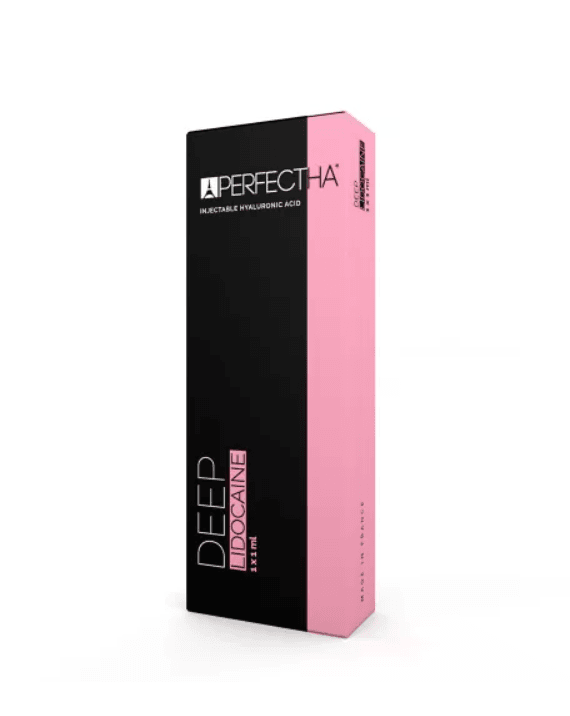
Perfectha® Deep w/ Lidocaine
Order Perfectha® Deep w/ Lidocaine for Clinics
Dermal Filler
$89.00
You save
Description
Perfectha® Deep w/ Lidocaine is a crosslinked hyaluronic acid dermal filler supplied as a sterile, prefilled 1 mL syringe for professional injection. Licensed clinics, med spas, and healthcare professionals can order Perfectha Deep with Lidocaine for mid-to-deep dermal or subdermal contouring protocols. Each syringe contains hyaluronic acid 20 mg/mL with lidocaine 3 mg/mL to support controlled placement and procedural comfort.
Med Wholesale Supplies serves B2B aesthetic practices with brand-name medical products sourced through vetted distributors and verified supply channels. This product is intended for trained injectors using aseptic technique, appropriate anatomical assessment, and clinic documentation for lot, expiry, treatment site, and post-procedure follow-up.
Perfectha Deep with Lidocaine for Clinic Ordering
Perfectha Deep with Lidocaine is used in professional aesthetic workflows where a clinic needs a mid-to-structural hyaluronic acid gel for folds, contour refinement, and moderate volume support. The single 1 mL syringe format helps standardize treatment-room setup, inventory counting, and case planning across providers.
Clinics can sign in to view current Perfectha Deep with Lidocaine price details and account-specific purchasing terms. Because the product is used by licensed professionals, procurement teams should align orders with injector preference, treatment volume, staff training, and documentation requirements rather than treating the syringe as a retail cosmetic item.
For practices building a broader filler portfolio, the Perfectha product family can help organize related strengths and handling profiles under one brand. Adjacent professional education, including dermal filler selection principles, can also support internal formulary discussions without replacing hands-on training or product-specific instructions.
Formulation, Strength, and 1 mL Presentation
The supplied presentation is a Perfectha Deep Lidocaine 1mL syringe containing crosslinked hyaluronic acid gel. The hyaluronic acid concentration is 20 mg/mL, and the lidocaine hydrochloride concentration is 3 mg/mL. The unit is designed for single-patient use and should remain sealed until professional preparation for injection.
Hyaluronic acid is a biocompatible polysaccharide that binds water and contributes to soft-tissue volume. In dermal fillers, crosslinking helps the gel maintain structure after placement while still allowing gradual resorption over time. Lidocaine is included as a local anesthetic to reduce injection discomfort during treatment, which can help clinics streamline chairside workflow when appropriate for the patient and protocol.
| Attribute | Clinic-relevant detail |
|---|---|
| Product type | Crosslinked hyaluronic acid dermal filler with lidocaine |
| Presentation | 1 x 1 mL prefilled syringe |
| Hyaluronic acid | 20 mg/mL |
| Lidocaine | 3 mg/mL |
| Use setting | Professional administration by trained healthcare providers |
| Handling | Sterile, single-use syringe handled under aseptic conditions |
Quick tip: Record lot and expiry details at receiving and again before the treatment session.
Professional Applications and Placement Planning
This preparation is intended for professional facial contouring and soft-tissue augmentation where a deeper placement profile is appropriate. Clinics commonly consider this type of gel for nasolabial folds, oral commissures, marionette lines, peri-oral support, chin projection, jawline transition, and selected nonsurgical nasal refinement. Lip work requires heightened anatomical caution because the lips are mobile, vascular, and sensitive.
Injector planning should account for tissue thickness, degree of fold depth, mobility, vascular anatomy, and the amount of lift needed. The gel can be placed using needle or cannula technique according to training, indication, and practitioner preference. Conservative placement, controlled molding, and appropriate follow-up help reduce overcorrection and support natural-looking results.
Perfectha Deep hyaluronic acid filler may be incorporated into layered protocols with softer or firmer gels. For example, an injector may choose a deeper product for structure and a lighter product for superficial refinement in a separate plane. Clinical teams can review Perfectha filler characteristics and broader guidance on assessing dermal filler results when discussing treatment planning standards internally.
Handling, Storage, and Treatment-Room Workflow
Perfectha Deep w/ Lidocaine should be managed as a sterile injectable medical product. Inspect packaging on receipt, segregate any compromised units, and maintain inventory records that support traceability. Follow the product labeling and your clinic’s standard operating procedures for storage, preparation, aseptic technique, sharps handling, and disposal.
The 1 mL syringe format is practical for treatment rooms because it supports predictable setup and helps staff plan procedure trays. Before use, teams should verify the patient record, anatomical plan, consent documentation, product identity, lot, expiry, and intended injection areas. Staff should avoid opening the sterile unit until the injector is ready to proceed.
For replenishment planning, align ordering with seasonal demand, provider schedules, and the range of filler densities used in your practice. Orders may be coordinated with temperature-controlled handling when required and tracked US delivery. This wording refers to logistics support, not a guarantee that every product requires cold-chain storage.
Key Features for Aesthetic Practices
Perfectha Deep dermal filler with lidocaine is valued by clinics that need a balance of lift, moldability, and comfort support. The gel is designed for controlled deposition in deeper tissue planes, while the prefilled unit reduces preparation variability compared with manually filled devices.
- Crosslinked hyaluronic acid gel for structural support and contour refinement
- 20 mg/mL hyaluronic acid concentration for clinic procurement clarity
- 3 mg/mL lidocaine included for local comfort support during injection
- 1 mL prefilled syringe presentation for standardized room setup
- Single-use sterile unit for one patient and one treatment encounter
- Suitable for mid-to-deep dermal and selected subdermal professional placement
- Works within broader facial-balancing protocols when matched to tissue needs
- Supports documentation of lot, expiry, site, volume, and injector notes
Why it matters: Matching gel density to tissue plane helps clinics reduce product waste and maintain consistent technique across providers.
Safety, Contraindications, and Monitoring
Dermal filler injections can cause local reactions such as redness, swelling, tenderness, bruising, itching, firmness, or discoloration at injection sites. These effects are often temporary, but duration can vary by treatment area, injection depth, patient factors, and aftercare. Perioral areas may remain sensitive longer because of movement and local tissue characteristics.
Professional assessment should screen for contraindications and risk factors before treatment. Avoid injecting into inflamed, infected, or compromised skin, and use caution in patients with relevant allergy history, bleeding tendency, anticoagulant use, prior filler complications, or conditions that may affect healing. Lidocaine exposure should be considered when patients report anesthetic sensitivity or when other local anesthetics are planned in the same session.
Serious filler complications are uncommon but can include vascular occlusion, tissue ischemia, infection, nodules, delayed inflammatory reactions, and visual symptoms when product is inadvertently introduced into or compresses vascular structures. Clinics should maintain protocols, training, and emergency materials appropriate for hyaluronic acid filler complications. The FDA provides general safety information for dermal fillers and soft tissue fillers.
Post-procedure monitoring should match your clinic’s standard of care. Patients should receive clear aftercare instructions and escalation guidance for severe pain, skin blanching, mottling, increasing swelling, fever, visual changes, or signs of vascular compromise. For staff training and handouts, review clinic-facing principles in post-treatment care for dermal fillers.
Procurement, Price, and Account Access
Licensed clinic accounts can view live Perfectha Deep with Lidocaine cost information after sign-in. Unit price may depend on account terms, order volume, and any applicable contract arrangements. For multi-provider or multi-location practices, consolidating replenishment windows can help receiving teams manage lot tracking and reduce administrative friction.
When deciding how many Perfectha Deep 1 x 1ml syringe units to stock, consider the number of trained injectors, typical treatment mix, cancellation patterns, and minimum par levels. Aesthetic practices often maintain several filler densities so that injectors can choose a gel profile based on anatomical need rather than forcing one product into every zone.
Med Wholesale Supplies can support clinic procurement with product sourcing and order-detail review for licensed healthcare settings. Maintain your own documentation for training status, medical direction, consent language, adverse-event handling, and product traceability according to your internal policies and professional obligations.
Comparable Perfectha and HA Filler Options
Perfectha Deep injectable filler sits in a practical middle-to-structural role within a clinic’s HA filler selection. It may be chosen when fold support or contour definition is needed, while lighter products may be better suited for fine-line or superficial work and more robust products may be reserved for deeper volumizing plans.
Related Perfectha options include Perfectha Derm with Lidocaine, which clinics may consider for different fold depth or tissue demands, and Perfectha Finelines for more superficial refinement contexts. Practices seeking a deeper structural option can also review Perfectha Subskin as part of a broader formulary discussion.
Selection should remain anatomy-led. Compare gel handling, intended plane, tissue mobility, desired projection, and the injector’s experience with each formulation. The most appropriate filler for a given session is the one that matches the planned correction while respecting vascular anatomy and conservative volume strategy.
Authoritative Sources
Use manufacturer and regulator information to support clinic protocols, staff education, and patient-facing safety discussions. These sources do not replace the product label, professional training, or your clinic’s clinical governance process.
This content is for informational purposes only and is not a substitute for professional medical advice.
Frequently Asked Questions
Who can order Perfectha® Deep w/ Lidocaine?
Perfectha® Deep w/ Lidocaine is intended for licensed clinics, med spas, and healthcare professionals using dermal fillers in professional treatment settings. Account verification and clinic-use documentation may apply before ordering.
What is included in the Perfectha Deep Lidocaine 1 mL syringe?
Each unit contains one sterile, prefilled 1 mL syringe of crosslinked hyaluronic acid gel with hyaluronic acid 20 mg/mL and lidocaine 3 mg/mL. It is intended for single-patient professional use.
What areas do clinics use this filler for?
Clinics may use this type of HA filler for professional correction of deeper folds and contour needs, such as nasolabial folds, marionette lines, chin, jawline, peri-oral support, and selected nasal or lip protocols. Final placement depends on anatomy, training, and clinical judgment.
How should clinics handle the product before use?
Keep the syringe sealed until treatment preparation, inspect packaging and expiry details, document lot information, and use aseptic technique. Follow the product labeling and your clinic’s storage, injection, sharps, and disposal procedures.
Does lidocaine replace other comfort measures?
The included lidocaine can help reduce injection discomfort, but it does not automatically replace topical anesthetic, nerve block, or other comfort measures. The injector should choose comfort support based on the patient, treatment area, and clinic protocol.
What side effects should clinics monitor after treatment?
Common local reactions include redness, swelling, bruising, tenderness, itching, firmness, or discoloration. Clinics should also monitor for serious warning signs such as severe pain, blanching, mottling, infection signs, or visual symptoms and follow established escalation protocols.
How does Perfectha Deep differ from other Perfectha fillers?
Perfectha Deep is positioned for deeper folds and contour support compared with lighter options used for superficial refinement. Product selection should consider tissue thickness, treatment plane, desired lift, and the injector’s experience with each gel.
Specifications
- Main Ingredient: Hyaluronic Acid/Lidocaine
- Manufacturer: ObvieLine,Sinclair
- Drug Class: Dermal Filler
- Generic Name: Hyaluronic Acid gel and Lidocaine
- Package Contents: 1mL x 1 Pre-Filled Syringe
- Storage Requirements: Room Temperature (2℃~25℃)
- Main Usage: Volume Filler
About the Brand
Perfectha
Perfectha holds a notable reputation in the medical industry for the superior quality of its skin filler products. Whether your goal is to enhance your lips, diminish wrinkles or replenish facial volume, Perfectha offers unmatched effectiveness. These ground-breaking fillers are crafted to deliver naturally beautiful and enduring results, making them a top choice among both healthcare practitioners and consumers. With Perfectha, attain the youthful, revitalized look you've always desired. If you’re in the market for Perfectha products, your search ends at medwholesalesupplies.com. As a credible online purveyor of medical supplies, we provide a plethora of Perfectha products at fair prices. Order Perfectha through our site to guarantee that you are purchasing genuine products straight from respected manufacturers. We also offer rapid and trustworthy shipping services, delivering your Perfectha products right to your front door. Thanks to our user-friendly website and secure payment methods, shopping for Perfectha is more convenient than ever. At medwholesalesupplies.com, we place great value on the quality and safety of our medical products. This is why we have meticulously chosen Perfectha as one of our esteemed brands. Perfectha is lauded for its stringent testing methods and adherence to international standards, guaranteeing foremost safety and efficacy. When ordering Perfectha via our website, rest assured that you are choosing a brand highly esteemed by healthcare professionals globally. Don't settle when it comes to your aesthetic pursuits – trust in Perfectha and shop confidently at medwholesalesupplies.com.
Browse Perfectha Products
Here to help
Questions about ordering, delivery or products? You can email our team here or call now at 1-800-630-9757 and be connected with your dedicated Account Manager
Related Products
Evenity® (English Alternative)
Injectable Medication
$1,229.00 - $1,299.00
You save
You save
Intraline® For Men
Dermal Filler
$59.00 - $79.00
You save
You save
RejuvaNAD+ Pro
Injectable Medication
$237.00 - $249.00
You save
You save
Teosyal® RHA 4
Aesthetic Surgery Product
$259.00 - $279.00
You save
You save
Related Articles
Prednisone in Clinical Care: Uses, Risks, and Monitoring
Prednisone is a prescription systemic corticosteroid used to reduce inflammation or suppress immune activity in…
Lip Fillers Swelling Stages: Timeline, Safety, and Follow-Up
Lip fillers swelling stages usually follow a short inflammatory course: swelling appears soon after injection,…
Hypopigmentation of the Skin: Assessment and Care
Hypopigmentation of the skin means one or more areas look lighter than the surrounding skin.…
Radiesse vs Sculptra: Selection Factors for Clinics
Radiesse vs Sculptra is best understood as a comparison between two collagen-stimulating injectables with different…
Hyaluronic Acid Under-Eye Filler: Safety and Workflow
Hyaluronic acid under-eye filler is an injectable soft-tissue filler used by trained aesthetic clinicians to…
Dermal Filler Types: Materials, Uses, and Clinic Fit
Dermal filler types are usually grouped by their base material, tissue behavior, and expected role…
What Is Dysport? Clinical Uses, Safety, and Workflow
For clinic teams asking what is Dysport, the short answer is simple: Dysport is a…
Biostimulators in Aesthetic Care: Selection and Safety
Biostimulators are injectable aesthetic products used to encourage a controlled tissue response, often involving new…