

- You must be logged in to add items to the cart.
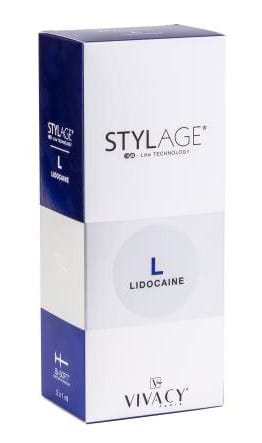
Stylage® L Bi-Soft w/ Lidocaine
Order Stylage® L Bi-Soft w/ Lidocaine for Clinics
Dermal Filler
$189.00
You save (%)
Description
Stylage® L Bi-Soft w/ Lidocaine is a cross-linked hyaluronic acid dermal filler for mid-to-deep dermal injection in professional facial aesthetics. Licensed clinics, med spas, and healthcare professionals can order Stylage L Bi-Soft with Lidocaine for treatment-room use when their protocols call for deeper wrinkle correction, contour refinement, or volume support. The Bi-Soft injection platform is designed for controlled handling, while lidocaine is included to support procedural comfort during administration.
This filler belongs in clinician-led workflows that require careful assessment, anatomical knowledge, aseptic technique, and clear product documentation. Med Wholesale Supplies serves licensed clinical accounts with authentic brand-name medical products sourced through vetted distributors and verified supply channels. Account users can view current clinic pricing, available quantities, and ordering details through the secure portal.
Clinic Pricing, Account Access, and Ordering
Stylage L Bi-Soft with Lidocaine price details are shown after account sign-in, so purchasing teams can see current clinic rates and applicable volume or contract tiers. Exact cost can vary by order quantity, current supply status, and any account-specific terms. For multi-location practices, centralized purchasing can help standardize inventory planning across injectors while keeping lot documentation accessible for intake and reconciliation.
Professional account verification is required before release for fulfillment. The checkout process is built for clinic procurement, with role-based access, order history, and documentation support for internal records. Teams can align filler purchases with other aesthetic inventory and procedure-room supplies to reduce fragmented replenishment.
Use the product name, carton information, and lot details during receiving checks. Assign responsibility for intake, storage placement, and expiration-date review according to your facility procedures. When required for product handling, orders are managed with temperature-controlled handling when required and tracked US delivery.
What Stylage L Bi-Soft with Lidocaine Is Used For
Stylage L Bi-Soft with Lidocaine is used by trained injectors for mid-to-deep dermal placement in facial aesthetic procedures. In professional practice, it is commonly selected for pronounced folds, deeper wrinkles, volume deficiencies, and lower or midface contouring needs. Typical clinical targets may include nasolabial folds, marionette lines, cheek contouring, and areas where tissue support is needed to improve shape or projection.
The product is a hyaluronic acid filler. Hyaluronic acid is a naturally occurring polysaccharide that binds water and contributes to tissue hydration and structure. In a cross-linked gel, it can provide temporary support after placement in soft tissue. The clinical outcome depends on product selection, injection plane, patient anatomy, technique, and follow-up planning.
Clinics that maintain a broader filler formulary may review the Stylage product family to align gel choice with the depth, mobility, and lift requirements of each treatment area. For background on the range, our article on Stylage dermal filler variations summarizes how different products can fit different aesthetic goals.
Formulation and Bi-Soft Handling Characteristics
The formulation combines cross-linked hyaluronic acid in a sterile gel with lidocaine. Lidocaine is an amide-type local anesthetic included to help reduce injection discomfort during administration. Its presence does not replace clinical assessment, pain-control planning, or standard monitoring, but it can help streamline treatment-room workflow when the product is appropriate for the selected indication.
The Bi-Soft injection system is designed with an ergonomic syringe platform intended to support steady control during placement. For injectors, predictable extrusion and grip comfort can matter during fine contour work, linear threading, or bolus placement as permitted by local protocol and training. The gel’s cohesive, viscoelastic behavior supports contouring while aiming for a natural look and feel after integration with surrounding tissues.
For clinics evaluating how anesthetic components influence procedure flow, the article on lidocaine in dermal filler procedures provides useful context. Product-specific decisions should still rely on the manufacturer’s information, injector training, patient evaluation, and your facility’s written protocols.
Key Features for Aesthetic Practices
- Cross-linked hyaluronic acid gel for professional dermal filler procedures.
- Designed for mid-to-deep dermal injection by trained, licensed injectors.
- Bi-Soft syringe platform supports controlled handling during placement.
- Lidocaine is included to help reduce injection discomfort.
- Used in workflows for deep folds, contouring, and volume restoration.
- Single-use sterile presentation supports aseptic treatment-room practice.
- Lot and expiration details support inventory control and traceability.
Quick tip: Keep receiving, storage, and usage logs aligned with the carton lot number and expiration date.
Workflow Fit: Treatment Planning and Documentation
Stylage L Bi-Soft with Lidocaine works best as part of a structured aesthetic workflow rather than a stand-alone inventory item. Before administration, clinics should confirm patient history, treatment goals, contraindications, consent status, and prior filler exposure. The injector should document the treatment area, plane, product lot, amount used, technique, and post-procedure instructions according to facility standards.
Because this filler is intended for mid-to-deep placement, anatomical assessment is central to safe use. Treatment planning should account for vascular anatomy, tissue thickness, prior procedures, and the amount of correction required. Conservative placement, staged correction, and appropriate follow-up can help teams maintain predictable outcomes while reducing avoidable complications.
Many practices pair filler planning with staff training updates, standardized photography, and adverse-event response protocols. Inventory managers should coordinate stock levels with procedure volume, injector preferences, and expiration dates. When other aesthetic products are used in the same program, clear formulary notes can reduce product selection errors and improve consistency between providers.
Storage, Receiving, and Handling
Store and handle Stylage L Bi-Soft with Lidocaine according to the manufacturer’s carton and insert. Keep the product in its original packaging until use, and protect sterile contents from damage or contamination. Do not use any unit if the packaging is opened, compromised, or otherwise inconsistent with clinic receiving standards.
Receiving teams should record the delivery date, product name, lot number, expiration date, and quantity. Storage locations should be restricted to authorized clinical staff and separated from expired or quarantined inventory. Rotate stock using a first-expire, first-out approach when consistent with your facility policy.
Before a procedure, clinical staff should confirm that the selected filler matches the treatment plan and that the syringe and accessories are intact. Maintain aseptic technique throughout preparation and administration. Dispose of used syringes, needles, and related sharps according to applicable medical waste procedures.
Safety, Contraindications, and Expected Reactions
Stylage L Bi-Soft with Lidocaine is for administration by licensed, trained professionals. Do not use it in patients with known hypersensitivity to any component, including lidocaine or other amide-type local anesthetics. Avoid injection into areas with active skin infection, inflammation, or compromised tissue until the condition has resolved and the clinician determines treatment is appropriate.
Expected local reactions after hyaluronic acid filler procedures can include redness, swelling, tenderness, bruising, itching, firmness, or mild discomfort at the injection site. These reactions are often temporary, but clinics should give clear aftercare instructions and define when the patient should contact the practice. More serious complications, including vascular compromise, tissue injury, infection, nodules, hypersensitivity reactions, or visual symptoms, require prompt clinical evaluation.
Patient selection should consider severe allergies, autoimmune disease history, pregnancy or breastfeeding status, medications that affect bleeding risk, recent procedures, and prior adverse reactions to fillers or anesthetics. Injection technique must follow the practitioner’s training and the product’s professional instructions. Clinics should maintain emergency protocols and ensure staff know how to escalate urgent symptoms.
Why it matters: Filler safety depends on both product quality and the injector’s ability to recognize complications early.
How Long Results May Last
Duration varies by treatment area, injection technique, patient metabolism, tissue movement, and the amount of correction performed. Hyaluronic acid fillers are temporary, and gradual resorption is expected over time. Clinics should avoid promising a fixed duration and instead set expectations during consultation based on prior response, anatomy, and the planned treatment approach.
Follow-up schedules should be built around clinical assessment rather than a preset guarantee. Some patients may need staged correction, while others may maintain satisfactory results until routine maintenance is appropriate. Documenting baseline photographs, product placement, and response over time helps practices refine future treatment plans.
For additional education on HA behavior in aesthetic medicine, see hyaluronic acid in aesthetic medicine. The discussion can support staff education, but product choice should remain tied to injector training and patient-specific assessment.
Comparable Stylage Options and Related Fillers
Practices that use multiple Stylage fillers may choose different products based on correction depth, gel behavior, and treatment area. Stylage M Bi-Soft with Lidocaine may suit protocols that call for a different HA gel profile, while Stylage XL Bi-Soft with Lidocaine may be considered when greater structural support is desired within the clinic’s approved workflow. For fine or superficial aesthetic work, Stylage S Bi-Soft with Lidocaine may be reviewed as part of a broader formulary.
Lip-focused protocols may require a product designed specifically for that region, such as Stylage Special Lips Bi-Soft with Lidocaine. Teams comparing brand families can also read Stylage and Juvéderm distinctions to support formulary discussions. Do not substitute products solely by brand familiarity; match each filler to the intended plane, tissue behavior, patient factors, and injector experience.
Authenticity, Traceability, and Professional Supply
Authentic Stylage L Bi-Soft with Lidocaine sourcing is important for patient safety, documentation, and consistent clinical performance. Clinics should purchase through professional supply channels that support traceability and accountable receiving practices. Maintain purchase records, lot logs, and expiration documentation so each procedure can be connected to the exact unit used.
Counterfeit or improperly handled fillers can create clinical and operational risk. Receiving staff should inspect outer packaging, confirm labeling consistency, and quarantine any unit that appears damaged or questionable. If the clinic has multiple injectors, use standardized intake procedures so all providers follow the same product verification steps before treatment.
US distribution can support predictable procurement for licensed aesthetic practices managing recurring procedure volume. Build par levels around procedure demand, training schedules, and planned promotional calendars without overstocking products near expiration. Reconcile used units promptly after procedures to keep inventory and treatment records aligned.
Authoritative Sources
Manufacturer: Laboratoires Vivacy
MedlinePlus: Hyaluronic acid medical overview
Before Adding to Your Clinic Cart
Confirm that Stylage L Bi-Soft with Lidocaine matches the planned treatment indication, injector preference, and current protocol. Review the carton, expiration date, and storage expectations at receiving, then keep the product reserved for trained professional use only. Coordinate purchasing with related injectables, consumables, and documentation needs so the treatment room has the supplies required for safe, efficient appointments.
When your account is active, sign in to view current availability, clinic pricing, and purchase controls. Use the order history to support reordering and internal audits. If your practice standardizes several HA fillers, maintain a written crosswalk that defines when each product may be used and who is authorized to administer it.
This content is for informational purposes only and is not a substitute for professional medical advice.
Frequently Asked Questions
What kind of filler is Stylage L Bi-Soft with Lidocaine?
It is a cross-linked hyaluronic acid dermal filler with lidocaine. It is intended for professional mid-to-deep dermal injection by trained, licensed injectors in facial aesthetic procedures.
What is Stylage L Bi-Soft with Lidocaine used for in clinics?
Clinics use it in workflows for deeper wrinkles, pronounced folds, contour refinement, and volume support. Common treatment planning areas may include nasolabial folds, marionette lines, and cheek contouring when clinically appropriate.
How long does Stylage L usually last?
Duration varies by treatment area, patient metabolism, injection technique, tissue movement, and correction plan. Clinics should set expectations during consultation and document response at follow-up rather than promising a fixed timeline.
What side effects should clinics discuss before treatment?
Common local reactions can include redness, swelling, bruising, tenderness, itching, firmness, or mild discomfort. Serious concerns such as vascular symptoms, infection, visual changes, allergic reactions, or tissue injury require prompt clinical evaluation.
How should clinics handle Stylage L Bi-Soft with Lidocaine on receipt?
Record the product name, quantity, lot number, expiration date, and delivery date. Keep units in the original packaging, follow the manufacturer’s storage instructions, and do not use packaging that is opened or damaged.
Can Stylage L Bi-Soft with Lidocaine be substituted with another Stylage filler?
Substitution should be approved by the clinical lead. Different Stylage fillers may have different handling profiles and treatment-area fit, so the replacement should match the planned injection depth, tissue needs, and injector protocol.
Specifications
- Main Ingredient: Hyaluronic Acid/Lidocaine
- Manufacturer: Vivacy
- Drug Class: Dermal Filler
- Generic Name: Hyaluronic Acid gel and Lidocaineh
- Package Contents: 1 mL x 2 Pre-Filled Syringes
- Storage Requirements: Room Temperature (2℃~25℃)
- Main Usage: Volume Filler
About the Brand
Stylage
Stylage is a widely recognised healthcare brand that manufactures premium dermal fillers and aesthetic solutions of exceptional quality. Whether your goal is to diminish wrinkles, enhance lip volume, or contour your facial structure, Stylage offers the right product for your needs. Endorsed by medical professionals on a global scale for its progressive formulations and naturalistic results, Stylage's products can be conveniently purchased via our official web portal, medwholesalesupplies.com. Our team at medwholesalesupplies.com realises the crucial role of reliable and esteem brands like Stylage in the medical profession. Hence, we have entered a collaboration with Stylage to make their pioneering products available to our valued customers. When medical practitioners buy Stylage products from our website, we assure them of the authenticity of the products, sourced directly from the manufacturer. We also promise competitive pricing and rapid delivery, assuring healthcare providers have the necessary implements to deliver superior quality aesthetic treatments. Securing your Stylage products from medwholesalesupplies.com comes with several perks. Firstly, it corroborates the authenticity of the products, ensuring medical professionals receive genuine Stylage fillers and aesthetic solutions. Next, we provide competitive pricing, enabling healthcare providers to access these high end products at the most economical prices. Lastly, our timely delivery service ensures that medical professionals receive their Stylage products without delay, contributing to an efficient patient treatment process. Consider medwholesalesupplies.com as your go-to destination for all your Stylage essentials.
Browse Stylage Products
Here to help
Questions about ordering, delivery or products? You can email our team here or call now at 1-800-630-9757 and be connected with your dedicated Account Manager
Related Products
JALUPRO® PLUS 4ML
Skin Rejuvenation Treatment
$86.00 - $89.00
You save (%)
You save (%)
$339.00
You save (%)
You save (%)
Select options
This product has multiple variants. The options may be chosen on the product page
Juvéderm® SKINVIVE
Dermal Filler
$339.00 - $359.00
You save (%)
You save (%)
$86.00 - $119.00
You save (%)
You save (%)
Related Articles
Prednisone in Clinical Care: Uses, Risks, and Monitoring
Prednisone is a prescription systemic corticosteroid used to reduce inflammation or suppress immune activity in…
Lip Fillers Swelling Stages: Timeline, Safety, and Follow-Up
Lip fillers swelling stages usually follow a short inflammatory course: swelling appears soon after injection,…
Hypopigmentation of the Skin: Assessment and Care
Hypopigmentation of the skin means one or more areas look lighter than the surrounding skin.…
Radiesse vs Sculptra: Selection Factors for Clinics
Radiesse vs Sculptra is best understood as a comparison between two collagen-stimulating injectables with different…
Hyaluronic Acid Under-Eye Filler: Safety and Workflow
Hyaluronic acid under-eye filler is an injectable soft-tissue filler used by trained aesthetic clinicians to…
Dermal Filler Types: Materials, Uses, and Clinic Fit
Dermal filler types are usually grouped by their base material, tissue behavior, and expected role…
What Is Dysport? Clinical Uses, Safety, and Workflow
For clinic teams asking what is Dysport, the short answer is simple: Dysport is a…
Biostimulators in Aesthetic Care: Selection and Safety
Biostimulators are injectable aesthetic products used to encourage a controlled tissue response, often involving new…