
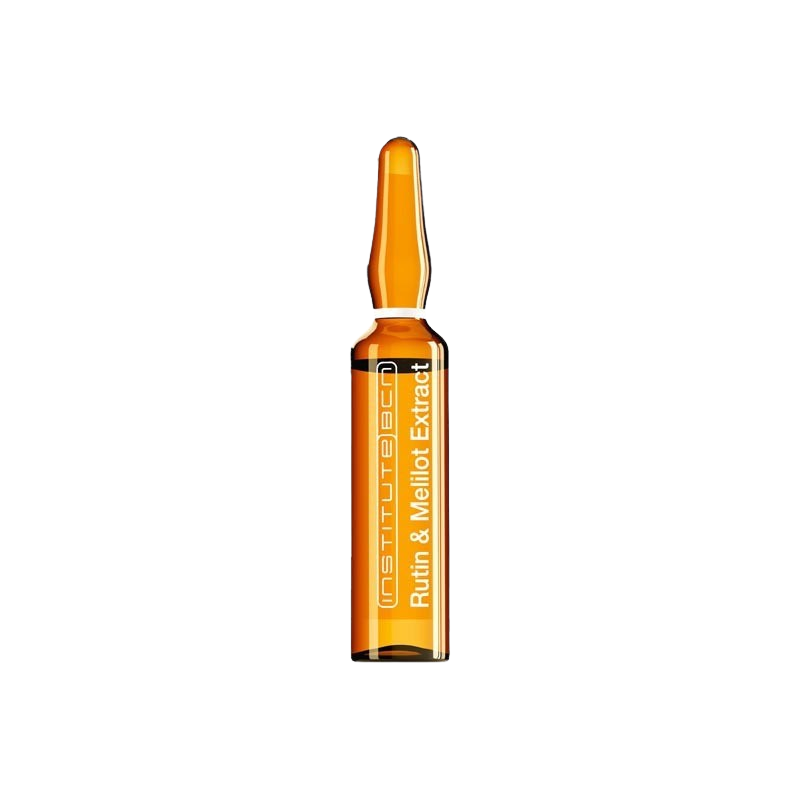
Rutin & Melilot Extract
Order Rutin & Melilot Extract for Clinics
Natural Skincare Ingredient
$29.00
You save
Description
Rutin & Melilot Extract is a professional mesotherapy-oriented toning solution supplied as 10 ampoules of 2 mL for clinic use. Licensed clinics and healthcare professionals can order Rutin & Melilot Extract for protocols that require ampoule-based handling, clear lot documentation, and treatment-room stock control. It is commonly reviewed for vascular-looking cellulite, tired-leg complaints, and lower-limb circulation support within professional aesthetic practice.
The product is best evaluated as an adjunct to a broader clinic protocol, not as a stand-alone treatment for undiagnosed leg swelling, structural venous disease, or systemic causes of edema. Before procurement, match the planned use to current manufacturer materials, staff credentials, consent language, and local professional scope.
Clinic Price, Pack Size, and Ordering Details
Clinic buyers can view current Rutin & Melilot Extract price information during ordering and plan stock around the box format most commonly described as 10 ampoules of 2 mL. This presentation suits practices that already use ampoule-based mesotherapy products and can record batch, expiry, treatment area, and staff handling details in the clinical record.
For purchasing teams, the practical decision is whether the 10 x 2 mL format fits expected appointment volume, wastage controls, and treatment-room workflow. Per-session planning should account for single-visit use, sterile handling steps, and whether the product is used alone or within a multi-product body or leg protocol.
Orders are intended for licensed clinics, med spas, aesthetic practices, and healthcare professionals. Clinic documentation or professional-use ordering requirements may apply before restricted stock is released, especially when a practice is adding a new mesotherapy solution to its formulary.
How to Order Rutin & Melilot Extract for Professional Use
Before placing a practice order, confirm three operational points: the intended use fits your service scope, the ampoule presentation matches your protocol, and the team has current documentation for receiving and using professional stock. Good procurement records reduce delays when products move from purchasing to storage, treatment-room setup, and chart documentation.
Rutin & Melilot Extract ampoules are generally better suited to clinics that maintain aseptic technique, use trained staff, and track product use by lot number. Practices should define who may receive the product, who may prepare it, how opened ampoules are handled, and how adverse events are escalated.
Why it matters: A clear receiving and documentation workflow helps prevent mix-ups with similarly named body or circulation-focused ampoules.
Clinics comparing adjacent professional products can browse the mesotherapy category or review the BCN brand range for related practice-stock decisions.
Professional Use Context and Protocol Fit
Rutin & Melilot Extract is generally marketed as a professional toning solution for mesotherapy-oriented practice. Manufacturer materials commonly associate melilot and rutin with protocols focused on capillary fragility, vascular-looking cellulite, tired-leg sensations, and lower-limb microcirculatory support, although wording may vary by market and insert.
Rutin is a plant-derived bioflavonoid often discussed in relation to antioxidant activity and capillary support. Melilot, also known as sweet clover, has been studied in formulations aimed at local vascular and lymphatic support. These ingredient associations do not replace clinical assessment, and they should not be used to treat symptoms that require medical diagnosis before aesthetic care.
Clinic protocols should separate cosmetic body or leg concerns from red-flag presentations. Unilateral swelling, sudden pain, skin color change, warmth spreading beyond the treatment area, ulceration, shortness of breath, or suspected thrombotic disease should be assessed through appropriate medical channels before any cosmetic procedure is considered.
For broader service planning, BCN injection and mesotherapy treatment planning provides useful category context, while body contouring supply considerations may help practices align body-focused stock with staff training and service mix.
Forms, Strengths, and Packaging
The Rutin & Melilot Extract format described for this product is a box of 10 ampoules, each containing 2 mL. Availability of inserts, carton wording, and market-specific documentation can vary, so receiving staff should verify the physical pack at intake and record the label information exactly as shown.
| Clinic attribute | Practical detail |
|---|---|
| Form | Ampoules for professional use. |
| Pack size | Box of 10 ampoules. |
| Volume | 2 mL per ampoule. |
| Typical workflow need | Lot tracking, expiry checks, aseptic preparation, and treatment record entry. |
No concentration claim should be inferred beyond the stated box and ampoule volume. If your clinic uses inventory software, enter the full product name, ampoule volume, batch, and expiry date to reduce look-alike or sound-alike errors with other toning, body, or circulation-focused solutions.
Administration and Treatment-Room Workflow
Rutin & Melilot Extract should be handled according to the current manufacturer instructions and clinician judgment. This copy does not provide patient-specific dosing, injection maps, route selection, treatment depth, or session frequency. Those decisions belong in the clinic protocol, staff training file, and patient-specific assessment.
Before use, inspect each ampoule for cracks, leakage, particulate matter, discoloration, or any sign that the container integrity is compromised. Prepare the treatment area, supplies, and documentation before opening the ampoule, since open glass ampoules increase handling and contamination risk.
Session records should identify the product, batch, expiry, treatment area, staff member, technique category, and immediate response observed during the visit. If the protocol includes multiple products or device-based steps, document sequence and compatibility decisions rather than assuming that nearby body-contouring treatments can be combined.
Practices developing body services can also review the body contouring product category and the body contouring education section for service-line planning.
Storage, Handling, and US Logistics
Store Rutin & Melilot Extract ampoules under the conditions stated on the carton or current insert. If the label calls for protection from heat, light, or freezing, add those requirements to your standard operating procedure and keep the product away from look-alike ampoules used for other body protocols.
Glass ampoules require careful handling. Staff should inspect the neck, use clean work surfaces, avoid rushed opening, and follow sharps or glass-disposal policy immediately after preparation. If the product is labeled single-use, discard any remainder according to local clinical waste procedures rather than saving it between visits.
Inventory staff should rotate stock by expiry date, reconcile lot numbers after each session, and separate professional-use ampoules from retail skincare or non-sterile supplies. We support temperature-controlled handling when required and tracked US delivery as part of clinic logistics planning.
Quick tip: Keep the carton and insert with the lot record until the final ampoule from that box has been reconciled.
Safety, Contraindications, and Monitoring
Formal contraindications should be taken from current manufacturer materials and clinic policy. At a high level, clinics commonly avoid mesotherapy-style products when there is known hypersensitivity to any component, active skin infection at the planned site, significant inflammation, compromised skin barrier, or a lower-limb complaint that needs diagnosis before cosmetic treatment.
Expected short-term procedure reactions may include redness, tenderness, swelling, pinpoint bleeding, bruising, warmth, itching, or temporary discomfort at the treatment area. These reactions should be documented and distinguished from severe pain, spreading redness, persistent nodules, delayed swelling, fever, generalized symptoms, or signs of infection.
Caution is sensible when a patient reports easy bruising, uncontrolled medical conditions, prior strong post-procedure reactions, or medication use that may increase bleeding or bruising risk. Anticoagulants, antiplatelet agents, and supplements associated with bruising should be part of the intake discussion because the procedure itself can produce visible marks.
Clinic monitoring should include baseline photographs when appropriate, symptom history, consent specific to the body or leg procedure, and aftercare instructions that tell patients when to contact the practice. Persistent leg symptoms should not automatically be treated as a normal cosmetic reaction, because aesthetic concerns can overlap with non-aesthetic disease.
Rutin Questions in Clinic Consultations
Patients may ask what rutin does, whether it is hard on the liver, or whether daily oral rutin is appropriate. Those questions usually relate to dietary supplements, not professional ampoule use in a clinic. Staff should avoid translating supplement claims directly into procedural claims for Rutin & Melilot Extract.
In consultation, explain that this product is reviewed in the context of professional mesotherapy-oriented protocols and that suitability depends on assessment, contraindications, treatment goals, and current product instructions. If a patient is taking oral rutin, melilot, anticoagulants, antiplatelet medicines, or multiple supplements, the intake record should capture that information before the procedure.
The main disadvantages to discuss are procedural and suitability-related: bruising, irritation, swelling, infection risk, hypersensitivity, and the possibility that leg symptoms may reflect a medical condition rather than a cosmetic concern. This keeps the conversation accurate without overpromising effects from individual ingredients.
Related Products and Alternatives
Rutin & Melilot Extract is a targeted professional solution rather than a universal body treatment. When the clinic goal is hydration or general skin quality support, products such as Cytocare or Fillmed NCTF 135 HA belong to a different decision set centered on revitalization and skin-quality protocols.
When the service objective is body contouring or fat-focused treatment planning, the evaluation changes again. LemonBottle ampoule solution and Prostrolane Inner-B should be assessed by their own instructions, composition, route, training requirements, and treatment goals rather than treated as direct substitutes.
Ingredient-focused planning can also benefit from broader clinical reading. The article on antioxidants and skincare may help teams separate topical skin-quality language from injectable protocol decisions, while phosphatidylcholine clinical-use considerations discusses a different body-treatment ingredient category.
Availability, Substitution, and Formulary Control
Ampoule products with similar naming can differ in ingredient blend, intended professional use, route, and documentation. If a substitution is considered, base the decision on current manufacturer materials, not on a shared toning, circulation, or body-treatment label.
Useful substitution checks include total ampoule volume, ingredient list, pack size, manufacturer instructions, treatment area, administration guidance, batch traceability, and staff training requirements. Consent forms, aftercare sheets, and protocol templates may need updating when a replacement product enters clinic stock.
Multi-site practices should align naming, receiving checks, storage rules, and approval workflows across locations. Keeping old and new carton records together helps clinical leads and auditors understand why a product was introduced, replaced, or removed from a protocol.
Authoritative Sources
For factual verification, rely on current manufacturer materials, the carton and insert received with the product, and primary literature rather than reseller summaries. Ingredient-level research can help inform formulary discussion, but it does not replace product-specific instructions or clinical governance.
- Ingredient background: PubMed indexed study on melilot extract formulations.
Where a clinic has a medicines, devices, or product governance committee, keep those references with the current carton, insert, protocol, and adverse-event reporting process before routine use begins.
This content is for informational purposes only and is not a substitute for professional medical advice.
Frequently Asked Questions
Who can order Rutin & Melilot Extract?
Rutin & Melilot Extract is intended for licensed clinics, med spas, aesthetic practices, and healthcare professionals. Professional documentation or account verification may be required before clinic stock is released.
What pack size is used for clinic planning?
The clinic pack is commonly described as a box of 10 ampoules, with 2 mL per ampoule. Receiving staff should record the exact carton wording, batch, and expiry date when stock arrives.
Is Rutin & Melilot Extract used for tired legs or vascular-looking cellulite?
Manufacturer materials commonly associate rutin and melilot with professional protocols for tired-leg complaints, capillary fragility, vascular-looking cellulite, and lower-limb microcirculatory support. Clinics should screen for medical red flags before cosmetic treatment.
Can clinics mix Rutin & Melilot Extract with other mesotherapy products?
Do not assume compatibility with other solutions unless the manufacturer supports it. If multiple products are used in a protocol, document sequencing, route, total procedural burden, and rationale in the treatment record.
How should Rutin & Melilot Extract ampoules be stored and handled?
Store ampoules according to the carton or insert. Inspect each ampoule before use, apply aseptic technique, follow glass or sharps disposal policy, and discard any remainder if the product is labeled single-use.
What safety issues should clinics discuss before use?
Key review points include hypersensitivity, active skin infection, compromised skin barrier, bruising tendency, anticoagulant or antiplatelet use, and lower-limb symptoms that may need medical assessment before aesthetic care.
Specifications
- Main Ingredient: Flavonoids Extracted From Rutin And Melilot Plants
- Manufacturer: BCN
- Drug Class: Natural Product
- Generic Name: Rutin & Melilot Extract
- Package Contents: 2 mL x 10 Amp
- Storage Requirements: Room Temperature (2℃~25℃)
- Main Usage:
About the Brand
INSTITUTE BCN
INSTITUTE BCN stands as a respected name in the medical industry, offering a vast assortment of premium medical equipment. Be it bandages, syringes, gauzes, or gloves, BCN's comprehensive selection ensures patient safety and superior care. Apt for healthcare professionals or households requiring medical supplies, INSTITUTE BCN is a trusted brand. BCN's extensive collection can be conveniently accessed and purchased on our online platform, medwholesalesupplies.com. This offers a tailored shopping experience, delivering BCN products directly to your location. Offering not just convenience, our online portal also guarantees the authenticity of BCN products at competitive prices. At medwholesalesupplies.com, we highly value the reliability and quality of medical supplies. This is reflected in our procurement selection, sourcing only from trusted brands such as BCN. By choosing to shop on our website, rest assured you are acquiring superior supplies fit for your needs. We invite you to explore the range of BCN products at medwholesalesupplies.com today.
Browse INSTITUTE BCN Products
Here to help
Questions about ordering, delivery or products? You can email our team here or call now at 1-800-630-9757 and be connected with your dedicated Account Manager
Related Products
Evenity® (English Alternative)
Injectable Medication
$1,229.00 - $1,299.00
You save
You save
Intraline® For Men
Dermal Filler
$59.00 - $79.00
You save
You save
RejuvaNAD+ Pro
Injectable Medication
$237.00 - $249.00
You save
You save
Teosyal® RHA 4
Aesthetic Surgery Product
$259.00 - $279.00
You save
You save
Related Articles
Prednisone in Clinical Care: Uses, Risks, and Monitoring
Prednisone is a prescription systemic corticosteroid used to reduce inflammation or suppress immune activity in…
Lip Fillers Swelling Stages: Timeline, Safety, and Follow-Up
Lip fillers swelling stages usually follow a short inflammatory course: swelling appears soon after injection,…
Hypopigmentation of the Skin: Assessment and Care
Hypopigmentation of the skin means one or more areas look lighter than the surrounding skin.…
Radiesse vs Sculptra: Selection Factors for Clinics
Radiesse vs Sculptra is best understood as a comparison between two collagen-stimulating injectables with different…
Hyaluronic Acid Under-Eye Filler: Safety and Workflow
Hyaluronic acid under-eye filler is an injectable soft-tissue filler used by trained aesthetic clinicians to…
Dermal Filler Types: Materials, Uses, and Clinic Fit
Dermal filler types are usually grouped by their base material, tissue behavior, and expected role…
What Is Dysport? Clinical Uses, Safety, and Workflow
For clinic teams asking what is Dysport, the short answer is simple: Dysport is a…
Biostimulators in Aesthetic Care: Selection and Safety
Biostimulators are injectable aesthetic products used to encourage a controlled tissue response, often involving new…