

Description
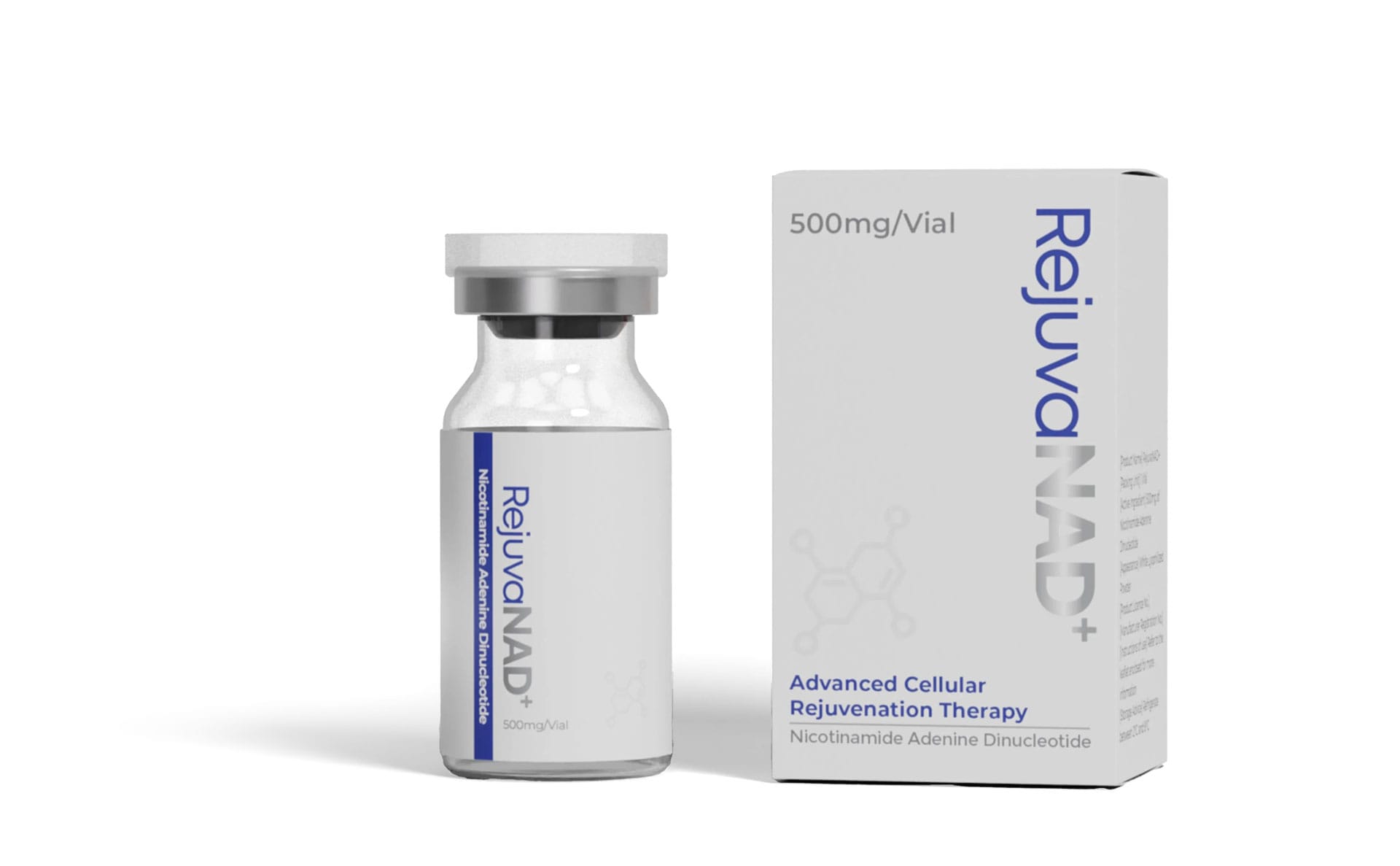
RejuvaNAD+ is a dietary supplement positioned as an NAD+ supplement for cellular energy support. This page helps clinic buyers review intended use statements, handling basics, and documentation steps under US distribution. For licensed clinics and healthcare professionals.
Product Overview and Indications – RejuvaNAD+
This product is marketed in the wellness category as a nicotinamide adenine dinucleotide supplement (NAD+, a coenzyme used in energy metabolism). Unlike prescription drugs, dietary supplements typically do not have FDA-approved indications to diagnose, treat, cure, or prevent disease. For clinic use, the most practical starting point is the on-pack Supplement Facts panel, ingredient list, and any manufacturer-provided substantiation for structure/function claims.
In practice settings, NAD-related supplements are commonly discussed in the context of “cellular energy” or “metabolic support,” which are plain-language ways to describe pathways involved in redox reactions and mitochondrial function. Clinical teams may also see patients using these products alongside nutrition and lifestyle programs. Documentation should reflect that the intended use comes from labeling and internal protocols, not from off-label therapeutic claims.
How NAD+ relates to cellular metabolism
NAD+ participates in oxidation–reduction (electron-transfer) reactions, which are core to ATP production. It also serves as a substrate for enzymes involved in DNA repair and cellular signaling. Because endogenous NAD+ levels can vary with age, diet, and physiologic stress, some patients seek “NAD boosters,” a consumer term that may refer to NAD+ itself or to precursors such as niacinamide, nicotinamide riboside (NR), or nicotinamide mononucleotide (NMN). Ingredient-specific counseling matters because safety considerations and expectations can differ by formulation and total daily intake.
Brand-name medical products are sourced through vetted distributor channels.
Eligibility and Ordering Requirements
RejuvaNAD+ is supplied through a clinic-only ordering model intended for licensed healthcare facilities and credentialed professionals. Accounts are generally expected to maintain an active professional license (or facility license), a verifiable shipping location, and standard purchasing documentation (e.g., W-9 and practice identifiers) consistent with wholesale medical supply requirements.
Operationally, clinics should keep a simple intake file that matches the purchasing account name to the licensed entity, plus a designated receiving contact for discrepancies. If a product is used in a treatment plan, internal policy should define who may recommend it, how counseling is documented, and how ingredient questions are escalated to a pharmacist or prescriber when applicable.
Quick tip: Keep license, tax, and receiving details in one shared compliance folder.
Forms, Strengths, and Packaging
RejuvaNAD+ presentation can vary by manufacturer release, and the specific format should be confirmed on the listing and the physical label at receiving. Clinics may encounter NAD+ products in dosage forms such as capsules, tablets, powder, liquid, or liposomal preparations; bioavailability (how much is absorbed) may differ across forms, but comparative claims should be verified from reliable sources before being communicated to patients.
For inventory control, receiving staff should record lot number, expiration date, and unit count per container, then reconcile against the packing slip. If the clinic dispenses supplements, packaging configuration (single units versus multi-packs) affects storage space and counseling workflows. Any changes in excipients, allergen statements, or serving size should trigger an internal label-review step before the item is placed into routine use.
Clinic account verification may be required before fulfillment.
Administration and Use in Practice
RejuvaNAD+ should be used according to the manufacturer’s label directions and the clinic’s governance around supplement recommendations. For most clinics, “administration” is primarily a counseling workflow: confirming the patient’s current medication list, reviewing ingredient sensitivities, and documenting the discussion in a consistent template. Staff should avoid translating marketing language into disease claims and should not suggest dose escalation beyond labeled instructions.
When a supplement is incorporated into a program, consider standardizing intake questions (timing with food, tolerance, and adherence barriers) and establishing a process for follow-up. If the clinic monitors labs for patients on broader wellness plans, any testing should be clinician-directed and tied to the patient’s overall health context rather than to a single product. For patients with complex conditions, referral back to the primary clinician can reduce fragmented decision-making.
Storage, Handling, and Clinic Logistics
RejuvaNAD+ storage should follow label instructions; in many supplement settings this means controlled room temperature, protection from excess heat, and limiting humidity exposure. Keep containers in their original packaging to preserve lot/expiry visibility and to ensure the Supplement Facts panel remains available for verification. Clinics that stage products for dispensing should use a first-expire/first-out rotation and document any temperature excursions when a storage issue is identified.
For clinics managing multiple wellness items, consider organizing supplement SKUs separately from prescription inventory and clearly labeling “patient sale/dispense” versus “in-clinic use.” To review other regulated items carried on the site, staff can browse the Pharmaceuticals Category hub for centralized navigation.
Why it matters: Clear lot tracking supports rapid response to quality concerns.
Supply is handled through verified distributors supplying brand-name medical goods.
Contraindications, Warnings, and Monitoring
Because dietary supplements can differ significantly by ingredient profile, contraindications (reasons not to use) should be assessed by reviewing the complete ingredient list rather than relying on the product name alone. Caution is commonly advised for pregnancy and lactation, pediatric use, and patients with significant hepatic or renal impairment, particularly when products contain vitamin B3 derivatives or other metabolically active compounds. Clinics should also screen for a history of hypersensitivity reactions to common excipients.
Monitoring practices vary by clinic scope and patient population. At minimum, staff should document baseline comorbidities, concurrent medications, and prior supplement adverse reactions. If a clinician chooses to monitor labs as part of a broader program, the rationale and thresholds should be protocol-driven. Any unexpected symptom cluster should be treated as a potential supplement-related intolerance until other causes are evaluated.
Adverse Effects and Safety
RejuvaNAD+ tolerability depends on the active form(s) and inactive ingredients. Reported effects with NAD-related products can include gastrointestinal upset (nausea, abdominal discomfort), headache, or sleep disruption, particularly when taken later in the day. If a formulation includes niacin or related compounds, flushing (warmth and redness) can occur in some individuals; counseling should note this possibility without implying expected frequency.
Clinics should treat serious reactions as time-sensitive: facial swelling, breathing difficulty, widespread rash, or severe dizziness warrant urgent evaluation. An adverse event (side-effect report) should be documented with product identifiers (lot/expiry), timing of use, and concurrent agents, then escalated through the clinic’s reporting pathway. When a supplement is dispensed, provide clear instructions to stop use and seek care if severe symptoms develop.
Drug Interactions and Cautions
Interaction risk depends on what the product contains (NAD+ itself versus precursors and added botanicals). If vitamin B3 derivatives are present, clinicians may consider the patient’s overall intake from multivitamins and fortified foods, especially in individuals on hepatically metabolized therapies. Broadly, patients taking anticoagulants/antiplatelet drugs, antihypertensives, diabetes medications, or statins should be advised to review supplement use with their clinician due to potential additive effects or overlapping adverse profiles.
A practical clinic safeguard is a brief medication reconciliation step for all supplement recommendations. Document the prescriber of record for complex patients, and avoid recommending simultaneous starts of multiple new supplements. This reduces attribution uncertainty if symptoms occur and helps maintain a cleaner monitoring signal.
Compare With Alternatives
RejuvaNAD+ is one option within the broader category of NAD-focused wellness products, and it is not a direct substitute for prescription therapies or in-clinic injectable procedures. A common alternative approach is the use of vitamin B3 forms (niacin or nicotinamide) to support pathways related to NAD metabolism, but these have distinct tolerability considerations and should be evaluated ingredient-by-ingredient. Another alternative category includes NR or NMN products; clinics should verify quality documentation and avoid overstating outcomes when discussing these options.
Some patients also compare oral “cellular support” products to aesthetic injectables or skin boosters; these categories serve different purposes and have different evidence and regulatory expectations. For context on injectable skin-hydration and regeneration approaches, clinic teams may reference resources such as Skin Booster Injections Guide, Profhilo Injections Hydration Elasticity, and Jalupro Vs Profhilo Guide. Related product modalities on the site include Rejuran HB Details and Plinest Details, which should be assessed separately under their own labeling and clinical protocols.
Availability and Substitutions
Availability may vary due to distributor stock changes, packaging updates, or manufacturing revisions. Clinics should treat any substitution—whether a different lot, a revised label, or a different NAD-related ingredient—as a new review step for allergens, excipients, and counseling points. If an item is being used in a standardized program, update internal materials when the Supplement Facts panel or serving size changes.
If a substitution is necessary, align it with the clinic’s governance: confirm equivalence based on ingredient identity and amounts, document the rationale, and communicate the change to staff responsible for counseling. For clinics offering aesthetics programs alongside wellness services, background context from Rejuran Skin Booster Guide, Nucleofill Treatment Overview, Croma Philart Eye Overview, and Belotero Balance Overview can help staff distinguish product categories during patient conversations.
Authoritative Sources
Regulatory context for supplements in the United States: FDA Dietary Supplements.
Background on vitamin B3 and related metabolism: NIH Office of Dietary Supplements: Niacin.
To place an account order, request temperature-controlled handling when required and tracked US delivery at checkout.
This content is for informational purposes only and is not a substitute for professional medical advice.
Frequently Asked Questions
What is NAD+ and why is it included in supplements?
NAD+ (nicotinamide adenine dinucleotide) is a coenzyme involved in cellular energy production and oxidation–reduction reactions. It also participates in signaling pathways and enzymatic processes related to cellular maintenance. Supplements marketed as “NAD boosters” may contain NAD+ itself or precursors such as niacinamide, NR, or NMN. Because these ingredients are not all interchangeable, clinics often focus on the specific Supplement Facts panel, total daily intake, and patient-specific risk factors rather than relying on the umbrella term “NAD+ support.”
How should patients take an NAD-related supplement in general?
Patients should follow the product label directions and avoid exceeding the labeled serving size unless a clinician advises otherwise. Tolerance can vary by formulation, so clinicians may recommend consistent timing and tracking symptoms for the first weeks of use. If the supplement causes sleep disruption, some patients report better tolerance earlier in the day, but any change should remain within labeled guidance. Patients with chronic conditions, pregnancy/lactation, or complex medication regimens should review supplement use with their healthcare professional before starting.
What side effects should be monitored with NAD-focused supplements?
Reported side effects can include gastrointestinal upset (nausea, abdominal discomfort), headache, or changes in sleep. Some formulations that include niacin or related ingredients may cause flushing (warmth and redness). Clinics should also monitor for allergy-type reactions such as rash, facial swelling, or breathing difficulty, which require urgent evaluation. Any new or worsening symptoms should be documented with timing, product identifiers (lot/expiry if available), and other concurrent agents to help determine whether the supplement may be contributing.
Can NAD+ supplements interact with prescription medicines?
Potential interactions depend on the exact ingredients and total daily intake, so the label and ingredient list matter. If the product includes vitamin B3 derivatives or other active compounds, clinicians may consider overlap with multivitamins and the patient’s medication profile. Patients taking anticoagulants/antiplatelets, antihypertensives, diabetes medicines, or statins should be especially cautious and discuss supplement use with their clinician. A practical approach is to avoid starting multiple new supplements at once, which reduces attribution uncertainty if symptoms occur.
What documentation and handling practices do clinics typically use for supplement purchasing?
Clinic-only suppliers commonly require account verification such as a professional or facility license and a verifiable practice address. On receipt, clinics often record lot number, expiration date, and unit counts, then store products per label instructions while maintaining traceability. If supplements are dispensed, many clinics use a standardized counseling note and an adverse-event documentation pathway. Requirements vary by jurisdiction and facility policy, so clinics should align purchasing, storage, and dispensing practices with local regulations and internal compliance procedures.
What should a patient ask their clinician before starting an NAD-related supplement?
Useful questions include: What is the specific ingredient (NAD+ vs a precursor), and how does it fit with current conditions and medications? Are there reasons to avoid it based on pregnancy/lactation, liver/kidney disease, or prior supplement reactions? What symptoms should prompt stopping the product and seeking care? Patients can also ask whether any monitoring is appropriate within their overall health plan and how to avoid duplicating ingredients already present in multivitamins or fortified products. This helps set realistic expectations and improves safety.
Specifications
- Main Ingredient:
- Manufacturer: Penmix Co., Ltd.
- Drug Class: Medical Device
- Generic Name: Nicotinamide adenine dinucleotide (NAD⁺)
- Package Contents: 500 mg x 1 Vial
- Storage Requirements: Room Temperature (2℃~25℃)
- Main Usage:
Here to help
Questions about ordering, delivery or products? You can email our team here or call now at 1-800-630-9757 and be connected with your dedicated Account Manager
Related Products
$116.00 - $119.00
$96.00
Select options
This product has multiple variants. The options may be chosen on the product page
$66.00
Select options
This product has multiple variants. The options may be chosen on the product page
$120.00 - $123.00
Related Articles
Topical Numbing Cream for Microneedling: Clinic Guide
Key Takeaways Match product to procedure: formulation, occlusion, and surface area change risk. Prioritize labeling…
Dysport Aftercare: Clinic Checklists for Safe Follow-Up
Key Takeaways Dysport aftercare is mainly about consistency: reduce avoidable bruising, limit mechanical pressure, and…
How Long Does It Take To See Results From Botox Timeline
Key Takeaways Onset varies: early change can appear in days. Peak assessment: many clinics reassess…
What Are The Layers Of The Epidermis: Clinician Guide
Key Takeaways Clinicians often ask, what are the layers of the epidermis, when reviewing barrier…
What Not To Do Before Botox: Clinic Pre-Treatment Checklist
Key Takeaways Screen for infection, neuromuscular history, and prior toxin exposure. Standardize medication and supplement…
How Long Does Filler Last Under Eyes: A Clinic-Focused Guide
Key Takeaways Duration varies: Product, anatomy, and placement factors interact. “Settling” is multifactorial: Edema, product…
Side Effects Xeomin: Clinical Monitoring and Patient Counseling
Key Takeaways When clinicians review side effects xeomin, the goal is consistent triage. Separate expected,…
Prx-T33 Peel Protocol Basics for Licensed Aesthetic Clinics
Key Takeaways Set expectations: align “before and after” language with realistic, variable outcomes. Screen carefully:…