

- You must be logged in to add items to the cart.
$79.00
You save (%)
Description
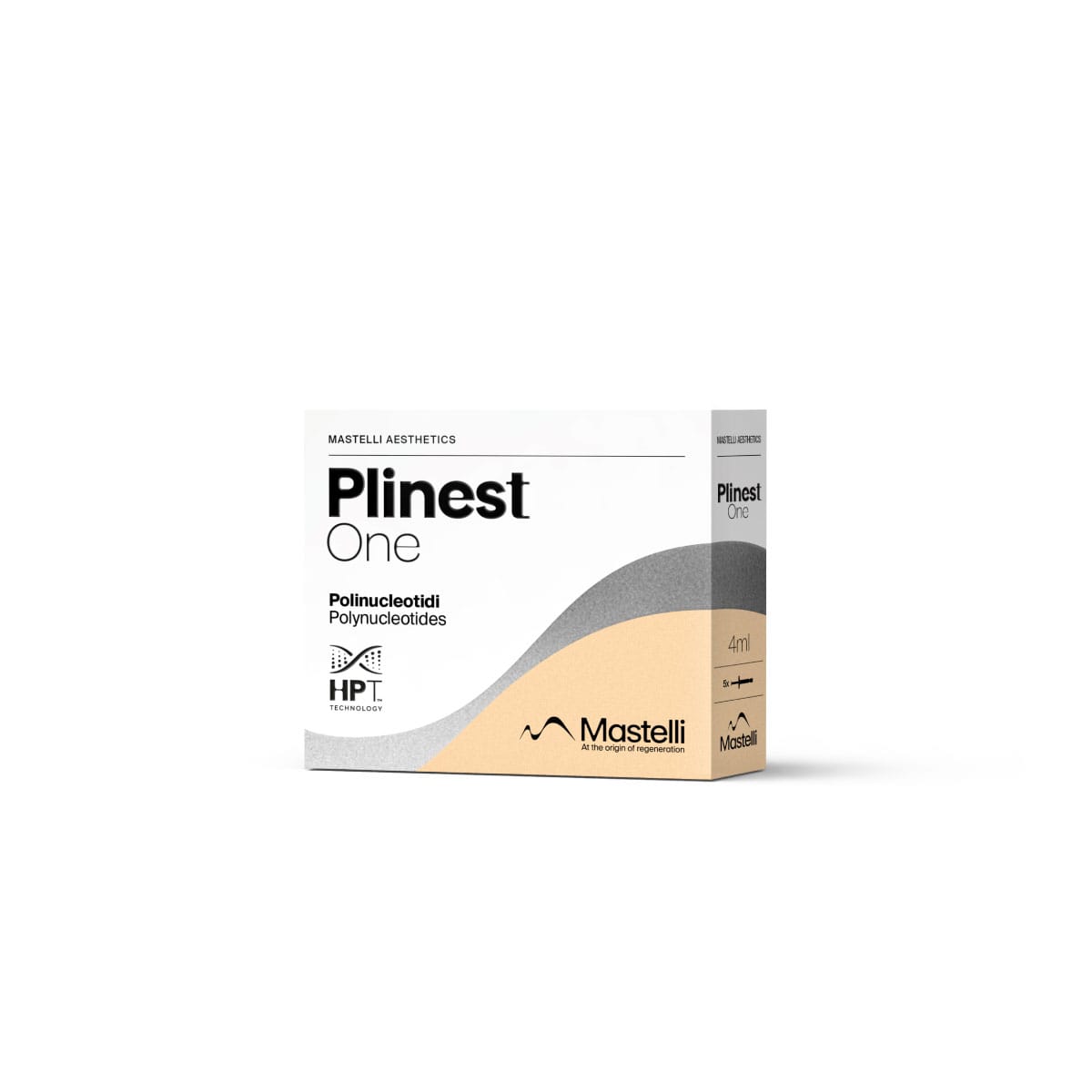
Plinest®One is a sterile polynucleotide injectable for intradermal use in professional aesthetic practice. Licensed clinics, med spas, and healthcare professionals can order Plinest One for clinic protocols that require 4 mL vials supplied in a five-vial carton. Each vial contains polydeoxyribonucleotide at 2 mg/mL, supporting treatment-room planning, lot documentation, and inventory allocation for skin-quality workflows.
The preparation is designed for trained professional administration, not retail self-use. It fits PN-based aesthetic programs that focus on dermal conditioning rather than volumizing correction. Med Wholesale Supplies provides US distribution to verified professional accounts, with product sourcing through vetted supply channels for licensed clinics.
Plinest®One 4 mL Vials, Strength, and Clinic Ordering
Plinest®One is supplied as 4 mL x 5 sterile vials. The concentration is 2 mg/mL polydeoxyribonucleotide, often abbreviated as PDRN. This format helps practices allocate a carton across scheduled sessions, treatment rooms, or practitioners while maintaining a clear record of lot and expiry information.
Current Plinest One price access is account-based. Sign in with a verified clinic account to view contract pricing, volume tiers, and reorder availability for the carton configuration. Pricing may vary by purchasing status and order size, so teams with recurring PN use should set reorder points around actual session volume rather than estimated demand alone.
Order records should align with your clinic’s internal purchasing controls. Staff can match vial use to appointment blocks, document the lot number in the clinical record, and reconcile remaining sealed stock at the end of the day. For broader PN and injectable skin-quality inventory, the skin boosters category can help teams review adjacent clinic-use products without changing the core Plinest®One protocol.
What Plinest®One Is Used For in Aesthetic Practice
Plinest®One is used in professional skin-quality protocols where the goal is dermal conditioning, hydration balance, elasticity support, and texture-focused rejuvenation. It is not a volumizing dermal filler. Clinics typically position polynucleotide treatments as regenerative or biostimulatory skinbooster sessions, with technique, anatomical site selection, and treatment cadence determined by the licensed professional.
Polynucleotides are purified DNA fragments used in aesthetic medicine to support native repair pathways. In practice, this class is commonly selected for micro-deposit intradermal techniques on areas where subtle quality improvements are prioritized. Common professional-use areas may include the face, neck, hands, and other sites selected under clinic protocol.
Because Plinest®One does not provide structural volume in the way hyaluronic acid fillers do, it can sit alongside device-based rejuvenation, microneedling, mesotherapy, and filler programs. Clinics often separate goals by session: filler for contour or support, energy devices for tightening or resurfacing, and PN injections for dermal conditioning. For clinical background on PN-based protocols, the article on dermal repair with Plinest injections provides additional practice context.
Active Ingredient and Mechanism
The active ingredient is polydeoxyribonucleotide at 2 mg/mL in a sterile aqueous vehicle. PDRN is a purified biological derivative used in professional aesthetic care. The preparation belongs to the broader polynucleotide category, a class selected for tissue-quality programs rather than immediate lifting or filling effects.
In clinical discussions, PDRN is often described as supporting the extracellular environment and cellular repair signaling. For purchasing and protocol planning, the practical distinction is straightforward: Plinest®One is a PN injectable intended for intradermal administration by trained professionals. It should be used according to the manufacturer’s instructions and your clinic’s clinical governance standards.
Clinics may use Plinest®One as a stand-alone PN session or as one part of a multimodal program. If your practice runs mesotherapy pathways, the mesotherapy category offers related professional-use context for injectable skin-rejuvenation workflows. Product choice should remain linked to patient assessment, clinician training, and documented consent.
Professional Applications and Treatment-Room Fit
Plinest®One can be integrated into intradermal micro-deposit protocols for texture-focused programs across selected treatment areas. Clinics may schedule it around microneedling, energy-based rejuvenation, platelet-rich plasma workflows, or hyaluronic acid skinbooster appointments when this sequencing fits local policy. Treatment timing should reflect skin condition, device recovery windows, and clinician preference.
The 4 mL vial format supports multi-spot professional techniques. Teams can prepare the treatment room with the selected syringes, needles, antiseptic, sharps handling, and post-procedure documentation before opening sterile stock. Once a vial is opened, handling should follow the manufacturer’s instructions and your clinic’s sterile-use policy.
Under-eye use is a common question in PN discussions, but product and area selection should be conservative and clinician-led. Plinest®One may be used in delicate areas only when the treating professional considers it appropriate for the patient and technique. Practices with periocular protocols may also review Plinest®Eye for area-specific planning within the Plinest range.
Key Features for Clinic Inventory
- Polynucleotide platform prepared for professional intradermal administration.
- 4 mL x 5 vial carton for scheduled treatment-room use.
- 2 mg/mL polydeoxyribonucleotide concentration.
- Sterile vials intended for trained healthcare professionals.
- Carton and vial labels support lot, expiry, and stock reconciliation.
- Useful for skin-quality protocols rather than volumizing filler correction.
- Compatible with broader aesthetic workflows when selected by the treating clinician.
Quick tip: Assign cartons by room, practitioner, or session block to simplify lot tracking and end-of-day reconciliation.
Storage, Handling, and Documentation
Follow the storage instructions printed on the carton and vial. Keep stock in its original packaging until use, protect sealed units from unnecessary handling, and separate expired or damaged items from active clinical inventory. If your clinic uses centralized stock control, record receipt dates, quantities, lot numbers, and expiry dates during intake.
Professional documentation should connect each administered vial to the patient record, anatomical site, session date, and treating clinician. This supports continuity across a series and helps maintain audit-ready records. For larger clinics, barcode scanning or a standard manual log can reduce discrepancies between front-desk scheduling, treatment-room use, and purchasing records.
Orders are supported with temperature-controlled handling when required and tracked US delivery. Delivery planning should account for staff availability, receiving procedures, and storage transfer on arrival. Avoid scheduling product-dependent sessions before your team has received and inspected the relevant stock.
Benefits in Practice
Plinest®One supports predictable clinic workflows because the carton contains five 4 mL vials in a consistent presentation. This can reduce mid-day stock changes and help teams allocate units to multi-area plans. Clear labeling also supports post-use reconciliation, especially in practices running multiple injectable rooms.
From a clinical-program perspective, the product helps separate treatment goals. PN sessions can be positioned for skin quality, while fillers can be reserved for contour, projection, or structural support. This separation may simplify consultation notes, consent language, and follow-up assessment because each session has a clearer treatment objective.
Practices that combine regenerative aesthetics with device or biologic procedures may also want to review platelet-rich plasma therapy for skin regeneration. That content can help teams compare how PN and PRP concepts are typically framed in professional rejuvenation programs.
Plinest®One Compared With Other Plinest Products
Plinest®One sits within a wider Mastelli Plinest portfolio. The right product depends on treatment area, skin quality goals, clinician technique, and the protocol used by your practice. Avoid choosing solely by name similarity; concentration, presentation, and intended use may differ across products.
Clinics comparing Plinest One vs Plinest often look at how each preparation fits their session design. Plinest® may be reviewed for broader PN complex planning, while Plinest®Fast may suit practices evaluating another product in the same brand family. For hair-focused protocols, Plinest®Hair is the more relevant related item to assess.
For a wider category view, practices can also consult the editorial discussion of mesotherapy injections in non-surgical rejuvenation. Use related products and clinical articles as decision support, not as substitutes for manufacturer instructions, training, or patient-specific assessment.
Safety, Contraindications, and Professional Precautions
Plinest®One should be administered only by trained, licensed professionals using appropriate aseptic technique. As with injectable aesthetic products, local injection-site reactions may occur. These can include redness, swelling, tenderness, bruising, or temporary discomfort. Clinics should discuss expected post-treatment responses and aftercare instructions through their usual consent process.
Patient suitability should be assessed before treatment. Aesthetic injectable protocols commonly require review of medical history, allergies, active skin infection, inflammatory skin conditions at the treatment site, immune status, pregnancy or breastfeeding considerations, anticoagulant use, and recent procedures. The treating professional should decide whether to proceed, delay, modify technique, or choose another modality.
Serious adverse reactions are uncommon but require prompt clinical attention. Clinics should have procedures for managing hypersensitivity, unexpected swelling, infection concerns, vasovagal reactions, and post-procedure complications. Maintain emergency supplies and escalation pathways consistent with your practice setting and professional requirements.
PN products are not substitutes for prescription dermatologic care when a patient has an active disease process. They are also not volumizing fillers and should not be represented as immediate contouring products. Accurate consultation language helps align expectations and reduces the risk of misunderstanding between skin-quality improvement and structural correction.
Ordering, Account Access, and Replenishment
Plinest®One is available for licensed medical organizations and verified healthcare professionals. Create or sign in to a professional account to view current carton pricing, place orders, and manage repeat purchasing. Credential review helps ensure that professional-use products are supplied to appropriate clinical settings.
For recurring use, set par levels based on booked PN sessions, typical vial use, and the clinic’s reorder lead time. Larger practices may assign ordering permissions to specific staff, consolidate monthly purchasing, and use itemized records for internal reconciliation. During high-demand periods, your account manager can help align order quantities with verified clinic demand.
When evaluating substitutes, confirm any change with the clinical team before scheduling patients. Equivalent category placement does not always mean identical handling, technique, or treatment objective. Documentation should clearly show which product was used and why a substitution was approved.
Authoritative Sources
This content is for informational purposes only and is not a substitute for professional medical advice.
Frequently Asked Questions
Who can order Plinest®One?
Plinest®One is intended for licensed clinics, med spas, aesthetic practices, and healthcare professionals with verified professional accounts. Account verification is required before pricing and ordering tools are available.
What is Plinest®One for?
Plinest®One is used in professional intradermal aesthetic protocols focused on skin quality, hydration balance, elasticity support, and texture-focused dermal conditioning. It is not a volumizing dermal filler.
What is the Plinest®One pack size and concentration?
The supplied carton contains five 4 mL sterile vials. Each vial contains polydeoxyribonucleotide at 2 mg/mL for professional intradermal use.
Can Plinest®One be used under the eyes?
Use in delicate areas should be determined by the treating professional, technique, and patient assessment. Clinics with periocular protocols may also evaluate Plinest®Eye for area-specific planning.
How does Plinest®One differ from Plinest®?
Both are in the Plinest polynucleotide family, but product selection depends on presentation, intended protocol, treatment area, and clinic workflow. Teams should follow manufacturer instructions and choose the product that matches the documented treatment plan.
How should clinics document Plinest®One use?
Clinics should record lot number, expiry, treatment date, anatomical site, quantity used, and the treating professional according to internal policy. This supports traceability across initial and maintenance sessions.
Does Plinest®One require special shipping or handling?
Clinics should follow the storage instructions on the carton and vial after receipt. Orders are handled with temperature control when required and tracked US delivery, with receiving procedures managed by the clinic.
Specifications
- Main Ingredient:
- Manufacturer: Mastelli
- Drug Class: Dermal Filler
- Generic Name: Polydeoxyribonucleotide
- Package Contents: 4 mL x 5 Vials
- Storage Requirements: Store at 2ºC to 25ºC
- Main Usage: Fine Lines
Here to help
Questions about ordering, delivery or products? You can email our team here or call now at 1-800-630-9757 and be connected with your dedicated Account Manager
Related Products
JALUPRO® PLUS 4ML
Skin Rejuvenation Treatment
$86.00 - $89.00
You save (%)
You save (%)
$339.00
You save (%)
You save (%)
Select options
This product has multiple variants. The options may be chosen on the product page
Juvéderm® SKINVIVE
Dermal Filler
$339.00 - $359.00
You save (%)
You save (%)
$86.00 - $119.00
You save (%)
You save (%)
Related Articles
Lip Fillers Swelling Stages: Timeline, Safety, and Follow-Up
Lip fillers swelling stages usually follow a short inflammatory course: swelling appears soon after injection,…
Hypopigmentation of the Skin: Assessment and Care
Hypopigmentation of the skin means one or more areas look lighter than the surrounding skin.…
Radiesse vs Sculptra: Selection Factors for Clinics
Radiesse vs Sculptra is best understood as a comparison between two collagen-stimulating injectables with different…
Hyaluronic Acid Under-Eye Filler: Safety and Workflow
Hyaluronic acid under-eye filler is an injectable soft-tissue filler used by trained aesthetic clinicians to…
Dermal Filler Types: Materials, Uses, and Clinic Fit
Dermal filler types are usually grouped by their base material, tissue behavior, and expected role…
What Is Dysport? Clinical Uses, Safety, and Workflow
For clinic teams asking what is Dysport, the short answer is simple: Dysport is a…
Biostimulators in Aesthetic Care: Selection and Safety
Biostimulators are injectable aesthetic products used to encourage a controlled tissue response, often involving new…
Do You Ovulate on an IUD? Clinic Counseling Points
Clinicians hear the shorthand question do you ovulate on iud, but the practical answer depends…