

- You must be logged in to add items to the cart.
Description
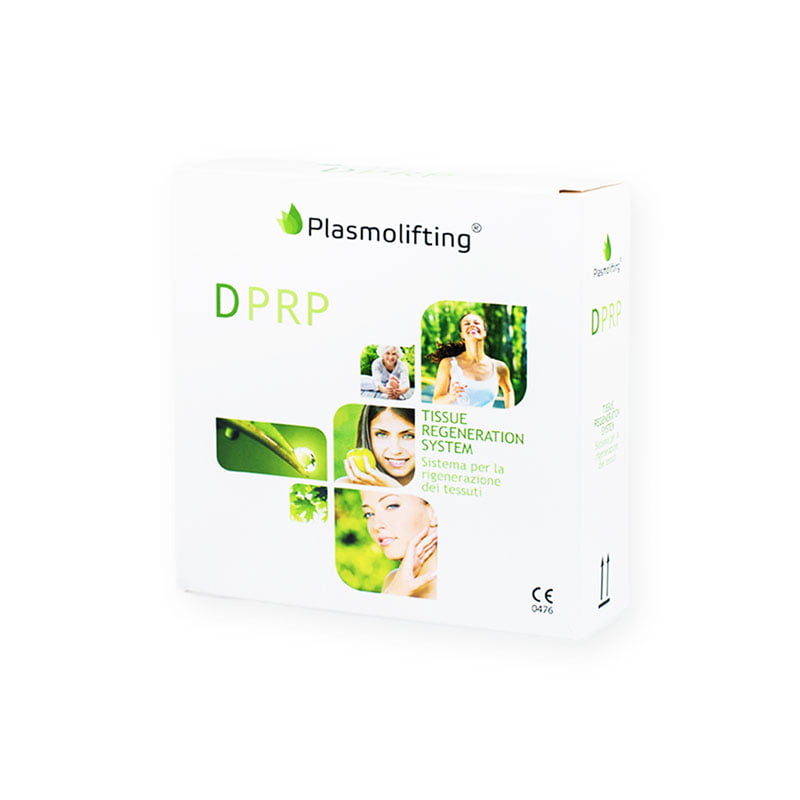
Plasmolifting™ PRP Gel is a sterile, single-use separator tube format used in professional platelet-rich plasma preparation workflows. Licensed clinics and healthcare professionals can order the 10 x 9 mL pack for treatment-room use when it fits their validated centrifuge protocol, sterile handling procedure, and blood-exposure controls. The practical decision is whether the tube volume, thixotropic gel separator, sodium citrate anticoagulant, and single-use format match the clinic’s documented PRP workflow.
Plasmolifting™ PRP Gel Price and Clinic Ordering
Plasmolifting PRP Gel price should be evaluated as a clinic supply cost, not as a patient treatment fee. The pack contains 10 tubes with 9 mL volume per tube, so procurement teams can estimate per-procedure tube usage against staff training, inventory rotation, and protocol requirements. Current cost may vary by account terms, available lots, and purchasing quantity.
This professional medical supply is intended for licensed clinics, med spas, aesthetic practices, and healthcare professionals that already maintain venipuncture procedures, centrifuge controls, biohazard disposal, and staff competency records. We may review account and order details to support appropriate professional-use purchasing. Brand-name medical products are sourced through vetted distributors and verified supply channels for clinic procurement.
Before adding Plasmolifting PRP Gel tubes to procedure inventory, the clinical lead should confirm that the tube configuration matches the clinic’s centrifuge settings, blood draw volume, labeling process, and post-spin plasma handling. For broader professional purchasing context, the medical supply procurement guide explains documentation considerations that can affect wholesale ordering.
Why it matters: PRP preparation quality depends on the tube system and the clinic’s validated handling protocol.
Product Format, Pack Size, and Intended Professional Use
Plasmolifting™ PRP Gel is supplied as sterile PRP gel tubes for preparing autologous platelet-rich plasma, meaning plasma derived from the same patient’s blood. Each tube includes a thixotropic separating gel. Thixotropic gel changes flow behavior under centrifugal force and then helps form a barrier between plasma and cellular blood components after spinning.
The product is not a dermal filler, injectable drug, or independent treatment. It is a blood collection and separation device used within a larger PRP preparation workflow. PRP refers to platelet-rich plasma itself, while PRP gel tubes refer to the collection tube format that includes a gel separator to support fraction isolation. That distinction helps clinics document supplies accurately and avoid describing the tube as the therapeutic material.
Clinics may incorporate professional PRP gel tubes into aesthetic, dermatology, hair restoration, dental, and orthopedic workflows when their protocols and local professional standards allow. In aesthetic medicine, PRP prepared through gel-tube systems may be used with injection-based or microneedling protocols. In hair workflows, it is usually discussed as a regenerative support procedure rather than a guaranteed regrowth intervention. For clinical background on skin-focused PRP use, see PRP therapy for skin regeneration.
| Attribute | Clinic-relevant detail |
|---|---|
| Pack size | 10 tubes per pack |
| Tube volume | 9 mL per tube |
| Tube type | Borosilicate medical glass collection tube |
| Separator | Sterile thixotropic gel barrier |
| Anticoagulant | Sodium citrate-based solution |
| Use status | Single use only |
How the Tube Fits a PRP Preparation Workflow
Use should follow the manufacturer’s instructions for use and the clinic’s approved blood collection protocol. At a high level, trained staff collect venous blood into the tube, mix as instructed if required, load balanced tubes into a compatible centrifuge, and isolate the desired plasma fraction after the spin cycle. Centrifugation separates blood components by density through controlled spinning.
The tube supports preparation, but it does not determine injection volume, injection plane, treatment interval, patient selection, or expected clinical response. Those decisions belong to qualified clinicians working within their professional scope. Facility documentation should identify the tube lot, expiry, operator, centrifuge program, treatment date, and disposition of unused autologous material.
Plasmolifting PRP tubes should be assessed alongside the clinic’s existing blood draw supplies, transfer process, sharps containers, and treatment-room layout. The tube must remain sterile until preparation begins, and the workflow should reduce unnecessary handling between blood collection, centrifugation, and PRP use. Clinics that also source sterile procedure accessories can browse the medical devices category for adjacent instrument and device planning.
Quick tip: Keep tube loading, balancing, labeling, and post-spin handling consistent across trained operators.
PRP, Plasma Gel, and Plasmolifting Benefits
The difference between PRP and plasma gel matters for procurement and patient communication. PRP is platelet-rich plasma, a blood-derived preparation that contains platelets and plasma proteins. Plasma gel usually refers to a processed plasma-based gel or gel-like material, while PRP gel tubes are collection tubes with a gel separator that helps isolate the plasma fraction. The tube’s gel barrier is not the same as claiming the final preparation is a filler.
Plasmolifting benefits should be described cautiously and in line with the clinic’s consent materials. PRP may support tissue-repair signaling in selected protocols because platelets release growth factors involved in wound healing biology. Response varies by indication, patient factors, preparation method, technique, and follow-up care. Clinics should avoid presenting PRP as a guaranteed solution for skin rejuvenation, hair density, pain, gum health, or other outcomes.
Questions such as how long plasma gel filler lasts are treatment-specific and cannot be answered by the tube pack alone. Duration depends on the prepared material, processing method, placement technique, treatment area, patient biology, and the clinic’s protocol. For Plasmolifting™ PRP Gel procurement, the more useful question is whether the tube supports a reproducible preparation method for the service your clinic already provides.
Storage, Handling, and US Logistics
Store unopened tubes at room temperature in a dry, shaded location away from heat sources and direct sunlight. Keep tubes in their protective packaging until preparation begins. Do not use a tube if the sterile barrier is open, the package is damaged, the stopper is compromised, the glass is cracked, contamination is suspected, or the labeled expiry has passed.
Inventory teams should rotate lots by expiry and maintain records that connect the device lot to the patient procedure record when facility policy requires it. Multisite practices should standardize storage areas, labeling conventions, quarantine decisions, and return-to-stock rules for unopened packs. Consistent inventory controls help prevent expired, damaged, or mismatched supplies from reaching the treatment room.
Blood collection devices require gloves and other protective measures described in the facility’s exposure-control plan. Used tubes and contaminated materials should move through approved sharps and biohazard disposal pathways. Centrifuge buckets should be balanced, inspected, and cleaned according to equipment instructions before and after use. Clinic logistics can include temperature-controlled handling when required and tracked US delivery.
Contraindications, Warnings, and Monitoring
The tube should not be used when sterility is compromised, when the device is damaged, when the expiry date has passed, or when handling would fall outside the manufacturer’s stated conditions. Clinics should not substitute a different tube type by appearance or volume alone. Anticoagulant ratio, separator gel behavior, closure integrity, tube material, and validated spin conditions can all affect the preparation.
Patient-level suitability for PRP procedures is separate from device suitability. Clinicians commonly assess active infection, treatment-site inflammation, bleeding risk, anticoagulant or antiplatelet therapy, anemia, platelet disorders, immune status, pregnancy-related considerations when relevant, and the patient’s overall medical history before proceeding. This supply information does not define contraindications for any specific PRP treatment plan.
Monitoring during preparation should include tube integrity, sample appearance, proper phase separation, unexpected clotting, and visible hemolysis. Hemolysis means red blood cell breakdown and may affect sample quality. Any unexpected device performance should be documented under facility quality procedures and escalated through the appropriate reporting channel.
Adverse Effects and Blood-Handling Safety
The tube itself is not injected into the patient. Safety considerations mainly relate to venipuncture, blood handling, centrifugation, transfer steps, and the subsequent PRP procedure. Common local responses reported in PRP workflows can include temporary tenderness, redness, swelling, itching, bruising, or minor bleeding at the collection or treatment site.
Less common but clinically important events can include infection, vasovagal reaction during blood draw, prolonged bleeding, nerve irritation, worsening pain after an injection-based procedure, or an inflammatory flare. Serious complications are uncommon in well-controlled settings, but any concerning symptom requires prompt clinical assessment by the treating professional.
This device does not have drug interactions in the same way as a systemic medicine. However, the tube contains sodium citrate anticoagulant, and the patient’s medication history can still matter for the procedure. Anticoagulants, antiplatelet medicines, some anti-inflammatory drugs, and supplements that affect bleeding should be reviewed by the treating clinician. No medication should be stopped or adjusted based on supply information.
Comparing PRP Gel Tubes With Related Supply Choices
PRP tubes for clinics are not interchangeable simply because they collect blood. Separator gel, anticoagulant type, tube material, sterility status, validated spin conditions, and target plasma fraction can all influence the workflow. A clinic comparing wholesale PRP gel tubes should document why a specific tube format fits the established protocol.
- Gel separator PRP tubes help create a barrier between plasma and cellular components after centrifugation.
- Non-gel PRP tubes may suit protocols that rely on manual fraction selection without a separator barrier.
- PRF tubes support fibrin-focused workflows and may use different clotting behavior.
- Closed PRP systems may include proprietary collection, processing, or transfer components.
Plasmolifting gel tubes may also be evaluated alongside broader Plasmolifting supplies when a practice standardizes a PRP service line. The Plasmolifting brand category can help procurement teams review related brand inventory when available. Any substitution should be approved by the clinical lead and reflected in staff training, consent references, labeling, and procedure documentation.
Availability, Substitutions, and Inventory Planning
Clinics can order Plasmolifting™ PRP Gel for professional use and view current account pricing during purchasing. Because this is a sterile, single-use device format, procurement planning should consider procedure volume, expiry rotation, staff training schedules, and minimum stock levels for predictable clinic operations.
If a substitute is considered, selection should not be based only on tube size or visual similarity. A suitable alternative should align with the protocol’s anticoagulant requirements, separator method, sterility standard, centrifuge assumptions, labeling needs, and post-spin handling process. Multisite groups should avoid adopting substitute tubes until staff instructions and documentation templates are updated across locations.
Keep a clear chain between procurement, storage, preparation, and procedure notes. Lot tracking, expiry review, operator identification, centrifuge settings, and sample disposition records support internal quality control. Those details also help the clinic investigate preparation issues, supply complaints, or variation in PRP output.
Authoritative Sources
Product-specific use should follow the manufacturer’s instructions for use and facility-approved protocols. The following sources provide general clinical and occupational safety context for platelet-rich plasma preparation and blood handling.
- For general PRP preparation background, see NCBI Bookshelf Platelet-Rich Plasma.
- For standard precautions in blood handling, review CDC Standard Precautions.
- For occupational exposure requirements, see OSHA Bloodborne Pathogens.
This content is for informational purposes only and is not a substitute for professional medical advice.
Frequently Asked Questions
What is Plasmolifting™ PRP Gel used for in clinics?
Plasmolifting™ PRP Gel is used as a sterile blood collection and separation tube within professional platelet-rich plasma preparation workflows. It helps separate plasma from cellular blood components during centrifugation but does not determine the patient’s treatment plan or clinical outcome.
What comes in the Plasmolifting™ PRP Gel pack?
The listed pack contains 10 sterile single-use tubes, each with a 9 mL volume. The tubes are described as borosilicate medical glass collection tubes with a thixotropic gel separator and sodium citrate-based anticoagulant.
What is the difference between PRP and PRP gel tubes?
PRP is platelet-rich plasma prepared from a patient’s blood. PRP gel tubes are the device format used to collect and separate the sample; the gel separator helps create a barrier after centrifugation so the clinic can isolate the intended plasma fraction.
How should clinics store Plasmolifting™ PRP Gel tubes?
Store unopened tubes at room temperature in a dry, shaded place away from heat and direct sunlight. Do not use tubes with damaged packaging, compromised sterility, cracked glass, damaged stoppers, visible contamination, or expired labeling.
Can clinics substitute another PRP tube for Plasmolifting™ PRP Gel?
Substitution should be approved by the clinical lead before use. Tube volume alone is not enough; anticoagulant type, gel behavior, sterility, tube material, closure integrity, and validated centrifuge settings can all affect the workflow.
What safety precautions matter most with PRP gel tubes?
Use trained staff, aseptic technique, balanced centrifuge loading, gloves, sharps controls, and biohazard disposal. Facilities should document lot number, expiry, operator, centrifuge program, and any unexpected clotting, hemolysis, or tube performance issue.
Specifications
- Main Ingredient: Sodium Citrate
- Manufacturer: INDUSTRIE BIOMEDICHE
- Drug Class:
- Generic Name:
- Package Contents: 9 mL x 10 Tubes
- Storage Requirements: Room Temperature (2℃~25℃)
- Main Usage:
About the Brand
PLASMOLIFTING™
Revitalize Your Skin Naturally with PLASMOLIFTING Unveil a younger, fresher you with PLASMOLIFTING—an innovative, non-surgical treatment that utilizes the regenerative power of your blood to rejuvenate your skin. This advanced therapy is designed to stimulate collagen production, enhance skin elasticity, and promote overall skin health, giving you a naturally radiant and youthful appearance. Categories of PLASMOLIFTING PLASMOLIFTING Gel: Ideal for facial rejuvenation, this category includes PRP-based gels that work wonders on wrinkles, fine lines, and overall skin texture. The gel acts as a natural filler, smoothing out imperfections and restoring volume to areas like the cheeks, under eyes, and nasolabial folds. PLASMOLIFTING Hair Therapy: Target hair loss and thinning with specialized PRP treatments designed to stimulate hair follicles, promote growth, and improve scalp health. This category is perfect for those looking to enhance hair density and reduce hair shedding. PLASMOLIFTING Scar and Stretch Mark Treatment: Say goodbye to scars and stretch marks with PRP treatments that accelerate skin repair and regeneration. This category focuses on improving skin tone and texture, reducing the visibility of scars, and enhancing the overall appearance of the skin. PLASMOLIFTING Body Treatments: Rejuvenate and tighten skin on the body with PLASMOLIFTING solutions that focus on areas like the neck, décolleté, hands, and abdomen. These treatments help to reduce sagging, improve skin elasticity, and restore a youthful glow to your skin. Why shop with us? Trusted Quality: We offer only the highest-quality PLASMOLIFTING products, ensuring you receive effective and safe treatments. Our products are sourced from reputable manufacturers and undergo rigorous testing to meet the highest standards. Expert Guidance: Our team of professionals is here to help you choose the right plastering products for your specific needs. Whether you’re a skincare enthusiast or a medical professional, we provide expert advice to ensure optimal results. Comprehensive Selection: With a wide range of PLASMOLIFTING categories available, we cater to all your aesthetic and medical needs. From facial rejuvenation to hair restoration, we have the right solutions for you. Exceptional Customer Service: We are dedicated to providing you with a seamless shopping experience. Our customer service team is always ready to help you with any inquiries, ensuring your satisfaction from start to finish. Competitive Pricing: We believe in offering the best value for your investment. Our plastering products are competitively priced, giving you access to top-tier treatments without breaking the bank. Fast and Secure Shipping: Receive your PLASMOLIFTING products quickly and securely, with shipping options that suit your needs. We ensure that your orders arrive safely, so you can start your rejuvenation journey without delay. Transform Your Skin with PLASMOLIFTING Discover the natural way to rejuvenate and restore your skin’s youthful glow. With PLASMOLIFTING, you can achieve remarkable results that look and feel completely natural. Shop with us today and take the first step towards radiant, revitalized skin!
Browse PLASMOLIFTING™ Products
Here to help
Questions about ordering, delivery or products? You can email our team here or call now at 1-800-630-9757 and be connected with your dedicated Account Manager
Related Products
JALUPRO® PLUS 4ML
Skin Rejuvenation Treatment
$86.00 - $89.00
You save (%)
You save (%)
$339.00
You save (%)
You save (%)
Select options
This product has multiple variants. The options may be chosen on the product page
Juvéderm® SKINVIVE
Dermal Filler
$339.00 - $359.00
You save (%)
You save (%)
$86.00 - $119.00
You save (%)
You save (%)
Related Articles
Prednisone in Clinical Care: Uses, Risks, and Monitoring
Prednisone is a prescription systemic corticosteroid used to reduce inflammation or suppress immune activity in…
Lip Fillers Swelling Stages: Timeline, Safety, and Follow-Up
Lip fillers swelling stages usually follow a short inflammatory course: swelling appears soon after injection,…
Hypopigmentation of the Skin: Assessment and Care
Hypopigmentation of the skin means one or more areas look lighter than the surrounding skin.…
Radiesse vs Sculptra: Selection Factors for Clinics
Radiesse vs Sculptra is best understood as a comparison between two collagen-stimulating injectables with different…
Hyaluronic Acid Under-Eye Filler: Safety and Workflow
Hyaluronic acid under-eye filler is an injectable soft-tissue filler used by trained aesthetic clinicians to…
Dermal Filler Types: Materials, Uses, and Clinic Fit
Dermal filler types are usually grouped by their base material, tissue behavior, and expected role…
What Is Dysport? Clinical Uses, Safety, and Workflow
For clinic teams asking what is Dysport, the short answer is simple: Dysport is a…
Biostimulators in Aesthetic Care: Selection and Safety
Biostimulators are injectable aesthetic products used to encourage a controlled tissue response, often involving new…