

- You must be logged in to add items to the cart.
$299.00
You save (%)
Description
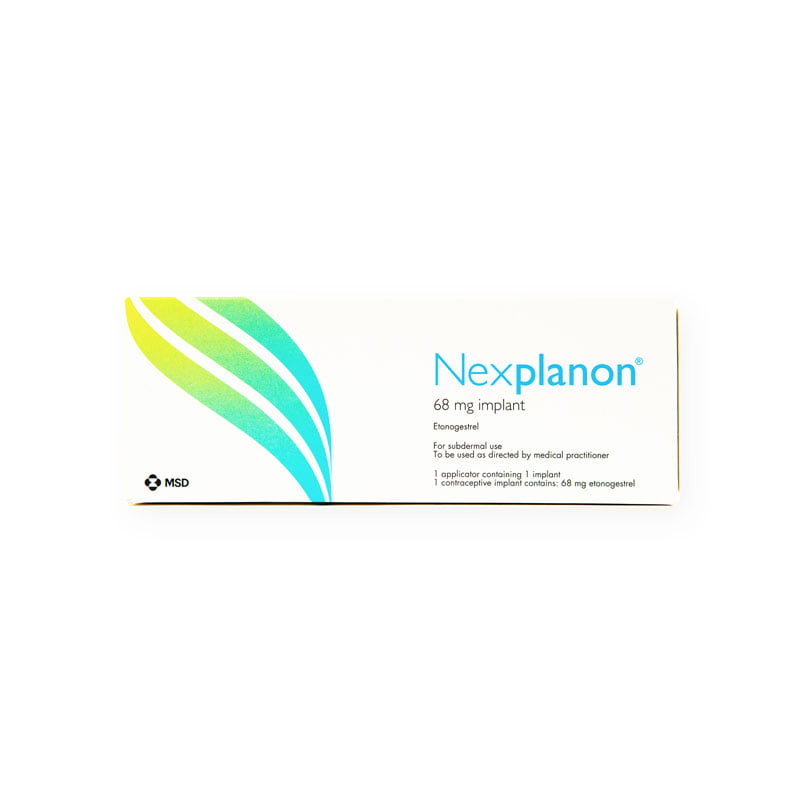
Nexplanon® is a single-rod etonogestrel contraceptive implant supplied for professional use in licensed clinical settings. Clinics can order the Nexplanon 68 mg implant as a sterile, preloaded applicator for subdermal placement by trained healthcare personnel. The format supports documented insertion, removal, and replacement workflows within women’s health, gynecology, and family planning services.
Med Wholesale Supplies serves licensed clinics and healthcare professionals with authentic, brand-name medical products sourced through vetted distributors. Nexplanon is used as long-acting reversible contraception, with placement beneath the skin of the upper arm according to manufacturer instructions, training requirements, aseptic technique, and clinic protocol.
Nexplanon Price, Strength, and Ordering Details
Sign in to view current Nexplanon price information and any contract or volume tiers available for your professional account. The supplied configuration is an etonogestrel implant 68 mg in a sterile, single-use, preloaded applicator, with one implant intended for one insertion procedure. Lot and expiration information on the carton and device labeling support receiving checks, inventory traceability, and procedure documentation.
Clinics planning routine implant days can align purchasing with scheduled consultations, same-day procedures when appropriate, and replacement visits. Maintain device counts against booked procedure volume, anticipated removals, and provider capacity. For broader formulary planning, the Contraceptives category can help teams review adjacent methods used in family planning programs.
Quick tip: Match each unit to a scheduled procedure only after confirming the patient record, consent workflow, device label, lot, expiration date, and room setup requirements.
Clinic Use and Professional Workflow
The Nexplanon implant is a small, thin, flexible rod designed for subdermal insertion in the upper arm. It contains etonogestrel, a synthetic progestin, released after placement. In practice, the device fits clinic pathways that combine counseling, medical history review, procedure consent, sterile field preparation, insertion, patient instructions, and follow-up planning in one documented encounter.
Trained staff should follow the manufacturer’s insertion and removal instructions. Competency-based training is important because placement depth, anatomical site selection, palpation after insertion, and documentation affect future localization and removal. Clinics often standardize trays, gloves, skin preparation, dressings, sharps handling, and post-procedure observation steps so multiple clinicians can work from the same protocol.
Nexplanon can be incorporated into Gynecology services, contraception counseling, postpartum planning when clinically appropriate, and replacement schedules. Teams may also use patient education content such as Nexplanon implant clinical education to support internal training materials and counseling consistency.
How the Etonogestrel Implant Works
Nexplanon is a progestin-only, long-acting reversible contraceptive. Etonogestrel helps prevent pregnancy primarily by suppressing ovulation, while also affecting cervical mucus and the endometrium. The implant is placed under the skin rather than taken daily, so it can reduce adherence burden compared with short-interval methods that require frequent patient action.
The device must be inserted and removed by trained healthcare professionals. Timing of insertion matters because contraceptive coverage may depend on menstrual cycle timing, recent contraceptive use, postpartum status, abortion or miscarriage timing, and whether pregnancy can be reasonably excluded. Clinics should apply their own protocol and the current manufacturer labeling when counseling on backup contraception and the commonly discussed seven-day interval after certain insertion scenarios.
For operational planning, Nexplanon supports scheduled long-acting contraception services with a defined device count, clear procedure documentation, and predictable follow-up milestones. Removal and replacement should be tracked so patients are recalled before the end of the labeled duration of use.
Key Features for Inventory and Procedure Rooms
- Single-rod contraceptive implant containing etonogestrel.
- Strength: 68 mg per implant.
- Supplied in a sterile, preloaded, single-use applicator.
- Designed for subdermal placement in the upper arm by trained personnel.
- One implant and applicator support one procedure.
- Carton and device labeling provide lot and expiration details.
- Professional-use format supports standardized insertion, removal, and replacement workflows.
The device should remain sealed until the procedure. Store and handle it according to the manufacturer’s labeling and your facility’s medication and device policies. We support temperature-controlled handling when required and tracked US delivery for professional accounts.
Packaging, Traceability, and Documentation
Each unit is supplied as a Nexplanon 68 mg implant in its applicator. Clinic teams should record the product name, active ingredient, strength, lot number, expiration date, insertion date, anatomical location, clinician, and any follow-up instructions required by internal policy. These details help with inventory reconciliation, future removal planning, and quality review.
Product identifier for clinic reference: SKU 82298. The applicator is single-use and should be discarded after the procedure according to applicable sharps, device, and biohazard policies. Do not use a unit if packaging integrity is compromised or if the device is outside the labeled use window.
Inventory controls are especially useful for high-volume contraceptive clinics. Assign stock to procedure rooms only when needed, rotate by expiration date, and separate quarantined or return-pending items from usable stock. Many practices also template Nexplanon insertion notes, removal notes, and replacement notes to reduce documentation variation.
Safety, Side Effects, and Clinical Precautions
Nexplanon side effects commonly discussed in counseling include changes in menstrual bleeding patterns, headache, weight change, acne, breast tenderness, abdominal discomfort, and mood changes. Irregular, prolonged, frequent, or absent bleeding can occur and may affect follow-up calls or visit scheduling. Clinicians should counsel patients before insertion and document expected bleeding changes as part of informed consent.
Serious but uncommon risks described in professional labeling include thromboembolic events, stroke, myocardial infarction, liver tumors, ectopic pregnancy, insertion or removal complications, migration, and difficulty localizing the implant. Nexplanon is not appropriate for all patients. Contraindications and precautions in the current labeling should be reviewed before insertion, including pregnancy status, unexplained vaginal bleeding, liver disease, current or past breast cancer, hypersensitivity, and clinically relevant risk factors.
Medication interactions can reduce contraceptive effectiveness. Enzyme-inducing drugs and herbal products may affect hormonal contraceptive exposure, so clinics should screen current medications and update the record at follow-up visits. If pregnancy is suspected, or if a patient reports severe lower abdominal pain, signs of thrombosis, neurologic symptoms, severe insertion-site symptoms, or inability to palpate the implant, clinical evaluation should not be delayed.
For staff education on later bleeding concerns, irregular bleeding after two years provides a focused clinical review. For replacement timing conversations, implant replacement review points can help teams structure follow-up questions without replacing the official label.
Insertion, Removal, and Replacement Planning
Nexplanon insertion requires training, sterile technique, correct site selection, and immediate confirmation that the implant is palpable after placement. Removal also requires trained technique, appropriate instruments, and documentation of whether the implant was removed intact. Clinics should have an escalation pathway for non-palpable implants, deeply placed devices, suspected migration, or difficult removals.
Replacing Nexplanon can be planned as a coordinated removal and insertion visit when clinically appropriate. Staff can prepare consent materials, device verification steps, sterile supplies, local procedure documentation, and patient aftercare instructions before the visit. Recall systems should track insertion dates and expected removal or replacement windows.
Procedure managers may also review adjacent long-acting or clinic-administered contraceptive supplies. Examples include Depo-Provera 150 mg prefilled syringe and the SMB TCu 380A with Safeload, depending on the services offered by the clinic and clinician preference.
Comparable Contraceptive Choices
Nexplanon is one option within long-acting reversible contraception. Clinics may offer it alongside injectables, intrauterine devices, oral contraceptives, emergency contraception protocols, and barrier-method counseling. The best method for an individual patient depends on clinical history, preferences, contraindications, timing, and follow-up needs.
Compared with short-interval methods, an implant can reduce refill logistics and daily adherence demands. Compared with an intrauterine device, the placement site, procedure workflow, counseling points, and removal technique differ. Compared with injectable contraception, Nexplanon uses a device placement model rather than repeat injection visits. These distinctions help clinics build balanced counseling scripts and maintain the right stock mix.
Brand-specific browsing is available through the Nexplanon brand category. For clinics expanding contraceptive services, keep procedure training, room setup, instrument needs, inventory rotation, and adverse-event escalation pathways aligned across all methods.
Authoritative Sources
Official professional product information – manufacturer professional information, training, efficacy, and safety materials for Nexplanon.
Manufacturer patient and safety information – official Nexplanon information, including use, risks, and patient counseling topics.
This content is for informational purposes only and is not a substitute for professional medical advice.
Frequently Asked Questions
Who can order Nexplanon® through Med Wholesale Supplies?
Nexplanon® is offered for licensed clinics and healthcare professionals using professional ordering workflows. Account verification and clinic documentation may apply before purchase access or contract pricing is displayed.
What comes with each Nexplanon® unit?
Each unit is supplied as one etonogestrel implant 68 mg in a sterile, preloaded, single-use applicator. The carton and device labeling include lot and expiration information for inventory traceability.
Does Nexplanon® require trained insertion and removal?
Yes. Nexplanon® should be inserted and removed only by trained healthcare professionals following manufacturer instructions, aseptic technique, and clinic protocol. Training is important for correct placement, palpation, localization, and removal planning.
What are common downsides or side effects clinics should counsel on?
Common counseling points include irregular bleeding, headache, weight change, acne, breast tenderness, abdominal discomfort, and mood changes. Serious risks are uncommon but can include thromboembolic events, ectopic pregnancy, liver tumors, migration, and insertion or removal complications. Review current labeling before use.
How should clinics plan Nexplanon® replacement inventory?
Track insertion dates, expected removal or replacement windows, booked procedure volume, and available trained clinicians. Record lot and expiration details at insertion, rotate stock by expiry, and keep replacement units aligned with scheduled clinic sessions.
Specifications
- Main Ingredient: Etonogestrel
- Manufacturer: Merck & Co., Inc.
- Drug Class: Progestin-Only Contraceptive
- Generic Name: Etonogestrel Implant
- Package Contents: 68 mg - 1 Implant
- Storage Requirements: Room Temperature (2℃~25℃)
- Main Usage:
About the Brand
Nexplanon
At medwholesalesupplies.com, we take pride in providing affordable Nexplanon, a renowned and reliable contraceptive implant. Nexplanon serves as an ideal long-term solution to prevent unwanted pregnancies, with its subtle insertion under the skin of the arm to regulate hormones and prevent ovulation. Its popularity stems from its high effectiveness and ease of use, appealing to a wide range of women. Choosing to buy Nexplanon from medwholesalesupplies.com invites numerous benefits, one of which is significant cost savings. Our customers are treated to competitive pricing, with visibly marked down prices compared to traditional retail outlets. This proves particularly beneficial for healthcare professionals prescribing Nexplanon on a regular basis, as bulk purchases at reduced costs become feasible. Rest assured, we only deal in legitimate Nexplanon products, ensuring the best in quality and safety for all our customers. What sets us apart when buying Nexplanon from medwholesalesupplies.com is the ease and simplicity of the purchasing procedure. Within a few clicks, customers can specify the number of Nexplanon implants required and they're instantly prepared for home delivery. This cuts out the need for visiting a pharmacy or a medical supply store, effectively saving valuable time and energy. We also have comprehensive product details and customer service readily available, guaranteeing a well-informed and supported customer experience throughout the purchasing process.
Browse Nexplanon Products
Here to help
Questions about ordering, delivery or products? You can email our team here or call now at 1-800-630-9757 and be connected with your dedicated Account Manager
Related Products
JALUPRO® PLUS 4ML
Skin Rejuvenation Treatment
$86.00 - $89.00
You save (%)
You save (%)
$339.00
You save (%)
You save (%)
Select options
This product has multiple variants. The options may be chosen on the product page
Juvéderm® SKINVIVE
Dermal Filler
$339.00 - $359.00
You save (%)
You save (%)
$86.00 - $119.00
You save (%)
You save (%)
Related Articles
Prednisone in Clinical Care: Uses, Risks, and Monitoring
Prednisone is a prescription systemic corticosteroid used to reduce inflammation or suppress immune activity in…
Lip Fillers Swelling Stages: Timeline, Safety, and Follow-Up
Lip fillers swelling stages usually follow a short inflammatory course: swelling appears soon after injection,…
Hypopigmentation of the Skin: Assessment and Care
Hypopigmentation of the skin means one or more areas look lighter than the surrounding skin.…
Radiesse vs Sculptra: Selection Factors for Clinics
Radiesse vs Sculptra is best understood as a comparison between two collagen-stimulating injectables with different…
Hyaluronic Acid Under-Eye Filler: Safety and Workflow
Hyaluronic acid under-eye filler is an injectable soft-tissue filler used by trained aesthetic clinicians to…
Dermal Filler Types: Materials, Uses, and Clinic Fit
Dermal filler types are usually grouped by their base material, tissue behavior, and expected role…
What Is Dysport? Clinical Uses, Safety, and Workflow
For clinic teams asking what is Dysport, the short answer is simple: Dysport is a…
Biostimulators in Aesthetic Care: Selection and Safety
Biostimulators are injectable aesthetic products used to encourage a controlled tissue response, often involving new…