
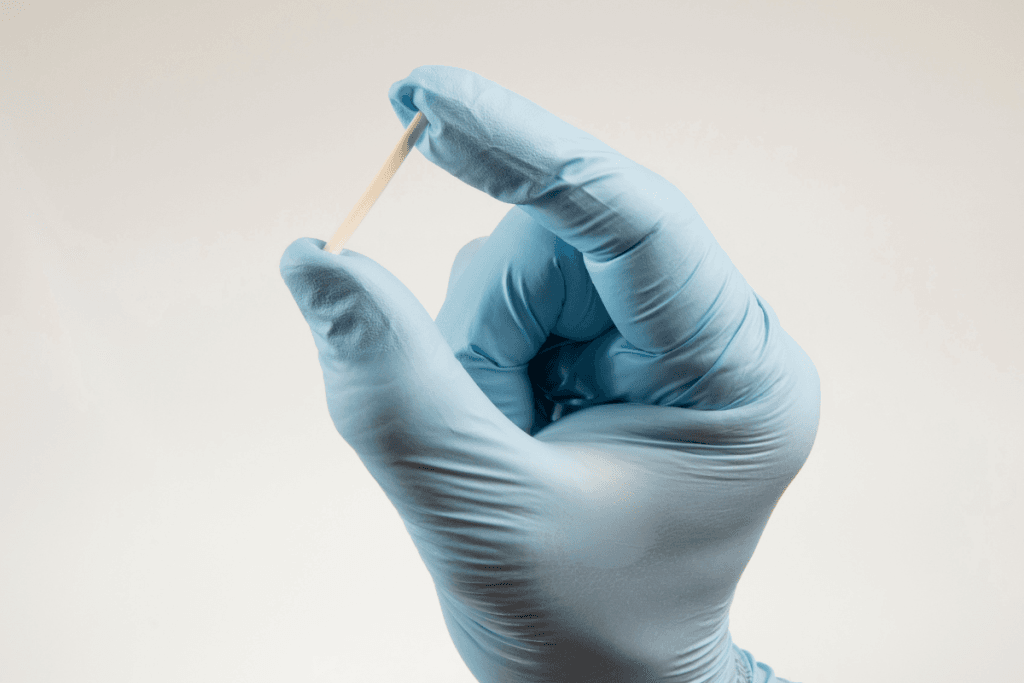
A safe implant service depends on more than device technique. For most clinics, the critical pieces are clinician training, patient selection and counseling, standardized site marking and placement, immediate palpation of the implant, and a clean documentation trail. This Nexplanon implant insertion guide for clinics focuses on the workflow checkpoints that reduce avoidable errors and make follow-up easier when questions arise. The exact technique should always follow current labeling, manufacturer training, and your local clinical policies.
Key Takeaways
- Standardize training, setup, and escalation pathways.
- Screen eligibility, timing, consent, and counseling first.
- Use label-based site marking and subdermal technique.
- Palpate and document implant location before discharge.
- Record lot traceability, aftercare, and follow-up tasks.
MedWholesaleSupplies serves licensed clinics and healthcare professionals.
Nexplanon Implant Insertion for Clinics Starts Before the Visit
Good implant programs start before the room is set up. The etonogestrel implant is a long-acting reversible contraceptive placed under the skin, but the clinic task is broader than mastering the device. A Nexplanon insertion protocol needs trained operators, a screening pathway, a standard note, stocked supplies, and an escalation route for difficult or nonpalpable placements.
Not every patient requesting the method is automatically a same-visit procedural candidate. Decision factors often include contraceptive goals, current pregnancy assessment, relevant medical history, medication review, unexplained bleeding that may need evaluation, prior implant history, and whether the visit involves first placement, exchange, or planned removal. Final eligibility and timing should be checked against current labeling and accepted contraception guidance.
Counseling also starts here. Patients should understand what the procedure can and cannot do, how bleeding patterns may change, why palpation after placement matters, and what follow-up looks like if placement is uncertain. For clinics, setting expectations upfront reduces rushed room decisions later.
Why it matters: A rushed screening or consent step can create bigger problems than a slow room setup.
Before the Visit: Training, Screening, and Consent
Before insertion, confirm that the clinician performing the service has completed any required product-specific instruction and that privileges or standing procedures are current. Support staff also need role clarity. Someone should own device checks, room setup, consent forms, and discharge instructions, so the operator is not troubleshooting supply or paperwork gaps mid-procedure.
Training and room readiness
A prepared room is simple but deliberate. Most clinics standardize the unopened implant, sterile prep materials, local anesthetic and delivery supplies per protocol, a skin marker, dressings, gauze, sharps disposal, and a backup documentation form in case the usual chart workflow fails. Many teams also use a short timeout before the applicator is opened. That timeout confirms identity, planned arm, indication for the visit, consent status, and what the team will do if the implant cannot be confidently palpated afterward.
Screening and counseling points
Counseling should be concise and consistent across clinicians. Review method expectations, the possibility of irregular bleeding, procedural discomfort, common short-term site symptoms, the difference between routine bruising and warning signs, and the need to contact the clinic if the implant cannot be felt later. Timing-dependent contraceptive counseling is part of the visit as well, because immediate contraceptive coverage does not apply in every scenario. Consent should reflect benefits, limits, alternatives, removal expectations, and questions answered. Clinics that want a broader reference for room safety and process design often borrow checklist ideas from the site’s Injection Safety hub.
During the Procedure: Site Marking, Placement, and Immediate Checks
During the Nexplanon insertion procedure, precision matters more than speed. Follow the approved training sequence for arm selection, exact insertion location, skin traction, applicator orientation, and deployment. The goal is a clearly subdermal placement in the recommended upper-arm site, not a deeper track that may later complicate localization or removal.
Site marking should happen before skin prep, while landmarks are easy to review with the patient and any assisting staff. Once the site is marked, avoid drifting from the planned track unless you stop and fully reassess. After antiseptic prep and local anesthetic per protocol, maintain control of the applicator throughout the insertion. If resistance, unusual pain, or loss of orientation occurs, pause rather than improvising. A forced pass can create a placement problem that is harder to solve than a delayed procedure.
Immediate confirmation is the key finishing step. The clinician should palpate the rod at once and describe its location in the note. If appropriate, the patient can also be asked to feel the implant before final dressings are applied. A normal-looking puncture site does not confirm correct placement. Confidence comes from trained technique, a palpable implant, and documentation that matches what happened in the room.
- Correct arm and site confirmed.
- Implant palpated before discharge.
- Dressing and hemostasis checked.
- Vasovagal symptoms assessed.
- Sharps and packaging reconciled.
Documentation, Aftercare, and Follow-Up
A Nexplanon insertion procedure note should be detailed enough to reconstruct the visit without guesswork. A strong record captures pre-procedure review, informed consent, who performed the insertion, the arm used, site description, device identifiers, patient tolerance, immediate palpation, dressings applied, and the exact aftercare instructions reviewed. If a trainee, assistant, or chaperone was present under clinic policy, that can matter too.
| Stage | What to confirm | What to record |
|---|---|---|
| Pre-procedure | Identity, consent, eligibility review, planned arm | Screening summary, counseling completed, timeout confirmation |
| Insertion | Device used, site marked, tolerance, immediate palpation | Arm, site description, lot and expiration, clinician performing procedure |
| Discharge | Dressings, aftercare explained, follow-up route | Instructions given, warning signs reviewed, next-step plan if placement is uncertain |
Aftercare should be standardized so every staff member gives the same message. Most clinics review dressing care, expected bruising or soreness, limits on manipulating the site, how to monitor for swelling or infection, and why continued ability to feel the implant matters. If the patient cannot later feel the rod, or if pain, numbness, or swelling increases rather than improves, the clinic should have a defined callback and escalation path.
Timing-dependent counseling deserves a line in the note. Whether extra contraceptive precautions are needed depends on when insertion occurs and the patient’s current contraceptive situation. That advice should follow current labeling or clinician guidance, not memory or a generic discharge handout.
Quick tip: Record arm, site description, lot, and immediate palpation before the patient leaves.
Clinic Workflow Checklist
Clinics reduce errors when they convert individual skill into a written workflow. That workflow should cover scheduling, chart prep, stock checks, consent, room setup, timeout, insertion, discharge, and follow-up routing. Teams building or revising a service line can compare broader process ideas in the site’s Clinic Operations hub.
- Verify operator training and privileges.
- Confirm product, lot, and expiration.
- Review screening, consent, and timing.
- Prepare sterile supplies and dressings.
- Complete timeout for arm and site.
- Perform insertion and palpation check.
- Enter the procedure note promptly.
- Route follow-up and inventory tasks.
Its sourcing model uses vetted distributors and verified supply channels.
Operational details matter because implant services cross departments. Procurement or inventory staff may receive the product, nursing staff may stage supplies, and the clinician completes the procedure and note. Decide in advance who records lot number and expiration, who verifies package integrity, and who reconciles unused or damaged stock. Storage and handling should follow current labeled conditions, and questionable packaging should be segregated and reviewed rather than used.
A short monthly audit can catch recurring problems early. Common findings include incomplete consent scanning, missing lot data, vague site descriptions, or discharge instructions that differ by staff member. Clinics do not need a complex quality program to improve consistency. They do need a repeatable checklist and a clear owner for each step.
Risks, Troubleshooting, and Escalation
Most insertions are uncomplicated, but escalation rules should be written before the first appointment is booked. Common reasons to pause or escalate include unexpected pain during placement, significant bleeding or expanding hematoma, vasovagal symptoms that do not resolve as expected, neurologic symptoms in the arm or hand, uncertainty about final implant location, or inability to palpate the rod after insertion.
A nonpalpable implant is not just a documentation issue. It is a placement-confirmation issue. Follow the manufacturer and institutional pathway for confirmation, possible imaging, referral, and removal planning when needed. Blind probing or casual reassurance can increase risk, especially when deep placement or neurovascular proximity is possible. If infection, persistent severe pain, progressive swelling, or new sensory changes develop, routine aftercare language is no longer enough.
Clinics that offer removal and reinsertion should treat those as related but separate services. Each step needs its own consent, equipment plan, note elements, and complication review. Brief case review after a difficult insertion can be valuable. It helps identify whether the problem came from screening, room setup, technique drift, or missing documentation. The safer service is usually the simpler one, with fewer handoffs and no ambiguity about who escalates.
Authoritative Sources
- Manufacturer training expectations and technique details appear in the official NEXPLANON prescribing information.
- A procedural overview is available in the ACOG implant insertion video.
- Eligibility review and timing questions are supported by the CDC U.S. Selected Practice Recommendations.
Further reading should focus on label updates, training refreshers, and keeping your written protocol aligned with how the visit actually runs. For most clinics, consistency in screening, site verification, palpation, and documentation does more to protect safety than trying to speed the procedure.
This content is for informational purposes only and is not a substitute for professional medical advice.