
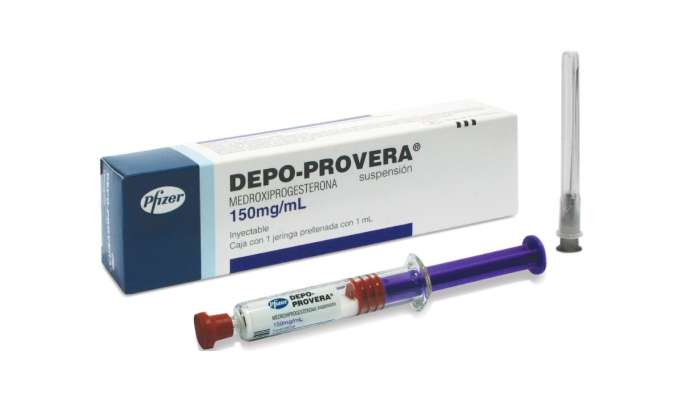
Depo-Provera®
Order Depo-Provera® for Clinics
Hormonal Contraceptive Injection
$35.00
You save
Description
Depo-Provera® is a medroxyprogesterone acetate injection supplied as a 150 mg/mL intramuscular contraceptive suspension for professional use. Licensed clinics and healthcare professionals can order this single-dose, prefilled IM format for appointment-based contraception services, inventory planning, and documented in-office administration.
The prefilled syringe presentation supports treatment-room workflow by reducing draw-up steps and helping staff record lot and expiration details during intake and administration. It fits reproductive health programs, outpatient gynecology services, public health clinics, and continuity-of-care schedules that rely on a long-acting progestin-only method.
Depo-Provera 150 mg/mL Price and Clinic Ordering
Clinics can sign in to view current Depo-Provera price information, account-specific tiers, and live purchasing details. Final cost may vary by account status, order volume, and applicable program terms, so procurement teams should align purchasing with expected visit volume and reorder cadence.
Use the product strength shown during ordering to match your clinic protocol and internal medication records. Depo-Provera 150 mg/mL is commonly referenced in purchasing systems as medroxyprogesterone acetate injection or depot medroxyprogesterone acetate, so consistent naming helps reduce receiving and reconciliation errors.
For broader method procurement, the contraceptives category groups related clinic supplies used across reproductive health programs. Practices that purchase across women’s health service lines can also review gynecology products for adjacent clinical inventory.
How the Injection Is Used in Professional Care
Depo-Provera injection is used for long-acting contraception when administered on a scheduled basis by trained healthcare personnel. The active ingredient, medroxyprogesterone acetate, is a progestin that helps prevent pregnancy by suppressing ovulation, thickening cervical mucus, and altering the endometrial environment.
Because it is administered in-office, the product supports care models that depend on documented visits rather than daily user adherence. Clinics can coordinate counseling, administration, follow-up timing, adverse-effect discussions, and medication documentation during the same encounter.
Many protocols incorporate the Depo-Provera shot into family planning visits, postpartum follow-ups, and public health programs. For a more detailed clinical discussion of method selection and usage principles, see Depo-Provera usage guidelines.
Key Product Features
- Medroxyprogesterone acetate injection in a 150 mg/mL intramuscular suspension.
- Single-dose, prefilled syringe format for professional administration.
- Progestin-only contraceptive approach for protocols avoiding estrogen exposure.
- Clinic-ready labeling that supports lot and expiration documentation.
- Professional packaging suitable for medication intake and stock rotation.
- Appointment-based administration that supports scheduled follow-up workflows.
- Brand-name product sourcing through vetted distributor channels for licensed clinics.
Composition, Strength, and Mechanism
Depo-Provera contains medroxyprogesterone acetate, a synthetic progestin. The supplied strength is medroxyprogesterone 150 mg/mL in a sterile aqueous suspension intended for intramuscular use in professional settings.
The depot formulation provides sustained systemic exposure after injection. In contraceptive care, progestin activity suppresses the hormonal pattern needed for ovulation, changes cervical mucus in a way that reduces sperm penetration, and modifies the endometrium.
Excipients and component details should be confirmed against the current manufacturer labeling before administration. This is especially important for clinics maintaining allergy review processes, medication-use policies, and standardized EHR entries.
Storage, Handling, and Documentation
Receiving teams should inspect packaging, confirm lot and expiration details, and follow the handling instructions in the current package insert. Recordkeeping should support medication reconciliation, lot traceability, and facility-specific administration documentation.
Prefilled presentation can reduce preparation variability compared with vial draw-up workflows, but staff should still follow clinic policy for inspection, patient identification, site preparation, administration technique, and waste disposal. Suspension products may require handling steps described by the manufacturer before use.
US distribution supports predictable replenishment for scheduled clinic days, outreach programs, and recurring contraceptive services. When relevant, orders may include temperature-controlled handling when required and tracked US delivery.
Quick tip: Set reorder points using average visit volume, scheduled clinic sessions, and internal safety-stock limits.
Safety, Side Effects, and Monitoring
Professional counseling should address common adverse effects before administration. Reported effects include irregular bleeding, changes in menstrual patterns, headache, weight changes, mood changes, abdominal discomfort, and injection-site reactions.
A clinically important risk is loss of bone mineral density, which may increase with longer duration of use and may not be completely reversible. Clinic protocols should include periodic evaluation, risk-factor assessment, and counseling aligned with current labeling and professional guidance.
Patients may also ask about side effects after stopping Depo-Provera. Menstrual bleeding patterns can be irregular for a time after discontinuation, and return of fertility may be delayed compared with immediately reversible methods. For patient-education planning, see first period after stopping Depo-Provera and no period after stopping Depo-Provera.
Clinics should review contraindications, medical history, medication profile, pregnancy status considerations, and risk factors according to the current label and local protocol. Staff should escalate severe pain, heavy bleeding, symptoms suggestive of allergic reaction, or other concerning events through the appropriate clinical pathway.
For more detail on longer-term adverse effects and counseling points, review Depo-Provera long-term side effects.
Benefits for Clinic Workflow
Depo-Provera supports standardized contraception visits because the medication, counseling, documentation, and follow-up schedule can be managed by the clinical team. This helps practices maintain consistent workflows across providers, rooms, and service locations.
The prefilled syringe format is practical for clinics that want fewer preparation steps at the point of care. Clear product identification, strength, lot number, and expiration information also support medication-use audits and stock rotation.
For public health or outreach sessions, appointment-based administration can simplify daily planning. Teams can estimate units needed from scheduled visits, reconcile unused stock at the end of the session, and maintain records for the next follow-up cycle.
Packaging and Supply Details
This product is supplied as a single prefilled syringe for intramuscular administration. The strength and form are medroxyprogesterone acetate 150 mg/mL in a 1 mL prefilled syringe, consistent with clinic-based contraceptive injection workflows.
During intake, staff should verify the product identity, strength, expiration date, and package condition before placing stock into medication storage. Any handling or inspection steps in the manufacturer labeling should be built into facility standard operating procedures.
For brand-specific browsing and related entries, use the Depo-Provera brand archive. Broader professional medication purchasing can be managed alongside items in pharmaceuticals.
Comparable and Adjacent Products
Contraception programs often maintain multiple method types so clinicians can match product selection to medical history, preference, follow-up capacity, and counseling outcomes. Injectable depot progestin methods may be compared with intrauterine or implant-based methods during protocol development.
For a non-injectable contraceptive device used in clinic settings, review SMB TCu 380A with SafeLoad. Method choice should remain clinically individualized and consistent with product labeling, contraindications, and trained administration requirements.
Depo-SubQ Provera 104 may appear in clinical discussions because it is another medroxyprogesterone acetate contraceptive product, but it is a different presentation and route from Depo-Provera 150 mg/mL IM. Procurement teams should avoid substituting products without confirming the exact formulation, route, dose, and clinic protocol.
Common Clinical Questions to Address During Visits
Depo-Provera is used to prevent pregnancy, and some clinical discussions may also involve menstrual-cycle related considerations. Counseling should explain the expected schedule, possible bleeding changes, and the importance of timely follow-up visits according to the clinic protocol.
A frequently discussed adverse effect is bone mineral density loss, especially with longer use. Other common concerns include irregular bleeding, weight change, headache, and delayed return of regular cycles after stopping.
How long a patient remains on depot medroxyprogesterone acetate should be determined through periodic clinical review. Teams should document risk-benefit discussions, evaluate ongoing suitability, and update counseling if new medical conditions or medications arise.
Authoritative Sources
- Pfizer prescribing information
- FDA-approved labeling PDF
- NIH MedlinePlus: medroxyprogesterone injection
Ready to provision clinic stock? Sign in to view current account purchasing details, plan order quantities, and align receiving with scheduled contraceptive services.
This content is for informational purposes only and is not a substitute for professional medical advice.
Frequently Asked Questions
What is Depo-Provera used for in clinics?
Depo-Provera is used as a long-acting contraceptive injection administered in professional care settings. Clinics commonly integrate it into family planning, gynecology, postpartum follow-up, and public health contraception services.
What strength and format is supplied?
The product is supplied as Depo-Provera 150 mg/mL, a medroxyprogesterone acetate intramuscular suspension in a 1 mL prefilled syringe for professional administration.
How should clinics plan Depo-Provera inventory?
Plan inventory around scheduled visit volume, follow-up cadence, expiration dating, and facility safety-stock policy. Document lot and expiration details during receiving and administration to support traceability.
What safety topics should staff discuss before administration?
Counseling commonly includes irregular bleeding, menstrual changes, headache, weight changes, mood changes, injection-site reactions, and the risk of bone mineral density loss with longer use. Clinics should follow current labeling and professional protocols.
Is Depo-SubQ Provera 104 the same as Depo-Provera 150 mg/mL IM?
No. Depo-SubQ Provera 104 is a different presentation and route from Depo-Provera 150 mg/mL intramuscular injection. Do not substitute products without confirming the exact formulation, route, dose, and clinic protocol.
Specifications
- Main Ingredient: Medroxyprogesterone Acetate
- Manufacturer: Pfizer Inc.
- Drug Class: Progestin Hormone
- Generic Name: Medroxyprogesterone Acetate Injection
- Package Contents: 150 mg/mL x 1 Pre-Filled Syringe
- Storage Requirements: Room Temperature (2℃~25℃)
- Main Usage:
About the Brand
Depo Provera
At medwholesalesupplies.com, we offer the highly effective contraceptive, Depo Provera. A trusted name for many years in the arena of safe and dependable options to prevent unintended pregnancies. The ease of a single injection that lasts for three months makes Depo Provera an ideal selection for anyone seeking a low-effort birth control mechanism. We at medwholesalesupplies.com are dedicated to providing premium medical goods comfortably accessible to healthcare professionals and individuals alike. Now, with the addition of Depo Provera on our sales platform, we turn our focus on ensuring more women get the access to this trusted form of contraception. Shop Depo Provera on medwholesalesupplies.com to enjoy an effortless experience, from online ordering to doorstep delivery. Choosing medwholesalesupplies.com to buy Depo Provera also guarantees a purchase from a reliable source. We hold the safety and efficiency of all our medical products in high regard. Rigorous quality control measures are in place to ensure only authentic and suitably stored medications are shipped out. Healthcare professionals and private individuals can rest assured they are availing a trustworthy contraceptive choice with us at medwholesalesupplies.com, supported by our unwavering commitment to the highest standards of excellence.
Browse Depo Provera Products
Here to help
Questions about ordering, delivery or products? You can email our team here or call now at 1-800-630-9757 and be connected with your dedicated Account Manager
Related Products
Evenity® (English Alternative)
Injectable Medication
$1,229.00 - $1,299.00
You save
You save
Intraline® For Men
Dermal Filler
$59.00 - $79.00
You save
You save
RejuvaNAD+ Pro
Injectable Medication
$237.00 - $249.00
You save
You save
Teosyal® RHA 4
Aesthetic Surgery Product
$259.00 - $279.00
You save
You save
Related Articles
Prednisone in Clinical Care: Uses, Risks, and Monitoring
Prednisone is a prescription systemic corticosteroid used to reduce inflammation or suppress immune activity in…
Lip Fillers Swelling Stages: Timeline, Safety, and Follow-Up
Lip fillers swelling stages usually follow a short inflammatory course: swelling appears soon after injection,…
Hypopigmentation of the Skin: Assessment and Care
Hypopigmentation of the skin means one or more areas look lighter than the surrounding skin.…
Radiesse vs Sculptra: Selection Factors for Clinics
Radiesse vs Sculptra is best understood as a comparison between two collagen-stimulating injectables with different…
Hyaluronic Acid Under-Eye Filler: Safety and Workflow
Hyaluronic acid under-eye filler is an injectable soft-tissue filler used by trained aesthetic clinicians to…
Dermal Filler Types: Materials, Uses, and Clinic Fit
Dermal filler types are usually grouped by their base material, tissue behavior, and expected role…
What Is Dysport? Clinical Uses, Safety, and Workflow
For clinic teams asking what is Dysport, the short answer is simple: Dysport is a…
Biostimulators in Aesthetic Care: Selection and Safety
Biostimulators are injectable aesthetic products used to encourage a controlled tissue response, often involving new…