

- You must be logged in to add items to the cart.
Description
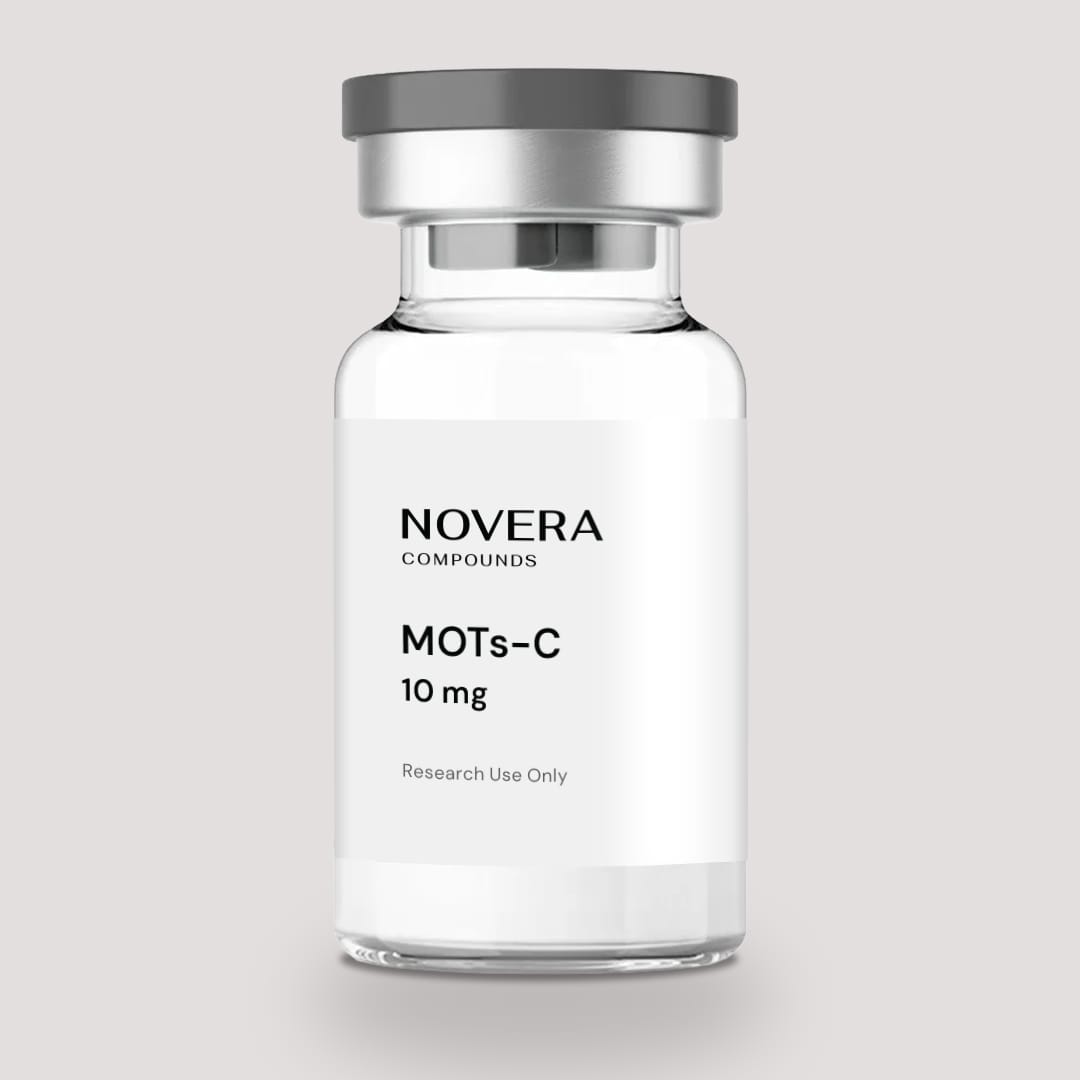
MOTS-c is a mitochondrial-derived peptide supplied for licensed clinics and healthcare professionals managing professional peptide inventory. Clinic teams use MOTS-c ordering records to evaluate lot documentation, vial handling, storage conditions, and protocol fit before release into treatment-room workflow.
MOTS-c peptide is commonly discussed in metabolic, exercise-response, and longevity research because it is a 16-amino-acid signaling peptide encoded by mitochondrial genetic material. Clinical purchasing decisions should remain grounded in the item received, the documentation available, and the practice’s internal governance for investigational or research-oriented peptide protocols.
Clinic Ordering, Price, and Documentation
Licensed clinical accounts can order MOTS-c through a professional purchasing workflow and view current price information during ordering. Before adding a MOTS-c vial to inventory, assign responsibility for product acceptance, storage release, protocol approval, and adverse-event escalation. This keeps procurement records separate from clinical decision-making and reduces avoidable handling errors.
Public references may mention MOTS-c 5mg, MOTS-c 10mg, MOTS-c peptide vial, lyophilized peptide, injectable, or acetate terminology. Those phrases should not replace the carton, vial label, invoice, certificate, or internal receiving record. Match the product name, strength, lot number, expiry or retest date, and storage statement to the documents supplied with the shipment.
MedWholesaleSupplies serves licensed clinics and healthcare professionals using vetted distributor channels and verified supply pathways. For broader clinic inventory planning, the SS-31 peptide and NAD product entries may help teams separate mitochondrial, metabolic, and cellular-health discussions into distinct procurement files.
Quick tip: Keep purchasing records, lot files, and clinical protocol documents in separate controlled folders.
What the MOTS-c Peptide Does in Research Context
MOTS-c is a small peptide associated with mitochondrial signaling. Research literature has examined possible roles in cellular energy handling, skeletal muscle metabolism, insulin sensitivity, exercise adaptation, and age-related metabolic changes. These areas explain professional interest, but they do not establish a routine treatment claim, standard MOTS-c dosage, or predictable outcome for weight management.
Clinics should distinguish research interest from approved therapeutic use. There is no FDA-approved drug label for MOTS-c that defines indications, contraindications, dosing schedules, boxed warnings, or population-specific instructions for routine clinical treatment. Statements about MOTS-c weight loss, before-and-after changes, energy, or athletic performance should be reviewed carefully and should not be presented as proven clinical results without appropriate evidence and oversight.
Practical governance should answer four questions before purchase: who can authorize use, which patients or protocols are excluded, what monitoring is required, and how unexpected symptoms will be reported. Clinics with aesthetic or wellness services may also find anti-aging peptide considerations useful for separating promotional narratives from documented clinical review.
Why it matters: A peptide can be biologically interesting without having an approved treatment indication.
Forms, Strengths, and Vial Verification
MOTS-c is often discussed in the market as a peptide vial, and some references describe lyophilized powder, which is freeze-dried material intended to support stability before preparation. Clinic staff should rely on the received label and supporting documents rather than assuming that every MOTS-c injectable, tablet, acetate, 5 mg, or 10 mg reference describes the same product.
Verification should occur before the product moves into active inventory. If the practice uses a quarantine step, keep the vial segregated until the responsible clinical lead or inventory manager approves the documentation. Do not substitute a different vial size, salt form, or supplier description without a documented review.
| Attribute | Clinic action |
|---|---|
| Identity | Match the product name, peptide sequence when provided, and any acetate or salt-form language to the accompanying certificate or lot file. |
| Strength | Use only the strength printed on the vial and invoice when selecting inventory for a protocol. |
| Form | Confirm whether the product is lyophilized, reconstituted, injectable, or otherwise described before assigning storage or preparation steps. |
| Lot traceability | Record lot number, expiry or retest date, receipt date, closure condition, and any discrepancy before release. |
| Use category | Separate research-oriented, investigational, compounded, and conventional medication workflows in the clinic record. |
Do not treat MOTS-c tablets, MOTS-c injection discussions, or similarly named peptide products as interchangeable. Route, sterility expectations, excipients, purity documentation, and intended use category may differ even when the peptide name appears similar.
Administration Planning and Protocol Controls
MOTS-c dosage is not provided as a universal daily amount or patient-specific schedule. Any administration plan should come from an authorized clinical protocol that defines selection criteria, consent language, preparation steps, monitoring, and response actions for unexpected symptoms. Wholesale product information should never function as a dose calculator.
If injectable use is contemplated, staff should confirm reconstitution instructions, diluent compatibility, aseptic technique, labeling after preparation, beyond-use dating, sharps disposal, and medication-error reporting. The protocol should identify who prepares the material, who administers it, what double-checks are required, and how deviations are documented.
Practices evaluating peptide-based protocols may also review adjacent professional products such as Epithalon or Tesamorelin for separate documentation and inventory files. Related products should not be substituted for MOTS-c unless the clinical rationale, product identity, and handling requirements have been reviewed independently.
Storage, Handling, and US Logistics
Storage conditions should come from the vial label and accompanying documentation. Lyophilized peptides can have different requirements before and after preparation, and reconstituted material may have a shorter use window depending on sterility controls, container closure, and internal policy. Avoid using a general peptide storage rule when the lot file gives a specific instruction.
Receiving staff should inspect the carton, document receipt, verify the product against the purchase record, and escalate visible damage or labeling mismatch. Inventory movement should be traceable from receipt to storage, preparation, administration, disposal, return, or quarantine. Temperature-controlled handling when required and tracked US delivery can support clinic logistics, but the practice remains responsible for acceptance checks and storage after receipt.
Staff training should cover where documents are stored, who can release inventory, how to label prepared material, and what happens if a vial is dropped, warmed outside its required range, or otherwise compromised. A short checklist can prevent unclear handoffs between purchasing, clinical leadership, and treatment-room staff.
Safety, Side Effects, and Monitoring
MOTS-c side effects are not characterized with the same certainty as adverse reactions for approved medicines supported by large clinical programs. Reported or plausible concerns may include injection-site discomfort, redness, swelling, irritation, headache, fatigue, dizziness, nausea, or nonspecific systemic symptoms. Frequency, causality, and patient-level risk are not well established.
Clinics should screen cautiously for hypersensitivity history, pregnancy or lactation, active serious illness, endocrine or metabolic disorders, and concurrent therapies that may affect glucose, appetite, weight, blood pressure, heart rate, or energy balance. Medication reconciliation should include compounded products, research peptides, hormones, stimulants, thyroid therapy, insulin, sulfonylureas, GLP-1 receptor agonists, weight-management medicines, and supplements.
Monitoring should match the stated protocol and the patient’s risk profile. For metabolic protocols, clinicians may consider baseline history, current medicines, relevant laboratory data, symptom checks, and a defined follow-up plan. Any unexpected reaction should be documented under the clinic’s adverse-event process, and serious reactions require prompt clinical assessment.
Athlete populations need additional review because peptide products can raise anti-doping, competition, employment, or professional-conduct issues. Practices serving competitive athletes should document sport context and review current governing-body rules before any treatment decision. USADA’s peptide education material is useful for this specific risk discussion.
Weight Loss Claims, Before-and-After Reports, and Alternatives
MOTS-c weight loss claims should be handled cautiously. Research interest in metabolic signaling does not prove that MOTS-c produces reliable weight reduction, body-composition change, or visible before-and-after results in routine clinical practice. Social media narratives and anecdotal performance reports are weak evidence and should not replace informed consent or objective monitoring.
For many clinics, the practical comparison is not one peptide against another wellness trend. The decision is whether an investigational or research-oriented peptide protocol belongs in the practice at all, and how it compares with regulated, diagnosis-specific therapies, nutrition care, exercise planning, and treatment of underlying metabolic disease.
| Choice | How it differs | Clinic implication |
|---|---|---|
| MOTS-c protocol | Evidence is still developing and is not supported by a standard approved label. | Requires strong consent, documentation, monitoring, and outcome tracking. |
| Other peptide products | Products such as GHK-Cu have different areas of professional interest and handling considerations. | Keep inventory files, use rationale, and patient materials product-specific. |
| Mitochondrial or cellular-health products | Related products may involve different mechanisms, preparation steps, or documentation. | Do not substitute based on broad category language alone. |
| Approved disease-specific therapies | Use is guided by formal prescribing information for defined indications. | Review labeled criteria, warnings, monitoring, and contraindications. |
Substitution should never rely on a similar route of administration or a broad wellness category. Sequence, formulation, sterility expectations, regulatory status, intended use, and evidence quality all need review before a clinic changes a protocol.
Professional Inventory and Substitution Controls
Availability for clinic purchasing may depend on account status, documentation, supplier channel, and lot-specific records. That does not make public product names interchangeable. If a substitution is proposed, compare identity, strength, purity documentation, sterility status, storage statement, closure integrity, and intended use category before accepting the replacement.
A different vial size or salt form can affect preparation calculations, labels, inventory records, and protocol wording. If any received item does not match the expected record, quarantine it until the discrepancy is resolved. This is especially important for peptides because similar online terminology may describe different materials.
Internal approval should be documented before staff rely on a new peptide in practice. The record should include the responsible clinical lead, accepted lot documentation, storage location, staff training status, and the adverse-event escalation pathway. Short, repeatable workflows are safer than informal handoffs.
Authoritative Sources
Use primary literature and regulator-backed context when evaluating MOTS-c. Promotional summaries, before-and-after posts, and nonclinical claims should not be treated as evidence for routine use.
- Peer-reviewed review of mitochondrial peptide biology: MOTS-c mitochondrial peptide review.
- Anti-doping and sport context from USADA: USADA guidance on MOTS-c peptide.
Clinic teams should update source files periodically because peptide evidence, sport rules, and institutional policies can change. The most useful documentation set includes the product label, lot certificate, receiving record, protocol approval, consent language, and monitoring plan.
This content is for informational purposes only and is not a substitute for professional medical advice.
Frequently Asked Questions
What documentation should a clinic review before ordering MOTS-c?
Review the product name, vial strength, lot number, expiry or retest date, storage statement, certificate details when provided, invoice, and receiving record. The clinic should also document the responsible clinical lead, protocol status, staff handling roles, and adverse-event escalation process.
Is MOTS-c legal to buy for a clinic?
Clinic purchasing depends on professional account requirements, supplier controls, local practice policies, and the intended use category. MOTS-c should be evaluated as a professional-use peptide with documentation and governance review, not as a consumer self-directed product.
Does MOTS-c help with weight loss?
MOTS-c has been studied for metabolic signaling, skeletal muscle biology, and insulin-sensitivity pathways, but those findings do not prove reliable weight-loss outcomes in routine clinical practice. Clinics should avoid using before-and-after claims as evidence and should document objective monitoring if a protocol is approved.
What side effects should clinics monitor with MOTS-c?
Potential concerns may include injection-site discomfort, redness, swelling, irritation, headache, fatigue, dizziness, nausea, or nonspecific systemic symptoms. Because formal adverse-event data are limited, clinics should use cautious screening, medication reconciliation, and a defined reporting pathway.
How should MOTS-c be stored after receipt?
Use the storage conditions printed on the vial label and supporting documentation. Receiving staff should inspect the shipment, record the lot details, place the product in the appropriate storage area, and quarantine any vial with damage, mismatch, or temperature concerns.
Specifications
- Main Ingredient:
- Manufacturer:
- Drug Class:
- Generic Name:
- Package Contents:
- Storage Requirements:
- Main Usage:
Here to help
Questions about ordering, delivery or products? You can email our team here or call now at 1-800-630-9757 and be connected with your dedicated Account Manager
Related Products
JALUPRO® PLUS 4ML
Skin Rejuvenation Treatment
$86.00 - $89.00
You save (%)
You save (%)
$339.00
You save (%)
You save (%)
Select options
This product has multiple variants. The options may be chosen on the product page
Juvéderm® SKINVIVE
Dermal Filler
$339.00 - $359.00
You save (%)
You save (%)
$86.00 - $119.00
You save (%)
You save (%)
Related Articles
Prednisone in Clinical Care: Uses, Risks, and Monitoring
Prednisone is a prescription systemic corticosteroid used to reduce inflammation or suppress immune activity in…
Lip Fillers Swelling Stages: Timeline, Safety, and Follow-Up
Lip fillers swelling stages usually follow a short inflammatory course: swelling appears soon after injection,…
Hypopigmentation of the Skin: Assessment and Care
Hypopigmentation of the skin means one or more areas look lighter than the surrounding skin.…
Radiesse vs Sculptra: Selection Factors for Clinics
Radiesse vs Sculptra is best understood as a comparison between two collagen-stimulating injectables with different…
Hyaluronic Acid Under-Eye Filler: Safety and Workflow
Hyaluronic acid under-eye filler is an injectable soft-tissue filler used by trained aesthetic clinicians to…
Dermal Filler Types: Materials, Uses, and Clinic Fit
Dermal filler types are usually grouped by their base material, tissue behavior, and expected role…
What Is Dysport? Clinical Uses, Safety, and Workflow
For clinic teams asking what is Dysport, the short answer is simple: Dysport is a…
Biostimulators in Aesthetic Care: Selection and Safety
Biostimulators are injectable aesthetic products used to encourage a controlled tissue response, often involving new…