
Description
Actemra® is tocilizumab, an interleukin-6 receptor antagonist supplied for professional autoimmune and inflammatory care protocols. Licensed clinics and healthcare professionals can order Actemra for infusion-suite use, with vial presentations selected to match physician-directed treatment schedules and pharmacy preparation workflows.
Actemra infusion use requires controlled clinical handling, trained staff, and careful documentation of strength, lot, expiration, and administration details. Med Wholesale Supplies supports clinic procurement with brand-name products sourced through vetted distributors and clear records for professional inventory management.
Actemra Price, Vial Selection, and Clinic Ordering
Clinics can sign in to view current Actemra price information for the presentations offered through their account. Pricing may vary by vial strength, quantity, contract status, and order timing, so procurement teams should match the selected presentation to the active protocol rather than estimating from patient search terms or older purchasing records.
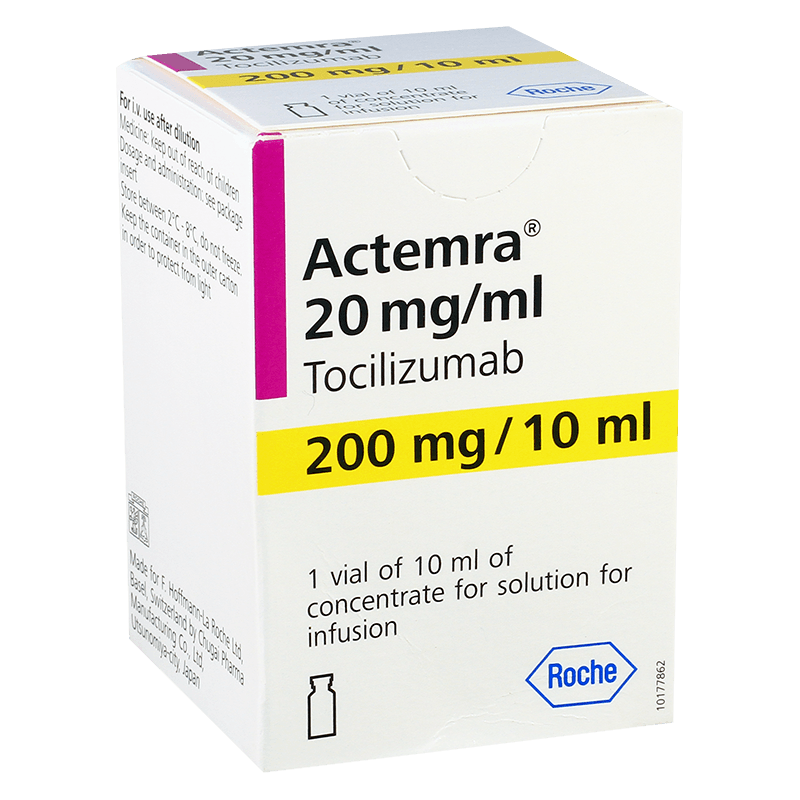
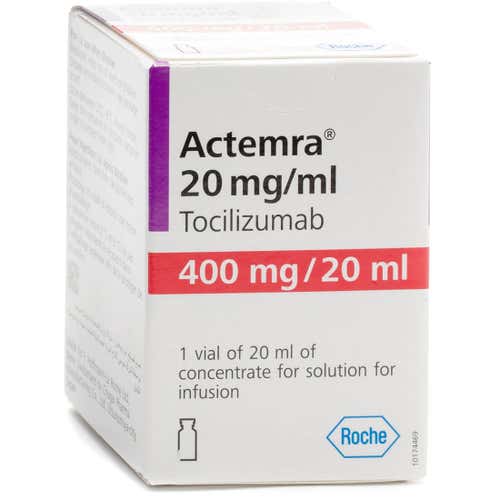
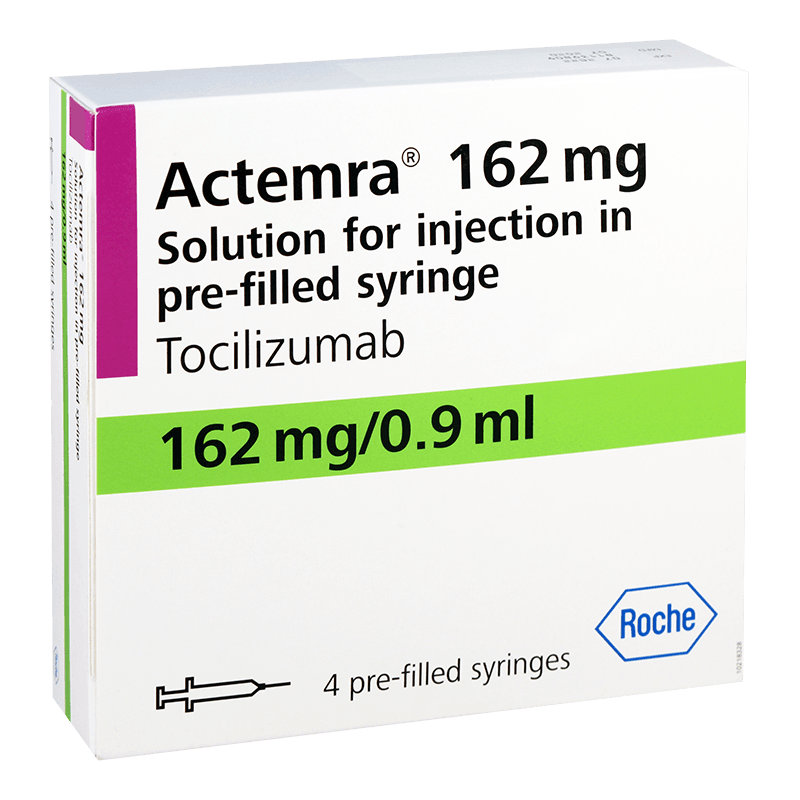
The current infusion supply information includes Actemra 200 mg vial and Actemra 400 mg vial presentations. Search demand also commonly references Actemra 80 mg vial, Actemra 162 mg prefilled syringe, Tocilizumab 162 mg, and Actemra injection; pharmacy staff should distinguish the IV vial from subcutaneous forms before purchase, receipt, storage, charging, or administration.
For broader product browsing within this therapeutic area, clinics may use the Rheumatology category. Teams building rheumatoid arthritis service lines may also find operational context in rheumatoid arthritis injection therapy, especially when reviewing biologic treatment pathways with prescribers.
What Actemra Is and How It Works
Actemra contains tocilizumab, a humanized monoclonal antibody that binds to interleukin-6 receptors. Interleukin-6 is a signaling protein involved in inflammatory immune activity; blocking its receptor can help reduce downstream inflammatory signaling in conditions for which tocilizumab is indicated.
This medication is used in specialist-directed care for conditions including moderately to severely active rheumatoid arthritis, giant cell arteritis, active polyarticular juvenile idiopathic arthritis, active systemic juvenile idiopathic arthritis, and cytokine release syndrome under labeled criteria. Some labels also include systemic sclerosis-associated interstitial lung disease and certain hospitalized COVID-19 use contexts; clinics should follow the prescribing information and local protocol for indication-specific requirements.
In practice, the Actemra IV infusion pathway suits facilities with pharmacy preparation, infusion chairs, nursing observation, emergency-response procedures, and lab-monitoring processes. A separate internal clinical article on Actemra injection uses and side effects can help teams distinguish route-specific considerations when both IV and subcutaneous pathways are discussed.
Professional Applications in Infusion Programs
Facilities integrate tocilizumab IV into physician-directed rheumatology, immunology, and related infusion programs. The medication is administered in supervised settings where staff can prepare the dose, set up the line, monitor the patient, and complete documentation during the visit.
Actemra infusion visits typically require coordination between prescribing clinicians, pharmacy personnel, nurses, scheduling staff, and billing or charge-capture teams. That coordination matters because biologic therapies often require pre-infusion screening, current laboratory information, infection-risk review, and post-infusion observation according to facility policy.
The workflow also affects purchasing. Clinics should forecast vial use around scheduled chair time, expected dose calculations, prescriber-approved protocols, and acceptable substitution rules. When a clinic stocks more than one biologic, standardized receiving and storage records help prevent mix-ups between infusion and self-administered products.
Key Product and Workflow Features
- Active ingredient: tocilizumab.
- Class: interleukin-6 receptor antagonist monoclonal antibody.
- Professional route: IV infusion presentation for supervised administration.
- Common clinic presentations referenced in current supply information: 200 mg and 400 mg vials.
- Documentation support: vial labels provide product identity, lot number, strength, and expiration.
- Program fit: appropriate for infusion-suite workflows with pharmacy and nursing oversight.
- Inventory fit: vial selection can be aligned with protocol volume and chair scheduling.
- Route distinction: Actemra injection may refer to subcutaneous therapy, so route confirmation is essential.
Quick tip: Separate IV vial inventory from subcutaneous injection stock in purchasing and storage records.
Composition and Ingredients
Actemra solution for infusion contains tocilizumab as the active ingredient. The supplied excipient profile supports stability and professional preparation, and it should be checked against institutional allergy, sensitivity, and formulary records before use.
- Active ingredient: Tocilizumab.
- Excipients: Sucrose, polysorbate 80, arginine hydrochloride, histidine, histidine monohydrochloride monohydrate, and water for injections.
Pharmacy verification should include the exact product name, vial strength, concentration as shown on the packaging, lot, expiration, route, and any dilution or preparation steps required by the prescribing information. These checks are especially important when both IV and subcutaneous tocilizumab products are present in the same organization.
Packaging, Storage, and Handling
Actemra vial packaging is designed for clinic inventory control and professional administration. Outer cartons and vial labels should remain traceable from receiving through administration so teams can reconcile lot numbers, expiration dates, and product use in the medication administration record.
Storage and preparation should follow the official label and facility procedures for refrigerated biologic products, aseptic technique, dilution, and infusion handling. Clinics should avoid using any vial with compromised packaging, unclear identity, temperature excursion concerns, particulate matter, discoloration, or expired dating.
Orders are supported by temperature-controlled handling when required and tracked US delivery. Receiving teams should inspect packaging promptly, record product identifiers, and move vials into approved storage according to internal standard operating procedures.
Safety, Warnings, and Monitoring
Actemra is a high-risk biologic medication in the practical sense that it affects immune function and requires professional screening, monitoring, and response planning. It carries serious warnings for severe infections, and treatment should not be started in patients with active infection unless the prescriber determines an appropriate clinical path under the label.
Serious risks described in prescribing information include serious infections, tuberculosis, invasive fungal infections, viral reactivation, gastrointestinal perforation, hepatotoxicity, blood-count changes, lipid abnormalities, hypersensitivity reactions, and demyelinating disorders. Clinics should ensure tuberculosis evaluation, infection history review, liver-function monitoring, neutrophil and platelet monitoring, and lipid assessment are incorporated according to protocol.
Commonly reported adverse reactions may include upper respiratory tract infections, nasopharyngitis, headache, hypertension, increased liver enzymes, and injection-site reactions for subcutaneous use. Infusion staff should also watch for hypersensitivity during and after administration, including rash, breathing difficulty, hypotension, or other symptoms that require immediate clinical action.
Patients receiving tocilizumab are generally advised by clinicians to avoid live vaccines during therapy and to report signs of infection promptly. Because the medication can blunt inflammatory markers, clinical teams should not rely on fever or C-reactive protein alone when evaluating possible infection or complications.
Interactions and Administration Precautions
Tocilizumab may affect the activity of cytochrome P450 enzymes by reducing inflammation-mediated suppression of drug metabolism. Clinicians may need to monitor medications with narrow therapeutic ranges when Actemra is started or stopped, including certain anticoagulants, statins, immunosuppressants, and other drugs managed through therapeutic monitoring.
Concomitant use with other biologic disease-modifying antirheumatic drugs is generally not recommended because of increased immunosuppression concerns. Prescribers should also evaluate recent vaccines, chronic infections, diverticulitis history, liver disease, baseline blood counts, and previous hypersensitivity before authorizing treatment.
Infusion teams should follow the exact route and preparation instructions for the ordered product. Tocilizumab IV should not be interchanged operationally with Actemra 162 mg prefilled syringe or other subcutaneous formats without a prescriber-approved protocol, staff training, and correct billing setup.
Inventory Planning and Documentation
Reliable biologic inventory depends on clean receiving, storage, and administration records. For Actemra vials, teams should document carton count, vial strength, lot number, expiration, storage location, and date moved to clinical use. These records support recalls, wastage review, charge capture, and medication-use evaluation.
Par levels should reflect treatment-day clustering, prescriber scheduling patterns, expected dose ranges, and acceptable lead times. A clinic starting a new infusion protocol may need different replenishment timing than a mature service line with predictable monthly volume.
Actemra cost planning should also account for vial mix and potential waste minimization under institutional rules. Procurement teams can discuss account-level purchasing needs with their representative, while clinical decisions remain with licensed prescribers and pharmacy leadership.
Comparable Products and Related Therapy Context
Clinics evaluating biologic infusion pathways often review adjacent therapies by mechanism, route, monitoring requirements, and operational fit. Actemra targets IL-6 receptor signaling, while other biologics may target T-cell costimulation or tumor necrosis factor activity.
For class comparison and service-line education, the Orencia overview discusses abatacept infusion and injection considerations, and the Remicade medication overview covers infliximab-related use and safety context. These articles should support internal discussion, not replace product-specific labeling or prescriber judgment.
Clinics that use prefilled syringes as part of rheumatoid arthritis care may also review pre-filled syringes in rheumatoid arthritis therapy. That distinction is useful when treatment pathways include both infusion-suite administration and patient-administered or clinic-administered injectable formats.
Authoritative Sources
For clinical decision-making, safety review, and staff education, use the full prescribing information and official medical sources. Product labels should guide dosing, preparation, contraindications, warnings, monitoring, and indication-specific requirements.
Ready to align Actemra inventory with clinic demand? Sign in to view current account pricing, select the appropriate vial presentation, and coordinate purchasing around scheduled infusion days.
This content is for informational purposes only and is not a substitute for professional medical advice.
Frequently Asked Questions
What is Actemra used for in clinic protocols?
Actemra is tocilizumab, an IL-6 receptor antagonist used in specialist-directed care for conditions such as rheumatoid arthritis, giant cell arteritis, polyarticular juvenile idiopathic arthritis, systemic juvenile idiopathic arthritis, and labeled cytokine release syndrome protocols. Clinics should follow the official prescribing information and prescriber-approved protocol for each indication.
How should clinics distinguish Actemra infusion from Actemra injection?
Actemra infusion refers to the IV vial pathway used in supervised infusion settings. Actemra injection may refer to subcutaneous presentations such as prefilled syringe products. Pharmacy and nursing teams should verify route, strength, NDC or product identifier, and preparation instructions before ordering or administration.
What serious safety issues require monitoring with Actemra?
Important risks include serious infections, tuberculosis, liver injury, gastrointestinal perforation, blood-count changes, lipid abnormalities, hypersensitivity reactions, and certain neurologic concerns. Clinics should use label-directed screening and monitoring procedures, including infection review and appropriate laboratory follow-up.
Can clinics view Actemra cost before ordering?
Licensed clinic accounts can sign in to view current Actemra cost information for the available presentations. Final purchasing decisions should consider vial strength, anticipated utilization, protocol scheduling, and documentation needs rather than relying on general public price references.
What should receiving staff document when Actemra vials arrive?
Receiving staff should document product name, vial strength, quantity, lot number, expiration date, carton condition, and storage transfer according to facility procedure. Clear records support inventory reconciliation, recalls, charge capture, and medication administration documentation.
Specifications
- Main Ingredient:
- Manufacturer: Roche Products Limited.
- Drug Class: Immunosuppressant
- Generic Name: tocilizumab
- Package Contents: 1 Vial
- Storage Requirements: Room Temperature (2℃~25℃)
- Main Usage:
Here to help
Questions about ordering, delivery or products? You can email our team here or call now at 1-800-630-9757 and be connected with your dedicated Account Manager
Related Products
Evenity® (English Alternative)
Injectable Medication
$1,229.00 - $1,299.00
You save
You save
Intraline® For Men
Dermal Filler
$59.00 - $79.00
You save
You save
RejuvaNAD+ Pro
Injectable Medication
$237.00 - $249.00
You save
You save
Teosyal® RHA 4
Aesthetic Surgery Product
$259.00 - $279.00
You save
You save
Related Articles
Prednisone in Clinical Care: Uses, Risks, and Monitoring
Prednisone is a prescription systemic corticosteroid used to reduce inflammation or suppress immune activity in…
Lip Fillers Swelling Stages: Timeline, Safety, and Follow-Up
Lip fillers swelling stages usually follow a short inflammatory course: swelling appears soon after injection,…
Hypopigmentation of the Skin: Assessment and Care
Hypopigmentation of the skin means one or more areas look lighter than the surrounding skin.…
Radiesse vs Sculptra: Selection Factors for Clinics
Radiesse vs Sculptra is best understood as a comparison between two collagen-stimulating injectables with different…
Hyaluronic Acid Under-Eye Filler: Safety and Workflow
Hyaluronic acid under-eye filler is an injectable soft-tissue filler used by trained aesthetic clinicians to…
Dermal Filler Types: Materials, Uses, and Clinic Fit
Dermal filler types are usually grouped by their base material, tissue behavior, and expected role…
What Is Dysport? Clinical Uses, Safety, and Workflow
For clinic teams asking what is Dysport, the short answer is simple: Dysport is a…
Biostimulators in Aesthetic Care: Selection and Safety
Biostimulators are injectable aesthetic products used to encourage a controlled tissue response, often involving new…