
Description
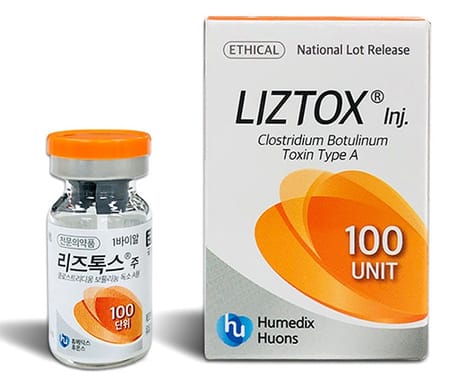
Liztox® is a botulinum toxin type A injectable for trained healthcare professionals using established aesthetic injection protocols. Licensed clinics can order the Liztox 100U vial for treatment-room use, inventory planning, and professional documentation. This Korean botulinum toxin preparation is used in clinic settings to temporarily reduce activity-related facial lines by limiting targeted muscle contraction.
Med Wholesale Supplies serves licensed clinics, med spas, and healthcare professionals with brand-name medical products sourced through vetted distributor channels. The product is supplied for professional administration only, with lot and expiration details supporting traceability in clinic records.
Liztox Price, 100U Vial Details, and Clinic Ordering
Sign in to view current Liztox price information for your facility, including any account-level or volume-based terms that apply. Clinics evaluating Liztox 100 units price should also consider ordering cadence, injector demand, storage workflow, and whether the 100U vial aligns with common appointment scheduling.
The available presentation is Liztox 100U in a single-use vial. The vial format allows clinics to prepare the product at the point of care and document the lot, expiration, and unit planning according to internal protocols. For brand-specific browsing, the Liztox brand collection groups related supply information in one place.
Account verification helps keep professional products aligned with clinic purchasing requirements. Your team can coordinate US distribution needs through the ordering workflow, and qualified orders may use temperature-controlled handling when required and tracked US delivery.
What Liztox Is and How It Works
Liztox injection contains botulinum toxin type A, a neurotoxin used by trained clinicians to reduce neuromuscular signaling in selected muscles. The active neurotoxin inhibits acetylcholine release at the neuromuscular junction, producing temporary chemodenervation. In practical terms, targeted muscles contract less forcefully for a limited period, which can soften dynamic lines related to facial movement.
Clinics commonly evaluate botulinum toxin type A products for upper-face mapping and selective microinjection techniques when appropriate to the injector’s training and local professional standards. The product can fit established aesthetic menus where neurotoxin treatment is planned alongside skin quality procedures or dermal filler services. For broader class browsing, visit the botulinum toxin category.
Liztox is often described as a purified botulinum toxin type A preparation. The manufacturer-reported purification level in current product materials is 99.8%. Purity, handling preference, patient assessment, and injector familiarity can all influence whether a clinic selects Liztox or another neurotoxin for a specific protocol.
Professional Applications in Aesthetic Practice
This product is intended for administration by trained clinicians in professional settings. Clinics may use botulinum toxin type A products within protocols for dynamic facial lines, including activity-related expression lines in the upper face. Perioral microinjection approaches may also be considered by appropriately trained injectors when patient anatomy, clinical goals, and risk assessment support that plan.
Treatment planning should remain individualized. Injection points, total units, dilution, and reconstitution technique should follow the manufacturer’s instructions, professional training, and clinic medical direction. Avoid using general online reconstitution examples as a substitute for official instructions or qualified clinical supervision.
Many practices position Liztox alongside complementary aesthetic categories. Dermal fillers, skin boosters, threads, and energy-based procedures address different tissue goals, so product selection should reflect the underlying concern rather than a generic wrinkle-treatment approach. For related decision support, the article on Liztox in aesthetic treatment planning discusses brand-specific considerations for professional readers.
Key Product Features
- Product class: botulinum toxin type A injectable for professional use
- Presentation: Liztox 100U vial
- Active component: botulinum toxin type A
- Manufacturer-reported purification level: 99.8%
- Typical onset window: effects may be observed within 3–7 days in clinical practice
- Excipients: human serum albumin and sodium chloride
- Labeling: lot and expiration details support traceability
- Use setting: licensed clinics, med spas, and healthcare professional environments
Quick tip: Align vial ordering with injector schedules, expected appointment volume, and your clinic’s documentation workflow.
Composition and Preparation Considerations
Botulinum toxin type A Liztox combines the active neurotoxin with commonly used excipients that support formulation stability. Current product information identifies human serum albumin at 0.5 mg and sodium chloride at 0.9 mg. These ingredients should be considered during intake review for relevant allergy history, medical suitability, and clinic documentation.
| Component | Role in the product |
|---|---|
| Botulinum toxin type A | Active neurotoxin that temporarily reduces targeted neuromuscular signaling |
| Human serum albumin 0.5 mg | Excipient used in the formulation |
| Sodium chloride 0.9 mg | Excipient used in the formulation |
Reconstitution and dilution should be handled by trained personnel using the manufacturer’s directions and clinic policy. Unit conversion between toxin brands is not interchangeable by name alone, and switching products requires clinical judgment. Documentation should capture the product name, total units used, dilution approach, injection sites, lot number, expiration date, and follow-up plan.
Storage, Handling, and Documentation
Professional neurotoxin handling requires disciplined inventory control. Store and prepare the vial according to the manufacturer’s instructions, and keep product records accessible for clinical review. Label integrity, expiration date, lot number, and receiving records should be checked before treatment-room use.
Clinics should also maintain clear chain-of-custody practices from receiving through administration. Staff responsibilities may include inventory logging, controlled access, reconstitution documentation, disposal of used materials, and reconciliation with appointment records. These steps support clinical consistency and reduce avoidable handling errors.
For facilities stocking multiple neurotoxins, separate storage organization helps reduce selection mistakes. Shelf labels, electronic inventory names, and treatment templates should identify Liztox clearly as a 100U botulinum toxin type A vial.
Safety, Side Effects, and Patient Screening
Botulinum toxin products can cause local and systemic adverse effects. Common treatment-area effects may include injection-site pain, bruising, swelling, tenderness, redness, headache, or temporary unwanted muscle weakness near the treated area. Aesthetic outcomes can also include asymmetry or eyelid or brow ptosis depending on injection site, dose, diffusion, and patient anatomy.
Serious reactions are uncommon but clinically important. Botulinum toxin can spread beyond the injection area and may cause symptoms such as difficulty swallowing, speaking, or breathing, generalized weakness, or vision changes. Patients should be instructed to seek urgent medical attention if symptoms suggest toxin spread or a severe allergic reaction.
Screening should address neuromuscular disorders, prior reactions to botulinum toxin, infection or inflammation at intended injection sites, pregnancy or breastfeeding status according to clinic policy, and medications that may increase bleeding or affect neuromuscular transmission. Aminoglycoside antibiotics, muscle relaxants, and other agents that interfere with neuromuscular function may require added caution. The injector should evaluate each patient’s history and treatment goals before administration.
Long-term repeated neurotoxin treatment should be managed through periodic reassessment rather than automatic retreatment. Clinicians may adjust treatment intervals, sites, or product choice based on response, adverse effects, anatomy changes, and patient expectations. Treatment plans should avoid excessive dosing frequency and should remain within professional standards.
Timeline, Duration, and Follow-Up Expectations
In typical aesthetic practice, visible change may begin within 3–7 days after treatment. Full effect is often assessed later, depending on the clinic’s protocol and the treated area. Follow-up timing should allow the clinician to evaluate symmetry, muscle activity, and whether any adjustment is clinically appropriate.
Duration varies by patient, injection pattern, dose, muscle mass, metabolism, and treatment history. Many botulinum toxin type A treatments are temporary and require planned maintenance when continued effect is desired. Clinics should set realistic expectations before treatment and document baseline movement, photography, and post-treatment instructions.
Patients often ask how long Liztox lasts or whether years of neurotoxin treatment change outcomes. The most useful professional answer is that response can change with anatomy, muscle recruitment, treatment intervals, and technique. Long-term care should be reviewed periodically by the treating clinician rather than treated as a fixed schedule.
Liztox vs Botox, Nabota, Innotox, and Other Neurotoxins
Liztox, Botox, Nabota, Innotox, and other products in this category are commonly discussed together because they involve botulinum toxin-based treatment concepts. They are not automatically interchangeable. Each brand may differ in formulation, unit behavior, storage expectations, handling preference, regulatory status by market, and injector experience.
Clinics comparing Liztox vs Botox or Liztox vs Nabota should focus on protocol fit rather than broad superiority claims. Important decision factors include patient selection, injector training, desired onset and duration profile, practice documentation, reconstitution workflow, and comfort with the product’s handling. Unit-for-unit substitution should not be assumed across brands.
For related professional choices, clinics may review Innotox 100U, Nabota 200UI, or Meditoxin 100U. Broader category browsing is also available through the botulinum toxins archive, which can help purchasing teams assess related lines without mixing treatment protocols.
Clinic Workflow and Inventory Planning
Liztox can be incorporated into clinics that already use structured neurotoxin intake, consent, photography, injection mapping, and follow-up processes. The 100U vial format supports predictable tray setup and allows teams to plan around appointment blocks, injector preferences, and expected unit use.
Operational consistency matters. Reception, clinical, and inventory staff should understand how the product is named in scheduling notes, purchase records, and treatment documentation. Avoid informal labels such as “Liztox Botox” in medical records if your clinic policy requires precise brand naming.
For clinics expanding aesthetic menus, product education should include handling, adverse-event recognition, contraindication screening, and escalation steps. Pairing neurotoxin services with other modalities requires clear sequencing and documentation. Related reading on Botulax professional supply considerations may be useful when evaluating Korean botulinum toxin options.
Authoritative Sources
Professional use of botulinum toxin products should be guided by product instructions, clinician training, and evidence-based safety information. The following references provide background on botulinum toxin pharmacology and aesthetic treatment considerations:
- NIH/NCBI botulinum toxin clinical overview
- American Society for Dermatologic Surgery botulinum toxin information
Sign in to order Liztox 100U for your facility, view current clinic pricing, and coordinate purchasing with your aesthetic inventory plan.
This content is for informational purposes only and is not a substitute for professional medical advice.
Frequently Asked Questions
What is Liztox® 100U used for in clinics?
Liztox® 100U is a botulinum toxin type A injectable used by trained clinicians in aesthetic protocols for temporary reduction of activity-related facial lines. Treatment planning, injection sites, and unit use should follow professional training and manufacturer directions.
How should clinics evaluate Liztox price?
Clinics should sign in to view current Liztox price details for their account. Purchasing teams should also consider vial strength, expected appointment volume, documentation needs, and whether the 100U vial fits injector workflow.
Is Liztox the same as Botox?
Liztox and Botox are both discussed within the botulinum toxin treatment category, but they are not automatically interchangeable. Formulation, unit behavior, handling, market status, and injector familiarity can differ by brand.
What side effects should clinicians discuss before treatment?
Potential effects include injection-site bruising, tenderness, swelling, headache, temporary unwanted muscle weakness, asymmetry, or eyelid or brow ptosis. Serious symptoms such as trouble swallowing, speaking, or breathing require urgent medical attention.
How soon can results appear after Liztox treatment?
Visible effects may begin within 3–7 days in typical clinical practice. Full assessment timing and any follow-up should be determined by the treating clinician based on the treatment area and patient response.
What should be documented when using a Liztox vial?
Clinic records should capture product name, lot number, expiration date, reconstitution or dilution details, total units used, injection sites, consent, baseline assessment, and follow-up plan according to internal policy.
Specifications
- Main Ingredient: Clostridium Botulinum
- Manufacturer: Huon's Global Co., Ltd.
- Drug Class: Cosmetic Injectable
- Generic Name: Clostridium Botulinum
- Package Contents: 100 U x 1 Vial
- Storage Requirements: Cool Temperature (2℃~8℃)
- Main Usage: Medium - Deep Wrinkle Filler, Fine Lines
About the Brand
Liztox
Liztox reigns as a reputable brand in the healthcare industry, dedicated to delivering superior quality medical necessities. With a robust line of medical products, from personal protective gear to disinfectants, Liztox is unequivocally dedicated to offering efficient and trustworthy solutions for the healthcare community. Each product from our range complies with the most stringent safety norms and undergoes rigorous testing to verify its effectivity. To streamline the procurement process of Liztox's products, we are now accessible virtually on medwholesalesupplies.com. Our online hub provides a hassle-free shopping journey, enabling health care professionals to smoothly navigate and purchase Liztox products with minimal effort. Leveraging our swift delivery services, customers can anticipate receiving their orders without delays and with utmost security. At medwholesalesupplies.com, we recognize the importance of dependable medical necessities, particularly given the current health landscape worldwide. Therefore, we take immense pride in supplying Liztox products as a significant part of our wide-ranging stock. By collaborating with Liztox, we aim to facilitate smooth and reliable access for healthcare workers to the essential medical supplies they require to safeguard themselves and their patients. You can rest assured that when you acquire Liztox products via our portal, you are committing to trustworthy and efficient healthcare solutions.
Browse Liztox Products
Here to help
Questions about ordering, delivery or products? You can email our team here or call now at 1-800-630-9757 and be connected with your dedicated Account Manager
Related Products
Evenity® (English Alternative)
Injectable Medication
$1,229.00 - $1,299.00
You save
You save
Intraline® For Men
Dermal Filler
$59.00 - $79.00
You save
You save
RejuvaNAD+ Pro
Injectable Medication
$237.00 - $249.00
You save
You save
Teosyal® RHA 4
Aesthetic Surgery Product
$259.00 - $279.00
You save
You save
Related Articles
Prednisone in Clinical Care: Uses, Risks, and Monitoring
Prednisone is a prescription systemic corticosteroid used to reduce inflammation or suppress immune activity in…
Lip Fillers Swelling Stages: Timeline, Safety, and Follow-Up
Lip fillers swelling stages usually follow a short inflammatory course: swelling appears soon after injection,…
Hypopigmentation of the Skin: Assessment and Care
Hypopigmentation of the skin means one or more areas look lighter than the surrounding skin.…
Radiesse vs Sculptra: Selection Factors for Clinics
Radiesse vs Sculptra is best understood as a comparison between two collagen-stimulating injectables with different…
Hyaluronic Acid Under-Eye Filler: Safety and Workflow
Hyaluronic acid under-eye filler is an injectable soft-tissue filler used by trained aesthetic clinicians to…
Dermal Filler Types: Materials, Uses, and Clinic Fit
Dermal filler types are usually grouped by their base material, tissue behavior, and expected role…
What Is Dysport? Clinical Uses, Safety, and Workflow
For clinic teams asking what is Dysport, the short answer is simple: Dysport is a…
Biostimulators in Aesthetic Care: Selection and Safety
Biostimulators are injectable aesthetic products used to encourage a controlled tissue response, often involving new…