
Description
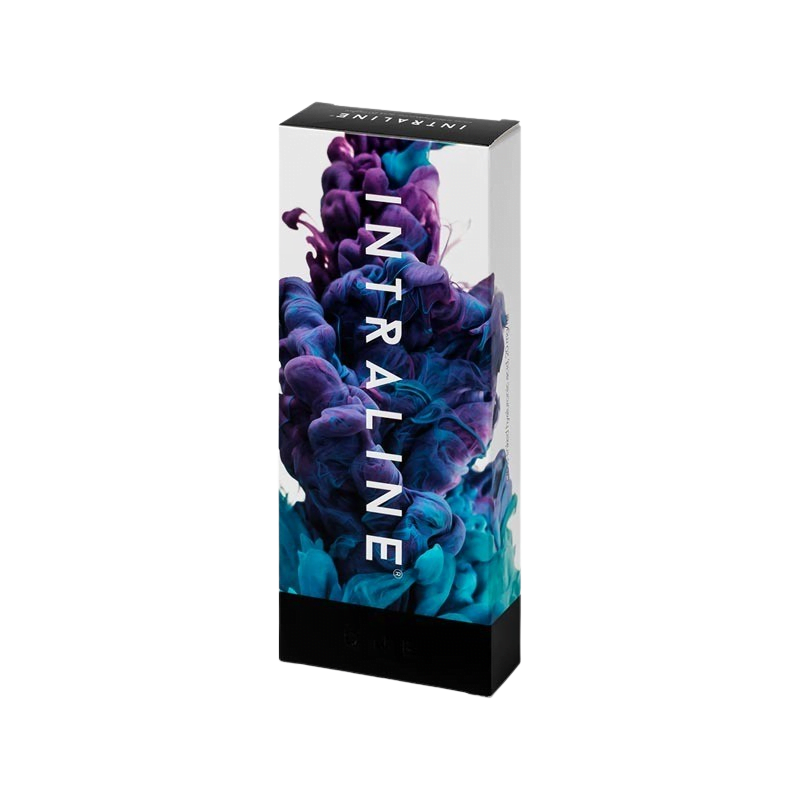
Intraline®One is a sterile hyaluronic acid dermal filler supplied as a 20 mg/mL gel in a 1 mL prefilled syringe with lidocaine. Licensed clinics, med spas, and healthcare professionals can order Intraline One for professional aesthetic workflows that require controlled placement, clear documentation, and single-use sterile handling.
The gel is used by trained injectors to refine facial contours and soften superficial to moderate lines through appropriate injection techniques. Its 1 mL format supports treatment-room planning, lot tracking, and inventory rotation for practices that standardize around predictable syringe volume.
Intraline One Price, Pack Details, and Clinic Ordering
Sign in with a verified clinic account to view the current Intraline One price, available pack configuration, and wholesale account terms. Pricing may vary by purchasing volume, account status, and pack availability, so clinic teams should use the live account view for the most accurate order planning.
The supplied unit is an Intraline One 1ml syringe in sealed sterile packaging. The outer label and blister details support product traceability, including lot and expiry documentation in the patient chart or treatment record. For broader HA filler purchasing, clinics can browse the dermal fillers category to align Intraline®One with other products already used in practice.
Our wholesale process is designed for licensed healthcare settings. Order review may include clinic account verification and professional-use requirements. Logistics are supported through US distribution with temperature-controlled handling when required and tracked US delivery.
What Intraline®One Is and How It Works
Intraline®One is a hyaluronic acid injectable gel with integrated lidocaine for improved procedural comfort during placement. Hyaluronic acid, often abbreviated as HA, binds water in tissue and contributes hydration and structural support after injection into suitable dermal planes.
The 20 mg/mL formulation provides a smooth, cohesive gel for trained injectors who need controlled expression and soft palpability. Lidocaine is included as a local anesthetic component, which may reduce injection discomfort and limit the need for separate anesthetic steps according to clinic protocol.
This preparation fits professional aesthetic workflows where subtle volumization, line softening, or contour refinement is required. Technique, placement depth, device choice, and treatment volume remain clinical decisions based on training, patient assessment, and product labeling. For brand context across the manufacturer’s portfolio, see the Intraline brand range.
Professional Applications in Aesthetic Practice
Clinicians may use Intraline One dermal filler 1ml for soft-tissue support in areas such as nasolabial folds, perioral lines, cheek contour refinement, or jawline definition when appropriate for the patient and treatment plan. The product is intended for professional administration only and should be used by injectors trained in facial anatomy, aseptic technique, and complication management.
Common injection approaches may include linear threading, layered placement, or microdroplet techniques depending on anatomy, indication, and desired correction. Needle or cannula use should follow practitioner training and clinic protocol. Practices evaluating contouring applications may find additional context in facial contouring with Intraline fillers.
Treatment planning often includes a broader aesthetic assessment rather than a single wrinkle or line. Adjacent modalities, neuromodulators, skin quality treatments, or staged filler sessions may be considered when clinically appropriate. The role of Intraline®One is to provide a sterile HA gel option that supports measured correction without permanent tissue alteration.
Key Features for Treatment-Room Workflow
Clinics choosing Intraline One HA filler 1x1ml can expect practical attributes that support ordering, preparation, administration, and charting. The 1 mL presentation helps teams match product use to session planning while reducing ambiguity in treatment records.
- HA-based gel: non-permanent filler material commonly used in facial aesthetic procedures.
- 20 mg/mL concentration: supplied as stated for this Intraline®One presentation.
- Lidocaine included: supports procedural comfort during placement.
- Sterile prefilled syringe: single-use unit designed for aseptic treatment-room handling.
- 1 mL fill volume: useful for dosing records, inventory counts, and session planning.
- Sealed blister packaging: protects sterility until opened for use.
- Visible lot and expiry details: supports traceability and product rotation.
- Predictable handling: suited to standard aesthetic injection techniques taught in accredited training.
Quick tip: Record lot, expiry, treatment area, amount used, and injection technique immediately after the procedure to support traceability and continuity of care.
Composition and Ingredient Role
Intraline One hyaluronic acid filler contains HA as the primary component and includes lidocaine as a local anesthetic. HA contributes temporary tissue support by attracting water within the extracellular matrix. Lidocaine helps reduce injection discomfort during professional administration.
Other excipients typically help maintain pH and isotonicity within ranges suitable for dermal injection, but clinicians should consult official product labeling for the complete ingredient list. Staff responsible for intake, consent, or preparation should be familiar with ingredients that may affect patient suitability, including any known sensitivity to lidocaine or other formulation components.
| Component | Practical role |
|---|---|
| Hyaluronic acid 20 mg/mL | Provides temporary volumizing and hydrating support after dermal placement. |
| Lidocaine | Local anesthetic component for improved comfort during injection. |
| Buffering and isotonic agents | Help maintain formulation characteristics specified by the manufacturer. |
Safety, Contraindication Checks, and Aftercare
Dermal filler procedures require a medical screening process before treatment. Clinicians should assess prior filler history, allergies, active infection or inflammation at the treatment site, bleeding risk, medication history, pregnancy or lactation considerations, autoimmune disease context, and any history of poor wound healing or hypertrophic scarring.
Expected injection-site reactions may include transient swelling, redness, tenderness, firmness, bruising, itching, or localized discomfort. These effects are commonly self-limited, but persistence, worsening pain, skin discoloration, visual symptoms, or signs of vascular compromise require urgent clinical evaluation according to established emergency protocols.
Practices should maintain written policies for aseptic preparation, vascular occlusion response, adverse event reporting, and post-procedure instructions. Standard aftercare may include avoiding unnecessary pressure on treated areas, limiting strenuous heat exposure immediately after treatment, and following clinician-specific instructions. For patient-education considerations around outcomes and follow-up, clinics may reference assessing dermal filler results.
Why it matters: HA fillers are temporary, but injection-related complications can be serious and require trained recognition and prompt management.
Packaging, Storage, and Inventory Control
The unit is supplied as a sterile, single-use, prefilled Intraline One 1ml syringe in a sealed blister. Packaging is designed to protect product integrity until use. Retain outer packaging until the lot and expiry have been documented in the treatment record.
Follow the manufacturer’s storage recommendations and clinic standard operating procedures. Staff should rotate inventory by expiry date, inspect packaging before use, and avoid using a unit if sterility or packaging integrity is in question. Opened or partially used syringes should not be saved for later use.
Inventory planning is simpler when a clinic standardizes order quantities around procedure volume. Aesthetic teams can forecast monthly use by tracking syringes opened, treatment areas treated, wastage events, and upcoming appointment patterns. For sourcing process considerations, review wholesale filler sourcing standards.
How It Fits Alongside Other Intraline Fillers
Intraline®One may be selected when a clinician wants a 1 mL HA gel with lidocaine for superficial to moderate line correction and contour refinement. Other Intraline presentations may be considered when handling preference, tissue depth, or treatment objective differs.
Practices that use multiple HA fillers should document why a specific gel was selected for the treated area. Factors may include tissue mobility, degree of correction, desired projection, previous treatment response, and injector familiarity. The dermal fillers education category can help staff maintain a shared vocabulary around filler materials, expectations, and patient communication.
Within the same brand family, clinics may evaluate Intraline®Two for cases where its presentation is clinically suitable. Other related Intraline products, such as Intraline® For Men, may fit different practice protocols or patient profiles. Selection should remain based on clinical assessment rather than brand continuity alone.
Comparable Products and Formulary Planning
When evaluating Intraline One cost and formulary placement, clinics should weigh acquisition cost against handling, staff familiarity, treatment demand, and expected product usage per appointment. A lower unit price is not the only operational factor; predictable extrusion, documentation clarity, and compatibility with clinic protocols also affect real-world efficiency.
For practices building a broader Intraline inventory, adjacent presentations such as Intraline M2 Plus or Intraline M3 Plus may support different tissue needs or injector preferences. These products should be assessed by their labeling, handling characteristics, and the clinic’s treatment menu.
Staff training should cover product identification, storage, preparation, adverse event pathways, and documentation standards before a new filler is added to the treatment room. Patient-facing communication should remain specific to the product administered, including expected temporary reactions and when to contact the clinic.
Ordering and Logistics for Licensed Practices
Verified clinic accounts can place Intraline One online orders after reviewing the current pack and account price. Administrative staff should align purchases with scheduled treatment volume, expiry rotation, and provider preferences to avoid overstocking or last-minute substitution decisions.
Before checkout, confirm the product name, 20 mg/mL concentration, 1 mL syringe presentation, and quantity selected. When the shipment arrives, inspect packaging, reconcile units against the invoice, and store the product according to the manufacturer’s requirements. Discrepancies, damaged packaging, or temperature concerns should be addressed before the unit enters treatment-room inventory.
Clinics that routinely order injectables may also benefit from a written receiving checklist. Include receiving date, staff initials, lot numbers, expiry dates, storage location, and any packaging observations. Consistent intake records support audits, recalls, and internal quality controls.
Practical Expectations for Results and Duration
Duration after Intraline filler treatment can vary by injection site, tissue movement, product volume, individual metabolism, and technique. HA fillers are temporary, and follow-up timing should be determined by the treating clinician after assessing correction, tissue response, and patient goals.
A single 1 mL syringe may create noticeable change in carefully selected areas, but the degree of visible correction depends on anatomy, baseline volume, treatment area, and whether the goal is soft refinement or stronger contour change. It should not be presented as a guaranteed amount of correction for every patient.
Clinics should set expectations during consultation and document the planned approach. For common misconceptions that affect informed consent and post-treatment satisfaction, see dermal filler myths and misconceptions.
Authoritative Safety Context
Professional dermal filler use should be guided by product labeling, manufacturer instructions, local scope-of-practice rules, and current clinical standards. Clinicians should also maintain familiarity with broader regulatory and medical guidance on injectable fillers, adverse events, and emergency response planning.
Because injectable HA fillers are medical aesthetic products, purchasing decisions should account for authenticity, traceability, sterile packaging, and staff competency. Clinics should avoid using products with unclear sourcing, altered packaging, expired dating, or incomplete documentation.
This content is for informational purposes only and is not a substitute for professional medical advice.
Frequently Asked Questions
Who can order Intraline®One from Med Wholesale Supplies?
Intraline®One is intended for licensed clinics, med spas, and healthcare professionals. A verified clinic account is required to view current pack details and clinic pricing.
What is supplied with Intraline One 1ml?
The product is supplied as a sterile, single-use 1 mL prefilled syringe containing 20 mg/mL hyaluronic acid gel with lidocaine. Packaging includes lot and expiry details for traceability.
How long does Intraline filler last?
Duration varies by treatment area, injection technique, product volume, tissue movement, and individual metabolism. Clinics should set follow-up expectations after assessing the patient and treatment objective.
What safety checks should clinics complete before use?
Clinicians should screen for allergies, active infection or inflammation, bleeding risk, relevant medication history, prior filler treatment, and factors that may affect healing or complication risk.
How should clinics document Intraline®One use?
Record the product name, lot number, expiry date, treatment area, amount used, injection technique, and any immediate reactions. Retain packaging details until charting is complete.
Specifications
- Main Ingredient: Hyaluronic Acid 20Mg/Ml
- Manufacturer: INTRALINE Medical Aesthetics Inc.
- Drug Class: Medical Device
- Generic Name: Hyaluronic Acid
- Package Contents: 1mL x 1 Pre-Filled Syringe
- Storage Requirements: Room Temperature (2℃~25℃)
- Main Usage: Volume Filler
About the Brand
Intraline
Counted among the cream of the crop in the medical sphere, Intraline is famed for its extensive array of groundbreaking, top-notch products tailored for the health sector. From cutting-edge dermal fillers to industry-leading PDO threads, Intraline has carved out a niche for itself as a credible entity within aesthetic medicine. A major distinguishing factor for Intraline lies in its unwavering dedication to delivering safe and result-oriented solutions for both health practitioners and patients. We, at medwholesalesupplies.com, take pride in featuring Intraline products for sale. Our digital platform is crafted to simplify the procurement process, providing a convenient shopping experience for medical professionals. Be it dermal fillers or PDO threads you're in search of, you can confidently rely on our platform to bring you the finest Intraline products, competitively priced. Thanks to our secure payment gateway and dependable shipping options, we offer you the peace of mind that comes with knowing you're investing wisely in the finest products for your practice. Shopping for Intraline products via medwholesalesupplies.com presents numerous advantages. First off, you're guaranteed authentic Intraline products, directly sourced from the manufacturer, attesting to their quality and safety. Furthermore, our compelling prices coupled with bulk buying options equate to significant cost savings while ensuring a consistent inventory of Intraline products for your practice. With our speedy, trusted shipping methods, you can comfortably expect to receive your Intraline items promptly. Choose medwholesalesupplies.com, your trusted source for premier Intraline solutions tailored to your health requirements.
Browse Intraline Products
Here to help
Questions about ordering, delivery or products? You can email our team here or call now at 1-800-630-9757 and be connected with your dedicated Account Manager
Related Products
Prolia® (International English)
Prescription Medication
$529.00 - $549.00
You save
You save
Evenity® (English Alternative)
Injectable Medication
$1,229.00 - $1,299.00
You save
You save
Intraline® For Men
Dermal Filler
$59.00 - $79.00
You save
You save
RejuvaNAD+ Pro
Injectable Medication
$237.00 - $249.00
You save
You save
Related Articles
Prednisone in Clinical Care: Uses, Risks, and Monitoring
Prednisone is a prescription systemic corticosteroid used to reduce inflammation or suppress immune activity in…
Lip Fillers Swelling Stages: Timeline, Safety, and Follow-Up
Lip fillers swelling stages usually follow a short inflammatory course: swelling appears soon after injection,…
Hypopigmentation of the Skin: Assessment and Care
Hypopigmentation of the skin means one or more areas look lighter than the surrounding skin.…
Radiesse vs Sculptra: Selection Factors for Clinics
Radiesse vs Sculptra is best understood as a comparison between two collagen-stimulating injectables with different…
Hyaluronic Acid Under-Eye Filler: Safety and Workflow
Hyaluronic acid under-eye filler is an injectable soft-tissue filler used by trained aesthetic clinicians to…
Dermal Filler Types: Materials, Uses, and Clinic Fit
Dermal filler types are usually grouped by their base material, tissue behavior, and expected role…
What Is Dysport? Clinical Uses, Safety, and Workflow
For clinic teams asking what is Dysport, the short answer is simple: Dysport is a…
Biostimulators in Aesthetic Care: Selection and Safety
Biostimulators are injectable aesthetic products used to encourage a controlled tissue response, often involving new…