

- You must be logged in to add items to the cart.
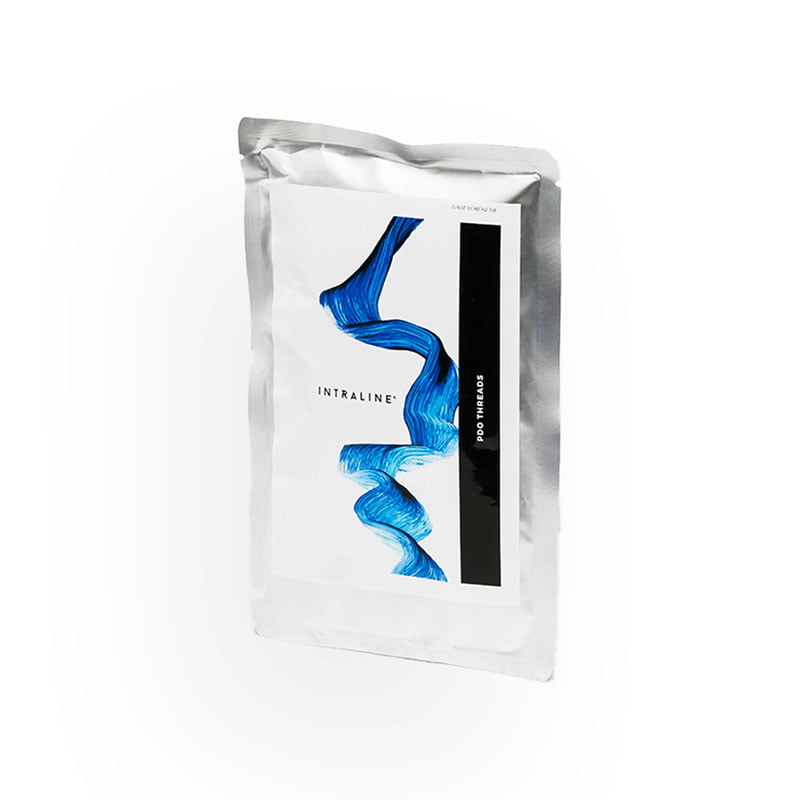
Intraline® Mono 29G 50 70 6-0
Order Intraline® Mono 29G 50 70 6-0 for Clinics
Aesthetic Medical Device
$83.00
You save (%)
Description
Intraline® Mono 29G 50 70 6-0 is a smooth polydioxanone (PDO) mono thread for professional aesthetic procedures in licensed clinics and healthcare settings. Clinics can order Intraline® Mono 29G 50 70 6-0 online as a clinic-use PDO thread supply when the 29G, 50/70mm, 6-0 mono format matches the practitioner’s protocol. The practical purchase decision starts with matching the needle gauge, thread design, length format, sterile handling needs, and treatment-room documentation.
This mono thread format is commonly selected for aesthetic workflows focused on subtle support, skin texture, and collagen-stimulation planning. It is not a retail cosmetic item or a general skin-care supply. Clinic teams should align the product with trained professional use, patient consent materials, inventory records, and the manufacturer’s instructions supplied with the device.
Intraline® Mono 29G 50 70 6-0 Price and Clinic Ordering
When reviewing the Intraline® Mono 29G 50 70 6-0 price, assess the complete clinic-ready presentation rather than a single number. Gauge, thread design, length format, sterile unit count, and current box presentation all affect practical value. A similar PDO mono thread may not support the same tray setup or mapping plan if the needle length, thread length, or packaging format differs.
MedWholesaleSupplies serves licensed clinics and healthcare professionals purchasing brand-name medical products through vetted distributor channels. During checkout and receiving, your team should keep clinic account information, purchase records, and internal use documentation organized. These steps help connect procurement with clinical governance without slowing product selection.
For brand-level browsing, use the Intraline product range. For adjacent thread formats, the professional threads collection can help staff distinguish mono, spiral, screw, and cog designs before adding stock. The anchor decision is the exact SKU fit, not the broad category name.
Quick tip: Match the full product name, gauge, length format, and thread design before selecting quantity.
How This Mono PDO Thread Fits Clinic Protocols
Intraline® Mono 29G 50 70 6-0 is a smooth absorbable PDO thread. Mono threads are generally used when the intended clinic goal is diffuse support and tissue conditioning rather than stronger mechanical lifting. That distinction is important because a smooth filament does not engage tissue like a barbed cog thread.
The 29G component refers to needle gauge, while the 6-0 element describes the fine thread size. The 50/70mm format is used to describe the needle and thread length relationship for this configuration. Before treatment-room use, staff should confirm the current carton and sterile pouch labels against the treatment plan, especially when a clinic stocks multiple Intraline® lengths.
This product may also appear in professional catalog references as Intraline® Mono M2950, Intraline® PDO Threads M2950, Intraline® Mono 29G 50/70mm 6-0, or Intraline® PDO Mono 29G 50 70. Those names can point to the same general configuration, but stock picking should rely on the current box and pouch labels. Similar names are not enough when tray preparation depends on precise gauge and length.
For clinical education on the thread category, staff may use PDO thread mechanism basics alongside manufacturer materials. General education can support onboarding, but the instructions supplied with the specific device should guide storage, preparation, and use.
Forms, Strengths, and Packaging Checks
This SKU identifies a specific mono PDO thread presentation rather than a broad treatment family. The key identifiers are smooth mono thread design, 29G needle, 50/70mm length format, and 6-0 thread size. If your practice compares Intraline® 29G Mono threads across several lengths, shelf labeling should include all four identifiers.
| Attribute | Clinic-facing point | What to verify |
|---|---|---|
| Thread design | Smooth mono PDO thread | Confirm it is not spiral, screw, or cog |
| Needle gauge | 29G | Match practitioner protocol and insertion preference |
| Thread size | 6-0 | Check the box and pouch before tray setup |
| Length format | 50/70mm configuration | Confirm needle and thread length relationship |
| Sterile use | Single-use sterile device | Do not use damaged or opened sterile barriers |
| Inventory control | Lot and expiry tracking | Record details at receiving and treatment use |
Packaging details affect more than procurement. They influence per-procedure inventory planning, sterile field preparation, waste control, and stock rotation. If a carton contains individually packed units, each unit should remain linked to the original product name, lot, and expiry details until use.
Keep near-identical Intraline® PDO mono thread supply separated by gauge, length, and design. A shelf label that only says “mono threads” can increase selection risk when several formats sit in the same cabinet. A small investment in inventory labeling supports safer treatment-room workflow.
Storage, Handling, and US Logistics
Store sterile thread units in their original packaging under the conditions stated on the carton or device literature. Do not remove pouches from labeled boxes unless your clinic has a controlled method to preserve product identity, lot number, and expiry visibility. The outer packaging protects both sterile status and traceability.
Before opening a pouch, staff should verify the correct product, intact sterile barrier, expiry date, and planned treatment area. Opened, contaminated, expired, or damaged units should be discarded according to clinic policy. Single-use thread devices should not be resterilized or saved for later sessions.
Clinic logistics should connect purchasing, receiving, storage, and treatment records. Record lot and expiry details when stock arrives, then document the units used during each procedure. This workflow supports stock rotation, adverse-event review, recall response, and more accurate purchasing forecasts.
Orders may involve temperature-controlled handling when required and tracked US delivery. Storage expectations should still follow the product label, not assumptions from fillers, injectables, or other aesthetic devices kept in the same facility. Separating thread stock from products with different handling requirements can make daily product picking faster and cleaner.
Professional Administration and Treatment-Room Use
Placement should be performed only by appropriately trained clinicians using aseptic technique and the manufacturer’s instructions. Typical preparation includes patient assessment, informed consent, treatment-area marking, skin cleansing, and confirmation that the chosen thread design matches the objective. Mono PDO threads are often used as part of a staged rejuvenation plan rather than as a direct substitute for lifting threads.
Technique planning should account for anatomy, tissue thickness, laxity pattern, entry points, insertion depth, and expected recovery effects such as swelling or tenderness. The product is not interchangeable with dermal fillers, microneedling devices, or energy-based treatments. Each modality has a different mechanism, tissue plane, adverse-event profile, and aftercare requirement.
Clinics introducing Intraline® Mono PDO threads should prepare procedure templates before the first treatment day. Useful materials include a product checklist, consent language, tray setup list, aftercare instructions, photography workflow, and escalation pathway for complications. Training should cover resistance during placement, thread visibility, palpability, and when to stop and reassess.
Patient-facing claims should remain realistic and consistent with professional standards. Smooth mono threads may support collagen-focused skin-quality plans, but they should not be presented as surgical lifting or as a guaranteed tightening result. Clear expectation setting helps clinicians choose the correct thread type for the consultation goal.
Safety Screening and Monitoring
Before treatment, clinicians should screen for factors that may increase the risk of infection, bruising, extrusion, delayed healing, or an unsatisfactory result. Important considerations include active infection, inflamed skin, open lesions, significant bleeding risk, immune suppression, poor wound-healing history, and prior problematic scarring. Recent procedures in the same area may also change tissue response.
- Active skin concerns: delay placement near infection, dermatitis, or open lesions.
- Bleeding risk: review anticoagulants, antiplatelet therapy, and relevant supplements.
- Healing concerns: consider immune status, scarring tendency, and recovery capacity.
- Recent procedures: account for filler, peeling, laser, or energy-device treatments.
- Expectation mismatch: avoid mono threads when heavy lift is the stated goal.
Common short-term local effects can include redness, swelling, bruising, tenderness, mild unevenness, and temporary visibility or palpability along the thread path. These effects should be explained during consent and recorded after placement. Standardized notes and photography can make follow-up assessment more consistent.
Clinics should also prepare for less common but important events, including infection, extrusion, migration, prolonged pain, pronounced dimpling, or persistent contour irregularity. Severe pain, blanching, neurologic symptoms, unexpected resistance, or marked asymmetry should prompt immediate reassessment under the clinic’s complication pathway and device instructions.
Medicine and procedure timing can matter even though this is a device-based treatment. Anticoagulants, antiplatelet medicines, systemic corticosteroids, immunomodulators, and some supplements may affect bruising or healing risk. The treating clinician should decide whether timing, site selection, or aftercare needs adjustment for the individual patient.
Compare With Intraline® and Other Thread Formats
Mono PDO threads occupy a specific role in an aesthetic clinic’s device set. They are commonly selected for subtle, texture-oriented support and collagen-focused planning. Barbed cog threads, spiral threads, screw designs, fillers, skin boosters, microneedling, and energy devices may all have a role, but they are not direct substitutes for this SKU.
| Option | Common clinic role | Main distinction |
|---|---|---|
| Mono PDO thread | Diffuse support and skin-quality workflows | Smooth design with less mechanical grip |
| Cog PDO thread | Vector support in selected laxity patterns | Barbs engage tissue differently |
| Spiral or screw thread | Selected protocols needing a different thread shape | Different placement behavior and tissue interaction |
| Dermal filler | Volume restoration or contouring | Injectable gel, not an absorbable thread |
| Microneedling device | Surface remodeling workflow | Needling treatment, not thread implantation |
When comparing within the Intraline® range, the closest questions are gauge, length, and design. Practices that need another 29G mono configuration may assess Intraline® Mono 29G 38 50 6-0. Clinics that work with a 27G mono format can review Intraline® PDO Mono M2750 27G 50mm 70mm.
Thread shape should remain a deliberate protocol decision. If the clinical plan calls for a spiral design rather than a smooth mono thread, Intraline® Spiral 29G 50 70 6-0 is an adjacent product to evaluate. Switching design or length can change insertion strategy, consent wording, aftercare, and complication planning.
Why it matters: A similar gauge does not make two PDO thread designs clinically interchangeable.
Documentation and Staff Workflow
Receiving staff should capture product name, carton count, lot number, expiry date, and supplier invoice details when stock arrives. Treatment staff should record the thread type and lot information in the procedure note. This connection between procurement and use supports traceability if a device concern, adverse event, or recall question arises.
Procedure rooms should have a simple pre-opening checklist. Include the exact product name, treatment area, sterile barrier status, expiry date, and practitioner sign-off. A brief checklist reduces the chance of opening the wrong thread format when multiple Intraline® products are stored together.
For staff education and risk awareness, the thread lift risk discussion can support internal training conversations. For brand-specific treatment context, Intraline aesthetic applications may help non-clinical team members understand why exact product selection matters. These materials should supplement, not replace, current device labeling and clinic SOPs.
Authoritative Sources for Final Checks
Final product checks should rely on the current carton, sterile pouch label, and manufacturer instructions for use supplied with the device. These materials are the controlling sources for intended use, sterility, storage conditions, expiration, and market-specific restrictions. Internal SOPs should support those instructions rather than replace them.
- Manufacturer instructions for use supplied with the specific SKU.
- Current carton and sterile pouch labeling, including lot and expiry.
- Local professional standards for aesthetic thread procedures.
- Clinic consent, documentation, and adverse-event escalation policies.
Procurement records should remain accessible to both purchasing and clinical staff. A shared product binder or controlled digital file can reduce confusion when similar thread names are stocked together. Consistent documentation also helps procurement teams understand true clinic demand by linking each order to actual use patterns.
This content is for informational purposes only and is not a substitute for professional medical advice.
Frequently Asked Questions
What is Intraline® Mono 29G 50 70 6-0 used for in clinics?
It is a smooth PDO mono thread used by trained aesthetic professionals in procedures focused on subtle support, skin texture, and collagen-stimulation workflows. It should be used according to the manufacturer’s instructions and the clinic’s professional protocol.
How should clinics verify the correct Intraline® Mono M2950 thread before use?
Staff should match the product name, 29G gauge, 50/70mm length format, 6-0 thread size, sterile barrier, lot number, and expiry date against the treatment plan before opening the pouch.
Is Intraline® Mono 29G 50 70 6-0 interchangeable with spiral or cog threads?
No. Mono, spiral, screw, and cog threads have different designs and handling characteristics. Substitution should be a clinician-led protocol decision because thread shape can affect insertion strategy, consent language, and aftercare.
What records should be kept when stocking Intraline® PDO mono threads?
Clinics should record the product name, box count, lot number, expiry date, supplier invoice details, and units used in each treatment. These records support stock rotation, traceability, and adverse-event review.
How should unused sterile thread units be stored?
Unused units should remain in their original packaging under the storage conditions stated on the carton or device literature. Keep lot and expiry information visible, and do not use units with damaged, opened, or expired sterile packaging.
Specifications
- Main Ingredient: Polydioxanone (Pdo)
- Manufacturer: Intraline
- Drug Class: Medical Device
- Generic Name: Polydioxanone (Pdo) Thread
- Package Contents: 20 pcs
- Storage Requirements: Cool Temperature (2℃~8℃)
- Main Usage:
About the Brand
Intraline
Counted among the cream of the crop in the medical sphere, Intraline is famed for its extensive array of groundbreaking, top-notch products tailored for the health sector. From cutting-edge dermal fillers to industry-leading PDO threads, Intraline has carved out a niche for itself as a credible entity within aesthetic medicine. A major distinguishing factor for Intraline lies in its unwavering dedication to delivering safe and result-oriented solutions for both health practitioners and patients. We, at medwholesalesupplies.com, take pride in featuring Intraline products for sale. Our digital platform is crafted to simplify the procurement process, providing a convenient shopping experience for medical professionals. Be it dermal fillers or PDO threads you're in search of, you can confidently rely on our platform to bring you the finest Intraline products, competitively priced. Thanks to our secure payment gateway and dependable shipping options, we offer you the peace of mind that comes with knowing you're investing wisely in the finest products for your practice. Shopping for Intraline products via medwholesalesupplies.com presents numerous advantages. First off, you're guaranteed authentic Intraline products, directly sourced from the manufacturer, attesting to their quality and safety. Furthermore, our compelling prices coupled with bulk buying options equate to significant cost savings while ensuring a consistent inventory of Intraline products for your practice. With our speedy, trusted shipping methods, you can comfortably expect to receive your Intraline items promptly. Choose medwholesalesupplies.com, your trusted source for premier Intraline solutions tailored to your health requirements.
Browse Intraline Products
Here to help
Questions about ordering, delivery or products? You can email our team here or call now at 1-800-630-9757 and be connected with your dedicated Account Manager
Related Products
JALUPRO® PLUS 4ML
Skin Rejuvenation Treatment
$86.00 - $89.00
You save (%)
You save (%)
$339.00
You save (%)
You save (%)
Select options
This product has multiple variants. The options may be chosen on the product page
Juvéderm® SKINVIVE
Dermal Filler
$339.00 - $359.00
You save (%)
You save (%)
$86.00 - $119.00
You save (%)
You save (%)
Related Articles
Lip Fillers Swelling Stages: Timeline, Safety, and Follow-Up
Lip fillers swelling stages usually follow a short inflammatory course: swelling appears soon after injection,…
Hypopigmentation of the Skin: Assessment and Care
Hypopigmentation of the skin means one or more areas look lighter than the surrounding skin.…
Radiesse vs Sculptra: Selection Factors for Clinics
Radiesse vs Sculptra is best understood as a comparison between two collagen-stimulating injectables with different…
Hyaluronic Acid Under-Eye Filler: Safety and Workflow
Hyaluronic acid under-eye filler is an injectable soft-tissue filler used by trained aesthetic clinicians to…
Dermal Filler Types: Materials, Uses, and Clinic Fit
Dermal filler types are usually grouped by their base material, tissue behavior, and expected role…
What Is Dysport? Clinical Uses, Safety, and Workflow
For clinic teams asking what is Dysport, the short answer is simple: Dysport is a…
Biostimulators in Aesthetic Care: Selection and Safety
Biostimulators are injectable aesthetic products used to encourage a controlled tissue response, often involving new…
Do You Ovulate on an IUD? Clinic Counseling Points
Clinicians hear the shorthand question do you ovulate on iud, but the practical answer depends…