

- You must be logged in to add items to the cart.
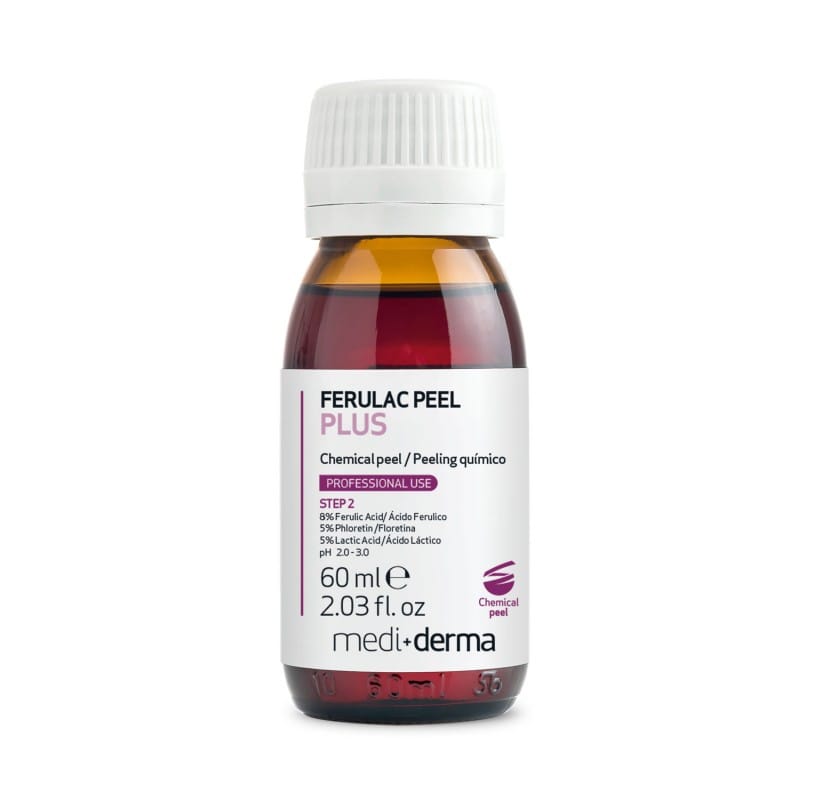
MEDIDERMA® Ferulac Peel Plus
Order Ferulac Peel Plus for Clinics
Skincare Product
$79.00
You save (%)
Description
MEDIDERMA® Ferulac Peel Plus is a professional chemical peel preparation used in clinic-led resurfacing programs focused on brightness, tone uniformity, and texture refinement. Licensed clinics, med spas, and healthcare professionals can order Ferulac Peel Plus for treatment-room use within supervised aesthetic protocols. Its practical value is workflow control: trained staff can sequence application, exposure, layering, and post-care according to manufacturer guidance and patient tolerance.
Med Wholesale Supplies supports professional procurement with US distribution for clinics that maintain documented aesthetic formularies. Each received unit should be matched to clinic intake records, lot details, expiry date, and the protocol version used by the treating professional.
Ferulac Peel Plus Price and Clinic Ordering
Ferulac Peel Plus price access is available to qualified professional accounts after sign-in. Clinics can align purchasing with seasonal peel demand, scheduled series, and multi-location inventory planning rather than sourcing one treatment at a time. Contract and volume structures may apply for established accounts.
New clinic accounts complete professional verification before ordering. Once approved, your team can add MEDIDERMA® Ferulac Peel Plus to an internal formulary list, document staff training requirements, and coordinate restocks with other professional skincare supplies. Use the product name, lot number, and expiry date during receiving so inventory remains traceable across locations.
Quick tip: Pair peel purchasing with post-procedure skincare and PPE planning so treatment rooms remain stocked for the full protocol.
What Ferulac Peel Plus Is and How It Works
Ferulac Peel Plus chemical peel combines ferulic acid, phloretin, and retinol for controlled exfoliation and visible radiance in professional aesthetic care. Ferulic acid and phloretin are antioxidant ingredients used to help address oxidative stress associated with environmental exposure. Retinol supports epidermal turnover, which can improve the look of surface texture when used within an appropriate peel schedule.
The Ferulac Peel Plus peel solution is intended for trained professional application, not at-home self-use. Application decisions may include skin preparation, number of layers, exposure time, spacing between sessions, and post-peel support. These choices should follow manufacturer instructions, clinic policy, local practice standards, and the treating professional’s assessment.
Clinics often place this product within brightening or pigment-focused menus where controlled non-ablative resurfacing is preferred. For broader menu planning, the Peels and Masks category can help teams evaluate companion resurfacing products, masks, and adjunctive protocol items.
Professional Applications in Aesthetic Practice
Professional Ferulac Peel Plus fits protocols designed for uneven tone, dull surface appearance, photoaging-related texture changes, and visible discoloration concerns when a chemical peel is appropriate. It may be scheduled as a stand-alone resurfacing visit or incorporated into a staged plan with other non-ablative services. The decision to combine or separate modalities should remain clinic-led and based on skin condition, timing, tolerance, and aftercare adherence.
During treatment planning, staff should document baseline skin observations, recent procedures, home-care actives, sensitivity history, and anticipated downtime. Retinoids, exfoliating acids, photosensitizing medications, recent tanning, active irritation, or compromised barrier function may affect suitability. Chemical peel strength should not be judged by product name alone; depth and intensity depend on formulation, skin preparation, application method, exposure, and individual response.
For clinics building tiered peel menus, MEDIDERMA brand options can be reviewed through the MEDIDERMA collection. Educational context on portfolio positioning is also available in our article on the MEDIDERMA professional skincare range.
Key Features for Clinic Workflows
- Professional chemical peel preparation for controlled resurfacing protocols.
- Ferulic acid and phloretin provide antioxidant-focused support.
- Retinol supports visible renewal and surface refinement.
- Clinic-controlled application allows protocol adjustment by trained staff.
- Clear receiving documentation supports lot, expiry, and formulary tracking.
- Suitable for integration into brightening, texture, and tone-uniformity menus.
- Pairs with standard professional peel education, aftercare, and SPF counseling.
- US distribution supports centralized purchasing for licensed aesthetic practices.
Benefits Clinics May Discuss with Patients
The main practical benefits of a Ferulac peel protocol are brighter-looking skin, more uniform tone, smoother surface appearance, and support for photoaging-focused aesthetic plans. These outcomes depend on proper patient selection, skin preparation, application technique, series spacing, and adherence to aftercare. Clinics should avoid promising a fixed result because response varies by skin type, pigment history, lifestyle, and concurrent products.
Ferulac Peel Plus can be useful when a practice wants an antioxidant-retinoid peel option that is more targeted than a basic exfoliating facial but still fits a controlled treatment-room workflow. Chair time, staff steps, and post-care counseling should be standardized so each session can be documented consistently. A soothing mask, barrier-supportive moisturizer, and strict photoprotection education often improve the overall visit experience.
Teams that publish internal treatment menus may also link Ferulac Plus protocols with patient education on chemical resurfacing. For background content that can support staff discussion, review our article on anti-aging chemical peel approaches and the role of professional skin assessment.
Composition and Ingredient Role
This preparation centers on three active ingredient themes commonly used in professional skincare: antioxidant support, pigment-related clarity, and epidermal renewal. Ferulic acid is valued in topical dermatology for antioxidant properties and compatibility with brightening routines. Phloretin is another polyphenol antioxidant that may complement tone-focused cosmetic protocols. Retinol encourages turnover in the epidermis, the outer skin layer, and can support a smoother surface appearance when professionally managed.
| Ingredient | Clinic-relevant role |
|---|---|
| Ferulic acid | Antioxidant support for protocols addressing environmental stress and visible dullness. |
| Phloretin | Polyphenol antioxidant used in clarity and tone-uniformity programs. |
| Retinol | Retinoid ingredient that supports epidermal turnover and refined texture appearance. |
Inactive components and complete ingredient disclosure should be reviewed on the manufacturer labeling before use. Staff should screen for relevant sensitivities and document any ingredient concerns before proceeding with a peel session.
Application, Aftercare, and Staff Controls
Ferulac Peel Plus is applied by trained professionals in a clinical environment. Application may involve skin cleansing, degreasing or preparation, precise placement, layer control, timed exposure, and post-peel steps based on the manufacturer protocol. Staff should not improvise stronger exposure, combine unapproved actives, or shorten aftercare instructions to fit a schedule.
Aftercare usually emphasizes barrier support, avoidance of unnecessary irritation, and consistent photoprotection. Patients should be instructed to report unexpected burning, prolonged redness, swelling, blistering, signs of infection, or pigment changes. Clinics should maintain escalation steps for adverse events and document follow-up communications after each peel.
Because chemical peels vary in intensity, the question of the strongest facial peel should be answered clinically rather than commercially. The strongest peel is not necessarily the right choice. Depth, safety margin, skin type, indication, downtime, and clinician experience determine product selection.
Safety, Contraindications, and Monitoring
Chemical peels can cause expected transient effects such as stinging, warmth, redness, dryness, tightness, flaking, and temporary sensitivity. More significant reactions may include burns, persistent irritation, post-inflammatory hyperpigmentation, hypopigmentation, scarring, infection, or flare of underlying skin conditions. Risk can increase with aggressive application, poor aftercare, recent procedures, tanning, active dermatitis, or inappropriate patient selection.
Clinics should assess pregnancy status when relevant, recent isotretinoin use, photosensitivity, active infection, open lesions, keloid tendency, allergy history, and recent use of retinoids or exfoliating acids. Patients with darker skin types may require additional caution because pigmentary alteration can be more clinically significant. Use of sunscreen and avoidance of avoidable UV exposure are central parts of any pigment-focused peel program.
Monitoring should include baseline photographs when allowed by clinic policy, consent documentation, treatment parameters, product lot number, observed tolerance, and aftercare instructions. Staff should refer patients to an appropriate clinician if reactions exceed the expected recovery pattern or if infection, scarring, or persistent pigment change is suspected.
Packaging, Storage, and Supply Controls
Each unit should arrive with manufacturer labeling that supports receiving checks and traceability. Clinics should record lot and expiry information before moving product into treatment-room stock. If a Ferulac Peel Plus kit is offered through your distributor, review the included components before scheduling so applicators, neutralizing products, masks, and post-care items are available.
Store and handle the product according to manufacturer directions. Keep professional peels secured away from retail shelves and unsupervised patient access. If your clinic uses multiple peel lines, label storage bins clearly to reduce selection errors during busy treatment days.
Our logistics process can include temperature-controlled handling when required and tracked US delivery. Receiving staff should inspect outer packaging, compare labels with the purchase record, and quarantine any unit that appears damaged until it is reviewed.
Related MEDIDERMA and Peel Options
Clinics that maintain several MEDIDERMA protocols may pair Ferulac Peel Plus with related options according to clinical goals and staff training. Ferulac Peel Classic may suit programs that need a companion formulation within the Ferulac family. Ferulac Valencia Peel can be evaluated when building a broader antioxidant peel menu.
Adjunctive products can also support protocol customization. Ferulac Nano Additive Mist may be considered by clinics familiar with MEDIDERMA procedure sequencing, while Melases TRX Booster Peel may fit pigment-focused pathways when selected by a trained professional. For broader daily-care planning around procedures, browse the Skincare category.
When comparing alternatives, avoid substituting products solely by perceived strength or patient request. Match each peel to the intended cosmetic concern, downtime tolerance, recent actives, skin type, and staff competency. Protocol changes should be approved by the clinical lead before they are reflected in booking templates.
Authoritative Sources
For clinical background on chemical peels, retinoids, and antioxidant skincare ingredients, consult peer-reviewed dermatology literature and professional dermatology references. These sources support general safety and ingredient context; manufacturer instructions remain the source for product-specific use.
This content is for informational purposes only and is not a substitute for professional medical advice.
Frequently Asked Questions
Who can order Ferulac Peel Plus?
Ferulac Peel Plus is intended for licensed clinics, med spas, aesthetic practices, and healthcare professionals using professional chemical peel protocols. Account verification may be required before clinic pricing and ordering are enabled.
What is Ferulac Peel Plus used for in clinics?
Clinics use it in supervised resurfacing programs focused on brighter-looking skin, tone uniformity, texture refinement, and photoaging-related cosmetic concerns. Suitability depends on skin assessment, protocol selection, and aftercare compliance.
How is Ferulac Peel Plus applied?
It should be applied only by trained professionals following manufacturer instructions. Layering, exposure time, sequencing, and session intervals should be controlled by the clinic based on skin condition and tolerance.
How should clinics plan Ferulac Peel Plus inventory?
Record lot and expiry details at receiving, store the product according to manufacturer directions, and align purchasing with scheduled peel series. Multi-location practices should centralize stock rotation when possible.
What affects the cost of a Ferulac Peel Plus treatment?
Clinic treatment cost may reflect product purchasing terms, staff time, protocol steps, post-care supplies, and whether the peel is scheduled alone or within a broader aesthetic plan. Qualified accounts can sign in for current product pricing.
Specifications
- Main Ingredient: Ferulic Acid
- Manufacturer: Sesderma Laboratories
- Drug Class: Skincare Product
- Generic Name: Ferulic Acid
- Package Contents: 60 mL
- Storage Requirements: Room Temperature (2℃~25℃)
- Main Usage: Exfoliator, Skin Pigmentation, Fine Lines
About the Brand
Mediderma
BUY MEDIDERMA PRODUCTS ONLINE AT WHOLESALE PRICES ON MedWholesaleSupplies Mediderma is a reliable brand within the medical sector, delivering top-of-the-line skincare products. These can now be conveniently procured directly from our online platform, medwholesalesupplies.com. Buy MEDIDERMA® skincare products at wholesale prices – register an account on Med Wholesale Supplies today! What is MediDerma? Mediderma's commitment to research and invention ensures that their offerings cater effectively and safely to diverse dermatological needs. Whether you're a medical professional or an individual seeking superior skincare options, Mediderma stands as the brand of choice. MEDIDERMA® Product Range By availing Mediderma's range on medwholesalesupplies.com, we make it easy for you to access world-class skincare solutions without any hassles. As a highly-reputed online medical store, we offer a broad gamut of medical offerings, including Mediderma, satisfying an array of customer requirements. Our focus is consistently on customer satisfaction which is reflected in our competitive pricing, timely delivery, and unmatched customer assistance. With medwholesalesupplies.com, buying Mediderma skincare products is a breeze. ARGIPEEL Exfoliant gel for sensitive skin; contains arginine for hydration, antioxidant effects, and collagen stimulation, plus lactic acid for gentle exfoliation. AZELAC Skin-brightening line for inflamed, hypersensitive skin and rosacea; includes creams, serums, and peels for redness, swelling, hyperpigmentation, inflammation, and acne. C-DEFENSE Vitamin C and peptide-based products for tired, dull skin; brightens, firms, and protects against pollution and free radicals. FERULAC Anti-aging line with ferulic acid, vitamins, and retinoids; targets wrinkles, fine lines, and sun damage, stimulating collagen production. FR-ANTIOX Ferulic acid-based line with additional antioxidants; combats oxidative stress, sun damage, and aging, suitable for mature skin. HYLANSES Products with various types of hyaluronic acid; hydrates and addresses firmness and elasticity, ideal for sensitive, dry, and mature skin. MELA 360 Targets hyperpigmentation with products like the MELA 360 SPOT CORRECTOR; contains kojic acid, arbutin, and licorice extract for brightening dark spots. MELASES TRX Focuses on melasma and hormonal dark spots; tranexamic acid chemical peel reduces sun damage, inflammation, and aging effects. Where Can I Buy MEDIDERMA®? MEDIDERMA® Laboratories offer a wide range of products tailored to various patient needs. If you wish to order MEDIDERMA® online, our team can assist you in finding the best deals. Dermatological clinics should purchase MEDIDERMA® at wholesale prices to offer their patients the most affordable rates while ensuring product authenticity and quality. Contact our agents today to supply your clinic with genuine MEDIDERMA® products from trusted distributors.
Browse Mediderma Products
Here to help
Questions about ordering, delivery or products? You can email our team here or call now at 1-800-630-9757 and be connected with your dedicated Account Manager
Related Products
JALUPRO® PLUS 4ML
Skin Rejuvenation Treatment
$86.00 - $89.00
You save (%)
You save (%)
$339.00
You save (%)
You save (%)
Select options
This product has multiple variants. The options may be chosen on the product page
Juvéderm® SKINVIVE
Dermal Filler
$339.00 - $359.00
You save (%)
You save (%)
$86.00 - $119.00
You save (%)
You save (%)
Related Articles
Hyaluronic Acid Under-Eye Filler: Safety and Workflow
Hyaluronic acid under-eye filler is an injectable soft-tissue filler used by trained aesthetic clinicians to…
Dermal Filler Types: Materials, Uses, and Clinic Fit
Dermal filler types are usually grouped by their base material, tissue behavior, and expected role…
What Is Dysport? Clinical Uses, Safety, and Workflow
For clinic teams asking what is Dysport, the short answer is simple: Dysport is a…
Biostimulators in Aesthetic Care: Selection and Safety
Biostimulators are injectable aesthetic products used to encourage a controlled tissue response, often involving new…
Do You Ovulate on an IUD? Clinic Counseling Points
Clinicians hear the shorthand question do you ovulate on iud, but the practical answer depends…
Vascular Occlusion: Early Signs, Risks, and Clinic Response
A vascular occlusion is a partial or complete blockage of blood flow in a vessel.…
Wrinkles Around the Mouth: Causes and Treatment Options
Wrinkles around the mouth can be softened, not always permanently erased, by matching the line…
Are Knee Gel Injections Painful? Counseling and Safety
Most patients do not describe knee gel injections as severely painful. Clinic teams should set…