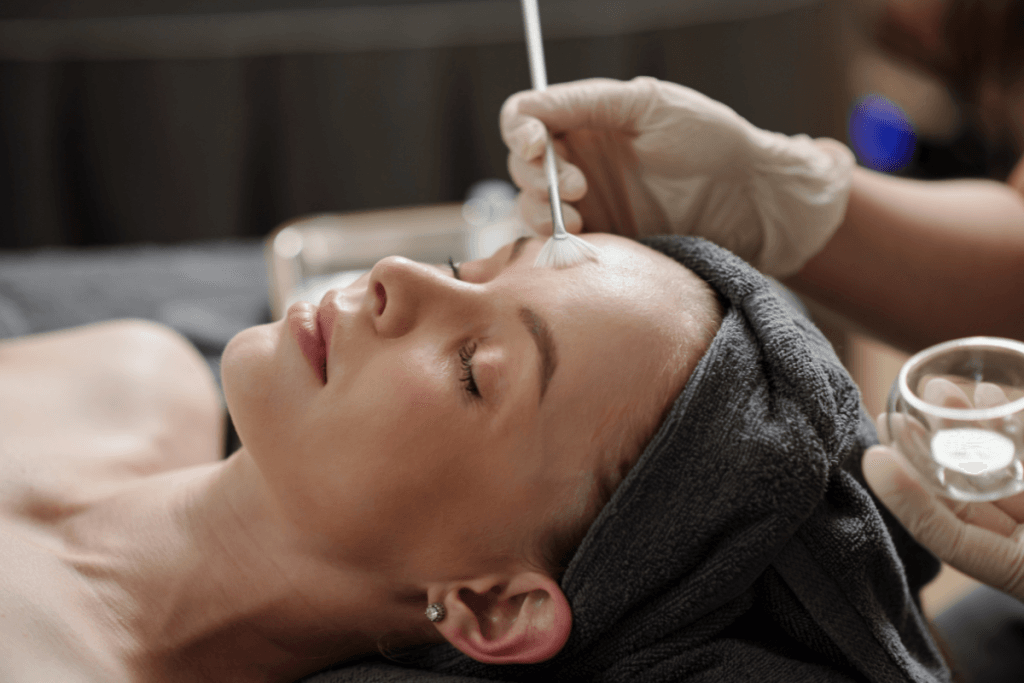
Brightening peels are a common add-on in aesthetic practice. They can support a broader plan for dullness, uneven tone, and rough texture. When you evaluate a filorga peel for clinic use, the key questions are practical: who is appropriate, how to set expectations, and what steps reduce avoidable irritation. You also need a repeatable workflow for documentation, storage, and traceability.
This guide is written for licensed healthcare professionals and clinic teams. It stays high-level and operational. Always follow the manufacturer’s instructions for use (IFU), training, and local regulations.
Key Takeaways
- Confirm depth: keep “superficial” goals explicit in your protocol.
- Screen carefully: history, pigments, and barrier status change risk.
- Standardize prep: pause conflicting actives and document baseline.
- Plan aftercare: sun protection and gentle routines reduce complications.
- Operationalize: lot tracking and IFU adherence protect your clinic.
Where Brightening Peels Fit in Practice
Superficial chemical exfoliation can be positioned as a structured, repeatable service. Clinics often use it to address cosmetic concerns like visible dullness, uneven skin tone (dyschromia), and superficial textural irregularities. In a protocol, it may complement other interventions that target hydration, photodamage, or fine lines. The operational benefit is consistency: a standardized visit flow can reduce variability across providers.
In planning, treat peels as one tool in a broader “skin quality” pathway. For example, some clinics sequence a peel program around hydration-focused services, barrier support, and ongoing UV avoidance. If you want a quick way to map what your clinic already stocks, a category hub like Peels And Masks can help you audit options by type rather than by brand.
Why it matters: A defined place in the care plan improves consent conversations and reduces mismatched expectations.
Peel choice also affects staffing and scheduling. Even when “minimal downtime” is expected, you still need time for intake, standardized photos, post-care instructions, and follow-up touchpoints. If your team is building an anti-aging menu, align peel language with your overall positioning; see Anti-Aging Solutions With Chemical Peels for broader context on how peels are commonly discussed in aesthetic practices.
Trust cue: MedWholesaleSupplies supports licensed clinical accounts with professional-only access controls.
Finally, think in “skin barrier weeks,” not single visits. A peel program often succeeds when the patient’s home routine is stable and gentle. That may mean emphasizing moisturization and barrier-friendly cleansing before you emphasize more actives. For related supportive care concepts, The Science Behind Hydrating Masks offers a useful refresher on hydration and barrier comfort in aesthetic regimens.
Using filorga peel in a Superficial Brightening Protocol
In many clinics, Filorga Skin Perfusion peel systems are considered as professional superficial options for tone and texture goals. Product naming often signals an intended positioning (for example, “Bright,” “Light,” or “Time”), but clinics should avoid assumptions based on names alone. Instead, base protocols on the IFU, staff training, and your patient population’s risk profile.
When you evaluate a specific product, document what matters operationally: active categories (for example, AHA/BHA/PHA families), expected intensity, compatible pre-cleanse steps, and the post-procedure comfort plan. If you maintain a formulary list, keep the entry short and actionable so providers can follow it under time pressure.
Examples that clinics may compare include Filorga Bright Peel Normal Skin, Filorga Light Peel Sensitive Skin, and Filorga Time Peel Normal Skin. Treat these links as inventory references, not clinical directions.
How to Compare Similar “Brightening” Peels
Use a short comparison framework so teams do not default to habit. Start with peel family (AHA/BHA/PHA blends versus other acid systems), then consider the typical tolerance profile in your patient mix. Next, review contraindications and interactions called out by the manufacturer. Finally, confirm what the patient must do at home to reduce irritation risk. The “best” option is usually the one that matches your clinic’s workflow and safety margin, not the one that sounds strongest.
To keep decision-making consistent, write a one-page protocol for each peel you carry. Include indications in broad cosmetic terms, required consent points, and how you handle unexpected irritation. Policies vary by clinic and jurisdiction, so treat this as a living document.
Exfoliating Acids Explained: AHA, BHA, PHA
Many professional peels rely on exfoliating acids. These work by loosening corneocyte connections in the stratum corneum, which changes surface texture and can improve visible radiance. However, “acid” is not a single category. Different families behave differently in terms of penetration, oil solubility, and irritation potential.
For clinic teams, the goal is not to memorize chemistry. The goal is to understand how acid families relate to tolerability, acne-prone skin, and post-inflammatory hyperpigmentation (PIH) risk. That understanding helps you select conservative options for higher-risk patients and set more realistic aftercare expectations.
AHA vs BHA vs PHA: Practical Differences
Alpha hydroxy acids (AHAs) are water-soluble acids often used for surface exfoliation and visible brightness. Beta hydroxy acids (BHAs) are oil-soluble and are often discussed for congested, oilier areas because of their affinity for sebum. Polyhydroxy acids (PHAs) are larger molecules; they are commonly described as more “gentle” in feel, though any peel can still irritate. In practice, blends may improve flexibility but also complicate prediction. Always anchor decisions in the product IFU rather than general rules.
| Acid family | Simple description | Where clinics often consider it | Common operational notes |
|---|---|---|---|
| AHA | Water-soluble exfoliating acids | Dullness, uneven tone, rough texture | Comfort varies; reinforce barrier support and UV avoidance |
| BHA | Oil-soluble exfoliating acids | Congestion-prone, oilier areas | May feel more “active”; plan conservative scheduling |
| PHA | Larger-molecule hydroxy acids | Sensitive-feeling skin or first-time peelers | Often paired with gentle routines; still requires screening |
When you document peel selection, write down the family and the intended depth. That record is helpful when patients rotate between services, or when multiple clinicians share follow-up responsibility. It is also useful when you troubleshoot unexpected irritation after a filorga peel, because you can quickly check whether other exfoliants were added too soon.
Patient Selection and Risk Stratification
Candidate selection is the part most likely to prevent problems. Many adverse outcomes after superficial peels relate to predictable risk factors: recent barrier disruption, strong home actives, visible inflammation, or a history of pigmentary response. Your intake should capture these factors clearly, using language patients understand.
Start with baseline history and “current skin behavior.” Ask about recent waxing, retinoid use, aggressive scrubs, prior peel reactions, and recent sun exposure patterns. Then document Fitzpatrick skin type considerations, because darker phototypes can have higher PIH risk depending on the trigger and aftercare adherence. This is especially relevant when the visit goal is hyperpigmentation or melasma management, where improvement can be slow and setbacks can occur.
Trust cue: MedWholesaleSupplies focuses on authentic, brand-name items intended for professional clinical use.
Higher-Risk Scenarios to Flag Early
Build a “pause and reassess” list for your clinic. Examples often include active dermatitis (skin inflammation), visible infection, uncontrolled inflammation from acne, recent intense sunburn, or patients who cannot follow a gentle post-procedure routine. Also consider patients with a strong history of PIH, especially if they have had pigment rebound after prior cosmetic procedures. If melasma is a primary complaint, emphasize that triggers extend beyond exfoliation, including UV and heat exposure. Your plan should prioritize low irritation and strict photoprotection messaging.
For deeper reading on pigment concerns and conservative planning, share internally: Chemical Peel For Hyperpigmentation. It can help staff keep language consistent during consults.
Also be explicit about “professional peel vs at home peel.” Patients may arrive after using multiple acids at home and may underestimate cumulative irritation. Your consent and instruction sheets should state which home actives to avoid around the procedure window, per your clinic policy and the product IFU. This is not about restricting products; it is about preventing an avoidable barrier injury.
In counseling, keep claims conservative. Describe expected sensations and typical temporary effects rather than promising specific “before and after” outcomes. Document that conversation, because it is often the difference between a straightforward follow-up and a prolonged complaint.
Pre- and Post-Peel Care: Setting Expectations
Clear preparation and aftercare steps reduce callbacks. They also protect your clinic when patients use conflicting products at home. Build a one-page “pre peel preparation guide” and “post peel care routine” that every provider uses. Keep it short, and use patient-friendly synonyms for medical terms.
Before the visit, many clinics focus on barrier stability. That may include simplifying cleansers, pausing harsh exfoliants, and confirming there is no active rash or irritation on arrival. On the day, a structured skin assessment helps you decide whether to proceed, defer, or switch to a gentler service. If your peel system includes dedicated skin-prep or post-care items, keep them tied to a protocol entry rather than relying on memory. Inventory examples include Filorga Pre-Peel 1 and Filorga Post-Peel 1.
Quick tip: Standardize post-care handouts and review them aloud before discharge.
After the procedure, set expectations about redness, tightness, dryness, and flaking. The degree varies by product and patient factors, so avoid exact timelines. Instead, describe a range of possibilities and explain what is considered “expected” versus “needs a call.” Reinforce that sun protection after peels is non-negotiable for pigment risk reduction, especially in patients treated for uneven tone.
When patients ask about “how many peel sessions needed,” keep the answer framed as a program rather than a number. Many cosmetic concerns require repeated, conservative steps. Stress that incremental improvement is typical and that over-treating can prolong irritation. If your clinic uses adjunctive services for texture or glow, coordinate spacing and avoid stacking multiple irritants close together. This counseling is part of risk management for any filorga peel protocol.
Clinic Operations: Procurement, Documentation, Handling
Peels are clinical inventory. Treat them like other professional-use products with controlled access, clear documentation, and traceable sourcing. Operational discipline matters even when the procedure is “superficial,” because complaints often relate to inconsistent technique or unclear aftercare rather than the peel itself.
Trust cue: Stock is sourced through vetted distributors to support traceable procurement.
Procurement teams should verify the exact product name, packaging size, and IFU version. When receiving shipments, record lot numbers and expiry dates, then store per manufacturer directions. Avoid decanting into unmarked containers unless the IFU explicitly supports it. If your clinic coordinates supplies across sites, use a single inventory log format so transfers remain traceable. MedWholesaleSupplies positions itself as a supplier for licensed clinics with documentation-minded sourcing and US distribution, which can help standardize procurement across locations.
Clinic Workflow Snapshot (High-Level)
- Verify: confirm product and IFU version on intake.
- Document: log lot, expiry, and receiving date.
- Store: follow labeled conditions and keep original packaging.
- Prepare: use a standardized treatment room checklist.
- Perform: follow protocol steps and chart key observations.
- Educate: provide written aftercare and document counseling.
- Record: note any reactions and scheduled follow-up plan.
Also build a short “pitfalls” list for staff refreshers. Keep it operational rather than clinical.
- Skipping photos: baseline changes become hard to judge.
- Stacking actives: barrier stress increases irritation risk.
- Unclear instructions: patients improvise with harsh products.
- Poor lot tracking: investigations become slow and incomplete.
If your clinic carries multiple peel systems, keep a simple cross-reference list for alternatives when a patient screens out of a planned service. For example, some clinics compare different professional peel formats such as BioRePeelCl3 FND or other protocols, based on training and the IFU. The goal is not to “upgrade,” but to keep the visit safe and predictable when risk factors appear.
Authoritative Sources
Use independent references to keep team education consistent, especially when onboarding new staff. These sources can help with definitions, expected effects, and general safety framing. They do not replace product-specific IFUs or clinician judgment.
For a neutral overview of what chemical peels are and how they are typically categorized, see this clinician-facing introduction from a major dermatology organization: American Academy of Dermatology chemical peel overview. For practical descriptions of peel depth, typical short-term effects, and complication concepts, this reference is also commonly used in education: DermNet NZ chemical peeling summary.
For internal team reading, you may also align peel counseling language with broader skin-quality topics, such as Anti-Aging With Peptides, so patients receive consistent messaging across services.
In day-to-day practice, the safest protocols are the most repeatable ones. Keep screening, charting, and aftercare consistent, and update your documents when IFUs change. With that foundation, a filorga peel can be integrated into your services without creating avoidable variability.
This content is for informational purposes only and is not a substitute for professional medical advice.