
$399.00
You save
Description
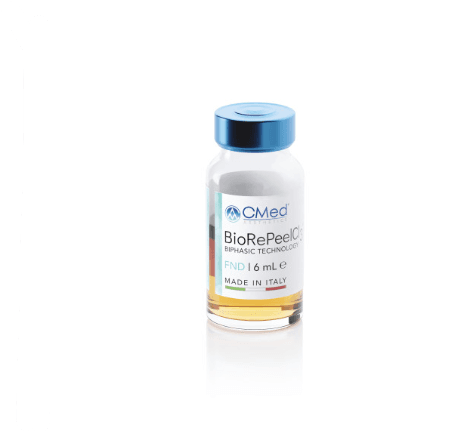
BioRePeelCl3® FND is a professional biphasic topical peel used in aesthetic protocols for the face, neck, décolletage, and delicate intimate areas as directed. Licensed clinics, med spas, and healthcare professionals can order BioRePeelCl3 FND online for clinic supply planning, with the labelled 35% trichloroacetic acid content supporting structured exfoliation and revitalisation workflows. Its two-phase format is prepared immediately before treatment-room use, helping operators maintain consistent spread and procedural control.
This preparation fits practices that need a professional peel for scheduled aesthetic services, repeat treatment series, and documented inventory management. Med Wholesale Supplies serves licensed clinics with brand-name medical products sourced through vetted distributors and verified supply channels. US distribution and reliable US logistics help practices align replenishment with planned appointment volume.
BioRePeelCl3 FND Price and Clinic Ordering
BioRePeelCl3 FND price depends on account terms, current supply, and the quantity your clinic selects during ordering. Sign in to view current wholesale pricing, volume considerations, and product availability for your professional account. Clinics commonly plan orders around service mix, seasonal demand, and the number of peel sessions scheduled per provider.
For faster internal reconciliation, use the product name and SKU 89965 on purchase requests, intake records, and inventory notes. Lot code and expiry are shown on manufacturer packaging, so staff can document receipt, rotation, and use according to clinic policy. If your practice stocks multiple peel systems, maintain clear shelf separation and treatment-room labelling to reduce selection errors.
Quick tip: Align replenishment with booked multi-session plans so clinical teams do not interrupt a treatment series because of inventory gaps.
What BioRePeelCl3 FND Is
BioRePeelCl3 FND is a biphasic medical device preparation formulated for professional topical application. “Biphasic” means the solution contains two distinct phases that must be unified before use. The aqueous and lipophilic phases are designed to work together after preparation, supporting even distribution across indicated treatment areas.
The primary active acid component is trichloroacetic acid, or TCA, at a labelled 35% concentration. In professional chemical peeling, TCA is used to produce controlled chemical exfoliation when applied by trained personnel under an appropriate protocol. The supporting vehicle and excipients help maintain product integrity, handling characteristics, and treatment-room usability.
BioRePeelCl3 FND is intended for face, neck, décolletage, and delicate intimate application as directed. Those areas require careful assessment because skin thickness, sensitivity, recent procedures, and barrier condition can vary substantially. The product should be incorporated only into protocols approved by the responsible provider or medical director.
Professional Use and Treatment-Room Workflow
Clinics use this peel within structured aesthetic programs focused on surface renewal, tone and texture support, and maintenance protocols. It can be scheduled as a stand-alone peel service or placed within broader aesthetic planning when timing is separated appropriately from other procedures. Providers should decide spacing around injectable, energy-based, or microneedling sessions according to clinic policy and individual skin assessment.
Before application, the operator should follow manufacturer directions and clinic procedures for preparation, skin assessment, consent, and aftercare education. The visible phase separation helps staff identify that preparation is required before use. Operators should not improvise contact time, layering, combination procedures, or post-treatment products outside their training and written protocol.
For adjacent professional peel choices, browse Peels And Masks. Clinics building a broader prep and recovery pathway may also review Professional Skincare for barrier-support and maintenance categories that complement aesthetic services.
Key Features for Clinic Supply
- Biphasic format supports controlled preparation and uniform spread after mixing.
- Labelled 35% TCA content provides a defined acid concentration for professional protocols.
- Topical use is indicated for face, neck, décolletage, and delicate intimate areas as directed.
- Visible phase separation gives staff a clear preparation cue before application.
- Manufacturer packaging displays lot and expiry information for traceability.
- SKU 89965 supports purchase-order matching and internal inventory records.
- Professional-use positioning fits licensed aesthetic clinics, med spas, and healthcare practices.
- Appointment-friendly handling supports repeatable workflow when staff follow written procedures.
Because this is a professional peel, the most important feature is not only the acid strength but the clinic’s control over candidate selection, application technique, aftercare, and follow-up. Standardising these steps helps reduce variability between providers and treatment rooms.
Composition and Ingredient Context
The BioRePeel FND ingredients are built around trichloroacetic acid in a balanced biphasic vehicle. TCA is a well-known chemical peel acid used in dermatologic and aesthetic settings, with depth of effect influenced by concentration, skin preparation, technique, contact time, and individual skin response. Professional judgement remains essential because the same acid category can produce different effects depending on protocol and patient factors.
| Component area | Clinic relevance |
|---|---|
| Trichloroacetic acid | Principal acid component; labelled at 35% in this preparation. |
| Aqueous phase | Supports active delivery and application characteristics after preparation. |
| Lipophilic phase | Supports stability and handling within the biphasic system. |
| Functional excipients | Manufacturer-selected stabilisers, co-solvents, and buffers help preserve solution integrity. |
Staff should use the manufacturer’s directions rather than general peel habits when preparing and applying the solution. If your clinic already uses other acid peels, avoid assuming identical prep, layering, or aftercare instructions across brands.
How to Use BioRePeelCl3 FND in Practice
BioRePeelCl3 FND how-to questions should be answered through professional training, manufacturer instructions, and clinic-approved protocols. At a practical level, staff should assess the treatment area, prepare the skin according to protocol, unify the phases before application, apply only as directed, and complete aftercare instructions before the client leaves. Documentation should capture product identity, lot, expiry, treated area, operator, and relevant skin observations.
Operators should screen for recent resurfacing procedures, active irritation, compromised barrier, infection, medication history relevant to peeling risk, pregnancy or lactation considerations under clinic policy, and history of pigmentary change or abnormal scarring. A conservative approach is especially important on delicate areas, darker Fitzpatrick skin types, recently tanned skin, and clients with recent retinoid, exfoliant, or photosensitising exposure.
For clinical education on this treatment class, review BioRePeelCl3 biostimulating peel insights. Practices comparing peel technique and appointment planning may also find PRX-T33 peel protocol basics useful for understanding how professional peel workflows differ by product and protocol.
Safety, Contraindications, and Monitoring
Chemical peels can cause expected local reactions such as stinging, warmth, redness, dryness, tightness, flaking, and temporary sensitivity. More significant reactions may include prolonged irritation, burns, blistering, infection, post-inflammatory hyperpigmentation or hypopigmentation, scarring, and flare of underlying skin conditions. Clinics should provide clear aftercare instructions and advise clients when to contact the practice for unexpected pain, swelling, discharge, persistent redness, or pigment changes.
Contraindications and cautions should be defined by the manufacturer’s instructions and the supervising provider’s protocol. Common professional cautions for chemical peeling include active infection or open wounds in the treatment area, recent aggressive resurfacing, uncontrolled dermatitis, known sensitivity to product components, recent isotretinoin exposure depending on policy, tendency toward keloid or hypertrophic scarring, and inability to follow sun protection or aftercare instructions. Use around delicate intimate areas requires especially careful candidate selection and operator competence.
Medication and skincare history matters. Retinoids, exfoliating acids, benzoyl peroxide, photosensitising medicines, recent waxing, and other barrier-disrupting treatments can increase irritation risk. Clinics should document pre-treatment assessment, advise on temporary product holds when clinically appropriate, and use follow-up plans that match peel depth, treatment area, and individual risk.
Storage, Handling, and Documentation
Store and handle BioRePeelCl3 FND according to the manufacturer’s directions on the packaging. Keep units in their sealed presentation until needed, protect packaging integrity, and rotate stock by expiry date. Staff should inspect the package, confirm the product name, and record lot and expiry before use under the clinic’s documentation process.
For receiving and logistics, temperature-controlled handling when required and tracked US delivery may be used to support clinic inventory planning. Receiving staff should follow the practice’s intake procedure promptly, including inspection, documentation, and placement in the appropriate storage area. If packaging appears compromised, quarantine the unit and escalate according to internal quality procedures before clinical use.
Inventory teams should separate professional peels from retail skincare, injectable supplies, and unrelated consumables. Clear storage zones reduce picking errors and help managers forecast usage by service line. Multi-provider locations may benefit from a shared treatment log that connects product use to appointment volume and reorder timing.
Related Products and Protocol Planning
Clinics comparing professional peel systems can evaluate BioRePeelCl3 FND alongside other acid-based products used in provider-led treatment plans. Melases TRX TCA 10 Peel may be considered when a different TCA concentration or protocol category is appropriate for the practice. Filorga Pre Peel 1 may support practices that use dedicated pre-peel preparation products within their brand-specific workflow.
Related choices should be based on the treated area, operator training, skin assessment, downtime expectations, aftercare requirements, and the medical director’s protocol. Do not substitute one peel for another solely on price or stock convenience. Even products in the same broad category can differ in concentration, vehicle, contact method, preparation steps, and aftercare requirements.
For client-facing expectations such as visible changes over a treatment series, staff should set conservative language and avoid guaranteed before-and-after outcomes. Photography, consent, lighting consistency, and follow-up timing are operational details that help clinics evaluate response responsibly.
Authoritative Sources
Professional peel protocols should be supported by manufacturer instructions, clinical training, and credible dermatology references. The following sources provide general background on chemical peels and trichloroacetic acid; they do not replace the specific BioRePeelCl3 FND instructions supplied with the product.
- ASDS chemical peels overview
- PubChem trichloroacetic acid record
- NCBI chemical peels clinical overview
Ready to proceed? Sign in to your clinic account to view current pricing, confirm the product presentation available for ordering, and align supply with scheduled professional peel services.
This content is for informational purposes only and is not a substitute for professional medical advice.
Frequently Asked Questions
What is BioRePeelCl3 FND used for in clinics?
BioRePeelCl3 FND is a professional biphasic topical peel used in aesthetic protocols for the face, neck, décolletage, and delicate intimate areas as directed. Clinics use it for controlled exfoliation and revitalisation workflows under provider-approved procedures.
How do professionals use BioRePeelCl3 FND?
Use should follow the manufacturer’s directions, professional training, and the clinic’s written protocol. Staff typically assess the treatment area, prepare the skin, unify the two phases before application, document lot and expiry, and provide aftercare instructions.
What affects BioRePeelCl3 FND price for professionals?
Price can vary by account terms, quantity, supply conditions, and current wholesale arrangements. Licensed clinics can sign in to view current pricing and plan replenishment around scheduled peel services.
What are common contraindications or cautions for BioRePeelCl3 FND?
Cautions may include active infection, open wounds, compromised skin barrier, recent aggressive resurfacing, known sensitivity to ingredients, history of abnormal scarring, pigmentary risk, or inability to follow aftercare. The supervising provider should define final suitability criteria.
How should clinics document BioRePeelCl3 FND inventory?
Clinics should record the product name, SKU 89965 when useful, lot code, expiry, receipt date, storage location, treated area, and operator according to internal policy. Rotating stock by expiry helps maintain orderly inventory control.
Specifications
- Main Ingredient: Trichloroacetic Acid (Tca)
- Manufacturer: CMED Aestheticst
- Drug Class: Skincare Product
- Generic Name: Trichloroacetic Acid (Tca)
- Package Contents: 6 mL
- Storage Requirements: Room Temperature (2℃~25℃)
- Main Usage:
Here to help
Questions about ordering, delivery or products? You can email our team here or call now at 1-800-630-9757 and be connected with your dedicated Account Manager
Related Products
Prolia® (International English)
Prescription Medication
$529.00 - $549.00
You save
You save
Evenity® (English Alternative)
Injectable Medication
$1,229.00 - $1,299.00
You save
You save
Intraline® For Men
Dermal Filler
$59.00 - $79.00
You save
You save
RejuvaNAD+ Pro
Injectable Medication
$237.00 - $249.00
You save
You save
Related Articles
Prednisone in Clinical Care: Uses, Risks, and Monitoring
Prednisone is a prescription systemic corticosteroid used to reduce inflammation or suppress immune activity in…
Lip Fillers Swelling Stages: Timeline, Safety, and Follow-Up
Lip fillers swelling stages usually follow a short inflammatory course: swelling appears soon after injection,…
Hypopigmentation of the Skin: Assessment and Care
Hypopigmentation of the skin means one or more areas look lighter than the surrounding skin.…
Radiesse vs Sculptra: Selection Factors for Clinics
Radiesse vs Sculptra is best understood as a comparison between two collagen-stimulating injectables with different…
Hyaluronic Acid Under-Eye Filler: Safety and Workflow
Hyaluronic acid under-eye filler is an injectable soft-tissue filler used by trained aesthetic clinicians to…
Dermal Filler Types: Materials, Uses, and Clinic Fit
Dermal filler types are usually grouped by their base material, tissue behavior, and expected role…
What Is Dysport? Clinical Uses, Safety, and Workflow
For clinic teams asking what is Dysport, the short answer is simple: Dysport is a…
Biostimulators in Aesthetic Care: Selection and Safety
Biostimulators are injectable aesthetic products used to encourage a controlled tissue response, often involving new…