Skin aging is a predictable biology problem with many variables. Your clinic’s role is to set expectations, document risks, and deliver consistent care. This guide frames anti-aging treatments as a continuum, from prevention and home care to procedures that address texture, laxity, and volume loss.
Patients often arrive with fragmented information and brand-driven language. A structured approach helps you translate concerns into measurable goals. It also helps your team align protocols, consent language, and inventory decisions across providers.
Below is a clinic-forward framework that supports patient education, treatment selection, and operational readiness. It stays high-level and defers specifics to product labeling and device IFUs.
Key Takeaways
- Start with prevention: UV protection, habits, and expectations.
- Use a “barrier-first” plan before escalating procedures.
- Match modality to problem: pigment, texture, laxity, volume, or dynamic lines.
- Standardize workflow: consent, lot tracking, and post-care instructions.
Anti-Aging Treatments: A Practical Clinic Framework
Skin aging reflects intrinsic and extrinsic drivers. Intrinsic aging includes genetically programmed changes such as slower cell turnover and reduced collagen. Extrinsic aging is dominated by photoaging (sun-related aging), plus exposures like tobacco smoke and environmental stressors. In practice, patients describe this as dullness, fine lines, uneven tone, laxity, or “crepey” texture.
A helpful intake structure separates concerns by tissue layer and mechanism. Epidermal issues often show up as rough texture, dyschromia (uneven pigmentation), and visible sun damage. Dermal changes relate to collagen and elastin architecture, which can affect firmness and fine lines. Subcutaneous fat and bone remodeling contribute to contour shifts and shadowing over time.
Why it matters: Clear problem-framing prevents overtreatment of the wrong target.
Build your plan around three clinic questions. First, what is the dominant complaint: pigment, lines, laxity, or volume? Second, what is the patient’s tolerance for downtime and staged care? Third, what does your clinic reliably deliver with current staffing, devices, and follow-up capacity?
Standardization matters as much as technique. Use the same baseline photos, skin history prompts, and contraindication screening across providers. Consider adding a plain-language script that clarifies “prevention” versus “reversal,” and reinforces that maintenance is usually part of long-term results.
MedWholesaleSupplies supplies only to licensed healthcare professionals.
For additional market context you can share internally, see the Beauty Trends hub as a starting point for terminology and common patient asks.
Building A Prevention-First Plan
Many patients want procedures before foundational changes. Prevention is still the highest-leverage lever you can influence, especially for photoaging. Sunscreen for anti-aging is a counseling cornerstone, because UV exposure drives collagen breakdown and pigment irregularity. Clinic teams can improve adherence by documenting product type preferences, sensitivity history, and typical outdoor exposure patterns.
Behavioral counseling fits well into a staged plan and can reduce post-procedure irritation. Smoking and skin aging effects are relevant for vascular tone, wound healing, and overall skin quality. Sleep and skin aging discussions can be framed around recovery and inflammation. Stress and premature aging is often discussed in terms of cortisol-related behaviors, such as poor sleep and inconsistent routines, rather than promising cosmetic change.
Diet for healthy skin aging is best approached conservatively. Encourage patterns that support cardiometabolic health and adequate protein intake, without positioning supplements as guaranteed outcomes. Collagen supplements for skin are widely marketed, but clinic language should stay neutral and avoid quantified expectations unless supported by specific evidence and product details.
Blue light and skin aging is another frequent question. A balanced message is that visible light can contribute to pigment concerns for some skin types, while UV remains the primary exposure to address. If you recommend any adjunctive protection, document the rationale and ensure it does not replace broad-spectrum UV protection.
Menopause and skin aging often requires a more nuanced conversation. Patients may notice dryness, texture change, and laxity shifts during the menopausal transition. This is a good time to reinforce barrier support, gentle actives, and realistic pacing of in-clinic interventions.
When patients ask about the best age to start anti-aging, consider framing it as “when prevention habits and consistency begin,” rather than a specific number. For many, that means early adoption of photoprotection and a tolerable routine, before adding stronger actives or procedures.
In this stepwise model, anti-aging treatments become easier to justify and sequence. Document goals in functional terms (tone, texture, firmness) and define what “maintenance” means in your clinic.
Topical Actives And Home Care: What To Stock And Why
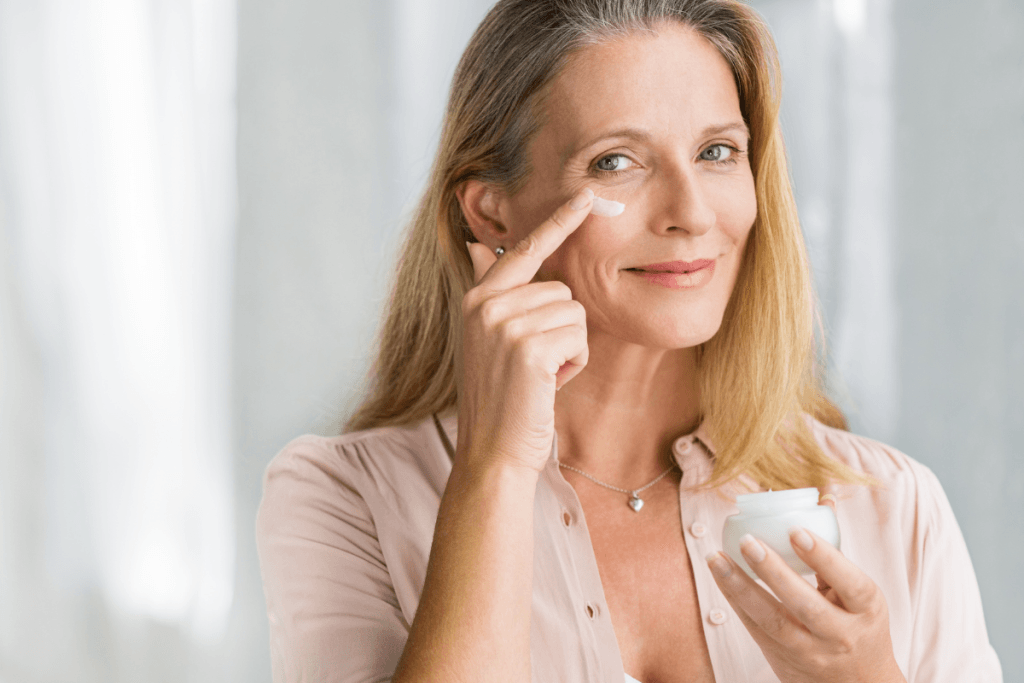
Topicals often determine whether procedures look better or worse. A best anti-aging skincare routine is not a long routine. It is a consistent routine that preserves barrier function and reduces avoidable irritation. Clinics can support this by stocking a limited, protocol-driven set of products and by training staff on simple escalation rules.
Retinoids for anti-aging (vitamin A derivatives) are commonly used to support cell turnover and improve the appearance of fine lines. Because irritation can limit adherence, align your counseling with a slow-start approach and clear stop rules before procedures. For deeper background your team can reference, see ZO Retinol Skin Brightener as an example discussion of retinol positioning and tolerability considerations.
Vitamin C serum benefits are usually discussed in the context of antioxidant support and brightening. Patients also ask about niacinamide for aging skin, which may support barrier comfort and help with uneven tone. Peptides for skin firmness are marketed broadly; a clinic-friendly message is that peptides are signaling molecules and are typically used as supportive ingredients rather than stand-alone “tighteners.” For an internal explainer, review Peptides For Skin.
Hyaluronic acid for wrinkles is another frequent term. In topicals, hyaluronic acid functions mainly as a humectant (water-binding ingredient), which can reduce the appearance of fine dehydration lines. It does not replace injectable gels, and patients often confuse those categories. That distinction can be reinforced with a simple handout and consistent language across staff.
From an operations perspective, keep your stocking list tight. Prioritize products with predictable tolerability and clear storage requirements. Track lot numbers for professional-grade items when feasible, especially if used peri-procedure. If you carry physician-dispensed skincare, avoid overspecifying “results” and keep counseling consistent with labeling and clinic protocols. Examples of clinic-dispensed skincare categories may include retinoid-based products such as ZO Wrinkle + Texture Repair and supportive serums like ZO Growth Factor Serum, when appropriate to your practice scope.
In-Clinic Procedures: Matching Modality To Concern
Once prevention and home care are stable, procedures can target problems that topicals cannot. Chemical peels for wrinkles and dyspigmentation work by controlled exfoliation and stimulation of repair pathways. In clinic, your key decisions are peel depth, patient downtime tolerance, and post-care adherence. For a general refresher, see Chemical Peels Overview, and consider directing staff to your Peels And Masks category hub for protocol-adjacent inventory planning.
Microneedling for anti-aging is often selected for texture, pores, and fine lines, especially when paired with conservative supportive care. PRP facial for rejuvenation (platelet-rich plasma, an autologous platelet concentrate) may be discussed as an adjunct in some practices, but clinic protocols and regulatory expectations vary by jurisdiction. Keep claims modest, focus on process and safety, and ensure consent language reflects what is known versus aspirational.
Energy-Based Options: Laser, RF, Ultrasound, IPL
Energy-based devices are best chosen by target and risk profile. Laser skin resurfacing options can address texture and lines, but require careful patient selection and downtime counseling. Radiofrequency skin tightening and ultrasound therapy for skin lifting are typically positioned for laxity and contour, with outcomes that vary across devices and patient factors. IPL photofacial for pigmentation can help some pigment and vascular concerns, but it is not a one-size solution for melasma or deeper dyschromia. Ensure staff can explain mechanism in plain language and can document Fitzpatrick type, recent tanning, photosensitizing exposures, and realistic timelines for staged care.
| Modality | Common clinic target | Operational notes |
|---|---|---|
| Chemical peel | Tone, rough texture | Depth selection, post-care adherence |
| Microneedling | Texture, fine lines | Infection control, device consumables |
| IPL | Redness, some pigment | Skin type screening, eye protection |
| Laser resurfacing | Texture, lines, scars | Downtime planning, burn risk mitigation |
| RF/Ultrasound | Laxity, contour | Device settings governance, maintenance logs |
Quick tip: Use the same pre-procedure skincare “pause” rules clinic-wide.
Some practices also use “no-peel” or biorevitalization style protocols. When discussing brand-name examples internally, keep the conversation on indications, training, and aftercare consistency. If your clinic uses peel-adjacent systems, examples your procurement team may encounter include BioRePeelCL3 FND and PRX-T33 WiQo 4 mL.
In this procedural tier, anti-aging treatments should be documented as a sequence, not a single event. That includes planned reassessment points, standardized adverse event guidance, and a pathway to escalate concerns to the supervising clinician.
Inventory is brand-name and authenticated for professional use.
How To Compare Injectables And Biostimulators In Practice
Patients frequently ask botox vs fillers for wrinkles, and the confusion is understandable. Neuromodulators target dynamic lines driven by muscle movement. Dermal fillers address volume loss, contour, and select line types, depending on product characteristics and placement plane. You can support consistent counseling by using the same face map language across clinicians and by aligning your photo documentation to those anatomic units.
From a procurement standpoint, align ordering with training and protocol maturity. If you carry multiple injectables, keep a short internal comparison sheet that covers storage conditions, traceability requirements, and your clinic’s “do not substitute” rules. Browsable inventories can be organized using hubs like Dermal Fillers and the Hyaluronic Acid Fillers subcategory, which can help standardize internal naming and reduce selection errors.
Biostimulators (collagen-stimulating injectables) are often discussed alongside fillers, but they are not interchangeable in every plan. Collagen remodeling is gradual and variable, and patients may expect immediate “filler-like” change. A practical way to set expectations is to separate “structure and contour” from “skin quality,” then document which category you are addressing. For team education on ingredient concepts, see Collagen Vs Hyaluronic Acid.
Product examples your clinic may evaluate include calcium hydroxylapatite options like Radiesse 3 mL. Keep brand discussions tied to training, labeling, and your adverse event protocols. Avoid informal “equivalency” language unless you have formal policies to support it.
As your injectable menu expands, anti-aging treatments should remain plan-based. Focus on standardized consultation, conservative sequencing, and well-defined follow-up rather than chasing every new technique trend.
Sourcing is through distributors that undergo vetting.
Clinic Workflow Snapshot: Documentation, Sourcing, Handling
Aesthetic services run smoothly when the back office is disciplined. Build a workflow that supports traceability, staff role clarity, and consistent aftercare messaging. Policies vary by state and country, so confirm local requirements and align them with your medical director’s standards.
- Verify: confirm patient identity, consent capacity, and contraindication screening.
- Document: baseline photos, goals, and a clear problem list.
- Prepare: standardized skin prep, PPE, and device safety checks.
- Receive: log product lots, expiration dates, and packaging integrity.
- Store: follow label conditions; separate look-alike packages.
- Administer: follow scope-of-practice and supervision rules.
- Record: chart product identifiers, sites, and aftercare instructions.
- Follow up: define escalation pathways for unexpected reactions.
Handling details matter for patient safety and audit readiness. Create a “single source of truth” for storage conditions and do not rely on memory. If you support multiple rooms or satellite days, plan for controlled handoffs and inventory reconciliation. Some clinics prefer US distribution to reduce transit complexity, but storage and receiving checks still need to be consistent.
For high-visibility services, consider a quarterly review of your complication protocols. Use it to align front-desk scripts, clinical triage steps, and documentation templates. This reduces variability when patients call with swelling, bruising, pigment flare, or unexpected discomfort.
Keep your intake inclusive of off-face areas. Neck and decollete anti-aging and hand rejuvenation treatments are common requests and require their own photo angles, consent language, and post-care instructions. Operationally, this also affects scheduling, because these areas may need different prep and aftercare than the midface.
When you expand anti-aging treatments, expand governance at the same pace. That includes credentialing documentation, device maintenance logs, and clear internal escalation paths.
Authoritative Sources
Use primary sources to keep clinic counseling conservative and defensible. When staff training materials cite “benefits,” ensure the language matches official labeling and professional society guidance. For devices, rely on IFUs and manufacturer training, and document competency within your credentialing system.
The following references are practical starting points for policy writing and staff education.
- FDA overview of dermal fillers and safety considerations
- American Academy of Dermatology guidance on sunscreen selection
- National Institute on Aging overview of skin aging basics
Further reading inside your team library can include procedure explainers such as PDO Threads Vs Botox for terminology alignment and patient-facing education support.
This content is for informational purposes only and is not a substitute for professional medical advice.