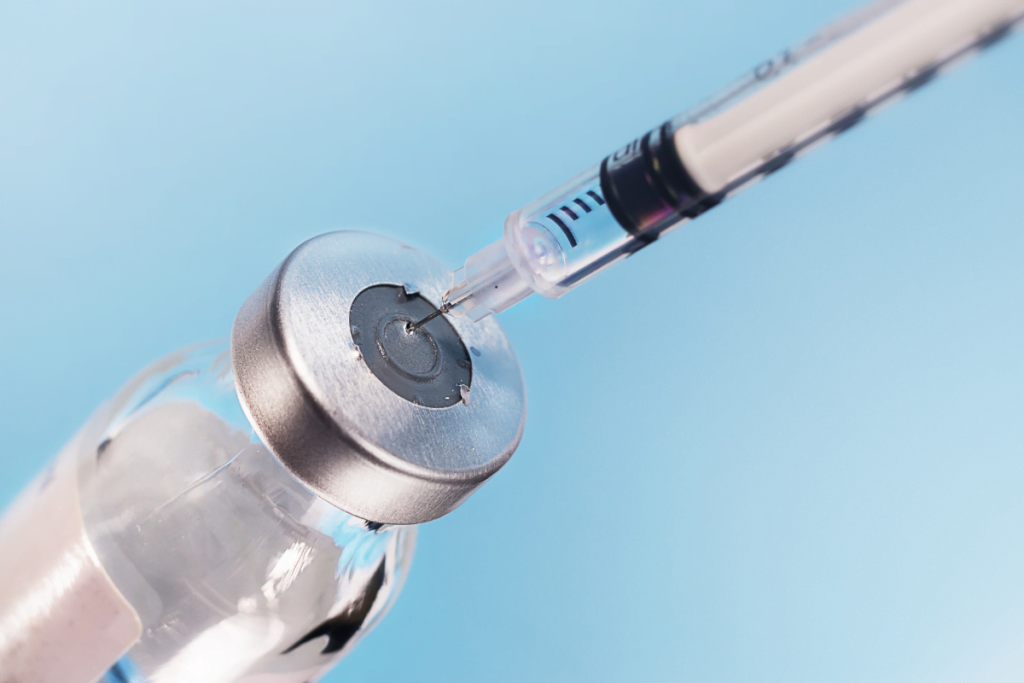
Hormonal injectable contraception remains a practical option for many clinics. It can suit patients who prefer infrequent visits, want privacy, or struggle with daily adherence. For your team, the work is less about “selling a method” and more about setting expectations, documenting contraindications, and keeping follow-up on track. This overview focuses on contraceptive injections as a clinic-facing service line, using depot medroxyprogesterone acetate (DMPA contraceptive) as the best-known example.
Because the injection is often administered in-clinic, your workflow affects outcomes. Clear intake questions, consistent scheduling, and standardized counseling notes reduce avoidable callbacks. They also support continuity when staff changes or patients transfer care.
Many suppliers limit distribution to licensed healthcare facilities and professionals.
Key Takeaways
- Set expectations for bleeding pattern changes and timing.
- Use a consistent process for screening and documentation.
- Plan a missed-visit pathway before patients fall behind.
- Discuss STI protection gaps and dual-method options.
In day-to-day practice, contraceptive injections work best when scheduling and counseling are treated as a repeatable clinic protocol.
Using contraceptive injections in clinic workflows
Hormonal injections are clinician-administered birth control shots that provide contraception for an extended interval. In the U.S., the most familiar option is DMPA, commonly known by the brand Depo-Provera. The medication is a progestin (a progesterone-like hormone) delivered by injection. Clinics often adopt it because the visit is predictable, adherence is observable, and billing and documentation can be standardized.
From an operations standpoint, the “fit” depends on your setting. A high-volume primary care clinic may value a fast injection visit. A women’s health practice may integrate it with broader contraception counseling. Either way, align your workflow with authoritative guidance and the product’s approved labeling. If your team wants a refresher focused on that specific product, see What Is Depo-Provera.
Where the injection fits among contraceptive choices
Injectables sit between daily methods (like oral contraceptives) and long-acting reversible contraception (LARC) such as IUDs and implants. They can be attractive when a patient wants fewer decisions between visits but is not ready for a device placement procedure. They can also be useful during transitions, such as switching from pill to Depo shot, when a clinic needs a clear “start plan” and follow-up window. In counseling language, many patients simply call it “the shot.” Using plain terms alongside clinical terminology improves comprehension and reduces post-visit messages.
Mechanism, Duration, and Return to Fertility
DMPA is a medroxyprogesterone acetate injection that suppresses ovulation and thickens cervical mucus. That combination reduces the chance of fertilization. In practical counseling, your clinicians may describe it as a hormone that “turns off ovulation” and “makes it harder for sperm to enter the uterus.” How long does the Depo shot last? Product labeling and major guidelines describe a repeat interval that is roughly every three months, with timing windows defined by protocol.
Return to fertility after Depo can be slower than for some other methods. Some patients resume ovulation quickly after stopping. Others experience a longer delay. The key clinic message is predictability: avoid overpromising a timeline, and document that variability was discussed. For deeper counseling considerations around longer courses of use, your team may also reference Depo-Provera Long-Term Use.
How the birth control shot works
At a high level, the birth control shot creates steady progestin exposure that can prevent the hormonal surge needed for ovulation. It also changes the endometrium (uterine lining), which can contribute to bleeding pattern changes. Patients often interpret irregular bleeding as “something is wrong,” especially early after initiation. Setting expectations up front helps. It also reduces unnecessary pregnancy testing requests and urgent visits driven by uncertainty. Clinics should keep counseling aligned with local guidance and the official labeling, because definitions of “on time” and “late” can affect next steps.
Adverse Effects and Risk Discussions That Matter in Practice
Patients commonly ask about contraceptive injection side effects during the first consult and after the first dose. Typical discussion points include bleeding and period changes on Depo, possible weight changes, headaches, mood changes, acne, and delayed return of regular cycles after stopping. Amenorrhea (no periods) can occur and may be experienced as either a benefit or a concern. Operationally, documenting what you reviewed protects the patient and the clinic, especially when a patient later reports symptoms and cannot recall what was expected.
Risks of contraceptive injections also include issues that depend on patient factors. Your clinicians should screen for contraindications to contraceptive injections using a structured approach (history, blood pressure when indicated, pregnancy assessment per protocol, and medication review). Keep the conversation neutral: risks are not the same as inevitabilities. Consider standardizing note templates so new staff cover the same safety points each time.
Bone density considerations
Bone density and Depo-Provera is a recurring topic, especially for adolescents and for patients with existing risk factors for low bone mass. Patients may ask if it “causes osteoporosis.” The evidence and regulatory language emphasize that bone mineral density changes can occur and that clinical decisions should weigh risks and benefits for the individual. Use careful wording and avoid absolute statements. If your clinic serves teenagers, add a simple script that explains osteopenia (lower-than-normal bone density) and why lifestyle, overall health, and duration of use may matter.
MedWholesaleSupplies emphasizes authentic, brand-name medical products for licensed clinical use.
Special Populations and Counseling Nuances
Depo shot and breastfeeding questions tend to cluster around postpartum visits. Patients may also ask about starting Depo shot after pregnancy, including after miscarriage or termination. These are protocol-sensitive scenarios. The safest clinic posture is to align with established national guidance and the product labeling, and to document the timing context, pregnancy status assessment, and the counseling provided. Avoid “one-size-fits-all” language in patient education handouts.
Adolescents and Depo-Provera use can be appropriate in some settings, but it requires extra clarity around follow-up and expectations. Teens may have more difficulty returning on schedule and may be more sensitive to bleeding changes. Consider a teen-focused after-visit summary written in plain language. Also plan how your clinic will handle confidentiality and communication preferences within applicable laws.
Other common nuance areas include migraine and Depo shot questions and drug interactions with Depo-Provera. Patients with migraine may be comparing options because estrogen-containing methods can be restricted in certain migraine subtypes. With DMPA, drug interactions are generally less prominent than with some oral options, but medication reconciliation still matters. Build a habit of reviewing anticonvulsants, rifamycin antibiotics, and complex antiretroviral regimens against current guidance when relevant.
Scheduling, Missed Visits, and Follow-Up Planning
Contraceptive injection schedule reliability is one of the biggest drivers of real-world effectiveness. Many clinics underestimate how much staff time is spent on rescheduling, no-shows, and “am I late?” phone calls. A standardized pathway reduces friction: define how you book the next visit, what reminders you use, and what information front-desk staff can share without drifting into clinical advice.
For missed Depo shot what to do scenarios, avoid improvisation. Your protocol should reference authoritative guidance and the product label, because recommendations can depend on how late the injection is and whether pregnancy can be reasonably excluded. In operational terms, decide who triages these calls, which documentation is required, and how you communicate interim precautions. Keep messaging consistent across nurse lines, portals, and urgent care cross-coverage.
Quick tip: Book the next appointment before the patient leaves the injection visit.
Checklist: What to standardize in your injection service
- Intake prompts + contraindication screen
- Pregnancy assessment documentation workflow
- Medication reconciliation trigger list
- Bleeding-change counseling script
- Late-visit triage pathway
- Lot number and expiry capture
- Follow-up reminders and outreach rules
Clinic Operations: Documentation, Sourcing, and Inventory
Injectable contraception is a medication service, not just a nursing task. That means procurement, receiving, and recordkeeping need defined owners. For clinics that stock on-site, confirm storage requirements from the package insert and keep logs consistent with your internal policy. If you are expanding women’s health offerings, browsing a hub like Gynecology Tools can help teams map what supplies are needed across contraception services.
Why it matters: Clear chain-of-custody notes support audits and reduce medication error risk.
MedWholesaleSupplies sources medications through vetted distributor channels.
Clinic workflow snapshot
- Verify patient identity and consent documentation.
- Confirm eligibility screening is complete per protocol.
- Document product, lot, and expiration in the record.
- Administer per training and manufacturer instructions.
- Schedule next visit within your timing window.
- Reconcile inventory and reorder thresholds.
If your clinic references specific products for formulary alignment, keep links and records separate from counseling materials. For example, teams may keep a reference link to Depo-Provera Product Page for NDC/packaging confirmation, while patient-facing materials remain brand-neutral. When evaluating alternatives in the same service line, some practices also keep a quick reference to LARC items like Mirena IUD for inventory planning.
How to Compare With IUDs, Implants, and Nonhormonal Options
Method selection often comes down to preferences and constraints rather than “best.” Clinicians may be asked for a Depo versus IUD comparison or Depo shot vs implant differences. A helpful framing is to compare visit cadence, procedure tolerance, bleeding expectations, reversibility, and how much the method depends on patient follow-through. When you discuss contraceptive injections alongside devices, keep the conversation structured and avoid implying guarantees.
For implant counseling, your staff may find it helpful to review Nexplanon Implant as a plain-language explainer, then adapt it into clinic scripts. Some teams maintain a product reference for inventory only, such as Nexplanon Product Reference. For nonhormonal birth control alternatives, copper IUDs are often discussed; a stocking reference might include T-Safe Cu IUD.
Decision factors that reduce back-and-forth
- Visit frequency + tolerance for appointments
- Comfort with in-office procedures
- Bleeding preference and predictability needs
- Plans for pregnancy and timing flexibility
Also keep one message consistent across all methods: STI protection and Depo shot counseling should emphasize that hormonal contraception does not prevent sexually transmitted infections. If appropriate for your patient population, consider adding condom counseling language into every contraception note template.
Emergency contraception questions can surface during routine contraception visits. If your clinic provides EC counseling, keep a current reference for staff training, such as Ella Emergency Contraception and Emergency Contraceptives Comparison.
Authoritative Sources
Clinic protocols for injectable contraception should be anchored to primary sources. Use official labeling for product-specific safety language, contraindications, storage instructions, and administration details. Pair that with national guidance that addresses timing windows, late injections, postpartum initiation, and special populations.
When updating workflows, document the source and the date you reviewed it. That practice makes future updates faster and helps maintain consistency across clinicians, nursing staff, and covering providers.
- CDC U.S. Selected Practice Recommendations for Contraceptive Use
- CDC U.S. Medical Eligibility Criteria (U.S. MEC)
- FDA Drugs@FDA Database for labeling and updates
Further reading in your internal library can include product-specific explainers and long-term counseling notes, tailored to your clinic’s documentation standards.
This content is for informational purposes only and is not a substitute for professional medical advice.