
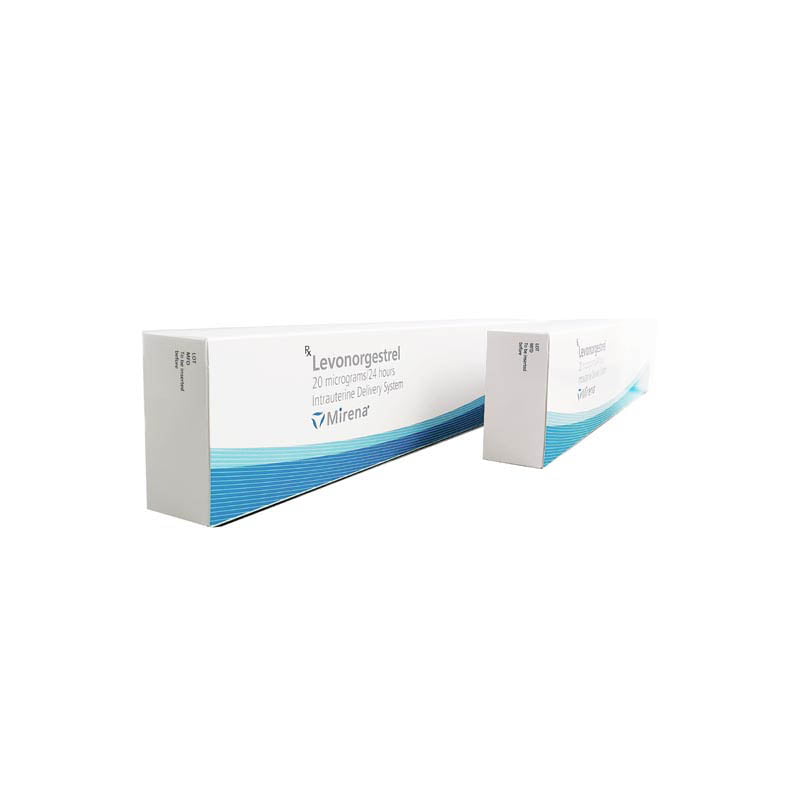
Mirena® (English)
Order Mirena® (English) for Clinics
Intrauterine Device (Iud)
$399.00
You save
Description
Mirena® (English) is a 52 mg levonorgestrel-releasing intrauterine system for clinician placement in the uterus. Licensed clinics and healthcare professionals can order Mirena® IUD 52 mg for long-acting reversible contraception programs, gynecology procedure rooms, and professional inventory planning. The English-language carton and instructions support intake checks, staff training, device documentation, and patient-facing materials used during insertion visits.
Med Wholesale Supplies serves licensed healthcare entities that require authentic, brand-name medical products through vetted distributor channels. This sterile, T-shaped hormonal IUD should remain sealed until use and should be handled under the clinic’s device governance, aseptic setup, and lot-tracking procedures.
Mirena® IUD 52 mg Ordering and Clinic Price Context
Clinics can sign in to view current Mirena IUD price information for their verified account and request allocation based on appointment volume, formulary needs, and stocking cadence. Pricing may depend on distributor position, volume tier, contract terms, and the lot windows available at the time of allocation. Multi-site organizations may request consolidated quoting when several locations need synchronized device inventory.
Order Mirena IUD inventory by matching the product name, strength, carton language, and quantity to your internal formulary. The English presentation is often useful when clinic documentation, staff onboarding, billing notes, procedure checklists, and discharge materials are standardized in English. Receiving teams should record lot and expiry before transferring units to secured procedure storage.
Quick tip: Build reorder points from scheduled insertion visits, expected removals or replacements, and a small approved buffer for rescheduling.
Professional Use and Treatment-Room Fit
Mirena is placed by a trained clinician during an intrauterine procedure. In professional practice, it is used as a long-acting reversible contraceptive device and may also be referenced in labeled clinical contexts that involve heavy menstrual bleeding in patients who choose intrauterine contraception. Suitability, timing, counseling, and follow-up should be determined through clinic protocols and the current product labeling.
This device fits gynecology, family planning, postpartum, and outpatient procedure workflows where trained staff can prepare sterile instruments, confirm patient assessment steps, and document insertion. Teams commonly organize hormonal IUDs within contraceptive inventory and maintain related protocols under gynecology services. Supply leads may also coordinate procedure-room materials through medical device categories to keep trays, sterile supplies, and device stock aligned.
Mirena is not a postcoital contraceptive. Clinics should screen according to the approved labeling, including pregnancy status, infection risk, unexplained uterine bleeding, uterine cavity concerns, and other contraindications. Professional counseling should cover expected bleeding changes, possible discomfort during insertion, warning symptoms, and follow-up instructions.
How the Levonorgestrel Intrauterine System Works
Mirena is a small, T-shaped intrauterine system that releases levonorgestrel locally within the uterus after placement. Levonorgestrel is a synthetic progestin. The device’s polymer reservoir provides gradual hormone release over its labeled duration, while the frame and retrieval threads support proper placement, visual checks, and later removal by a trained clinician.
The contraceptive effect is primarily local. Labeling and clinical references describe mechanisms that may include thickening cervical mucus, inhibiting sperm movement and function, and altering the endometrium. Ovulation may continue in some users, so staff should avoid describing Mirena as a systemic ovulation-suppression method for every patient.
For clinic education and staff refreshers, the article on Mirena mechanism, effects, and safety can help teams align counseling language with the device’s local hormone-release profile. Use the official insert and your clinic’s medical leadership as the final reference for procedure-specific wording.
Key Features for Clinic Inventory
- 52 mg levonorgestrel-releasing intrauterine system for professional placement.
- Compact T-shaped frame designed for intrauterine positioning.
- Single sterile device presentation for procedure-room staging.
- English-language carton and instructions for use.
- Flexible arms and retrieval threads to support placement and later removal.
- Sealed sterile barrier maintained until opened at the point of care.
- Lot and expiry identifiers for inventory intake and EHR documentation.
- Brand-name Mirena presentation for formulary consistency.
These attributes matter operationally because IUD placement involves a scheduled procedure, a sterile setup, and post-insertion documentation. A single standardized device can reduce picking errors, make staff training more consistent, and help inventory teams forecast demand across multiple appointment types.
Packaging, Storage, and Handling
Each unit should be inspected at receipt for carton condition, labeling, lot number, expiry date, and sterile barrier integrity. Do not use the device if the seal is broken, packaging appears compromised, or the product is outside its acceptable dating. Clinics should follow first-expire-first-out rotation and keep Mirena in a secured area dedicated to procedural stock.
Handling should remain consistent with the product insert and clinic policy. Staff should avoid opening the sterile package until the procedure is ready to proceed. If appointments are rescheduled after a device has been staged but not opened, return the sealed unit to approved storage according to internal chain-of-custody procedures.
Operations teams can request temperature-controlled handling when required and tracked US delivery during the allocation process. Receiving staff should be available during stated hours so shipments can be accepted, checked, and moved promptly into controlled clinic storage.
Duration, Replacement Planning, and Follow-Up Workflow
Duration questions are common in patient counseling and clinic scheduling. Mirena labeling has included long-term contraceptive use, and clinics should use the current insert and institutional policy when setting replacement reminders. For heavy menstrual bleeding use, labeled duration may differ from the contraceptive duration, so teams should document the indication and replacement plan clearly.
Replacement planning should start at insertion. Enter the insertion date, lot number, expiry date, clinician, device type, and follow-up interval into the patient record. Practices may also use recall systems to flag string checks, symptom calls, removals, replacements, or transitions to another method.
The internal article on Mirena duration, labeling, and workflow gives clinics a practical framework for aligning counseling, chart reminders, and inventory reorder timing. Device duration should always be confirmed against the current carton, insert, and applicable clinical policy.
Side Effects, Warnings, and Monitoring
Commonly reported effects with levonorgestrel intrauterine systems include irregular bleeding or spotting, changes in menstrual bleeding patterns, pelvic or abdominal discomfort, headache, nausea, acne, breast tenderness, and mood-related symptoms. Bleeding may be irregular after placement, and some users experience lighter periods or amenorrhea over time. Clinics should set expectations before insertion and provide clear instructions for symptoms that need prompt assessment.
Serious but less frequent risks include uterine perforation, expulsion, pelvic infection, ectopic pregnancy if pregnancy occurs, and difficult removal. Screening is important before placement. Contraindications and cautions may include known or suspected pregnancy, current pelvic infection, certain uterine abnormalities, unexplained uterine bleeding, breast cancer or other progestin-sensitive cancer, liver disease or tumors, and hypersensitivity to product components, depending on the approved labeling.
Patients should be instructed to contact the clinic for severe pain, fever, unusual discharge, heavy bleeding, pregnancy symptoms, missing or changed threads, or concern that the device has been expelled. Clinicians should evaluate pain during placement, vasovagal reactions, suspected perforation, and post-procedure infection signs according to local protocols. Medication interactions are usually less central than procedural and patient-selection factors, but the full medical history remains important.
Why it matters: Consistent counseling and documentation help teams identify complications early and keep replacement timing accurate.
Documentation and Staff Workflow
Mirena in English can simplify documentation for clinics that use English-language procedure notes, billing descriptions, device logs, and patient discharge instructions. Intake staff should compare the carton to the purchase request, verify the strength and product name, and record lot and expiry before the device reaches the procedure room.
During the visit, the clinician or trained assistant should document the device used, insertion outcome, any immediate adverse events, and the follow-up plan. Afterward, inventory teams should reconcile the used unit against the schedule and update stock counts. This workflow supports traceability if a recall, replacement question, or adverse event review occurs later.
Many practices maintain Mirena alongside other brand and class references under the Mirena brand category. Centralizing brand-specific materials helps new staff locate device information, related clinic articles, and approved formulary notes without mixing hormonal and non-hormonal IUD procedures.
Comparable Contraceptive Choices
Mirena is one option within long-acting reversible contraception. Some clinics also stock injectable contraception, implants, smaller hormonal IUDs, or non-hormonal copper devices to support shared decision-making and reduce scheduling delays when a patient is not an appropriate candidate for one method. Each method has different placement requirements, counseling points, adverse effects, and replacement or repeat-dose intervals.
For teams comparing procedure and visit cadence, the article on Depo-Provera use and workflow outlines an injectable contraceptive pathway that differs from intrauterine placement. Maintaining separate checklists for IUD insertion, injection visits, removals, and follow-up calls helps prevent staff from applying the wrong counseling or documentation template.
Substitution decisions should be clinical and operational, not merely stock driven. If Mirena supply is constrained or a patient requires a different method, confirm the alternative through your medical leadership, update the formulary note, and train staff on any change in insertion technique, duration counseling, or adverse-event monitoring.
Ordering and Receiving Steps
- Verify your clinic account and make sure purchasing contacts are current.
- Match the requested item to the formulary name, 52 mg strength, and English-language packaging preference.
- Request a quote or allocation based on scheduled procedures and buffer stock.
- Provide receiving hours and a responsible contact for delivery coordination.
- Inspect cartons at receipt and document lot, expiry, and package condition.
- Move sealed units into secure procedure inventory and rotate by expiry date.
This process helps purchasing, receiving, clinical staff, and compliance teams work from the same device record. It also reduces last-minute procedure disruption caused by incomplete intake checks or unclear carton-language requirements.
Authoritative Sources
Use authoritative labeling and your clinic’s approved protocols for patient selection, insertion timing, contraindications, warnings, and replacement timing. Product information may be updated, so staff should rely on the current carton and professional insert when preparing for a procedure.
This content is for informational purposes only and is not a substitute for professional medical advice.
Frequently Asked Questions
Who can order Mirena® (English) from Med Wholesale Supplies?
Mirena® (English) is offered for licensed clinics and healthcare professionals. Account verification may be required before pricing, allocation, and ordering details are available.
What does the 52 mg strength mean for clinic ordering?
The 52 mg designation refers to the levonorgestrel intrauterine system strength used for this Mirena presentation. Clinics should match the product name, strength, carton language, and quantity to their formulary and procedure schedule.
How should clinics document Mirena after receipt and insertion?
Receiving teams should record lot number, expiry date, carton condition, and storage transfer. At insertion, clinical staff should document the device, procedure outcome, clinician, follow-up plan, and any immediate adverse event according to clinic policy.
What side effects should staff discuss during counseling?
Common counseling points include irregular bleeding or spotting, changes in menstrual pattern, pelvic discomfort, headache, nausea, acne, and breast tenderness. Serious risks such as infection, expulsion, perforation, or ectopic pregnancy require clear warning-symptom instructions and prompt clinical evaluation.
How long does Mirena last?
Mirena has labeled long-term use, but duration may depend on the clinical use being documented. Clinics should follow the current insert and internal policy when setting replacement reminders and counseling patients.
Why choose English-language Mirena packaging?
English packaging can help clinics align procedure notes, staff training, billing descriptions, inventory logs, and patient-facing instructions. It is especially useful when multiple departments share responsibility for device handling and follow-up.
Specifications
- Main Ingredient: Levonorgestrel
- Manufacturer: Bayer Pharmaceuticals
- Drug Class: Contraceptive
- Generic Name: Levonorgestrel-Releasing Intrauterine System
- Package Contents: 52 mg - 1 IUD
- Storage Requirements: Room Temperature (2℃~25℃)
- Main Usage:
About the Brand
Mirena
Mirena is a sought-after medical brand, known for offering an exceptionally effective and convenient method of contraception for women. Its innovative formulation and the technology behind its hormone release system offer durable protection against unplanned pregnancies. Positioned directly in the uterus, Mirena provides a subtle, low-maintenance birth control solution that can last up to five years. At medwholesalesupplies.com, we pride ourselves on providing Mirena at competitive rates. As a trustworthy online retailer of medical equipment, our mission is to give our clients uncomplicated access to top-grade contraceptive alternatives like Mirena. Our user-friendly platform enables both healthcare professionals and patients to purchase Mirena effortlessly, making sure this dependable birth control remedy is always within reach. When you pick medwholesalesupplies.com, you are assured of receiving authentic Mirena products delivered straight to your doorstep. Additionally, acquiring Mirena through medwholesalesupplies.com brings multiple perks. Aside from providing a secure and easy-to-navigate platform for a seamless shopping experience, we also offer price matching and bulk purchase discounts, creating a cost-effective solution for healthcare providers and clinics to acquire their Mirena supplies. Our effective shipping and delivery process ensures prompt arrival of your Mirena, reducing any disruption to your birth control regimen. When you need reliable access to trustworthy medical brands like Mirena, medwholesalesupplies.com is the reputable option to consider.
Browse Mirena Products
Here to help
Questions about ordering, delivery or products? You can email our team here or call now at 1-800-630-9757 and be connected with your dedicated Account Manager
Related Products
Evenity® (English Alternative)
Injectable Medication
$1,229.00 - $1,299.00
You save
You save
Intraline® For Men
Dermal Filler
$59.00 - $79.00
You save
You save
RejuvaNAD+ Pro
Injectable Medication
$237.00 - $249.00
You save
You save
Teosyal® RHA 4
Aesthetic Surgery Product
$259.00 - $279.00
You save
You save
Related Articles
Prednisone in Clinical Care: Uses, Risks, and Monitoring
Prednisone is a prescription systemic corticosteroid used to reduce inflammation or suppress immune activity in…
Lip Fillers Swelling Stages: Timeline, Safety, and Follow-Up
Lip fillers swelling stages usually follow a short inflammatory course: swelling appears soon after injection,…
Hypopigmentation of the Skin: Assessment and Care
Hypopigmentation of the skin means one or more areas look lighter than the surrounding skin.…
Radiesse vs Sculptra: Selection Factors for Clinics
Radiesse vs Sculptra is best understood as a comparison between two collagen-stimulating injectables with different…
Hyaluronic Acid Under-Eye Filler: Safety and Workflow
Hyaluronic acid under-eye filler is an injectable soft-tissue filler used by trained aesthetic clinicians to…
Dermal Filler Types: Materials, Uses, and Clinic Fit
Dermal filler types are usually grouped by their base material, tissue behavior, and expected role…
What Is Dysport? Clinical Uses, Safety, and Workflow
For clinic teams asking what is Dysport, the short answer is simple: Dysport is a…
Biostimulators in Aesthetic Care: Selection and Safety
Biostimulators are injectable aesthetic products used to encourage a controlled tissue response, often involving new…