Mesotherapy is a technique that uses small, superficial injections to deliver selected substances into or near the skin. In aesthetic clinics, it is most often discussed for skin quality, scalp support, or localized cosmetic concerns. The term matters because it describes a broad method, not one standardized product or protocol. For licensed clinics, clear definitions, conservative claims, and traceable sourcing reduce clinical, regulatory, and reputational risk.
This article is written for healthcare professionals, clinic owners, and procurement teams. It explains what the service usually means in practice, what benefits are commonly discussed, where evidence remains limited, and how to build workflow controls around safety, consent, and product governance.
Key Takeaways
- Define protocol scope before marketing the service.
- Separate technique, product category, and treatment area.
- Use conservative benefit language and baseline documentation.
- Build controls for asepsis, traceability, storage, and follow-up.
- Train staff to explain variability, discomfort, and safety limits.
What Is Mesotherapy in Clinic Practice?
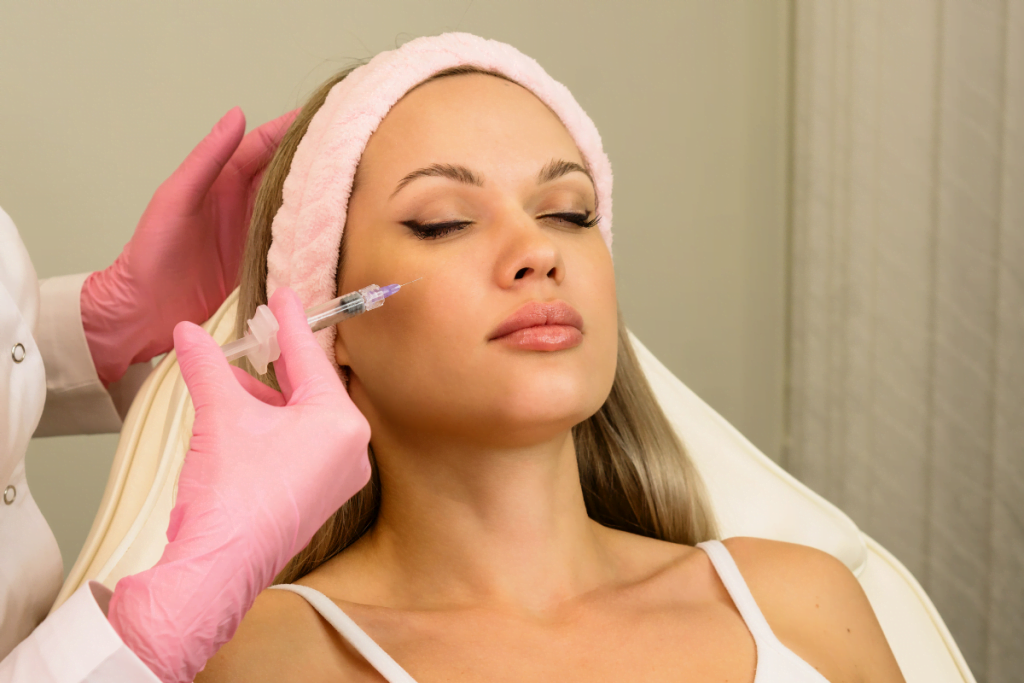
In clinic use, what is mesotherapy usually means superficial microinjection therapy rather than a single named treatment. Clinicians place small volumes into the intradermal layer (within the skin) or nearby superficial tissue, depending on product labeling, local standards, and clinical protocol. Aesthetic goals often include hydration, texture support, a brighter-looking surface, or scalp-focused cosmetic support.
The same word can cover very different materials. Some protocols use hyaluronic acid-based skin boosters. Others reference vitamin, amino acid, peptide, or multi-ingredient blends. Some markets also use the term for body contouring claims, which may carry different evidence and regulatory considerations. That variability is the main reason clinics should avoid vague service descriptions.
A practical internal definition should include three elements: the injection technique, the intended area, and the exact product category. For example, a facial skin-quality protocol should not be documented the same way as a scalp support protocol. Both may be called mesotherapy in public language, but they need distinct consent forms, supply lists, aftercare instructions, and escalation plans.
Why it matters: Loose terminology makes training, consent, and adverse-event review harder.
How mesotherapy differs from microneedling and skin boosters
Patients and newer staff often confuse mesotherapy, microneedling, and skin boosters. Microneedling uses controlled needle punctures to stimulate a skin response and may be paired with topical products. Mesotherapy usually involves injecting small amounts of selected material. Skin boosters are a product category or treatment concept often focused on skin hydration and quality.
These categories can overlap in marketing language, but they should not overlap in documentation. If your team needs a deeper internal refresher, the related clinical explainer on Clinical Uses, Risks, and Workflow can help standardize terminology. For broader adjacent treatments, staff may also compare protocols against Skin Boosters Injections.
What Mesotherapy Is Commonly Used For
Clinics most often position mesotherapy-style services as cosmetic support, not disease treatment. Common patient-facing goals include improved-looking hydration, smoother texture, mild radiance, and support for areas that appear dull or tired. Scalp services are also common, but they require careful screening language because hair shedding has many possible causes.
For facial services, staff should explain that visible change can come from several sources. Product placement, short-term swelling, skincare changes, lighting, and hydration status can all affect appearance. A post-treatment glow may be temporary. Documentation should separate immediate procedure effects from changes monitored over a series of visits.
For scalp services, avoid presenting injections as a universal answer to hair loss. Your clinic should define whether the service is cosmetic scalp support, an adjunct to established care, or part of a broader clinician-led assessment. When patients ask whether results are permanent, the safest answer is that maintenance and response monitoring vary by person, product, and clinical context.
Benefit language that stays defensible
Marketing language should match what your records can support. Phrases such as “glow,” “revitalization,” or “skin quality” need internal definitions. Standardized photos, baseline findings, patient-reported outcomes, and treatment maps make those claims easier to interpret later.
Use cautious wording. “May support the look of hydration” is more defensible than promising transformation. “Designed for superficial skin-quality support” is clearer than broad anti-aging claims. This is especially important because what is mesotherapy can mean different things across product lines, jurisdictions, and training backgrounds.
For product-category navigation, clinics evaluating adjacent injectable skin-quality options can review the Skin Boosters Collection. Keep that browsing step separate from clinical decision-making, consent, and product-specific instructions for use.
Risks, Side Effects, and Safety Limits
The downside of mesotherapy is that it punctures skin and may involve variable products, techniques, and claims. Expected short-term effects can include redness, tenderness, bruising, swelling, pinpoint bleeding, and small injection-site bumps. Depending on product choice and patient factors, delayed reactions or inflammatory responses may also occur.
More serious problems are less common but require planning. Infection risk increases when aseptic technique, skin preparation, or single-use supply practices are weak. Product provenance matters because unclear sourcing can undermine traceability and complaint investigation. Unrealistic expectations can also turn normal transient effects into avoidable disputes.
Clinics should train staff to recognize signs that need escalation, such as worsening pain, spreading redness, drainage, fever, unexpected discoloration, or symptoms that do not fit the expected post-procedure course. Policies should reflect local regulations, medical director oversight, product labeling, and professional standards.
When discussing “mesotherapy gone wrong” scenarios, keep the conversation factual. Most risk-reduction work is operational: narrow protocols, verified products, clean technique, clear consent, and timely follow-up. MedWholesaleSupplies serves licensed clinics and healthcare professionals, so product evaluation should remain tied to professional-use documentation and clinic verification steps.
Evidence limits and why claims vary
Evidence is not uniform because mesotherapy is not one standardized intervention. Studies may use different ingredients, depths, devices, treatment intervals, and outcome measures. This makes broad claims difficult. A protocol that appears reasonable for one cosmetic goal may not support claims in another area.
Clinics can manage this uncertainty by separating mechanism from outcome. Intradermal placement may affect how a material distributes in superficial tissue. That does not prove predictable clinical benefit for every indication. Your internal review should compare the product instructions, regulatory status, available evidence, and the clinic’s ability to document outcomes consistently.
Quick tip: Write one clinic-approved success definition for each protocol.
Procedure Expectations, Photos, and Documentation
A well-run mesotherapy visit starts before the injection tray is prepared. Staff should capture baseline concerns, relevant history, consent, standardized photographs, treatment area mapping, and product details. This protects the patient relationship and gives the clinic a consistent record if questions arise later.
Patient-facing explanations should be plain. Use “small injections placed superficially in the skin” alongside clinical terms. Explain that discomfort varies, bruising can occur, and visible changes may be temporary or gradual depending on the protocol. Avoid promising a fixed number of sessions or a fixed duration of effect.
Photography needs special discipline. Before-and-after images should use the same lighting, background, camera distance, angle, and facial expression. Record confounders such as recent sun exposure, active dermatitis, makeup, concurrent procedures, or medication changes where relevant. If images are used for marketing, consent should be specific and retrievable.
Cost questions also need structure. Educational content should avoid generic averages because they rarely reflect clinic-specific workflow. Instead, explain the drivers: treatment area, product category, clinician time, follow-up, photography, consumables, and whether the protocol is part of a series. This keeps the conversation transparent without making the article a price page.
Procurement, Storage, and Workflow Controls
Mesotherapy services scale safely when procurement and clinical documentation move together. A protocol should name approved products, acceptable substitutes if any, storage requirements, lot capture, expiry checks, and staff authorized to perform each step. If a new product enters the clinic, update training before it enters patient care.
Use a short bill of materials for each protocol. Include devices, needles or adapters, antiseptics, topical anesthetic if used, sharps disposal, dressings, and aftercare sheets. Product pages can help teams confirm identifiers and packaging details, but they should not replace official instructions for use. Examples of relevant product references include Fillmed NCTF 135 HA, Mesorelle, and Cytocare.
Receiving checks should be simple and auditable. Inspect packaging, confirm product identity, record lot and expiry, verify storage needs, and quarantine anything unclear until reviewed. For clinics that prefer reliable US logistics, operational convenience still does not replace intake verification.
MedWholesaleSupplies sources brand-name medical products through vetted distributors and verified supply channels for licensed clinics. That sourcing context can support procurement review, but the clinic remains responsible for protocol selection, storage compliance, and patient-specific care decisions.
Clinic workflow snapshot
- Verify: Confirm license, authorization, and protocol scope.
- Assess: Record baseline findings and relevant history.
- Consent: Explain goals, limits, risks, and alternatives.
- Prepare: Check product identity, lot, expiry, and supplies.
- Administer: Follow aseptic setup and documented technique.
- Record: Capture product details, area map, and response.
- Follow up: Provide monitoring guidance and escalation steps.
Devices, Materials, and Staff Training
Delivery tools influence consistency. Some clinics use fine-gauge needles. Others use microinjection adapters or specialized devices to support superficial placement and spacing. Any device change should trigger competency review, documentation updates, and revised setup instructions.
Staff should understand the difference between a device preference and a clinical indication. A tool may make workflow easier, but it does not validate product claims or replace training. If teams compare device-led techniques against broader injection services, the Mesotherapy Injections Overview may help frame internal education.
Keep product-family education accessible, but avoid overloading injectors with too many variants at once. Narrow protocols reduce errors. If your clinic evaluates specific skin revitalization products, resources such as Cytocare 532 or BCN Injection can sit in a training library alongside official product materials.
Authoritative Sources
Because what is mesotherapy depends on technique, product category, and jurisdiction, clinics should rely on broader injection safety guidance plus product-specific instructions. Keep external references current and assign responsibility for periodic review.
- CDC injection safety guidance outlines core safe injection principles.
- WHO infection prevention resources support asepsis and infection-control planning.
- FDA dermal filler information provides regulatory context for injectable aesthetic products.
In summary, what is mesotherapy should be answered with precision: it is a broad injection technique, not one uniform treatment. The service is easier to deliver responsibly when clinics define scope, keep claims conservative, document baseline status, verify sourcing, and maintain traceability from receipt through follow-up.
This content is for informational purposes only and is not a substitute for professional medical advice.