

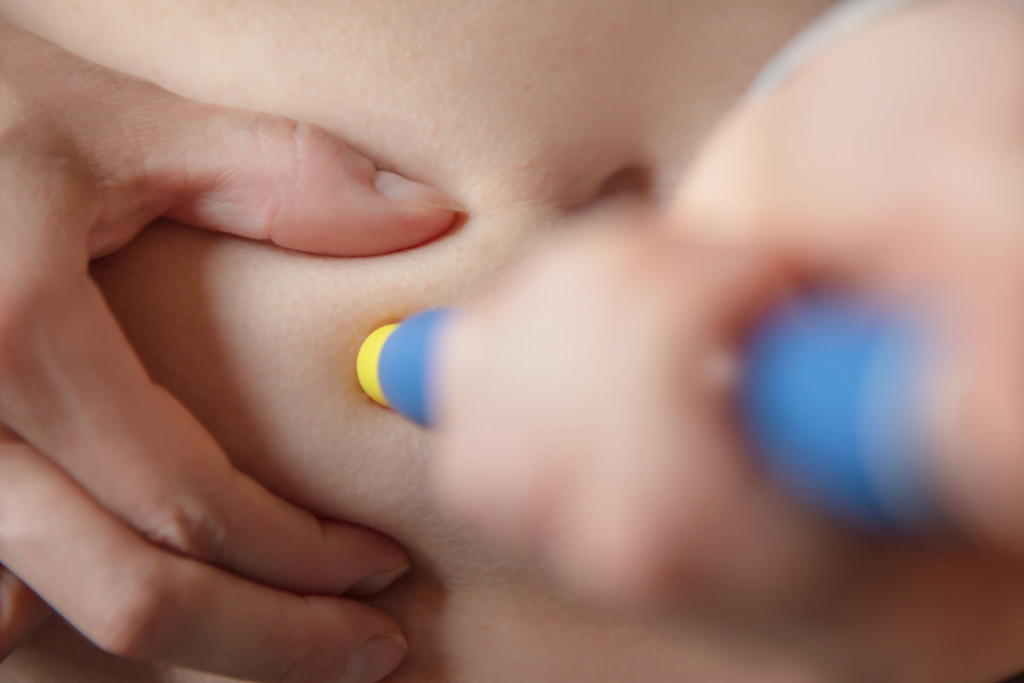
Patients may be able to drink alcohol while using Saxenda, but clinics should avoid giving a simple yes-or-no answer. Saxenda and alcohol can overlap through nausea, vomiting, dizziness, dehydration, reduced food intake, and glycemic changes in some patients. The practical counseling point is symptom stability, risk screening, and clear escalation guidance.
This briefing is written for licensed healthcare settings that need consistent, defensible counseling. It focuses on liraglutide safety considerations, staff scripts, documentation prompts, and when alcohol-related symptoms should not be dismissed as a routine hangover.
Key Takeaways
- Alcohol may worsen GI intolerance, especially during titration.
- Low intake plus drinking can increase hypoglycemia concern in higher-risk patients.
- Persistent vomiting or severe abdominal pain needs prompt triage.
- Document alcohol amount, timing, food intake, and symptom course.
- Use the same risk framework across portal, phone, and visit encounters.
Why it matters: Overlapping symptoms can blur routine intolerance and important safety signals.
How Saxenda and Alcohol Overlap Clinically
Saxenda is a brand of liraglutide, a glucagon-like peptide-1 receptor agonist used in weight-management care. GLP-1 receptor agonists can reduce appetite, slow gastric emptying, and cause gastrointestinal effects such as nausea or vomiting. Alcohol can irritate the stomach, impair judgment about food and fluids, and contribute to dehydration.
In practice, the concern is usually additive symptom burden rather than a single predictable drug-alcohol interaction. A patient who tolerated a drink before treatment may feel worse after starting therapy, after a dose increase, or during a period of reduced intake. That does not prove a direct interaction. It does give the clinic a reason to ask more precise questions.
Separate the counseling into three clinical tasks. First, assess whether alcohol is worsening expected side effects such as nausea, reflux, bloating, or headache. Second, check whether the patient is eating and drinking enough to avoid dehydration or glucose swings. Third, decide whether symptoms could represent a warning sign that needs medical assessment, such as severe abdominal pain or ongoing vomiting.
For internal orientation on the medication’s role in obesity care, clinics may review Saxenda For Weight Loss. Broader staff onboarding can also reference Weight Loss Injections for class-level context.
Risk Review for Drinking During Liraglutide Therapy
The safest clinic answer is individualized and documented. When patients ask about saxenda and alcohol, staff should consider symptoms, comorbidities, concurrent medicines, and drinking pattern before giving general guidance.
GI tolerance and dose-change timing
GI effects often drive the visit or portal message. Ask whether nausea, vomiting, reflux, abdominal fullness, or reduced appetite was already present before alcohol exposure. Then clarify whether the patient recently started treatment, escalated a dose, restarted after missed doses, or had a heavier-than-usual drinking episode.
Alcohol type can matter, but it should not dominate the counseling. Beer, wine, and spirits differ in alcohol concentration, carbonation, sugar content, and serving size. Those variables may affect reflux, bloating, caloric intake, and next-day symptoms. The clinic message should stay beverage-neutral: assess amount, timing, hydration, and food intake.
Hydration and reduced intake
Alcohol can increase urine output and reduce attention to fluid intake. Liraglutide-related early satiety can also lead patients to eat or drink less than usual. Together, those factors may make dehydration more likely, especially if vomiting or diarrhea occurs.
Ask about urine concentration, dizziness on standing, headache, constipation, and inability to keep fluids down. These symptoms are non-specific, but they help staff decide whether the patient needs routine counseling, closer follow-up, or escalation under clinic policy.
Hypoglycemia context
Saxenda is not used as an insulin product, but some patients in weight-management programs also have diabetes or take glucose-lowering medications. Alcohol can reduce hepatic gluconeogenesis, meaning the liver may release less glucose. That concern is more relevant when a patient drinks without food or has other therapies that can lower glucose.
Document diabetes status, concurrent glucose-lowering agents, recent food intake, and symptoms such as shakiness, sweating, confusion, or unusual fatigue. Avoid implying alcohol caused hypoglycemia unless the clinical assessment supports it. The stronger chart note records exposure, timing, symptoms, and the plan.
Pancreatitis, Gallbladder Signals, and Red-Flag Triage
Clinics should treat severe or persistent abdominal symptoms as triage issues, not routine alcohol complaints. GLP-1 medications carry label warnings about pancreatitis, and alcohol is a recognized pancreatitis risk factor. That does not mean occasional alcohol use will cause pancreatitis, but it does justify a clear escalation threshold.
Staff should ask about severe abdominal pain, pain radiating to the back, persistent vomiting, fever, jaundice, or symptoms that do not improve as expected. Gallbladder disease can also present with abdominal pain, nausea, and vomiting. Rapid weight change may add diagnostic complexity, so avoid anchoring on “hangover” when symptoms are persistent or severe.
History matters. Document prior pancreatitis, gallstones, heavy alcohol use, very high triglycerides, and other relevant risk factors when known. These details help the prescriber or triage clinician interpret symptoms in context.
Quick tip: Build a standard red-flag phrase into portal templates and call scripts.
Common Symptom Patterns and Clinic Response
Most reports fall into a few actionable categories. A simple mapping helps front-desk teams, medical assistants, nurses, and prescribers respond consistently while staying within their roles.
| Patient report | Possible alcohol contribution | Clinic-facing response |
|---|---|---|
| Nausea or vomiting | Gastric irritation and poorer meal tolerance | Document timing, dose-change status, fluid tolerance, and persistence |
| Headache or dizziness | Dehydration, poor sleep, or low intake | Ask about fluids, orthostatic symptoms, and neurologic concerns |
| Shakiness or low energy | Reduced food intake or glucose effects in higher-risk patients | Review diabetes history, glucose-lowering medicines, and food intake |
| Upper abdominal pain | Gastritis-like symptoms or diagnostic noise | Apply red-flag triage rules for severe or persistent pain |
Be cautious with causal language. “Symptoms followed alcohol intake” is more defensible than “alcohol interacted with Saxenda” unless a clinician has made that assessment. Many symptoms are non-specific, and several could reflect dehydration, low intake, reflux, gallbladder disease, or another cause.
For patients comparing therapy experiences across products, clinic teams can keep counseling at the class level before individualizing. Related GLP-1 reference pages include Wegovy GLP-1 Therapy and Ozempic For Weight Loss. Use official labeling and clinic policy for product-specific safety language.
How to Answer Common Patient Questions
Patients often ask short questions that need careful framing. The clinic can give practical answers while avoiding personalized medical advice outside the encounter.
Can patients drink while using therapy?
A neutral answer is that alcohol is not usually framed as an absolute universal prohibition, but it can worsen tolerability and complicate safety monitoring. The counseling should depend on current nausea, food intake, hydration, diabetes status, pancreatitis or gallbladder history, and other medicines.
When patients are early in therapy or recently changed dose, they may not yet know their baseline tolerance. In that setting, conservative counseling about avoiding heavy drinking and monitoring symptoms is reasonable. If the patient has severe GI symptoms, poor intake, or relevant comorbid risks, the prescriber should guide the response.
Does alcohol stop weight-loss injections from working?
Clinics should avoid broad claims about treatment failure. Alcohol adds calories, can disrupt sleep, may affect eating patterns, and can make nausea or dehydration worse. Those factors can interfere with adherence and interpretation of symptoms. They do not prove that alcohol directly cancels the medication’s pharmacologic effect.
For care planning, focus on patterns. Ask whether alcohol use is occasional, frequent, or includes heavier episodes. Then document how it relates to missed meals, vomiting, next-day symptoms, or missed follow-up tasks.
What is the “20-minute rule” for alcohol?
Patients may mention social-media rules about waiting 20 minutes between drinks, drinking water between alcoholic beverages, or slowing intake. These are harm-reduction style pacing ideas, not Saxenda-specific medical rules. If the question comes up, clarify that clinic guidance should still be based on symptom stability, hydration, food intake, and individual risk.
Do not treat a pacing rule as a safety clearance. A patient with persistent vomiting, severe abdominal pain, recurrent hypoglycemia symptoms, or concerning comorbid history still needs individualized clinical review.
Documentation and Workflow Checklist for Clinics
A repeatable workflow protects consistency. It also helps staff avoid over-reassurance when saxenda and alcohol concerns appear in portal messages, refill calls, or follow-up visits.
- Confirm baseline symptoms: nausea, vomiting, reflux, abdominal pain.
- Record dose timing: start, escalation, restart, or missed doses.
- Document alcohol exposure: amount, timing, beverage type, and meals.
- Check hydration status: fluid intake, urine changes, dizziness.
- Screen glucose context: diabetes history and glucose-lowering medicines.
- Identify red flags: severe pain, persistent vomiting, jaundice, confusion.
- State follow-up plan: routine advice, clinician review, or escalation.
If patients ask how long after an injection they can drink, document that there is no universal waiting interval that fits every patient. The practical decision depends on current tolerability, risk factors, food intake, and the prescriber’s guidance.
Procurement and documentation processes should remain separate from patient counseling. For licensed clinical accounts that maintain GLP-1 inventory, product references such as Saxenda Prefilled Pens and the broader Weight Loss Products collection can support internal catalog navigation. MedWholesaleSupplies serves licensed clinics and healthcare professionals through vetted distribution channels, so access and ordering workflows should remain aligned with clinic policy.
Related GLP-1 Counseling and Operations Context
Many clinics manage more than one incretin-based therapy. Alcohol counseling can therefore be standardized at the class level, then tailored to the patient and product. This approach reduces mixed messages when staff field questions about saxenda and alcohol, semaglutide products, or other weight-management injections.
Core counseling points often remain similar. Alcohol may worsen nausea, reduce hydration, disrupt sleep, and make symptom interpretation harder. Product-specific differences, such as titration schedules or device handling, should be addressed through official labeling and clinic SOPs.
For broader education and content navigation, the Weight Loss Category groups related editorial resources. Clinics that compare storage and handling topics across injectable products may also find Semaglutide Refrigeration useful for operations discussions.
Authoritative Sources
- DailyMed prescribing information search for Saxenda labeling
- NIAAA overview of alcohol and medication interactions
- American Diabetes Association guidance on alcohol and diabetes
Closing Clinical Perspective
Most clinic questions about saxenda and alcohol are really questions about tolerability, hydration, food intake, and triage. A consistent script helps staff respond calmly without dismissing symptoms that deserve review.
Keep counseling nonjudgmental and specific. Ask what was consumed, when symptoms began, whether the patient could eat and drink, and whether red flags are present. Then document the decision pathway and follow-up plan.
This content is for informational purposes only and is not a substitute for professional medical advice.




