Platelet-rich plasma (PRP) therapy is a procedure that uses a patient’s own blood, processed to concentrate platelets, then applied or injected into a targeted tissue area. For clinics asking what is prp therapy in practical terms, the answer is both biological and operational: PRP is not one fixed product. It is a process that depends on collection method, centrifugation, handling, technique, documentation, and patient selection.
That process-dependent nature matters in aesthetic, hair restoration, and orthopedic settings. Small changes in tubes, spin settings, collection fraction, or injection plane can change what the clinician administers. This guide keeps the focus on clinic workflow, documentation, sourcing, patient communication, and conservative expectation-setting for skin regeneration and adjacent PRP use cases.
Key Takeaways
- PRP is autologous plasma with a higher platelet concentration than baseline blood.
- It is a procedure workflow, not a single standardized drug formulation.
- Preparation variables can affect cellular content, viscosity, and usability.
- Clinics should document kit, spin method, fraction collected, site, and technique.
- Patient expectations should cover variable response, downtime, risks, and follow-up.
What PRP Therapy Means In A Clinic Setting
PRP therapy starts with blood collection, separation of blood components, and administration of the platelet-rich fraction. Platelets are best known for clotting, but they also release growth factors and signaling proteins involved in tissue repair processes. In clinical language, PRP is autologous, meaning it comes from the same patient who receives it.
For a clinic, the core definition should include the workflow, not only the biology. Teams need to define the tube type, blood draw volume range, centrifuge model, spin protocol, collection layer, activation approach if used, administration method, and recordkeeping steps. This prevents protocol drift when new staff join or when a service line expands.
The phrase what is prp therapy can also create confusion because the same abbreviation appears across different specialties. Facial aesthetics, scalp injections, and knee injections may all use PRP, but each indication needs different assessment, consent language, baseline records, aftercare, and outcome tracking.
Why it matters: A clear internal definition protects consistency across staff, sites, and service lines.
Clinics comparing PRP with other aesthetic options may also review broader skin-quality topics, such as Skin Booster Injections or Mesotherapy Workflow, while keeping each modality documented as a distinct procedure.
How PRP Is Prepared And Why Protocol Details Matter
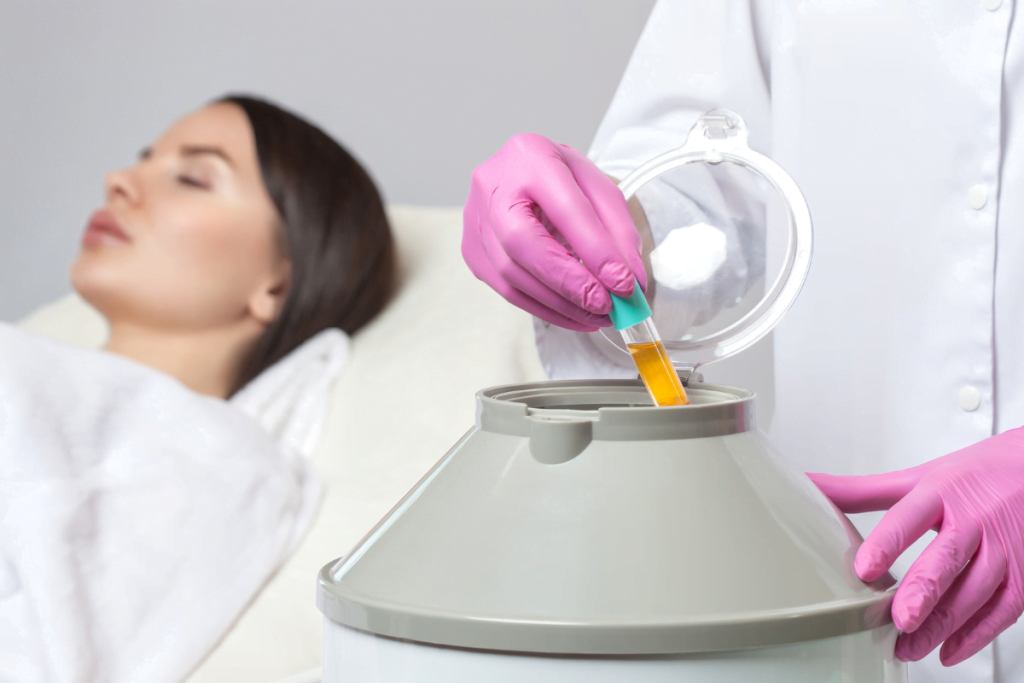
PRP preparation usually involves venipuncture, centrifugation, plasma separation, and transfer to syringes or an application system. The centrifuge separates whole blood into layers based on density. Red blood cells settle lower, plasma remains above, and platelets concentrate in selected fractions depending on the device and protocol.
There is no universal PRP formulation across all kits or clinics. Some protocols aim for leukocyte-poor PRP, which contains fewer white blood cells. Others produce leukocyte-rich PRP, which contains more white blood cells. The clinical relevance can vary by indication, and naming conventions are not always consistent. For audit purposes, plain documentation often helps more than broad labels.
Preparation Variables To Standardize
Clinics should define the variables that staff can realistically control. Start with a concise protocol sheet that matches the device instructions, medical director policy, and local scope rules. Include specimen labeling, maximum holding time if defined by policy, transfer steps, and disposal requirements.
- Collection materials: tube type, anticoagulant, labels, and lot records.
- Spin parameters: centrifuge model, speed, duration, and cycle count.
- Fraction collected: visual layer, plasma volume, and red cell avoidance.
- Activation status: whether any activation step is part of protocol.
- Administration method: injection depth, topical use, or device-assisted delivery.
- Deviation notes: any interruption, contamination concern, or protocol change.
Documentation should be specific enough for another trained team member to understand what happened. A note that simply states “PRP performed” is usually too vague for quality review. Better documentation records the preparation method, body area, technique, patient tolerance, aftercare provided, and any variance from the standard workflow.
Where Adjacent Products Fit
Some clinics group PRP with other regenerative or skin-rejuvenation services. This can help with room planning and staff training, but it should not blur clinical distinctions. Autologous PRP prepared chairside differs from manufactured injectables, polynucleotide products, collagen stimulators, topical creams, and peptide-based cosmetic products.
For example, clinics exploring non-PRP skin quality services may review resources on Rejuran Skin Booster, Nucleofill Medium, or Plinest Injection only if those links are available in their approved education library.
Each modality needs its own product identifiers, instructions for use, consent language, storage checks, and adverse-event pathway. Do not use PRP language to describe a manufactured product, and do not use product claims to describe PRP.
Common Clinical Use Areas: Face, Hair, And Musculoskeletal Care
PRP appears most often in three broad clinic conversations: facial skin quality, hair thinning, and musculoskeletal complaints. These areas overlap in patient interest, but they differ operationally. Each service line needs a separate intake template, photography standard where relevant, contraindication screen, and follow-up plan.
Facial Aesthetics And Skin Regeneration
In facial aesthetics, PRP is often used in discussions about skin texture, tone, acne-scar appearance, fine lines, and post-procedure healing support. Clinics should use conservative language. It is reasonable to explain that platelets contain growth factors involved in repair signaling, but results vary and should not be promised.
Facial workflows benefit from consistent photography. Use the same room, lighting, camera distance, head position, and facial expression. If PRP is combined with microneedling, laser procedures, or topical products, document the sequence clearly. Otherwise, later outcome interpretation becomes unreliable.
For broader clinic education around skin-quality services, the Clinical Skincare category can support navigation to related aesthetic content without replacing procedure-specific training.
Scalp And Hair Restoration Workflows
Hair-related PRP workflows require a different baseline. Intake should capture hair-loss pattern, onset, shedding history, postpartum status where relevant, traction practices, scalp findings, current therapies, and medical factors the clinician considers important. Photography should standardize part location, hair length, hair product use, and lighting.
Patients often ask how many sessions are needed, what side effects are typical, and how before-and-after images should be judged. Clinics should avoid a single “success rate” claim. Instead, define what the practice measures, such as shedding reports, hair caliber, photo density, or patient-reported styling change. These measures remain imperfect, especially when PRP is combined with other interventions.
Orthopedic And Knee-Related Questions
Musculoskeletal PRP often raises questions about joint pain, tendon concerns, knee injections, recovery time, and payer coverage. Operationally, clinics should align patient instructions with the treating clinician’s protocol and local standards. Documentation may include baseline pain or function scores, prior conservative care when relevant, injection site, imaging guidance if used, and follow-up interval.
Short-term soreness, swelling, bruising, or stiffness can occur after injections. Patients should receive written aftercare that distinguishes expected reactions from symptoms that require clinical review. Clinics should also define who receives after-hours calls and how adverse events are escalated.
Risks, Downsides, And Expectation Setting
The main downside of PRP is uncertainty. Outcomes vary because protocols, indications, patient factors, and outcome measures differ across studies and practices. PRP also involves blood handling and needle-based administration, so clinics must manage infection prevention, consent, and post-procedure monitoring with the same seriousness used for other procedures.
Commonly discussed reactions include injection-site tenderness, swelling, bruising, redness, temporary headache, scalp tightness, and short-term discomfort. Less common but important risks include infection, nerve irritation or injury, bleeding, vasovagal reactions, and pain flare after injection. Risk language should match the procedure site and the clinician’s scope.
Contraindication screening should follow clinic policy and clinician judgment. Many practices review active infection, bleeding disorders, anticoagulant use, platelet disorders, relevant systemic disease, pregnancy status when applicable, and recent procedures or medications that may affect care decisions. The article should not replace local protocols, device instructions, or medical director oversight.
Quick tip: Use the same risk categories in consent, aftercare, and chart templates.
When staff answer what is prp therapy during consultations, they should also explain what PRP is not. It is not a guaranteed repair method, a universal anti-aging procedure, or a substitute for diagnosis. It is a biologic procedure with variable evidence across indications and substantial workflow dependence.
Cost, Coverage, And Practical Access Questions
PRP cost discussions are common, even in professional-facing content. Clinics should avoid vague verbal estimates unless staff know exactly what is included. Internal pricing policies may account for consultation time, blood draw supplies, centrifuge consumables, topical anesthetic, procedure room time, clinician time, photography, follow-up visits, and add-on procedures.
Coverage is also variable. Aesthetic PRP is commonly self-pay. Musculoskeletal coverage may depend on payer policy, diagnosis, documentation, prior treatments, and local requirements. Front-desk teams should not promise coverage. A safer workflow separates clinical documentation from billing review, then routes coverage questions through the practice’s compliance process.
For clinic operations, cost control is not only a billing issue. It also depends on inventory planning, expiration tracking, staff training, kit utilization, and rework prevention. Wasted consumables or repeated documentation corrections can raise the real cost of offering the service.
MedWholesaleSupplies serves licensed clinics and healthcare professionals as a B2B supplier. Where procurement is part of service planning, clinics should verify that medical products are sourced through vetted distributors and documented supply channels appropriate for licensed practice settings.
Clinic Workflow Snapshot For PRP Services
A simple workflow map helps clinics reduce variation. It should be role-based, easy to audit, and aligned with scope-of-practice rules. The goal is not to turn every PRP service into the same clinical indication. The goal is to make each step traceable.
- Confirm identity, indication, clinician assessment, and signed consent.
- Record baseline measures, photographs, or symptom scales when relevant.
- Prepare labeled supplies, tubes, centrifuge settings, and sterile field items.
- Collect blood using aseptic technique and clinic-approved labeling steps.
- Process the sample according to the device instructions and clinic protocol.
- Document fraction collected, volume prepared, and visible deviations.
- Administer PRP according to clinician scope and service-line protocol.
- Record lot numbers, kit identifiers, site, technique, tolerance, and aftercare.
- Schedule follow-up using the same outcome measures used at baseline.
If your practice uses multiple rooms or sites, keep the protocol in one controlled document. Version control matters. A printed checklist in one room and an outdated digital file elsewhere can create inconsistent care and weak audit trails.
For broader process planning beyond PRP, the Clinic Operations category may help teams organize related workflow and documentation topics.
How PRP Compares With Other Regenerative Aesthetic Options
PRP is best compared by source, workflow, and documentation burden rather than by marketing claims. PRP is autologous and prepared during the visit. Other treatments may be manufactured injectables, collagen stimulators, skin boosters, topical products, or device-assisted procedures. Those differences affect storage, consent, training, product identifiers, and adverse-event reporting.
For example, a collagen-stimulating injectable has different preparation and documentation needs than PRP. A topical regenerative cream has different handling and follow-up expectations. A peptide-oriented cosmetic product differs again. Relevant product pages, such as Sculptra, Factor G Renew Cream, and BCN Lumen Peptides, can support procurement review, but they should not be used as substitutes for clinical governance.
A practical comparison framework asks four questions. What is the material source? What training does the procedure require? What outcomes are being tracked? What documentation and storage requirements apply? These questions keep staff discussions grounded and reduce the chance that different modalities are described as interchangeable.
Authoritative Sources
- AAOS OrthoInfo on Platelet-Rich Plasma
- American Academy of Dermatology
- FDA Cellular and Gene Therapy Products
For clinics, what is prp therapy should be answered in a written protocol, not only in patient-facing language. Define preparation steps, standardize documentation, train staff on scope boundaries, and track outcomes consistently. That approach supports safer service delivery and clearer comparisons with adjacent skin, hair, and musculoskeletal procedures.
This content is for informational purposes only and is not a substitute for professional medical advice.