Interest in peptides for skin has expanded from consumer serums to in-clinic “skin booster” conversations. Patients often arrive with ingredient lists, social posts, and before-and-after images. Clinics then need a clear, consistent way to explain what peptides are, what they can and cannot do, and how to evaluate products responsibly.
This briefing focuses on practical decision points. It covers basic peptide concepts, topical versus in-clinic use, tolerability signals, and evidence review. It also outlines procurement and documentation steps that support compliant operations.
Key Takeaways
- Peptides are short amino-acid chains with signaling roles.
- Topicals are usually cosmetics, not approved drugs.
- In-clinic products vary by composition and regulatory pathway.
- Screen for irritation risks and realistic expectation setting.
- Procurement should prioritize traceability and documentation.
Peptides for Skin: Mechanisms and Clinical Context
Peptides are short chains of amino acids. In biology, they can act as messengers or building blocks. In skincare marketing, “peptides” is a broad umbrella that may refer to many sequences. Some are designed to signal fibroblast activity, support the extracellular matrix, or improve the look of fine lines. Others focus on barrier support and hydration appearance.
For clinic teams, the core operational point is simple. “Peptide” alone does not tell you the concentration, stability, delivery vehicle, or clinical relevance. Two products can both claim peptides yet behave differently on skin. That difference often comes from formulation choices, not the headline ingredient.
Why it matters: Clear definitions reduce inconsistent counseling and documentation gaps.
Examples of peptides in skincare
Clinicians will see several recurring peptide classes in ingredient decks. Signal peptides are described as “communication” fragments that may influence collagen-related pathways. Carrier peptides are presented as delivery helpers, often paired with minerals. Enzyme-inhibiting peptides are marketed as slowing breakdown of skin-supporting proteins. Neurotransmitter-affecting peptides are sometimes promoted for expression lines, though real-world impact depends on the specific molecule and formulation. “Natural peptides for skin” is also a common claim. In practice, many peptides are synthesized to match a desired sequence, even if inspired by endogenous fragments. “Natural” does not automatically mean safer, more stable, or more effective.
MedWholesaleSupplies verifies professional accounts before fulfilling clinic-only items.
Patients may ask, “what are the best peptides for skin?” In a clinical setting, a better framing is: best for which goal, in which vehicle, with which tolerability profile, and under what regulatory status. That reframing keeps discussions evidence-led and avoids ingredient-name shopping.
Topical Formulations: What to Look For
Topical products are where most peptide exposure occurs. Many peptide serums and creams are marketed as cosmetics. That means labeling and claims often focus on appearance, not treatment of disease. For clinic staff, the main work is triage: which patients can likely tolerate a peptide-containing routine, and which patients need simpler regimens first.
Start with the vehicle. A “peptides cream for skin” may emphasize occlusion and barrier feel, while a lightweight serum may prioritize slip and quick absorption. The vehicle can influence irritancy, layering behavior, and adherence. Patients also commonly pair peptides with acids, retinoids, and exfoliants. That combination can be fine, but it increases the need for staged introductions and clear stop rules if irritation appears.
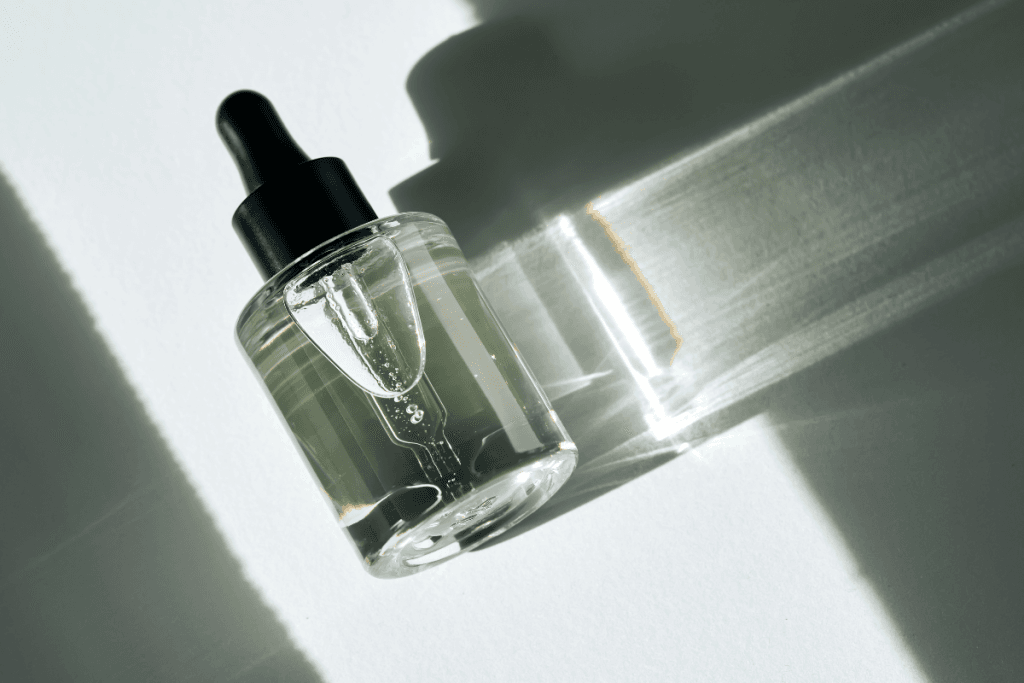
Choosing a peptide serum format
Ask practical questions that map to outcomes you can measure operationally. Does the product list a specific peptide or just “peptide complex”? Is the formula fragrance-free, or does it include potential sensitizers? How does it fit alongside retinoids and barrier products? If patients are comparing a “best peptide serum for face” online, you can redirect them toward tolerability and consistency. For background on retinoid pairing and irritation patterns, see Retinol Benefits and Tretinoin Vs Retinol.
The phrase peptides for skin often gets linked to “tightening” claims. In practice, topical peptides may support a smoother look and better-feeling hydration, especially when paired with barrier-supporting ingredients. Patients asking for the “best moisturizer with peptides and ceramides” are usually signaling dryness, sensitivity, or over-exfoliation. Consider directing them toward a bland base first, then adding actives slowly.
Quick tip: Document new topicals by brand and full INCI list when possible.
If you maintain a curated topical shelf, keep it organized by function. A browsable hub can help teams standardize language; see Creams And Serums. When discussing examples, keep it neutral and ingredient-focused. For instance, M-Seqnc Serum can be referenced as one of many peptide-positioned topicals, without implying superiority.
Injectable and In-Clinic Uses: Operational Considerations
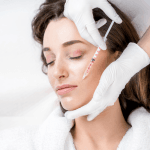
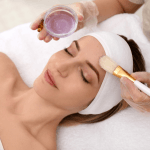
In-clinic “peptide” conversations frequently overlap with skin boosters, mesotherapy-style approaches, and combination products that may include hyaluronic acid, amino acids, or other components. Regulatory status and permitted use vary by jurisdiction and product category. Your workflow should treat injectables as high-accountability items, even when marketing language emphasizes “cosmetic rejuvenation.”
Patients may search for phrases like “best injectable peptides for skin tightening” or “peptide injections face before and after.” Clinics should treat these as expectation-management moments. Talk about the difference between subjective appearance changes and clinically meaningful endpoints. Also align photography and consent processes with your internal policies and local regulations. Avoid adopting social-media timelines as clinical promises.
Products such as Jalupro Enhancer Gel or ZO Growth Factor Serum may be discussed by patients or peers in “anti-aging stacks.” Keep discussions anchored to ingredients, intended use category, and documentation. For related context on broader care planning, see Anti-Aging Treatments.
Documentation and traceability for in-clinic use
Clinics benefit from a repeatable intake and inventory routine. Confirm product identity, lot details, and storage requirements at receipt. Track which items were used and when, using your standard medical record and inventory tools. If policies differ by state or accrediting body, document the policy source. This structure supports consistent staff handoffs and reduces rework when patients return with questions about what was used.
Products are obtained through screened distributor channels to support traceable sourcing.
Clinic workflow snapshot
- Verify professional authorization and scope.
- Confirm product category and labeling.
- Record supplier, lot, and expiration.
- Receive and inspect packaging integrity.
- Store per labeled conditions.
- Document use in the clinical record.
- Log adverse events and follow-up notes.
Managing Tolerability and Risk Signals
Most day-to-day questions from staff involve tolerability rather than mechanism. Patients using multiple actives may attribute any flare to “peptides,” even when the driver is exfoliation, fragrance, or retinoid initiation. A simple, consistent troubleshooting script helps. Clarify what changed, when it changed, and what other products were added at the same time.
For topicals, peptides side effects most often look like nonspecific irritation. That can include stinging, erythema, dryness, or a burning sensation. Contact dermatitis (allergic or irritant) is also possible, often related to preservatives, botanicals, or fragrance rather than the peptide itself. Encourage staff to capture photos (if your policies allow), document timing, and note the exact product and batch when available.
For in-clinic procedures, risk management shifts to standard injection and device-related considerations. These include infection prevention, localized inflammatory reactions, bruising, and unexpected swelling. Product category and technique drive the risk profile. Because patient posts can blur differences between devices, fillers, boosters, and topicals, teams should use plain-language explanations and avoid adopting patient terminology without clarification.
Common pitfalls to avoid
- Too many actives at once
- Assuming “natural” means low risk
- Skipping patch-introduction steps
- Not capturing full ingredient lists
- Over-relying on social-media “protocols”
Evidence and Product Evaluation: A Practical Framework
Peptides are widely studied as a class in biochemistry, but product-level evidence can be uneven. Many topical claims are supported by small studies, ingredient supplier data, or surrogate endpoints. That does not make them useless, but it changes how you counsel. Use conservative language about expected changes, focus on adherence, and track skin tolerance as a primary outcome.
When patients cite “peptides for skin reddit” threads or influencer roundups, treat it as a signal about preferences and fears. Some will mention brand-specific items such as “maelove peptide squad.” You can acknowledge the interest, then move to a structured comparison: ingredient list transparency, irritant load, compatibility with their current regimen, and your clinic’s documentation standards.
In evidence review, separate three questions. First, is the ingredient plausible at the skin level given the vehicle? Second, does the product have any human data, even short-term? Third, is the claim aligned with cosmetic versus drug boundaries? For background on hydration and barrier discussions that often co-travel with peptide use, see Hyaluronic Acid Benefits. For a peptide-positioned example discussed in professional circles, see Science Behind Jalupro.
For clinics building standard operating procedures, a “how to compare” tool reduces ad hoc decisions. If peptides for skin is the patient’s headline goal, evaluate whether the plan is primarily barrier support, texture refinement, or in-clinic procedural pairing. Then align products to that plan and document why.
| Decision factor | Topical peptide products | In-clinic injectable approaches |
|---|---|---|
| Regulatory category | Often cosmetic; claims focus on appearance | Varies by product and jurisdiction; higher oversight |
| Primary risks | Irritation, dermatitis, regimen overload | Procedure-related risks; requires trained staff |
| Documentation needs | Brand, INCI list, start date, tolerance notes | Lot/expiry, consent, technique notes, adverse events |
| Expectation setting | Gradual cosmetic changes; adherence dependent | Set realistic variability; avoid “timeline” promises |
Inventory emphasizes authentic, brand-name items with standard manufacturer labeling.
Finally, consider how you communicate uncertainty. If a claim is vague or data are hard to locate, say so. Patients generally accept conservative framing when it is consistent and documented. If you need broader context on market language and trend cycles, see Beauty Trends.
Authoritative Sources
- For cosmetic claim boundaries, see FDA cosmetics laws and regulations overview.
- For compounding and regulatory context, see FDA human drug compounding resources.
- For general anti-aging skincare principles, see American Academy of Dermatology anti-aging skincare guidance.
Further reading within your team can focus on standardizing ingredient documentation, defining “stop rules” for irritation, and building a simple comparison sheet for patient-brought products.
This content is for informational purposes only and is not a substitute for professional medical advice.