
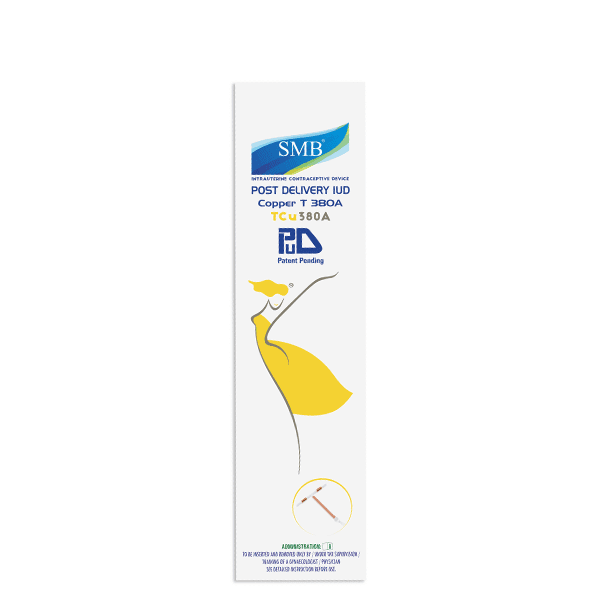
SMB® TCu 380A with Safeload
Order SMB® TCu 380A with Safeload for Clinics
Contraceptive Implant
$249.00
You save
Description
SMB® TCu 380A with Safeload is a copper intrauterine device supplied with a preloaded insertion system for professional contraceptive care. Licensed clinics and healthcare professionals can order the SMB TCu 380A IUD for in-office placement workflows that require sterile handling, lot tracking, and trained clinician use. The device supports long-term, hormone-free contraception programs where a copper T 380A IUD is appropriate after clinical screening.
This product is intended for clinical settings that provide counseling, pelvic assessment, insertion, documentation, and follow-up under established protocols. The Safeload system helps reduce separate preparation steps by keeping the device integrated with its sterile, single-use inserter until the procedure. Inventory supports US distribution for licensed facilities that need dependable device supply for gynecology and family-planning services.
Clinic Price, Ordering, and Account Use
Sign in under your facility account to view the current SMB TCu 380A with Safeload price and place an order for professional use. Pricing may vary by account status, projected utilization, and purchasing cycle, so clinic teams should use the live account view for current terms rather than relying on static estimates. Reference SKU 89497 when coordinating replenishment, internal purchasing records, or product conversations with your representative.
Licensed buyers can align ordering with scheduled contraception visits, same-day LARC capacity, and minimum par levels for procedure rooms. Keeping a defined reorder point helps reduce appointment disruption when demand changes across gynecology, family-planning, postpartum, or community health programs. If your clinic manages several contraceptive categories, the broader contraceptives category can help purchasing teams organize adjacent methods in one review cycle.
Clinic documentation should capture the device name, lot number, expiry date, insertion date, clinician, and follow-up plan according to local policy. Account verification helps ensure professional-use supply for licensed healthcare settings. Shipments may use temperature-controlled handling when required and tracked US delivery, depending on product and logistics requirements.
How the Copper T 380A Intrauterine Device Works
SMB® TCu 380A with Safeload is a copper-bearing intrauterine device for long-duration contraception under professional supervision. After placement in the uterine cavity, the copper component releases ions locally. Copper ions affect sperm motility and viability in cervical and uterine fluids, which helps prevent fertilization.
The device is hormone-free, so it may fit contraception pathways where patients request or clinically need a non-hormonal method. It is also reversible, with removal performed by a trained clinician when a patient transitions methods, completes the intended duration of use, or plans pregnancy. The T-shaped frame and retrieval threads support placement assessment, follow-up checks, and clinician removal when indicated.
For clinics, the practical value is procedural consistency. A copper IUD TCu 380A can be integrated into counseling, screening, insertion, and follow-up workflows without daily adherence demands by the user. Teams that manage both hormonal and non-hormonal intrauterine methods can use the Skyla and Kyleena IUD comparison to support internal counseling discussions around method differences.
Safeload Inserter and Treatment-Room Workflow
The Safeload design provides the device in a sterile, single-use insertion system. This format can streamline setup because the device and inserter are supplied together rather than assembled from multiple separate components. Staff should maintain the sterile barrier until use and follow the manufacturer’s insert and clinic protocol for preparation, loading checks, insertion, confirmation, and disposal.
A standardized workflow typically includes intake review, pregnancy exclusion when clinically required, infection-risk assessment, pelvic evaluation, informed counseling, and procedure documentation. Some clinics may use ultrasound confirmation when indicated by symptoms, anatomy, difficult placement, or local protocol. The device should be inserted only by trained providers who understand intrauterine placement technique and management of procedural complications.
Quick tip: Store procedure-room copies of your insertion checklist near device inventory so staff can document lot and expiry details before the patient leaves.
Safeload can also help teams reduce variability between providers by reinforcing the same procedural sequence. This is useful for high-volume contraception programs, rotating staff, and multi-site practices that need consistent documentation. Clinics that order across gynecology service lines may also find the gynecology category useful for reviewing related professional supplies.
Professional Applications and Patient Selection
Clinics use this TCu 380A intrauterine device in long-acting reversible contraception programs where a hormone-free option is requested and screening criteria are met. The method fits structured visits that include counseling about expected bleeding changes, cramping, follow-up needs, and reasons to seek clinical evaluation. It may be used in practices that provide scheduled IUD procedures as well as settings that support same-day contraception when local protocols allow.
Patient selection is essential. The device is not recommended for individuals with uterine abnormalities that interfere with placement, active pelvic infection, or Wilson’s disease. Providers should also evaluate pregnancy status, unexplained abnormal uterine bleeding, current pelvic symptoms, known copper sensitivity concerns, and any clinical factor that could make intrauterine contraception unsuitable.
Because this is a professional-use device, clinic teams should keep counseling materials separate from inventory claims. Counseling should explain that common early reactions can include transient cramping, irregular bleeding, or heavier menstrual bleeding, particularly in the first months after placement. Follow-up allows the care team to evaluate symptoms, assess strings when appropriate, and confirm position if there is concern about expulsion, perforation, pregnancy, or persistent pain.
Key Features for Clinic Purchasing
- Hormone-free copper IUD for long-acting reversible contraception programs.
- TCu 380A device design for intrauterine placement by trained clinicians.
- Safeload sterile, single-use inserter to support consistent procedural setup.
- Copper ion release inside the uterine cavity to impair sperm function.
- Retrieval threads for post-placement checks and clinician removal.
- Clinic-friendly unit handling for lot, expiry, and procedure documentation.
- Suitable for gynecology, family-planning, and LARC service workflows.
- Reversible method after removal by a qualified healthcare professional.
- Screening required for uterine abnormalities, active pelvic infection, and Wilson’s disease.
- Supports standardized counseling around bleeding, cramping, and follow-up.
Composition, Device Components, and Supply Format
The active component is copper, which releases ions locally after intrauterine placement. The device uses a T-shaped frame intended to sit within the uterine cavity when positioned correctly. Retrieval threads allow a clinician to evaluate the presence of strings during follow-up and remove the device when indicated.
The SMB TCu 380A Safeload kit includes a sterile, single-use inserter integrated with the device. Packaging is designed to protect sterility until the procedure. Before use, staff should inspect the sterile barrier, label, lot, and expiry date, and should not use any unit with compromised packaging.
Storage should follow the manufacturer’s insert and clinic policy. In most clinic workflows, copper IUD units are managed with other sterile medical devices, separated from expired inventory, and rotated by expiry date. The medical devices category can support broader procurement planning when teams coordinate device-based contraception with other procedure-room supplies.
Benefits in Practice
For care teams, this device supports a repeatable path from counseling to placement and follow-up. The hormone-free mechanism simplifies counseling for patients who prefer to avoid hormonal contraception or who need a non-hormonal alternative after clinical review. A single sterile pack can also help purchasing teams forecast use by scheduled procedure volume.
The preloaded insertion system may reduce preparation variability across trained providers who follow the same protocol. That consistency matters in busy clinics because procedural teams need predictable steps, clear handoffs, and reliable documentation. When intake, consent, insertion, and follow-up are standardized, staff can manage LARC visits more efficiently without weakening safety checks.
Operational benefits also extend to inventory control. Each unit can be tracked by SKU, lot, and expiry date, then linked to the procedure record. For multi-site practices, consistent product selection can reduce training complexity and help maintain comparable documentation across locations. If a clinic also stocks injectable contraception, the Depo-Provera long-term use discussion may help teams frame counseling differences between device-based and injection-based methods.
Safety, Contraindications, and Monitoring
SMB® TCu 380A with Safeload should be used only after appropriate clinical screening. It is not recommended for individuals with uterine abnormalities that prevent correct placement, active pelvic infection, or Wilson’s disease. Providers should follow accepted protocols for pregnancy assessment, pelvic infection evaluation, cervical preparation when used in the clinic’s protocol, aseptic technique, and management of insertion-related pain or vasovagal symptoms.
Expected reactions can include cramping, irregular bleeding, spotting, or heavier menstrual bleeding during the early months after placement. Patients should be instructed to contact the clinic for severe or persistent pelvic pain, fever, abnormal discharge, suspected pregnancy, inability to feel strings when they have been taught to check them, or symptoms suggesting expulsion. A clinician should evaluate suspected malposition, perforation, infection, pregnancy with an IUD in place, or significant bleeding changes.
Post-placement monitoring may include a scheduled follow-up visit, symptom review, string assessment, or imaging when clinically indicated. Documentation should reflect counseling on bleeding expectations, warning symptoms, and removal procedures. These steps support safe use while helping clinics maintain consistent quality standards across high-volume contraceptive services.
Comparable and Adjacent Products
Clinics evaluating copper IUD supply often also maintain hormonal intrauterine systems or other long-acting reversible methods. The best fit depends on patient preference, contraindications, bleeding profile, desired duration, and clinician assessment. A copper IUD offers a hormone-free mechanism, while hormonal systems may be selected for different clinical goals and tolerability considerations.
For a hormonal intrauterine option, clinics can review Mirena 52 mg IUD alongside their non-hormonal inventory. Product selection should account for insertion training, labeling, counseling points, follow-up procedures, and documentation differences. Clinics should not substitute devices without confirming clinical fit, staff readiness, and protocol updates.
When substitution is necessary because of purchasing or allocation changes, care teams should evaluate device class, inserter design, approved use context, contraindications, and patient counseling materials before updating workflows. Inventory managers should involve clinical leadership before changing intrauterine device protocols, especially across multi-site systems.
Availability, Replenishment, and Substitution Planning
SMB® TCu 380A with Safeload is available for clinic ordering through professional supply channels. Supply levels can change with manufacturer production, distributor allocation, and purchasing cycles, so clinics should plan replenishment around scheduled procedure volume rather than waiting until stock is exhausted. Defining par levels by location helps reduce gaps during busy family-planning sessions.
Use SKU 89497 for purchasing accuracy and reconciliation. Keep expired units segregated, document any damaged packaging, and rotate inventory according to expiry dates. If your facility uses standing orders or centralized purchasing, align device replenishment with credentialed account requirements and internal approval processes.
Substitutions should be treated as clinical workflow changes, not only purchasing changes. Confirm that staff understand the alternate inserter, documentation language, contraindications, and counseling expectations before using a different device. This protects procedural consistency and helps avoid confusion during patient visits.
Authoritative Sources
For broader clinical guidance on contraception and safety counseling, clinicians should use current evidence-based references, product labeling, and professional protocols. The FDA provides consumer and clinician-facing birth control information that can support general method education: FDA birth control information.
Manufacturer inserts and local clinical policies should guide specific insertion technique, contraindication screening, storage, documentation, and removal procedures for this device. Product use should remain within professional scope and applicable clinic protocols.
This content is for informational purposes only and is not a substitute for professional medical advice.
Frequently Asked Questions
Who can order SMB® TCu 380A with Safeload?
SMB® TCu 380A with Safeload is intended for licensed clinics and healthcare professionals that provide intrauterine contraception services. Account verification and professional-use documentation may apply before ordering.
What should clinics document after insertion?
Clinics should document the device name, SKU when used for inventory, lot number, expiry date, insertion date, clinician, counseling points, and follow-up plan according to facility protocol.
Does the Safeload system change the need for trained insertion?
No. The Safeload system supports sterile, consistent setup, but insertion should be performed only by trained clinicians following the manufacturer’s insert and accepted clinical protocols.
What reactions should staff counsel patients about?
Common early reactions can include cramping, spotting, irregular bleeding, or heavier menses. Patients should receive instructions for severe pain, fever, abnormal discharge, suspected pregnancy, or concerns about expulsion.
How should clinics manage substitutions?
Substitutions should be reviewed by clinical leadership before use. Confirm device class, inserter design, contraindications, counseling materials, staff training needs, and documentation updates before changing protocols.
Specifications
- Main Ingredient: Copper
- Manufacturer: SMB Corporation of India
- Drug Class: Contraceptive
- Generic Name: Intrauterine device (IUD
- Package Contents: 1 IUD
- Storage Requirements: Room Temperature (2℃~25℃)
- Main Usage:
Here to help
Questions about ordering, delivery or products? You can email our team here or call now at 1-800-630-9757 and be connected with your dedicated Account Manager
Related Products
Evenity® (English Alternative)
Injectable Medication
$1,229.00 - $1,299.00
You save
You save
Intraline® For Men
Dermal Filler
$59.00 - $79.00
You save
You save
RejuvaNAD+ Pro
Injectable Medication
$237.00 - $249.00
You save
You save
Teosyal® RHA 4
Aesthetic Surgery Product
$259.00 - $279.00
You save
You save
Related Articles
Prednisone in Clinical Care: Uses, Risks, and Monitoring
Prednisone is a prescription systemic corticosteroid used to reduce inflammation or suppress immune activity in…
Lip Fillers Swelling Stages: Timeline, Safety, and Follow-Up
Lip fillers swelling stages usually follow a short inflammatory course: swelling appears soon after injection,…
Hypopigmentation of the Skin: Assessment and Care
Hypopigmentation of the skin means one or more areas look lighter than the surrounding skin.…
Radiesse vs Sculptra: Selection Factors for Clinics
Radiesse vs Sculptra is best understood as a comparison between two collagen-stimulating injectables with different…
Hyaluronic Acid Under-Eye Filler: Safety and Workflow
Hyaluronic acid under-eye filler is an injectable soft-tissue filler used by trained aesthetic clinicians to…
Dermal Filler Types: Materials, Uses, and Clinic Fit
Dermal filler types are usually grouped by their base material, tissue behavior, and expected role…
What Is Dysport? Clinical Uses, Safety, and Workflow
For clinic teams asking what is Dysport, the short answer is simple: Dysport is a…
Biostimulators in Aesthetic Care: Selection and Safety
Biostimulators are injectable aesthetic products used to encourage a controlled tissue response, often involving new…