
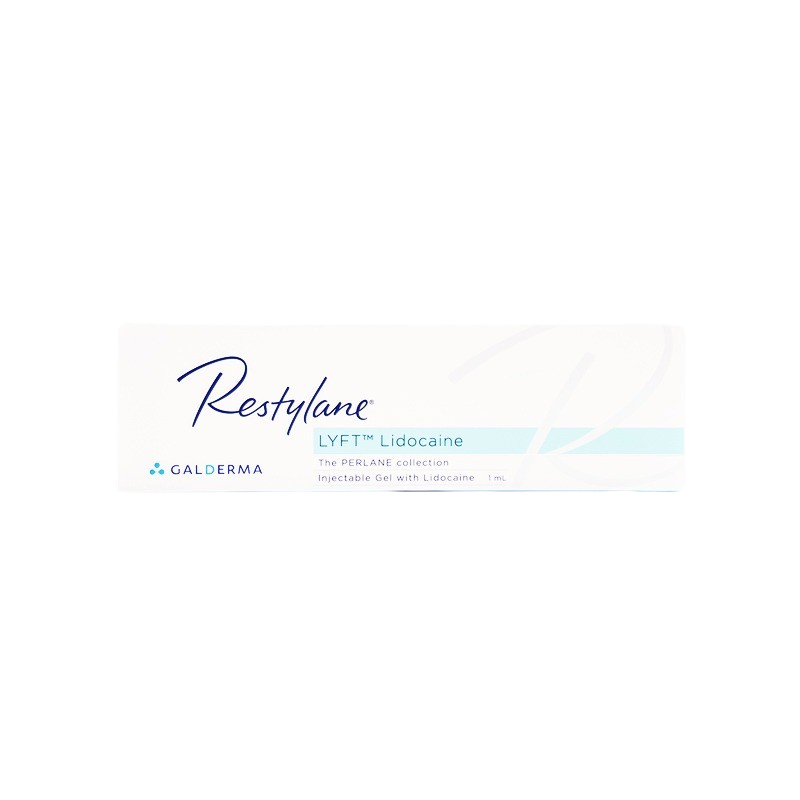
Restylane® Lyft w/ Lidocaine
Order Restylane® Lyft w/ Lidocaine for Clinics
Hyaluronic Acid-Based Filler
$189.00
You save
Description
Restylane® Lyft w/ Lidocaine is a sterile injectable hyaluronic acid gel supplied in a 1 mL prefilled glass syringe for professional aesthetic use. Licensed clinics, med spas, and healthcare professionals can order it for controlled treatment-room workflows that require a structured HA filler with lidocaine. Each unit contains stabilized hyaluronic acid 20 mg/mL with lidocaine hydrochloride 3 mg/mL and includes two sterile needles.
This filler is used by trained injectors for volume support, contouring, and soft-tissue augmentation in appropriate dermal or subcutaneous planes. The integrated anesthetic supports procedural comfort, while the ready-to-use syringe helps reduce preparation steps during busy clinic sessions. Med Wholesale Supplies serves licensed professional accounts with brand-name medical products sourced through vetted distributor channels and verified supply routes.
Wholesale Price, Account Access, and Pack Details
Clinics can sign in to view the current Restylane Lyft with Lidocaine price, unit details, and any account-specific contract tiers available to their facility. Pricing can vary by order size, account profile, and purchasing cadence, so the live account portal is the best source for current cost information. Professional ordering requirements may apply before clinic-level purchasing is enabled.
The supplied configuration is a Restylane Lyft with Lidocaine 1 mL syringe in a sterile presentation. Pack composition includes one 1 mL prefilled glass syringe, two sterile needles, hyaluronic acid 20 mg/mL, and lidocaine hydrochloride 3 mg/mL. The product is intended for single-use professional administration and should be handled according to the manufacturer’s instructions and your facility’s injection protocols.
Quick tip: Match reorder quantities to scheduled procedure volume, lot rotation, and injector preference rather than stocking filler by brand alone.
How Clinics Use This HA Filler
Restylane® Lyft w/ Lidocaine is a transparent, biodegradable, non-animal stabilized hyaluronic acid gel. Clinics use this type of filler when treatment planning calls for lift, projection, or contour support rather than only fine-line correction. The gel is injected by trained clinicians into the appropriate plane based on the treatment area, product labeling, anatomy, and clinic policy.
Common professional workflows include midface structure, cheek definition, and hand volume support. Authoritative labeling also describes use for correction of moderate to severe facial folds and wrinkles, such as nasolabial folds, and certain augmentation applications under professional administration. Patient selection, informed consent, vascular anatomy knowledge, and complication readiness remain central to safe use.
For broader treatment planning within this product family, clinics can reference the Restylane treatment guide. Practices comparing HA filler positioning may also find the Juvederm Ultra 4 and Restylane Lyft comparison useful when building protocols for different tissue needs.
Active Ingredients and Handling Characteristics
The active composition is hyaluronic acid 20 mg/mL with lidocaine hydrochloride 3 mg/mL. Hyaluronic acid is a naturally occurring polysaccharide used in dermal fillers because it can bind water and support soft-tissue volume. Lidocaine is an amide-type local anesthetic included to help reduce discomfort during injection.
The gel is transparent, stabilized, biodegradable, and non-animal in origin. Contents are sterilized by moist heat and supplied in a prefilled glass syringe to support aseptic treatment-room handling. Lot and expiry information should be recorded according to clinic documentation procedures, especially when multiple injectors or multiple rooms share central inventory.
| Attribute | Clinic-use detail |
|---|---|
| Form | Sterile injectable HA gel in a prefilled glass syringe |
| Quantity | 1 x 1 mL syringe |
| Needles | 2 sterile needles included |
| HA concentration | 20 mg/mL |
| Lidocaine concentration | 3 mg/mL |
| Use setting | Professional administration by trained clinicians |
Workflow Benefits for Licensed Practices
A prefilled syringe reduces product preparation steps and helps keep the injection setup consistent across treatment rooms. The included needles limit extra supply pulls, which can improve room turnover and support standardized procedure trays. Consistent extrusion and a clear gel matrix may help injectors maintain controlled, measured placement during aesthetic correction.
The lidocaine component can reduce the need for separate anesthetic measures in many protocols, although clinics should still follow their own comfort, consent, and monitoring policies. Because this is a single-use sterile presentation, staff should avoid reprocessing, sharing, or saving partially used material. Dispose of sharps and remaining material according to facility rules and applicable biomedical waste procedures.
For more context on the role of anesthetic-containing fillers, see the clinic-focused discussion of lidocaine in dermal filler procedures. To browse adjacent products in the same brand family, use the Restylane brand category.
Safety, Contraindications, and Professional Precautions
Dermal filler administration requires appropriate training, anatomical knowledge, and a plan for managing adverse events. Common reactions are usually localized and transient, and may include pain, itching, tenderness, edema, localized swelling, bruising, discoloration, and headache. Clinics should counsel recipients on expected post-procedure reactions and document aftercare instructions according to internal policy.
Contraindications include bleeding disorders and known hypersensitivity to amide-type local anesthetics such as lidocaine. Use should be deferred when relevant allergies, active infection at the treatment site, or other contraindicating conditions are identified by the treating clinician. Product placement, injection volume, and technique should be determined by the injector’s assessment and current labeling.
Serious complications are uncommon but can occur with injectable fillers, including vascular compromise, tissue injury, infection, nodules, inflammatory reactions, or unintended material placement. Clinics should maintain emergency protocols, appropriate supplies, and escalation pathways for suspected vascular events or other urgent complications. Any unexpected or severe reaction should be assessed promptly by a qualified healthcare professional.
Why it matters: The same sterile syringe can support efficient workflow only when staff also maintain strict aseptic technique and traceability.
Storage, Inventory, and Logistics
Store and handle Restylane® Lyft w/ Lidocaine according to the manufacturer’s insert and clinic inventory policy. Keep units in original packaging until use, protect sterility, and verify lot number and expiry before the syringe enters the treatment room. Rotate stock so earlier-dated units are used first, and separate any damaged or questionable packaging from active inventory.
For multi-site practices, central purchasing can help standardize product selection, documentation, and reorder thresholds across locations. Bulk order planning should reflect actual treatment demand, injector utilization, and remaining shelf life. Temperature-controlled handling when required and tracked US delivery can be coordinated as part of routine professional logistics.
Clinics building complete injection workflows may also evaluate compatible supplies and adjacent medical products through established internal purchasing standards. Avoid substituting fillers solely because they share an HA base; rheology, intended plane, treatment objective, and injector familiarity all affect product selection.
How It Compares Within the Restylane Family
Restylane Lyft with Lidocaine is not the same as Restylane with Lidocaine. Both are hyaluronic acid fillers with lidocaine, but they are positioned for different clinical uses and handling characteristics. Restylane Lyft is commonly selected when structural support, projection, or contouring is required, while classic Restylane preparations are often used for different correction needs within the same HA family.
For clinics that need a related HA option, Restylane 1 mL with Lidocaine may fit protocols focused on other line or fold indications. Practices that prefer the same product without lidocaine can review Restylane Lyft 1 mL. For robust volumizing needs, Restylane Volyme with Lidocaine may be considered according to injector preference and labeling.
When comparing fillers across manufacturers, evaluate intended treatment area, gel behavior, injection plane, adverse-event profile, clinic training, and patient-specific risks. A broader discussion of two leading HA filler families is available in the Restylane and Juvederm comparison.
Ordering Notes for Professional Accounts
Licensed clinics can order Restylane® Lyft w/ Lidocaine through a professional account after account details are established. Sign in to view current availability, unit configuration, and applicable purchasing tiers. If your practice operates multiple sites, align the order with treatment calendars, standing par levels, and lot-tracking expectations before submitting replenishment.
Restylane Lyft with Lidocaine wholesale purchasing is best managed through a defined formulary or product matrix. That approach helps staff understand which filler is used for each protocol, how substitutions are approved, and which injectors are trained on each product. Procurement teams should also maintain manufacturer inserts, lot records, and internal handling instructions where staff can access them.
If a preferred unit is temporarily constrained, a clinical lead should approve any functional alternative before it is added to procedure rooms. Substitution decisions should consider more than ingredient class; texture, projection, labeled use, and treatment objective can differ between HA fillers.
Authoritative Sources
- Restylane Lyft instructions for use
- Manufacturer Restylane Lyft information
- FDA dermal filler safety information
This content is for informational purposes only and is not a substitute for professional medical advice.
Frequently Asked Questions
Is Restylane Lyft the same as Restylane with Lidocaine?
No. Both are hyaluronic acid fillers and may include lidocaine, but they are different Restylane products with different clinical positioning and handling characteristics. Restylane Lyft is commonly selected for structural support, projection, and contouring workflows, while classic Restylane with Lidocaine is used for other correction needs within the same brand family.
What is included with one Restylane® Lyft w/ Lidocaine unit?
Each unit includes one 1 mL prefilled glass syringe and two sterile needles. The gel contains stabilized hyaluronic acid 20 mg/mL with lidocaine hydrochloride 3 mg/mL in a sterile, single-use presentation for professional administration.
How much is one syringe of Restylane Lyft with Lidocaine?
Current syringe pricing is shown inside the professional account portal. Cost can vary by account profile, order quantity, contract tier, and purchasing cadence, so clinics should sign in to view current unit and wholesale details.
How should clinics plan inventory for this filler?
Plan inventory around procedure volume, injector preference, lot rotation, and expiry dates. Keep units in original packaging until use, document lot and expiry information, and avoid adding substitutes to treatment rooms unless a clinical lead approves the change.
What safety checks matter before professional use?
Clinics should screen for relevant contraindications, including bleeding disorders and known hypersensitivity to amide-type local anesthetics such as lidocaine. Staff should also assess treatment-site conditions, review expected reactions such as swelling or bruising, and maintain protocols for urgent filler-related complications.
Specifications
- Main Ingredient: Hyaluronic Acid 20Mg/M Lidocaine Hydrochloride 0.3%
- Manufacturer: Galderma
- Drug Class: Dermal Filler
- Generic Name: Hyaluronic Acid-Based Filler
- Package Contents: 1 mL x1 Pre-Filled Syringe
- Storage Requirements: Room Temperature (2℃~25℃)
- Main Usage: Volume Filler
About the Brand
Restylane
Restylane stands as a trusted medical brand, providing an extensive variety of injectable dermal fillers designed to rejuvenate facial appearance and minimize aging signs. These products, infused with hyaluronic acid, are renowned for results that embody natural aesthetics and exhibit prolonged effectiveness. On medwholesalesupplies.com, we present Restylane offerings at market competitive rates, facilitating medical experts in keeping these premium dermal fillers on hand. By choosing to acquire Restylane via medwholesalesupplies.com, medical practitioners stand to gain numerous advantages. To begin with, our online platform simplifies the ordering process and lessens the exertion involved in sourcing these medical essentials. Furthermore, by offering Restylane at wholesale prices, we provide an opportunity for practitioners to achieve monetary savings when making bulk purchases. Finally, we place a high emphasis on customer contentment and guarantee only authentic products on our website. Therefore, when purchasing Restylane from medwholesalesupplies.com, you can rest assured you are obtaining genuine articles. In summary, Restylane represents a reliable medical brand furnishing prime quality dermal fillers to aid in facial revival. Through medwholesalesupplies.com, medical specialists can swiftly secure Restylane products at wholesale prices, saving both time and resources while ensuring product genuineness. Unlock the potential of Restylane, a trusted name in cosmetic fillers, through Med Wholesale Supplies. Whether you're looking to enhance lips with Restylane for lips or seeking the best Restylane filler for various treatments, we have you covered. Explore Restylane prices to find affordable solutions that meet your needs. Our expert-curated selection ensures you can deliver the best results to your clients with confidence. Choose Med Wholesale Supplies for all your Restylane products and more!
Browse Restylane Products
Here to help
Questions about ordering, delivery or products? You can email our team here or call now at 1-800-630-9757 and be connected with your dedicated Account Manager
Related Products
Prolia® (International English)
Prescription Medication
$529.00 - $549.00
You save
You save
Evenity® (English Alternative)
Injectable Medication
$1,229.00 - $1,299.00
You save
You save
Intraline® For Men
Dermal Filler
$59.00 - $79.00
You save
You save
RejuvaNAD+ Pro
Injectable Medication
$237.00 - $249.00
You save
You save
Related Articles
Prednisone in Clinical Care: Uses, Risks, and Monitoring
Prednisone is a prescription systemic corticosteroid used to reduce inflammation or suppress immune activity in…
Lip Fillers Swelling Stages: Timeline, Safety, and Follow-Up
Lip fillers swelling stages usually follow a short inflammatory course: swelling appears soon after injection,…
Hypopigmentation of the Skin: Assessment and Care
Hypopigmentation of the skin means one or more areas look lighter than the surrounding skin.…
Radiesse vs Sculptra: Selection Factors for Clinics
Radiesse vs Sculptra is best understood as a comparison between two collagen-stimulating injectables with different…
Hyaluronic Acid Under-Eye Filler: Safety and Workflow
Hyaluronic acid under-eye filler is an injectable soft-tissue filler used by trained aesthetic clinicians to…
Dermal Filler Types: Materials, Uses, and Clinic Fit
Dermal filler types are usually grouped by their base material, tissue behavior, and expected role…
What Is Dysport? Clinical Uses, Safety, and Workflow
For clinic teams asking what is Dysport, the short answer is simple: Dysport is a…
Biostimulators in Aesthetic Care: Selection and Safety
Biostimulators are injectable aesthetic products used to encourage a controlled tissue response, often involving new…