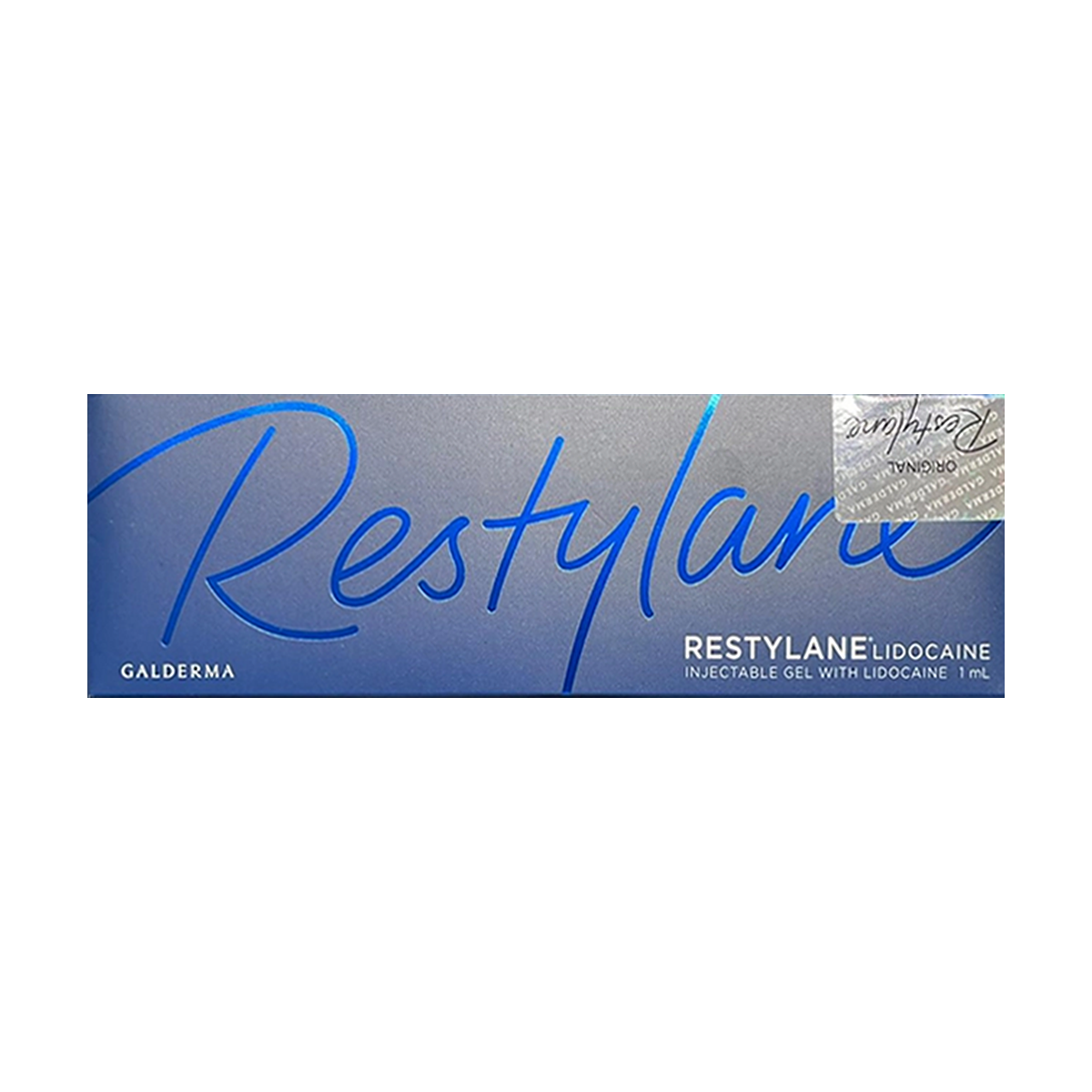
Galderma
20mg/ml, 3mg/ml1 mL x 1 Pre-Filled SyringeRx requiredIn stock
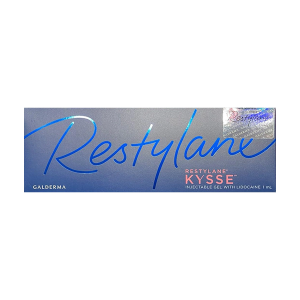
Order Restylane® 1 mL with Lidocaine for Clinics
Hyaluronic Acid
Free shipping on orders over $800
5% off your first order, applied at checkout
Order as a guest or log in. Your medical licence details are collected at checkout and checked against the state board and the NPI registry.
Treatment cost and margin plannerPlanning tool
Enter your own figures: the syringes you use per treatment and what you charge per treatment. The table shows your product cost and margin per treatment at each quantity price. It does not suggest doses, prices or treatments.
| Quantity | Price per pack | Cost per unit | Cost per treatment | Margin per treatment |
|---|
Uses today's prices for the selected option before shipping and any other costs. Your figures stay in your browser.
- Storage
- Room Temperature (2℃~25℃)
Ships within 24–48 hours
Delivery typically 48–72 hours after shipping, up to 5–7 business days depending on origin and customs. Tracking is emailed when your order ships.
Warm or damaged on arrival?
Send us photos or a video. We investigate and arrange a replacement where needed.
Licence checks
Licences are checked against the state board and the NPI registry.
100% genuine products
In original manufacturer packaging, with lot numbers for full traceability. Lot numbers are shown on your packing slip and invoice.
250 active clinics · Supplying clinics since 2013
“Everything has been easy from ordering to delivery. The prices are good, orders arrive quickly, and the customer service has been great. I would definitely order from MWS again.”
We acceptVisa, Mastercard and American Express
Specifications at a glance
- Manufacturer
- Galderma
- Generic name
- Hyaluronic Acid
- Size / strength
- 20mg/ml, 3mg/ml
- Package content
- 1 mL x 1 Pre-Filled Syringe
- Main ingredient
- Hyaluronic Acid, Lidocaine
- Drug class
- Medical Device
- Drug type
- Medical Device
- Storage
- Room Temperature (2℃~25℃)
- Prescription
- Rx required. Supplied to licensed practitioners only.
About Restylane® 1 ml w/ Lidocaine
Restylane® 1 mL with Lidocaine is a sterile, transparent hyaluronic acid injectable gel for professional dermal placement. Licensed clinics and healthcare professionals can order the 1 mL prefilled syringe configuration with integrated 0.3% lidocaine hydrochloride. The pack supports treatment-room setup with two sterile 29G 1/2″ needles, package documentation, and a patient record label for clinic charting.
The stabilized hyaluronic acid gel is intended for intradermal use by trained clinicians using appropriate technique and aseptic protocols. Its mid to deep dermal placement range makes it relevant for soft-tissue augmentation and contouring workflows selected by qualified providers. Clinics sourcing Restylane 1 mL with Lidocaine can align the product with inventory planning, professional documentation, and reliable US logistics.
Restylane 1 mL with Lidocaine Price and Pack Details
Current prices and quantity breaks are shown on this page, and licensed clinics can order as a guest or with an account. For multi-provider practices, the most useful comparison is usually cost per 1 mL syringe matched against anticipated treatment volume and restocking cadence.
Each unit contains one calibrated 1 mL prefilled syringe. The supplied 29G 1/2″ needles reduce extra setup steps and help staff prepare the treatment room consistently. Lot and expiry information on the package, together with the patient record label, supports traceability in professional aesthetic records.
| Clinic detail | Configuration |
|---|---|
| Product type | Sterile stabilized hyaluronic acid injectable gel |
| Pack size | 1 x 1 mL prefilled syringe |
| Lidocaine component | 0.3% lidocaine hydrochloride |
| Needles included | 2 x sterile 29G 1/2″ needles |
| Documentation | Package insert and patient record label |
| Placement context | Professional mid to deep dermal administration |
Quick tip: Match purchasing quantities to booked procedure volume, injector preference, and expiry rotation rather than ordering by syringe count alone.
What the Filler Is and How It Works
Restylane® 1 mL with Lidocaine combines non-animal stabilized hyaluronic acid with an integrated local anesthetic. Hyaluronic acid is a water-binding substance used in dermal filler gels to provide structure and soft-tissue support after placement. The lidocaine component helps reduce injection discomfort during professional administration, which can support smoother treatment-room flow.
The gel’s cohesive network is designed for controlled extrusion through fine-gauge needles and predictable placement in suitable dermal layers. Trained injectors select placement depth, injection pattern, and treatment area based on clinical assessment, anatomy, product behavior, and the clinic’s protocol. For broader planning around filler classes and rheology, your team can use the Restylane dermal filler treatment guide as a companion reference.
Restylane injectable gel 1 mL Lidocaine is not a consumer self-use product. It belongs in professional soft-tissue augmentation workflows where staff can manage sterile preparation, informed consent documentation, post-procedure instructions, and follow-up planning. Treatment suitability, injection technique, and expected outcome duration should be determined by qualified healthcare professionals.
Professional Applications in Aesthetic Workflows
Clinics may incorporate this hyaluronic acid filler 1 mL with lidocaine into facial soft-tissue augmentation programs, including line-softening and contour refinement protocols selected by trained providers. The mid to deep dermal placement range supports use in areas suited to intradermal filler administration, based on the clinician’s assessment of tissue quality, anatomy, and desired correction. The 1 mL syringe format is practical for single-session planning and clear inventory allocation.
Common clinical questions include whether one syringe is enough and how long outcomes may last. Those answers vary by treatment area, tissue movement, amount placed, previous filler history, and patient-specific factors. From a clinic purchasing perspective, staff should plan syringe counts around provider assessment and procedure scheduling rather than using a fixed one-size-fits-all rule.
Integrated lidocaine can be especially useful for practices standardizing patient comfort protocols. For teams refining anesthetic planning, the role of lidocaine in dermal filler procedures explains how lidocaine-containing fillers fit into injection workflows. The final protocol should still reflect provider judgment, patient history, and any contraindications to local anesthetics.
Key Features for Clinic Use
- Stabilized hyaluronic acid gel of non-animal origin for professional dermal placement.
- 0.3% lidocaine hydrochloride integrated into the gel for procedural comfort support.
- 1 mL prefilled syringe configuration for consistent setup and inventory tracking.
- Two sterile 29G 1/2″ needles included with the unit.
- Package insert and patient record label included for professional documentation.
- Designed for trained clinician administration using aseptic technique.
- Suitable for mid to deep dermal placement when clinically appropriate.
The main operational advantage is a ready-to-use syringe and needle configuration that fits common aesthetic treatment-room routines. Staff can document the lot, expiry, injection site, amount placed, and provider details according to clinic policy. That traceability matters when practices manage multiple injectors, recurring appointments, and several filler formulations.
Composition, Handling, and Documentation
The formulation contains stabilized hyaluronic acid and lidocaine hydrochloride 0.3%. The balanced gel matrix supports smooth extrusion while maintaining structure in the intended dermal layers. Because this is a sterile injectable product, clinics should follow the package insert, maintain aseptic technique, and use the product only within professional protocols.
Each unit is configured for single-patient, single-session use. Before preparation, staff should inspect packaging integrity, verify lot and expiry information, and confirm that the syringe and supplied needles match the planned procedure. Opened or compromised sterile components should be handled according to clinic policy and applicable professional standards.
Documentation should capture product identity, lot number, expiry date, injection area, volume used, provider, and any relevant comfort or reaction notes. The included patient record label helps standardize charting. When delivery logistics require it, orders are managed with temperature-controlled handling when required and tracked US delivery.
Safety, Contraindications, and Professional Precautions
Dermal filler administration requires trained clinical judgment. Providers should evaluate medical history, allergies, previous filler placement, active skin conditions, infection risk, bleeding risk, and suitability for lidocaine exposure before treatment. Patients with known hypersensitivity to lidocaine or other relevant product components require careful evaluation and may not be appropriate candidates.
Expected post-injection effects can include localized tenderness, swelling, redness, bruising, firmness, itching, or temporary discomfort at the injection site. Serious complications are uncommon but can occur with dermal fillers, including infection, vascular compromise, tissue injury, nodules, delayed inflammatory reactions, or visual symptoms. Clinics should maintain protocols for recognizing adverse events and escalating care promptly.
Technique influences risk. Providers should use careful anatomical assessment, appropriate injection depth, conservative placement, aspiration practices if used by clinic protocol, and post-procedure monitoring instructions. Staff should advise patients to report severe pain, skin color changes, increasing swelling, fever, signs of infection, or vision changes immediately. Product selection should also consider previous fillers and planned adjacent procedures.
For broader formulation planning and protocol comparison, clinics can review Restylane Skinboosters clinical protocol planning. That content can help teams separate hydration-focused treatment concepts from volumizing or contouring filler workflows.
Ordering, Account Access, and US Distribution
Teams can also align filler purchasing with compatible aesthetic supplies to reduce fragmented restocking.
MedWholesaleSupplies serves licensed clinics and healthcare professionals with brand-name medical products sourced through vetted distributors and verified supply channels. Order details can be reviewed against the product configuration, pack size, and documentation needs before checkout. US distribution supports clinic inventory planning, with reliable US logistics for scheduled purchasing cycles.
If your practice uses multiple Restylane formulations, the Restylane brand collection can help staff see adjacent products within the same brand family. Brand-level browsing is useful when protocols specify different gel behaviors for different facial areas or treatment objectives.
Comparable Restylane and HA Filler Choices
Clinics often compare Restylane 1 mL with Lidocaine against adjacent hyaluronic acid fillers based on tissue support, area selection, injector preference, and desired handling. A product with the same syringe volume may still differ in gel behavior, indication context, and practical placement strategy. Medical directors should approve substitutions before staff switch formulations within an established protocol.
For structural lift or deeper contouring programs, practices may evaluate Restylane Lyft with Lidocaine. For expression-related areas where flexibility matters, Restylane Refyne with Lidocaine and Restylane Defyne with Lidocaine may be considered within clinic protocols. Lip-focused programs may involve Restylane Kysse with Lidocaine when selected by trained providers.
Cross-brand comparisons can also inform purchasing. The Restylane and Juvéderm comparison outlines practical differences clinicians may discuss when reviewing formulary choices. Use comparison content for education and procurement planning, not as a substitute for product-specific labeling or medical director guidance.
Inventory Planning and Substitution Considerations
For clinics that buy hyaluronic acid dermal filler 1 mL configurations regularly, inventory planning should account for procedure mix, injector preference, expiration dates, and patient follow-up patterns. Aesthetic teams often separate stock by product family, treatment indication, and syringe volume so staff can pull the correct unit during room setup. Clear storage areas and charting procedures reduce avoidable handling errors.
If a preferred configuration is temporarily constrained during a purchasing cycle, confirm any alternative with the medical director before substituting. Similar syringe volumes do not guarantee the same handling characteristics or clinical fit. Clinics should document any formulary changes, update staff training notes, and keep patient records consistent when product selection changes.
Practices comparing deeper-support products may also find Juvéderm Ultra 4 and Restylane Lyft practice guidance useful for procurement conversations. Related educational content should support professional evaluation, while final product choice remains tied to training, labeling, and clinical judgment.
Authoritative Safety Information
Dermal fillers are regulated medical products that require appropriate professional training and patient assessment. Clinics should rely on the package insert, manufacturer materials supplied with the unit, and applicable professional standards when developing protocols. Public safety guidance from regulators can also help teams reinforce informed consent, adverse-event recognition, and post-treatment escalation procedures.
Because previously used external references for this product had link errors, they have been removed rather than replaced with uncertain URLs. Clinic teams should use current official labeling and regulator materials accessed directly through trusted sources when they need updated safety language. Internal training materials should be reviewed periodically so injectors and support staff follow current clinical expectations.
This content is for informational purposes only and is not a substitute for professional medical advice.
Questions clinics ask
What is included with Restylane® 1 mL with Lidocaine?
Each unit includes one 1 mL prefilled syringe, two sterile 29G 1/2″ needles, a package insert, and a patient record label. The formulation contains stabilized hyaluronic acid with 0.3% lidocaine hydrochloride.
Who can order Restylane 1 mL with Lidocaine from MedWholesaleSupplies?
This product is intended for licensed clinics, med spas, aesthetic practices, and healthcare professionals using dermal fillers within professional protocols. Account access may be reviewed to support appropriate B2B purchasing controls.
What is Restylane with Lidocaine used for in clinic workflows?
Clinics use it within professional soft-tissue augmentation and contouring workflows selected by qualified providers. It is designed for mid to deep dermal placement, with final treatment area and technique determined by clinical judgment.
How should clinics compare the price of one Restylane syringe?
Compare the displayed price by 1 mL syringe, included needles, documentation needs, order volume, and expected procedure mix. Clinics should also consider expiry rotation and whether adjacent formulations are needed for different treatment protocols.
Does the lidocaine replace clinic comfort protocols?
No. Integrated lidocaine may support procedural comfort, but clinics should still follow their own assessment, consent, anesthesia, and monitoring protocols. Providers should evaluate lidocaine sensitivity and other patient-specific risks before treatment.
Can another Restylane product be substituted?
Only with medical director or qualified provider approval. Restylane formulations can differ in handling and intended clinical use, so substitutions should be documented and aligned with training, labeling, and clinic protocol.

MWS Customer Service Team
Ordering in volume or opening a clinic account? Talk to us.
Our customer service team helps you choose the right pack, label option and quantity for your clinic, and sets up your first order.
Monday to Friday, 9am to 6pm ET
Why clinics order from MWS
Built for licensed clinics
Licences are checked against the state board and the NPI registry.
Every pack option named
Each option names its dosage and pack size, so you know which pack you are ordering.
Volume pricing up front
Quantity tiers are shown on the product, before you order.
Cold-chain packing
Refrigerated lines ship in thermo-packaging with enough ice packs to hold temperature for up to 10 days.
“The customer care team was very efficient in offering hand-held guidance to choose the most cost-effective options.”