
Description
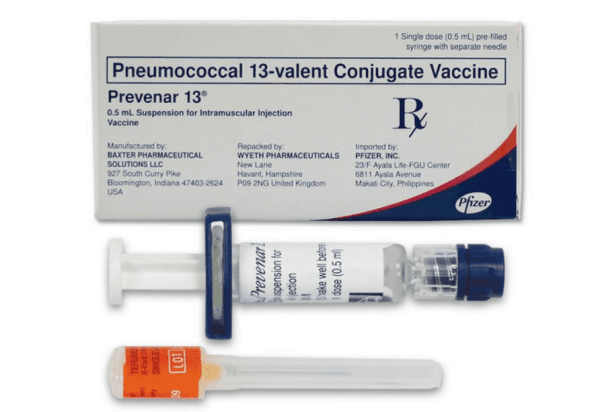
Prevenar 13 is a 13-valent pneumococcal conjugate vaccine used for active immunization against disease caused by vaccine serotypes of Streptococcus pneumoniae. Licensed clinics and healthcare professionals can order Prevenar 13 for professional immunization programs when PCV13 remains aligned with the current label, schedule, and local protocol. Because this is a biologic vaccine, cold-chain control, staff training, batch traceability, and clear administration records are central to safe clinic use.
Prevenar 13 Price, Ordering, and Clinic Readiness
Clinics can buy Prevenar 13 for practice stock and view the current Prevenar 13 price during ordering. Price can vary by presentation, supply channel, account status, and quantity requirements, so procurement teams should match the item shown during checkout to the clinic protocol before adding it to inventory. For professional buyers, the practical decision is not only cost; it is whether the exact PCV13 vaccine presentation fits the age groups, standing orders, and documentation process used by the clinic.
Prevenar 13 is typically evaluated by vaccination clinics, primary care groups, hospital outpatient services, travel health providers, and institutional buyers with established vaccine storage procedures. This supplier serves licensed clinics and healthcare professionals, so order review usually includes facility information, authorized purchaser records, and confirmation that the practice can receive and store refrigerated vaccines appropriately. Clinics planning broader injectable or biologic inventory can also browse the Pharmaceuticals category for related procurement planning.
| Procurement check | Clinic purpose |
|---|---|
| Licensed facility information | Supports professional-use account review and audit records. |
| Authorized purchaser details | Helps align ordering with internal vaccine governance. |
| Cold-chain capacity | Protects vaccine quality from receipt through administration. |
| Protocol fit | Reduces unnecessary stock when pneumococcal schedules change. |
| Batch traceability | Connects receipt, storage, administration, and safety reporting. |
Why it matters: Pneumococcal vaccine selection is often driven by schedule rules as much as by stock availability.
What Prevenar 13 Is Used For
Prevenar 13 is a pneumococcal conjugate vaccine. It is indicated for active immunization against disease caused by the 13 pneumococcal serotypes included in the vaccine. Depending on the local label and age group, approved uses may include prevention of invasive pneumococcal disease, pneumonia, and, in pediatric settings, acute otitis media. Invasive pneumococcal disease refers to serious infection such as bacteremia or meningitis.
The term conjugate vaccine means that bacterial polysaccharides are linked to a carrier protein to strengthen immune response and immune memory. In clinic workflows, that distinction matters because conjugate vaccines and polysaccharide vaccines do not always occupy the same place in a pneumococcal schedule. PCV13 may be used in pediatric routine pathways, catch-up programs, or selected adult groups when current guidance and local protocols still call for it.
Some markets and clinical references use the closely related brand name Prevnar 13. Clinics should match the exact licensed presentation, labeling, language, and schedule used in their own setting. Do not assume that a standing order written for one pneumococcal product automatically applies to another vaccine with different valency or product class.
PCV13 Schedule Fit and Adult Use Context
Prevenar 13 schedule decisions depend on age, prior pneumococcal vaccination history, indication, comorbidity, and current recommendations. For infants and children, PCV13 may remain relevant in certain national or market-specific schedules. For adults, PCV13 use may be more selective than in earlier practice because many current adult protocols emphasize higher-valent conjugate vaccines for broader serotype coverage.
The common question, “Why is Prevnar 13 no longer recommended?” needs a careful answer. PCV13 has not become irrelevant in every setting, but some adult recommendations have shifted toward newer conjugate products such as PCV15 or PCV20. That change reflects schedule policy and serotype coverage, not a simple safety rejection of PCV13. Clinics should separate pediatric, adult, catch-up, and high-risk pathways so staff do not apply one pneumococcal rule across all groups.
For older adults, the number of doses needed is not universal. It depends on previous pneumococcal vaccination, age, immune status, and which product the current schedule recommends. A clinic protocol should specify the vaccine, timing, interval rules, and documentation fields rather than relying on informal recall of past senior vaccination schedules.
- Confirm the patient group covered by the clinic protocol.
- Record previous PCV or PPSV vaccination when known.
- Separate pediatric and adult standing orders.
- Update electronic records when vaccine choices change.
- Train staff on product names with similar pneumococcal branding.
Forms, Presentation, and Administration Workflow
Prevenar 13 is commonly supplied as a ready-to-use suspension for intramuscular injection in a 0.5 mL single-dose prefilled syringe. Presentation details, pack size, carton configuration, and supplied accessories can vary by market and supply channel, so clinics should use the exact item shown during procurement when reconciling ordering records and treatment-room inventory.
Administration is for trained healthcare professionals. The current label should guide inspection, preparation, route, schedule, coadministration decisions, and discard. Standard vaccine workflow includes contraindication screening, review of previous pneumococcal products, informed consent procedures according to local policy, emergency readiness for acute allergic reactions, and observation after vaccination.
Because this is a single-dose vaccine presentation, multistep repackaging is not appropriate. If a unit appears damaged, has been frozen, or shows visible compromise, remove it from routine use pending local procedure review. Clinics that administer multiple vaccines in the same session should keep brand, batch, expiry, route, site, and staff identifier fields easy to capture at the point of care.
- Form: suspension for injection
- Route: intramuscular use
- Typical unit: 0.5 mL single dose
- Presentation: often supplied as a prefilled syringe
- Documentation: brand, lot number, expiry, site, and date
Quick tip: Keep pneumococcal vaccines clearly separated in storage and in electronic order sets.
Storage, Handling, and US Delivery Logistics
Cold-chain integrity is central to vaccine quality. Store Prevenar 13 under the conditions stated in the current manufacturer information, protect it from inappropriate temperature excursions, and do not use units that have been frozen. Clinics should rotate stock by expiry, reconcile fridge logs with receipt records, and maintain a written escalation process for temperature excursions.
Handling should stay close to label instructions from receipt through administration. If stock is moved between clinic rooms, outreach sessions, or satellite sites, documented temperature monitoring and chain-of-custody records reduce waste and protect traceability. Professional-use ordering may involve temperature-controlled handling when required and tracked US delivery.
Inventory planning should also account for session size, expected demand, and product changes within the pneumococcal schedule. Over-ordering PCV13 can create unnecessary expiry risk if a formulary has moved to a higher-valent vaccine for certain adult groups. Under-ordering can disrupt scheduled pediatric or risk-based programs where PCV13 remains the specified product.
- Review refrigerator logs on a defined schedule.
- Use earliest-expiry stock first.
- Document all excursions and quarantine affected units when required.
- Limit movement between sites unless monitored transport is in place.
- Maintain end-to-end batch traceability.
Contraindications, Side Effects, and Monitoring
Prevenar 13 should not be used in anyone with a known severe allergic reaction to any component of the vaccine or to diphtheria toxoid-containing vaccines, as described in the label. Vaccination may need to be deferred in people with moderate or severe acute illness, depending on clinical judgment and local policy. Staff should also consider practical risks such as syncope after injection, administration errors, and the need for immediate response to acute hypersensitivity reactions.
Common adverse reactions can include injection-site pain, redness, swelling, fatigue, mild fever, decreased appetite, headache, muscle pain, or transient malaise. The pattern may differ by age group and by vaccines given at the same visit. Most expected reactions are short-lived, but clinics should provide clear aftercare instructions and define which events require clinician review, incident documentation, or pharmacovigilance reporting.
Additional caution may be appropriate for people with thrombocytopenia, bleeding risk with intramuscular injection, immunocompromising conditions, or immunosuppressive therapy. These factors do not automatically rule out vaccination, but they can affect timing, immune response, administration technique, observation, and documentation. Coadministration with other vaccines should follow the current label and immunization guidance used by the practice.
Prevenar 13 Compared With Pneumococcal Alternatives
Prevenar 13 is one product within a wider pneumococcal vaccine landscape. Compared with PCV15 or PCV20, it covers fewer pneumococcal serotypes, which is one reason some adult schedules have moved toward higher-valent conjugate products. Compared with Pneumovax 23, or PPSV23, it is a conjugate vaccine rather than a polysaccharide-only vaccine, so its role in a schedule may differ even when both target pneumococcal disease.
| Option | General distinction | Clinic note |
|---|---|---|
| PCV13 | 13-serotype conjugate vaccine | May remain part of selected pediatric, catch-up, or legacy protocols. |
| PCV15 or PCV20 | Higher-valent conjugate vaccines | Often considered when broader serotype coverage is recommended. |
| PPSV23 | 23-serotype polysaccharide vaccine | Not a direct like-for-like substitute for a conjugate vaccine. |
The best fit depends on patient mix, age groups served, national recommendations, local formulary policy, and whether the clinic is planning routine pediatric, catch-up, adult, or risk-based vaccination. A temporary supply change does not make another pneumococcal vaccine automatically interchangeable. If a clinic changes products, update standing orders, consent materials, electronic records, fridge labels, and staff training together.
Clinics that maintain a wider immunization inventory may also evaluate adjacent vaccines such as Gardasil 9 for separate program planning. Related vaccines should be assessed under their own labels, schedules, storage instructions, and safety requirements.
Professional Documentation and Inventory Controls
Vaccine administration records should capture the information needed for clinical continuity and safety reporting. Typical fields include patient identifier, product name, dose date, route, anatomical site, lot number, expiry date, staff member, and any immediate reaction or observation note. Clinics should also maintain receipt records that connect delivered stock to refrigerator placement and later administration.
Internal sign-off from pharmacy leadership, nursing management, or the clinician responsible for vaccine governance can help prevent product selection errors. This is especially useful when a clinic carries more than one pneumococcal product or has recently changed adult recommendations. Clear shelf labels and separate electronic order lines reduce mix-ups between PCV13, higher-valent conjugate vaccines, and PPSV23.
For multi-site organizations, standardize storage, transport, and reconciliation procedures across locations. A consistent workflow helps staff identify expired stock, quarantine doses after temperature excursions, and respond quickly to batch-level safety communications. It also supports cleaner reporting if an adverse event or administration error requires escalation.
Authoritative Sources
For current manufacturer prescribing information, see Official Prevenar 13 prescribing information.
For European regulatory context and approved-use information, review the European Medicines Agency Prevenar 13 record.
For clinician schedule and risk-group guidance, review CDC pneumococcal vaccine recommendations.
This content is for informational purposes only and is not a substitute for professional medical advice.
Frequently Asked Questions
What is Prevenar 13 used for in clinics?
Prevenar 13 is a 13-valent pneumococcal conjugate vaccine used for active immunization against disease caused by vaccine serotypes of Streptococcus pneumoniae. Clinic use should follow the current label, age pathway, and local immunization schedule.
Why do some adult schedules no longer use Prevnar 13 routinely?
Some adult recommendations have shifted toward higher-valent conjugate vaccines, such as PCV15 or PCV20, because they cover additional pneumococcal serotypes. PCV13 may still be relevant in selected programs, pediatric pathways, legacy protocols, or market-specific guidance.
How should clinics store Prevenar 13?
Clinics should store Prevenar 13 under the conditions stated in the current manufacturer information, maintain documented refrigerator monitoring, protect stock from temperature excursions, and avoid using any unit that has been frozen or visibly compromised.
Is Prevenar 13 interchangeable with Pneumovax 23?
No. Prevenar 13 is a conjugate vaccine, while Pneumovax 23 is a polysaccharide vaccine. Their schedule roles can differ, so substitution should follow current immunization guidance rather than a one-to-one product swap.
What documentation should be captured after administration?
Clinic records should capture product name, lot number, expiry date, administration date, route, anatomical site, staff member, and any immediate observation or reaction note. These records support traceability and safety reporting.
Specifications
- Main Ingredient:
- Manufacturer: Pfizer
- Drug Class: Biologic
- Generic Name: Pneumococcal polysaccharide conjugate vaccine (13-valent, adsorbed)
- Package Contents: 0.5 mL x 1 intramuscular
- Storage Requirements: Store refrigerated at 2ºC to 8ºC (36ºF to 46ºF)
- Main Usage:
Here to help
Questions about ordering, delivery or products? You can email our team here or call now at 1-800-630-9757 and be connected with your dedicated Account Manager
Related Products
Prolia® (International English)
Prescription Medication
$529.00 - $549.00
You save
You save
Evenity® (English Alternative)
Injectable Medication
$1,229.00 - $1,299.00
You save
You save
Intraline® For Men
Dermal Filler
$59.00 - $79.00
You save
You save
RejuvaNAD+ Pro
Injectable Medication
$237.00 - $249.00
You save
You save
Related Articles
Prednisone in Clinical Care: Uses, Risks, and Monitoring
Prednisone is a prescription systemic corticosteroid used to reduce inflammation or suppress immune activity in…
Lip Fillers Swelling Stages: Timeline, Safety, and Follow-Up
Lip fillers swelling stages usually follow a short inflammatory course: swelling appears soon after injection,…
Hypopigmentation of the Skin: Assessment and Care
Hypopigmentation of the skin means one or more areas look lighter than the surrounding skin.…
Radiesse vs Sculptra: Selection Factors for Clinics
Radiesse vs Sculptra is best understood as a comparison between two collagen-stimulating injectables with different…
Hyaluronic Acid Under-Eye Filler: Safety and Workflow
Hyaluronic acid under-eye filler is an injectable soft-tissue filler used by trained aesthetic clinicians to…
Dermal Filler Types: Materials, Uses, and Clinic Fit
Dermal filler types are usually grouped by their base material, tissue behavior, and expected role…
What Is Dysport? Clinical Uses, Safety, and Workflow
For clinic teams asking what is Dysport, the short answer is simple: Dysport is a…
Biostimulators in Aesthetic Care: Selection and Safety
Biostimulators are injectable aesthetic products used to encourage a controlled tissue response, often involving new…