

- You must be logged in to add items to the cart.
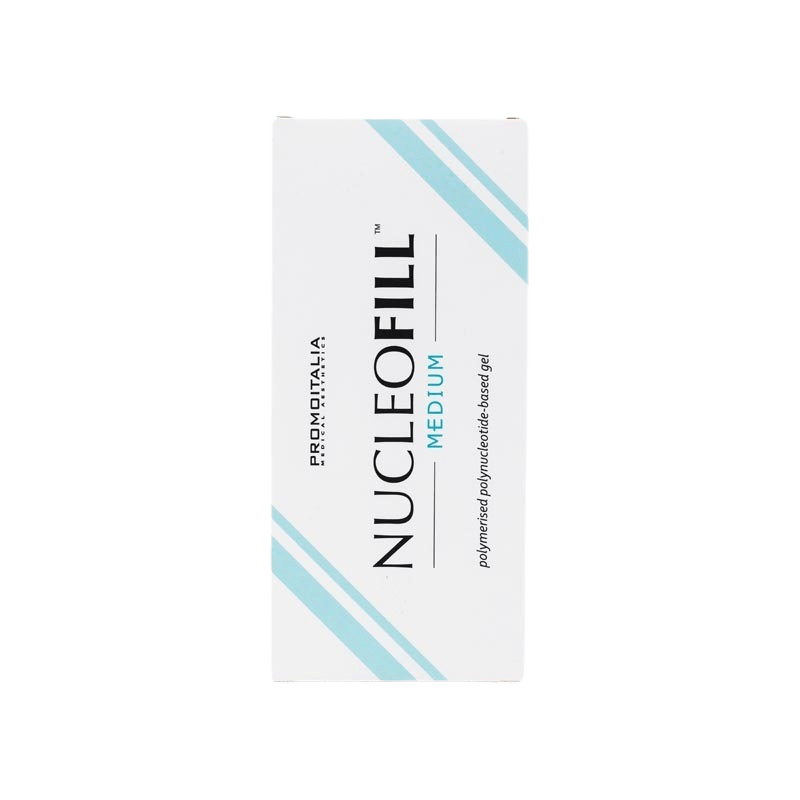
NucleoFill™ Medium
Order NucleoFill™ Medium for Clinics
Hyaluronic Acid-Based Dermal Filler
$129.00
You save (%)
Description
NucleoFill™ Medium is a sterile, pre-filled injectable product for professional aesthetic use in licensed clinics and healthcare settings. Clinics can order NucleoFill™ Medium as part of a structured treatment-room inventory for subtle volume support, contour refinement, and workflow-ready injection sessions. Its sealed presentation supports aseptic handling, receiving checks, and predictable scheduling across aesthetic practices.
Med Wholesale Supplies serves licensed clinics, med spas, and healthcare professionals sourcing authentic brand-name medical products through vetted distributors and verified supply channels. Account access allows authorized buyers to view current NucleoFill Medium price information, manage purchase documentation, and coordinate reliable US logistics for clinic stock planning.
What NucleoFill™ Medium Is Used For
NucleoFill™ Medium is used by trained injectors in aesthetic protocols that address moderate folds, facial contour refinement, and hydration-oriented soft-tissue support. Current product information describes it as a sterile, pre-filled dermal filler containing non-cross-linked hyaluronic acid, a naturally occurring polysaccharide associated with hydration and tissue turgor. It is intended for professional administration, not self-injection or retail home use.
In clinical practice, the product may be selected for areas such as nasolabial folds, marionette lines, perioral shadows, and subtle contour balancing when the injector considers the presentation appropriate for the treatment plan. Final placement, patient selection, injection depth, and technique should follow the product label, institutional protocols, and the treating professional’s training.
Many practices position NucleoFill™ Medium within a wider injectable portfolio rather than as a standalone aesthetic solution. For background on treatment positioning within the line, see the NucleoFill Medium clinical guide. Clinics building a broader category plan can also review the NucleoFill brand range for adjacent presentations.
Clinic Ordering, Price Access, and Account Requirements
NucleoFill™ Medium is available for clinic ordering through a verified professional account. Authorized buyers can sign in to view current pricing, volume terms if applicable, and available purchasing details tied to the facility account. Because pricing can depend on contract structure, order quantity, and account settings, the most accurate cost information is shown during account-based ordering.
Use the ordering workflow to add the product to a requisition, save it to clinic lists, and align replenishment with scheduled injectable appointments. Multi-location practices can manage authorized buyers, delivery addresses, purchase order references, and invoice retrieval through their account tools. This helps purchasing teams keep clinical stock, financial records, and treatment calendars aligned.
Quick tip: Assign one internal buyer to reconcile lot numbers, expiry dates, and purchase orders at receiving.
For adjacent clinic categories, browse skin boosters, mesotherapy products, and dermal fillers. These category views help buyers plan complementary stock without mixing unrelated product classes during a single purchasing review.
Professional Applications and Treatment-Room Fit
Clinics typically use NucleoFill™ Medium within a layered aesthetic menu. It may complement structural volumizers, surface refiners, skin maintenance procedures, and other professional injectable services when planned by qualified staff. The product’s pre-filled presentation supports treatment-room preparation by reducing extra setup steps and helping teams maintain a consistent procedural sequence.
Common workflow considerations include injector training, consultation documentation, consent records, product traceability, and post-procedure observation policies. The single-use format also supports clear waste handling: once used, the syringe and associated sharps should be discarded according to the clinic’s sharps and biohazard procedures. Staff should avoid using compromised packaging or any syringe with questionable integrity.
Some practices also evaluate products described as skin boosters, biostimulatory injectables, or polynucleotide-based treatments as distinct service lines. Those categories should not be treated as interchangeable without reviewing each product’s label, composition, and intended professional use. For broader planning across approaches, the NucleoFill treatment overview can support internal education and product differentiation.
Key Features for Inventory and Administration
- Sterile, pre-filled presentation supports point-of-use preparation in professional settings.
- Non-cross-linked hyaluronic acid base supports hydration-oriented soft-tissue applications described in current product information.
- Sealed blister packaging helps protect product integrity before use.
- Single-use device format supports straightforward sharps disposal procedures.
- Lot and expiry identification typically supports receiving checks and inventory rotation.
- Smooth extrusion and ready presentation can support consistent handling by trained injectors.
- Clinic-oriented packaging fits tray, cart, cabinet, and procedure-room workflows.
These features are operational rather than a substitute for clinical judgment. The injector remains responsible for technique, placement, patient selection, adverse event readiness, and adherence to the manufacturer’s instructions.
Composition, Mechanism, and Product Distinctions
Current product information identifies the active component as non-cross-linked hyaluronic acid. Hyaluronic acid is a naturally occurring polysaccharide that binds water and contributes to tissue hydration. In aesthetic injection, HA-based materials are selected for specific rheology, handling, and placement characteristics, which vary by product and formulation.
Clinics frequently ask how NucleoFill™ Medium differs from stronger or alternate NucleoFill presentations. The practical answer is that each presentation should be selected according to the label, injector preference, treatment area, and intended degree of correction or skin-quality support. Medium is generally positioned for moderate aesthetic needs, while stronger or alternate formulations may be considered when clinic protocols call for a different product profile.
For same-line comparisons, review NucleoFill Strong 1.5 ml, NucleoFill Medium Plus, and NucleoFill Soft Plus. Product names that include similar terms do not guarantee identical composition, concentration, indications, injection technique, or treatment schedule.
Packaging, Receiving, and Storage Handling
NucleoFill™ Medium is supplied as a sterile, pre-filled syringe in sealed packaging for professional use. Receiving staff should inspect the outer carton and blister for visible damage, verify the product name, record the lot number, and note the expiry date before placing the product into clinic inventory. Any package that appears opened, damaged, or inconsistent with expected labeling should be set aside for internal review before clinical use.
Storage should follow the manufacturer’s label and your facility’s standard operating procedures. Keep stock organized by expiry date and avoid storing injectables in unsecured treatment areas. If your clinic uses separate carts for specific service lines, maintain clear product separation to reduce selection errors during busy treatment sessions.
When appropriate for the product and route, orders may be coordinated with temperature-controlled handling when required and tracked US delivery. Receiving teams should document arrival condition promptly so any logistics concerns can be addressed before the product is moved into active treatment inventory.
Safety, Side Effects, and Professional Precautions
Injectable aesthetic products can cause expected local reactions and, rarely, more serious complications. Typical post-injection effects may include redness, swelling, bruising, tenderness, itching, or temporary discomfort at injection sites. Small nodules, hypersensitivity reactions, infection, and vascular compromise are less common but clinically important possibilities that require appropriate training, patient screening, and response protocols.
Before use, the treating professional should review contraindications and precautions in the product labeling. Patient history should include prior filler reactions, allergy history, active skin infection or inflammation near the planned site, tendency toward scarring, relevant medications, recent procedures, and any condition that may affect healing. Clinics should also maintain escalation procedures for urgent adverse events after injectable treatments.
Do not use the product if sterility is uncertain, the packaging is damaged, the syringe has been previously used, or the product is beyond its expiration date. Avoid combining products, devices, or techniques outside trained professional protocols. FDA safety information on dermal fillers emphasizes that these products should be administered by appropriately trained healthcare professionals and that patients should be informed about potential risks before treatment.
Comparable Products and Portfolio Planning
Clinics balancing an injectable portfolio often separate products by purpose: volumizing fillers, hydration-focused products, skin boosters, mesotherapy items, and biostimulatory approaches. NucleoFill™ Medium may fit into protocols requiring moderate refinement and professional injection-room efficiency. It should be compared by composition, label, handling, treatment objective, and injector familiarity rather than name similarity alone.
Within the same brand family, NucleoFill 25 and NucleoFill 20 may be relevant for clinics evaluating different NucleoFill presentations. For broader category alternatives, the skin booster category and dermal filler category support formulary reviews across related aesthetic supplies.
Selection should remain protocol-driven. A product described as stronger, softer, medium, or plus may have different handling, placement, concentration, or use context. Keep product inserts accessible to injectors and train purchasing staff to avoid substitutions without clinical approval.
Documentation and Supply Controls
Good inventory control supports both clinical safety and financial accountability. At receiving, record the product name, lot number, expiry, quantity, supplier invoice, and storage location. At use, link the relevant lot information to the treatment record according to clinic policy. This helps support recall management, adverse event investigation, and internal stock reconciliation.
Authorized buyers should coordinate ordering cadence with projected appointment volume, injector schedules, and expiry rotation. Avoid overstocking beyond realistic use patterns, especially for products with date-sensitive inventory. If a preferred presentation is temporarily constrained, purchasing teams should ask the clinical lead to approve any substitute before ordering.
Why it matters: Lot-level traceability helps clinics respond quickly if a safety notice or recall affects stored inventory.
Authoritative Sources
Ready to add NucleoFill™ Medium to your clinic inventory? Sign in with a verified professional account to view current purchasing details and coordinate supply with your treatment schedule.
This content is for informational purposes only and is not a substitute for professional medical advice.
Frequently Asked Questions
What is NucleoFill™ Medium?
NucleoFill™ Medium is a sterile, pre-filled injectable product for professional aesthetic use. Current product information describes it as containing non-cross-linked hyaluronic acid and being used by trained injectors for moderate fold softening, contour refinement, and hydration-oriented soft-tissue support.
Who can order NucleoFill™ Medium from Med Wholesale Supplies?
Ordering is intended for licensed clinics, med spas, aesthetic practices, and healthcare professionals with a verified account. Authorized buyers can sign in to view current account-based pricing and purchasing details.
How should clinics handle NucleoFill™ Medium on receipt?
Receiving staff should inspect packaging, verify the product name, document lot and expiry information, and store the product according to the manufacturer’s label and clinic SOPs. Do not use damaged, opened, expired, or questionable packaging.
What is the difference between NucleoFill™ Medium and NucleoFill™ Strong?
They are different presentations within the NucleoFill range and should be selected according to product labeling, injector training, treatment area, and clinic protocol. Medium is generally positioned for moderate aesthetic needs, while Strong may be considered when a different product profile is clinically preferred.
Is NucleoFill™ Medium used like a dermal filler?
It is administered by trained professionals in aesthetic injection protocols and is described in current product information as a sterile, pre-filled dermal filler. Injection technique, placement, patient selection, and aftercare should follow the product label and clinic standards.
What side effects should clinics discuss before treatment?
Common local reactions may include redness, swelling, bruising, tenderness, itching, or temporary discomfort at injection sites. Less common risks can include nodules, hypersensitivity, infection, or vascular complications, so clinics should screen patients and maintain appropriate response protocols.
Specifications
- Main Ingredient: Hyaluronic Acid
- Manufacturer: NucleoBiotech Co., Ltd.
- Drug Class: Cosmetic Injectable
- Generic Name: Non-Cross-Linked Hyaluronic Acid
- Package Contents: 1.5 mL x 1 Pre-Filled Syringe
- Storage Requirements: Room Temperature (2℃~25℃)
- Main Usage: Volume Filler
About the Brand
Nucleofill
Regarded as a premier marque in the world of healthcare, Nucleofill is renowned for its superior line of dermal fillers. If you're aiming to advance your aesthetic procedures or offer your clientele the latest wrinkle smoothing and facial amplification therapies, Nucleofill stands out as an exemplary choice. The brand features an ample selection of trustworthy and potent products specifically engineered to create an authentic and natural outcome. Whether you require fillers for profound wrinkles, facial sculpting, or lip augmentation, Nucleofill offers suitable solutions. At medwholesalesupplies.com, we are honoured to provide Nucleofill merchandise for acquisition. We recognize the crucial role of reliable and expedient sourcing for medical practitioners, hence we've made it our goal to supply quality products at pocket-friendly prices. With Nucleofill, rely on a brand that carries with it a reputation fortified by years of exploration and development. Upon securing Nucleofill through medwholesalesupplies.com, rest easy knowing you've procured a risk-free and dependable product delivered straight to your front door. Beyond just offering Nucleofill items, medwholesalesupplies.com is dedicated to phenomenal customer service and assistance. Our commitment is to guarantee you have a smooth transaction from inception to completion. Our team of industry professionals is always on standby to respond to any queries or deal with any issues that may arise. Thanks to our intuitive online platform, you have the ease of browsing and buying Nucleofill products in just a few clicks. Bid goodbye to the stress of having multiple suppliers and welcome the simplicity of securing all your healthcare supplies in one location. With the trusted dependability and efficiency of medwholesalesupplies.com, understand why we are the trusted partner for medical professionals for their Nucleofill requirements.
Browse Nucleofill Products
Here to help
Questions about ordering, delivery or products? You can email our team here or call now at 1-800-630-9757 and be connected with your dedicated Account Manager
Related Products
JALUPRO® PLUS 4ML
Skin Rejuvenation Treatment
$86.00 - $89.00
You save (%)
You save (%)
$339.00
You save (%)
You save (%)
Select options
This product has multiple variants. The options may be chosen on the product page
Juvéderm® SKINVIVE
Dermal Filler
$339.00 - $359.00
You save (%)
You save (%)
$86.00 - $119.00
You save (%)
You save (%)
Related Articles
Hyaluronic Acid Under-Eye Filler: Safety and Workflow
Hyaluronic acid under-eye filler is an injectable soft-tissue filler used by trained aesthetic clinicians to…
Dermal Filler Types: Materials, Uses, and Clinic Fit
Dermal filler types are usually grouped by their base material, tissue behavior, and expected role…
What Is Dysport? Clinical Uses, Safety, and Workflow
For clinic teams asking what is Dysport, the short answer is simple: Dysport is a…
Biostimulators in Aesthetic Care: Selection and Safety
Biostimulators are injectable aesthetic products used to encourage a controlled tissue response, often involving new…
Do You Ovulate on an IUD? Clinic Counseling Points
Clinicians hear the shorthand question do you ovulate on iud, but the practical answer depends…
Vascular Occlusion: Early Signs, Risks, and Clinic Response
A vascular occlusion is a partial or complete blockage of blood flow in a vessel.…
Wrinkles Around the Mouth: Causes and Treatment Options
Wrinkles around the mouth can be softened, not always permanently erased, by matching the line…
Are Knee Gel Injections Painful? Counseling and Safety
Most patients do not describe knee gel injections as severely painful. Clinic teams should set…