

- You must be logged in to add items to the cart.
Description
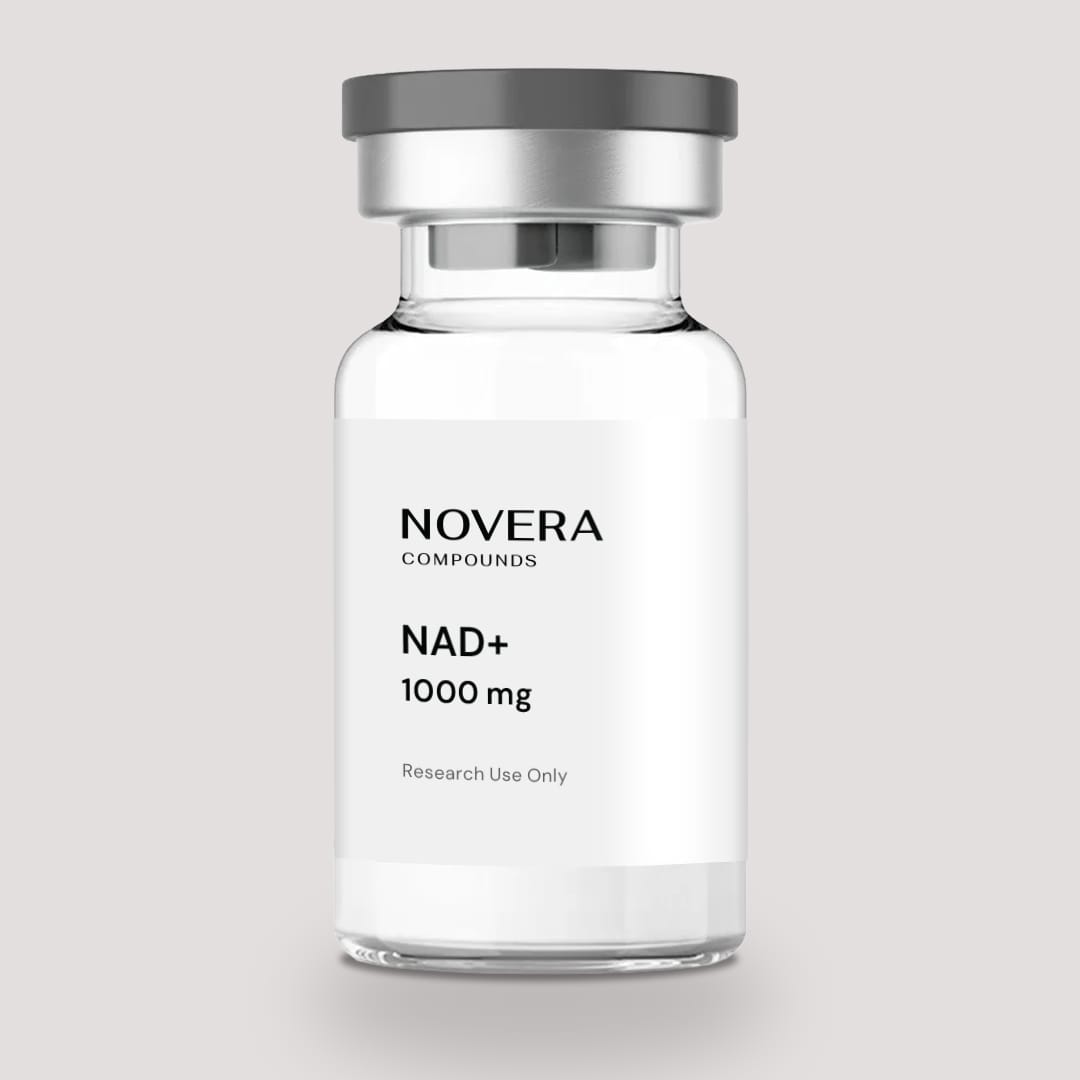
NAD+ is nicotinamide adenine dinucleotide, a coenzyme involved in cellular energy transfer and redox reactions. Licensed clinics and healthcare professionals can order NAD+ for professional inventory when the active ingredient, route, handling needs, and accompanying documents match the intended clinic workflow.
For clinical purchasing, the practical priority is identity control. Products marketed around NAD+ may include the direct molecule, nicotinamide riboside (NR), nicotinamide mononucleotide (NMN), resveratrol combinations, coenzyme blends, or wellness-style supplements, so the exact ingredient profile should guide procurement, storage, staff training, and patient screening.
NAD+ Price, Formulation, and Ordering for Clinics
Clinics can order NAD+ through a professional purchasing process that prioritizes licensed practice records, source traceability, and product-specific documentation. Current NAD+ price depends on the sourced manufacturer, dosage form, concentration or unit amount, pack configuration, and any handling requirements attached to the inventory line.
Choose the strength, form, and quantity shown during ordering, then match those attributes to your internal protocol and supplier documents. Do not substitute a similarly named cell regenerator, NAD+ NR, or NAD+ with resveratrol item unless the active ingredient identity, route, concentration, storage, and screening requirements are appropriate for the same clinical use.
- Confirm the purchasing account belongs to a licensed clinic or healthcare practice.
- Match the active ingredient to the intended professional-use protocol.
- Check whether the item is a single-ingredient NAD+ product or a combination formula.
- Keep manufacturer sheets, lot records, and receipt documents with inventory files.
- Hold any item with unclear labeling, damaged seals, or mismatched documentation.
Quick tip: Record route, strength or concentration, lot number, and expiry in the same inventory entry.
What NAD+ Is and How It Differs From NR, NMN, and Resveratrol Blends
NAD+ is the oxidized form of nicotinamide adenine dinucleotide. It participates in electron-transfer reactions that help cells convert nutrients into usable energy and supports broader cellular processes tied to metabolism and repair pathways. This biochemical role does not make every NAD-related commercial item interchangeable.
NAD+ is not a GLP-1 receptor agonist such as semaglutide or tirzepatide, and it should not be positioned as an Ozempic-like medication. It is also not simply vitamin B3, although the body can synthesize NAD+ from vitamin B3 precursors. For procurement, that distinction matters because NR and NMN are precursor ingredients, while resveratrol and CoQ10 blends add separate screening and documentation considerations.
| Category seen in purchasing searches | Clinic procurement implication |
|---|---|
| Direct NAD+ products | Closest ingredient match, but route, concentration, storage, and supervision still need confirmation. |
| NAD+ NR or NR NAD+ products | Precursor-based items should not be treated as identical to direct NAD+. |
| NAD+ with resveratrol | Added ingredients may change tolerability, interaction review, and patient screening. |
| Cell regenerator formulas | Marketing names may describe multi-ingredient products rather than a single active ingredient. |
| Consumer supplement listings | Often lack the professional documentation expected for clinic inventory review. |
Why it matters: Similar names can create look-alike ordering errors when staff rely on marketing language instead of ingredient records.
Professional-Use Fit and Clinic Documentation
NAD+ purchasing should be tied to a defined clinic workflow. Before adding stock, confirm who may receive the item, where it will be stored, how it will be logged, and which staff members are trained to handle the route and documentation required for the sourced product.
Professional documentation should include the manufacturer record, label, lot information, expiration date, storage instructions, and any handling notes. If the clinic is assessing adjacent wellness or recovery inventory, RejuvaNAD may be reviewed as a separate product rather than as an automatic substitute. Ingredient identity and route should remain the deciding factors.
- Keep purchasing authority limited to approved clinic personnel.
- Separate direct NAD+ inventory from precursor or combination products.
- Use clear shelf labels to prevent name-based substitution.
- Document receipt conditions before releasing stock for clinical use.
- Retain lot records for audit readiness and adverse-event follow-up.
Administration, Protocol Fit, and Treatment-Room Workflow
Administration should follow the instructions provided with the exact NAD+ product received. Clinics should not import routines from consumer supplements, infusion menus, or unrelated compounded protocols unless the product documents and internal clinical approval support that use setting.
For clinic-administered items, the workflow should cover patient intake, medication and supplement reconciliation, hypersensitivity history, observation expectations, and escalation steps for intolerance. Staff should also document product name, route, amount used according to the approved protocol, lot number, and any immediate response.
Combination formulas need additional review because added resveratrol, vitamins, cofactors, or antioxidant ingredients may change the screening process. Clinics evaluating antioxidant support products may also review L-Glutathione as a distinct inventory item with its own route, storage, and monitoring requirements.
Storage, Handling, and US Logistics
Storage requirements should come from the label and manufacturer documentation for the specific NAD+ item received. Confirm temperature range, light protection, container integrity, expiry rotation, and separation from look-alike products before moving the item into active inventory.
Receiving checks are important for products that may have route-sensitive packaging or temperature expectations. If external packaging, seals, or labels are incomplete, quarantine the item for internal review rather than placing it into treatment-room stock. Orders may include temperature-controlled handling when required and tracked US delivery.
Inventory systems should make the practical clinical details visible. A name-only entry increases the chance that an NAD+ item, NAD+ 300 mg supplement, NR product, or NAD+ resveratrol blend will be selected incorrectly during a busy clinic day.
Safety, Side Effects, Interactions, and Monitoring
Safety considerations vary by formulation, route, concentration, and added ingredients. Reported intolerance across NAD-related product categories may include gastrointestinal discomfort, nausea, headache, flushing, dizziness, fatigue, or local administration-site discomfort when applicable. The expected profile should be taken from the exact label and professional materials.
Serious symptoms need immediate clinical assessment under the practice’s safety protocol. Escalation may be appropriate for breathing difficulty, severe rash, chest symptoms, marked neurologic changes, persistent vomiting, syncope, or any reaction that appears progressive. Staff notes should distinguish expected short-term intolerance from symptoms requiring discontinuation, emergency care, or supplier follow-up.
Interaction screening is especially important for combination products. Resveratrol-containing formulas may raise additional questions for patients using anticoagulants or antiplatelet agents, while niacin-related, stimulant-containing, or multi-cofactor blends may affect tolerability or duplicate a supplement already documented in the chart. A structured medication and supplement review helps prevent those errors.
Contraindications and cautions should be based on the active and inactive ingredient list, route, patient history, and clinic setting. If a patient has a prior hypersensitivity reaction to any component, the item should not be used unless the supervising clinician determines an appropriate pathway and documents the rationale.
What Clinics Should Tell Patients About NAD+
Patients may ask what NAD+ does in the body. A practical answer is that NAD+ is a natural coenzyme involved in energy metabolism and cellular redox reactions. That does not mean a specific clinic product is suitable for every patient, or that benefits claimed for one supplement, precursor, or combination formula apply to another.
Patients may also ask whether NAD+ is a hormone, a weight-loss drug, or vitamin B3. It is not a hormone and it is not a GLP-1 medication. It is related to vitamin B3 metabolism because the body can use vitamin B3 precursors to make NAD+, but a direct NAD+ product, an NR supplement, and a resveratrol combination can differ in intended use and safety screening.
Clinics should keep counseling balanced. Avoid promising anti-aging, weight-loss, detoxification, or disease-treatment outcomes unless those claims are supported by the specific product documentation and the clinician’s professional assessment. Document patient questions, concurrent supplements, and any adverse symptoms after use.
Availability, Substitutions, and Related Inventory Decisions
Availability for clinic accounts depends on the sourced manufacturer, professional documentation, pack configuration, and handling requirements. If the preferred NAD+ item cannot be matched to the clinic’s protocol, a substitution should be evaluated by active ingredient identity, route, concentration, excipients, storage, and staff workflow rather than by name similarity.
NAD+ with resveratrol, NAD+ cell regenerator formulas, life extension NAD+ style products, and NR products may appear side by side in purchasing research. Treat each as a separate inventory decision. Added ingredients can alter counseling points, contraindication screening, and the clinic’s adverse-event documentation plan.
When building a broader professional inventory, clinics may compare NAD+ with adjacent products only after confirming each item’s label, handling, and intended use. The goal is not to create one wellness category with interchangeable names, but to keep each product traceable, clinically appropriate, and easy for trained staff to distinguish.
Authoritative Sources
- For a concise medical explanation of nicotinamide adenine dinucleotide, see the Cleveland Clinic NAD overview.
- For peer-reviewed background on NAD+ metabolism and cellular processes, see this NIH archived review article.
This content is for informational purposes only and is not a substitute for professional medical advice.
Frequently Asked Questions
Can clinics order NAD+ for professional use?
Yes. NAD+ can be ordered for licensed clinics and healthcare professionals through a professional purchasing workflow. The clinic should confirm the active ingredient, route, handling requirements, and documentation before adding it to inventory.
Is NAD+ the same as NR, NMN, or vitamin B3?
No. NAD+ is nicotinamide adenine dinucleotide. NR and NMN are precursor ingredients, and vitamin B3 is involved in NAD+ synthesis. They may appear in related products, but they are not automatically interchangeable for clinic procurement.
Is NAD+ like Ozempic?
No. NAD+ is not a GLP-1 receptor agonist and should not be treated as an Ozempic-like medication. Its role is tied to cellular energy and redox biology, while GLP-1 medicines act through incretin pathways.
What documentation should a clinic keep with NAD+ inventory?
Clinics should retain the manufacturer record, label, lot number, expiration date, storage instructions, receipt details, and any handling notes. These records support traceability, staff workflow, and safety follow-up.
Can NAD+ with resveratrol replace a single-ingredient NAD+ product?
Not automatically. Resveratrol combinations add separate screening and interaction considerations. A substitution should be accepted only when ingredient identity, route, concentration, storage, and protocol fit are appropriate.
What side effects should clinics monitor with NAD-related products?
Monitoring depends on formulation and route. Clinics may watch for nausea, gastrointestinal discomfort, headache, flushing, dizziness, fatigue, local administration-site discomfort, or any serious allergic or systemic symptoms requiring escalation.
Specifications
- Main Ingredient:
- Manufacturer:
- Drug Class:
- Generic Name:
- Package Contents:
- Storage Requirements:
- Main Usage:
Here to help
Questions about ordering, delivery or products? You can email our team here or call now at 1-800-630-9757 and be connected with your dedicated Account Manager
Related Products
JALUPRO® PLUS 4ML
Skin Rejuvenation Treatment
$86.00 - $89.00
You save (%)
You save (%)
$339.00
You save (%)
You save (%)
Select options
This product has multiple variants. The options may be chosen on the product page
Juvéderm® SKINVIVE
Dermal Filler
$339.00 - $359.00
You save (%)
You save (%)
$86.00 - $119.00
You save (%)
You save (%)
Related Articles
Lip Fillers Swelling Stages: Timeline, Safety, and Follow-Up
Lip fillers swelling stages usually follow a short inflammatory course: swelling appears soon after injection,…
Hypopigmentation of the Skin: Assessment and Care
Hypopigmentation of the skin means one or more areas look lighter than the surrounding skin.…
Radiesse vs Sculptra: Selection Factors for Clinics
Radiesse vs Sculptra is best understood as a comparison between two collagen-stimulating injectables with different…
Hyaluronic Acid Under-Eye Filler: Safety and Workflow
Hyaluronic acid under-eye filler is an injectable soft-tissue filler used by trained aesthetic clinicians to…
Dermal Filler Types: Materials, Uses, and Clinic Fit
Dermal filler types are usually grouped by their base material, tissue behavior, and expected role…
What Is Dysport? Clinical Uses, Safety, and Workflow
For clinic teams asking what is Dysport, the short answer is simple: Dysport is a…
Biostimulators in Aesthetic Care: Selection and Safety
Biostimulators are injectable aesthetic products used to encourage a controlled tissue response, often involving new…
Do You Ovulate on an IUD? Clinic Counseling Points
Clinicians hear the shorthand question do you ovulate on iud, but the practical answer depends…