Wegovy Alternative Options for Obesity Care Workflows
A wegovy alternative is not one single substitute. It may be another prescription anti-obesity medication, a different incretin-based option, an oral non-incretin…

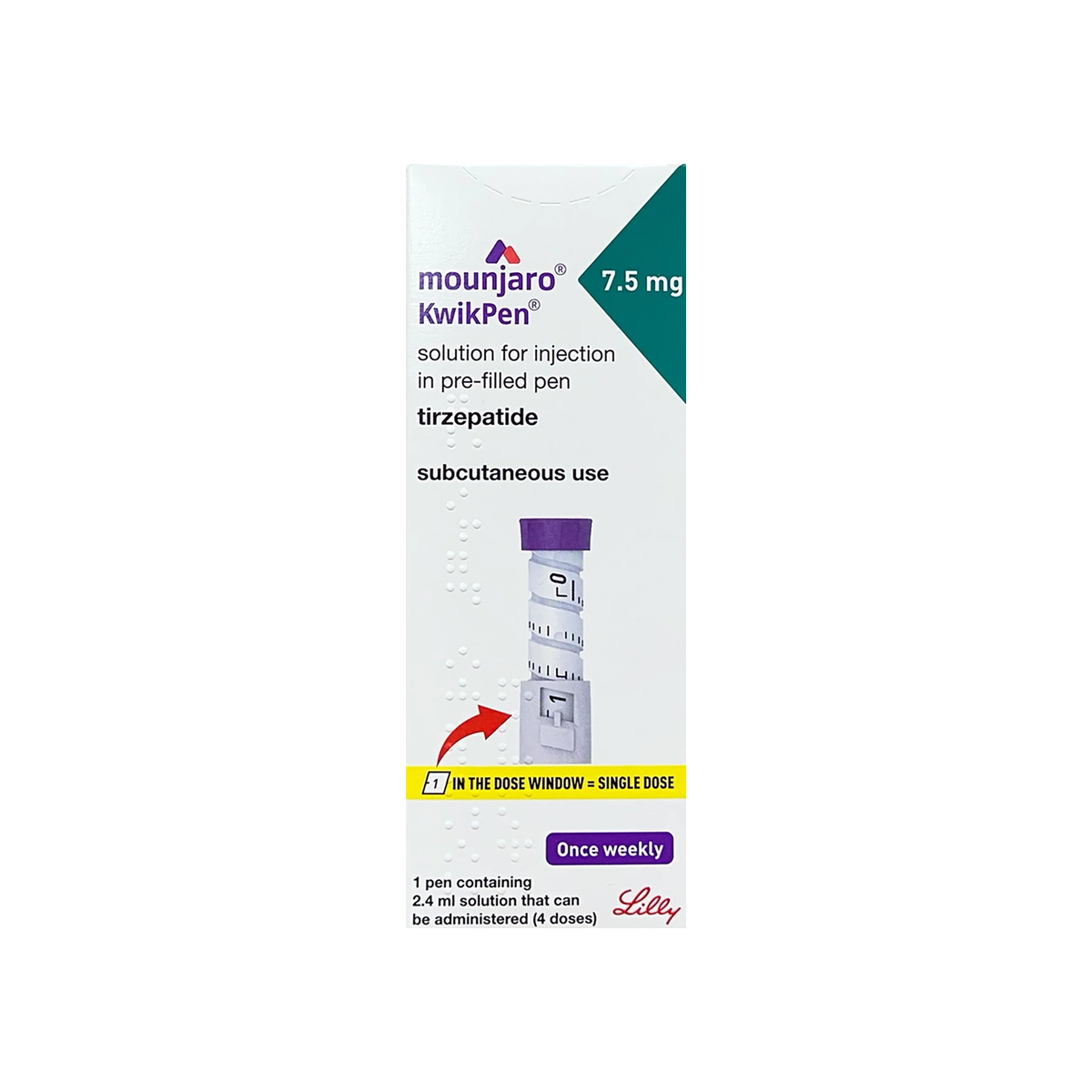
Eli Lilly and Company
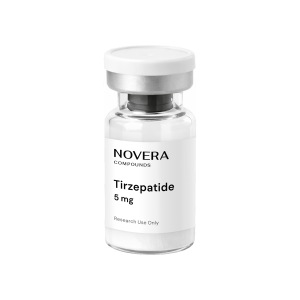
Tirzepatide
Free shipping on orders over $800
5% off your first order, applied at checkout
Order as a guest or log in. Your medical licence details are collected at checkout and checked against the state board and the NPI registry.
Enter your own figures: the pens you use per treatment and what you charge per treatment. The table shows your product cost and margin per treatment at each quantity price. It does not suggest doses, prices or treatments.
| Quantity | Price per pack | Cost per unit | Cost per treatment | Margin per treatment |
|---|
Uses today's prices for the selected option before shipping and any other costs. Your figures stay in your browser.
Cold chain
Refrigerated between 2°C – 8°C
Ships in thermo-packaging with ice packs. Refrigerate on arrival.
Ships within 24–48 hours
Delivery typically 48–72 hours after shipping, up to 5–7 business days depending on origin and customs. Tracking is emailed when your order ships.
Warm or damaged on arrival?
Send us photos or a video. We investigate and arrange a replacement where needed.
Licence checks
Licences are checked against the state board and the NPI registry.
100% genuine products
In original manufacturer packaging, with lot numbers for full traceability. Lot numbers are shown on your packing slip and invoice.
250 active clinics · Supplying clinics since 2013
“Everything has been easy from ordering to delivery. The prices are good, orders arrive quickly, and the customer service has been great. I would definitely order from MWS again.”
Mounjaro® KwikPen is a prefilled subcutaneous injection pen containing tirzepatide for metabolic care programs in clinical practice. Licensed clinics and healthcare professionals can order Mounjaro KwikPen for structured type 2 diabetes management and related clinic-directed protocols. The pen format supports consistent weekly administration workflows, staff training, product documentation, and inventory planning.
Med Wholesale Supplies serves B2B healthcare facilities that need authentic, brand-name medical products through verified supply channels. Use the strength shown during ordering to match facility protocol and clinician-directed instructions, and maintain product records by lot, expiry, quantity received, and storage location.
The current Mounjaro KwikPen price is shown after your professional account is active. Clinics can choose the available strength needed for their protocol, add internal purchase references, and align order quantities with scheduled visits. Pricing may vary by strength, allocation, and account terms, so facilities should base procurement on the exact presentation selected during checkout.
Mounjaro KwikPen is commonly discussed in strengths such as 2.5 mg, 5 mg, 7.5 mg, 10 mg, 12.5 mg, and 15 mg; choose only the strength displayed for the product and matched to clinic documentation. The device is intended for subcutaneous use, and the multi-dose pen format can reduce preparation steps compared with vial-based workflows. For broader formulary planning, browse our Pharmaceuticals category.
Quick tip: Record the ordered strength, quantity, lot number, expiry date, and receiving temperature notes in the same inventory system used for other injectable medications.
Mounjaro KwikPen contains tirzepatide, a glucose-dependent insulinotropic polypeptide and glucagon-like peptide-1 receptor agonist. In plain terms, it is an incretin-based medicine that acts on pathways involved in blood sugar regulation, appetite signaling, gastric emptying, and insulin response. In clinical practice, it is used with diet and exercise to improve glycemic control in patients with type 2 diabetes when appropriate under professional supervision.
Clinic teams may also encounter tirzepatide in weight-focused metabolic programs, because incretin-based therapies are frequently considered within structured obesity care. That does not replace individualized assessment, monitoring, lifestyle counseling, or product-specific labeling. For related program education, see Mounjaro weight-loss insights and our weight-loss education articles.
Mounjaro is not used for type 1 diabetes or diabetic ketoacidosis. Facilities should maintain clear intake, medication history, and monitoring procedures for patients receiving incretin-based therapies, especially when multiple glucose-lowering agents are part of the care plan.
The KwikPen name refers to the pen delivery system. Mounjaro is the medication brand, while Mounjaro KwikPen identifies a prefilled pen presentation of tirzepatide. The pen format supports a repeatable workflow: product verification, patient identification, strength confirmation, injection-site selection, documentation, and post-use disposal according to local sharps policy.
Each package contains a manufacturer-labeled prefilled disposable KwikPen. Current product copy describes it as a multi-dose device suitable for subcutaneous administration. Clinics should follow the manufacturer instructions for use supplied with the carton and avoid relying on staff memory when training new personnel or cross-covering treatment rooms.
For clinics comparing injectable metabolic care choices, our Weight Loss category groups adjacent products and program supplies for professional review.
Mounjaro KwikPen can fit clinics that prioritize predictable room flow and standardized staff training. Prefilled pen administration may reduce handling variation compared with drawing medication from a vial, though aseptic technique, device-specific instructions, and sharps procedures still matter. The weekly cadence also makes it easier to coordinate follow-up reminders, education touchpoints, and laboratory monitoring schedules.
Because the pen is a branded tirzepatide presentation, procurement staff can coordinate inventory around expected appointment volume. Clinical teams should separate unopened product storage, active-use handling, and disposal processes in written procedure notes. A simple checklist can help prevent avoidable errors such as wrong-strength selection, incomplete lot documentation, or missed storage review.
| Clinic decision point | Practical use |
|---|---|
| Strength selection | Match the ordered strength to the documented treatment plan and product carton. |
| Inventory control | Track lot, expiry, quantity, receiving date, and storage location. |
| Staff training | Use manufacturer instructions and facility policy for device handling. |
| Follow-up planning | Coordinate weekly administration timing with monitoring and counseling visits. |
| Related supplies | Maintain appropriate sharps containers and injection-room documentation tools. |
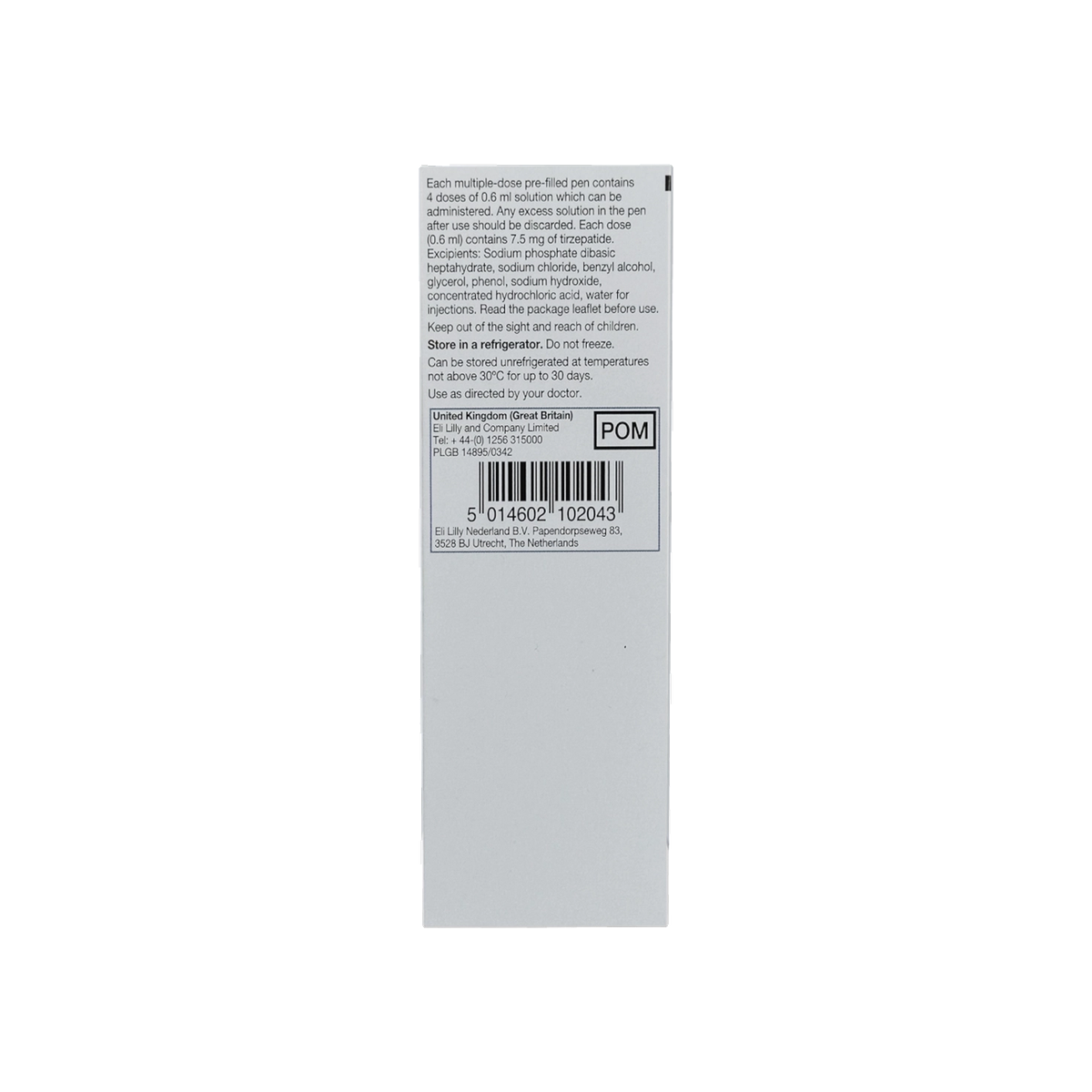
Follow the storage instructions on the product carton and manufacturer labeling. Injectable biologic-style products and peptide medicines often require careful temperature management, so receiving staff should inspect packaging, document arrival conditions, and transfer product to the approved storage area without delay. Do not use a pen if the solution, carton, or device condition conflicts with the manufacturer instructions.
Orders use temperature-controlled handling when required and tracked US delivery. Your facility can assign a receiving contact, specify internal purchase references, and plan deliveries around staffed hours. Receiving logs should include product name, strength, quantity, lot, expiry, arrival date, and any temperature indicators supplied with the shipment.
Why it matters: Consistent receiving and storage records help clinics maintain product integrity and support internal audits.
Tirzepatide can cause gastrointestinal side effects, including nausea, vomiting, diarrhea, decreased appetite, constipation, indigestion, and abdominal discomfort. These effects are often clinically relevant during initiation or dose changes. Treatment teams should counsel patients on hydration, dietary tolerance, and when symptoms require prompt evaluation.
Serious safety considerations include pancreatitis, gallbladder disease, hypoglycemia when used with insulin or insulin secretagogues, acute kidney injury related to severe gastrointestinal fluid loss, hypersensitivity reactions, and diabetic retinopathy complications in patients with a history of retinopathy. Labeling for tirzepatide products also includes a boxed warning about thyroid C-cell tumors observed in rodents, and it is contraindicated in patients with a personal or family history of medullary thyroid carcinoma or in patients with Multiple Endocrine Neoplasia syndrome type 2.
Because tirzepatide delays gastric emptying, it may affect absorption of some oral medicines. Clinics should review medication histories, glucose-lowering regimens, renal risk factors, gastrointestinal disease history, pregnancy status when relevant, and prior hypersensitivity reactions. Monitoring may include glucose trends, A1C, weight, renal function when clinically indicated, gastrointestinal tolerability, and signs of pancreatitis or gallbladder disease.
Patients should be instructed to report severe abdominal pain, persistent vomiting, symptoms of dehydration, allergic reactions, vision changes, or symptoms of low blood sugar. Facilities should maintain escalation pathways for urgent symptoms and document adverse events according to local policy.
The active ingredient in Mounjaro KwikPen is tirzepatide. Inactive ingredients are manufacturer-selected excipients and sterile aqueous components that support solution stability and product performance. Refer to the carton and official labeling for the exact inactive ingredient list associated with the presentation supplied to your facility.
Strength varies by presentation. Clinic purchasers should use the strength displayed during ordering and confirm it against the medication record before administration. Do not substitute between strengths without appropriate clinical authorization and documentation.
Clinics commonly evaluate Mounjaro KwikPen alongside other incretin-based or metabolic-care products. Selection depends on the active ingredient, device format, labeled use, tolerability history, care pathway, storage needs, and staff familiarity. When a tirzepatide option is desired in another presentation, facilities may review tirzepatide within the professional catalog.
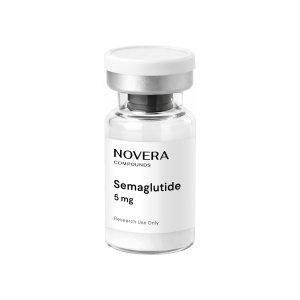
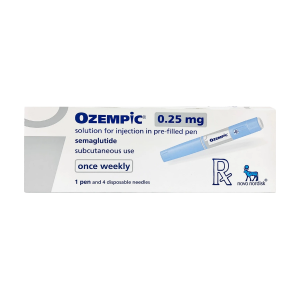
Related GLP-1 products may also be relevant for formulary planning. Ozempic is a semaglutide pen used in diabetes care, while Wegovy FlexTouch is a semaglutide product associated with chronic weight management protocols. Clinics evaluating semaglutide-based options can also review semaglutide for adjacent product planning.
For staff education around injectable weight-management protocols, our article on weight-loss injections explains practical considerations for clinic programs. Use internal education materials to support workflow planning, not as a substitute for manufacturer labeling or professional judgment.
Use official labeling and manufacturer materials for device instructions, indications, contraindications, warnings, adverse reactions, and storage requirements. Helpful references include DailyMed prescribing information for Mounjaro, manufacturer HCP information, and NIH MedlinePlus information on tirzepatide.
This content is for informational purposes only and is not a substitute for professional medical advice.
Mounjaro is the tirzepatide brand name. Mounjaro KwikPen refers to a prefilled pen presentation used for subcutaneous administration. Clinics should follow the instructions and labeling supplied with the specific pen strength received.
Current manufacturer information for the KwikPen format describes a multi-dose pen. Follow the carton, pen label, and instructions for use supplied with the product your facility receives, and document each administration according to clinic policy.
Mounjaro KwikPen contains tirzepatide and is used in structured type 2 diabetes management with diet and exercise when clinically appropriate. Clinics may also consider tirzepatide within broader metabolic care pathways under professional oversight.
Select the available strength that matches the documented treatment plan and the product label. Commonly discussed strengths include 2.5 mg through 15 mg presentations, but clinic staff should rely on the exact strength displayed during ordering and received in the carton.
Follow the manufacturer storage instructions on the carton and labeling. Receiving staff should document quantity, strength, lot number, expiry date, arrival date, storage location, and any temperature-control information included with the shipment.
Teams should monitor gastrointestinal tolerability, symptoms of pancreatitis or gallbladder disease, dehydration risk, renal concerns when relevant, hypoglycemia risk with insulin or insulin secretagogues, hypersensitivity reactions, and contraindications noted in official labeling.

MWS Customer Service Team
Our customer service team helps you choose the right pack, label option and quantity for your clinic, and sets up your first order.
Monday to Friday, 9am to 6pm ET
Why clinics order from MWS
Built for licensed clinics
Licences are checked against the state board and the NPI registry.
Every pack option named
Each option names its dosage and pack size, so you know which pack you are ordering.
Volume pricing up front
Quantity tiers are shown on the product, before you order.
Cold-chain packing
Refrigerated lines ship in thermo-packaging with enough ice packs to hold temperature for up to 10 days.
“The customer care team was very efficient in offering hand-held guidance to choose the most cost-effective options.”

A wegovy alternative is not one single substitute. It may be another prescription anti-obesity medication, a different incretin-based option, an oral non-incretin…

The main causes double chin presentations reflect are usually submental fat, inherited facial anatomy, chin or jaw projection, skin laxity, and age-related…

A wegovy pen malfunction means the injection device does not work as intended, such as failing to activate, leaking medication, or stopping…