
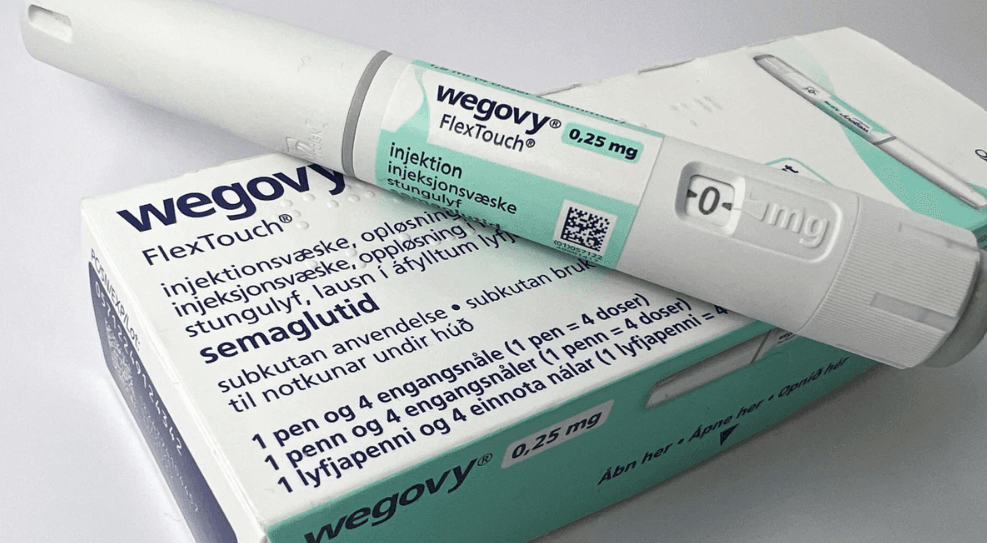
Wegovy Flextouch
Order Wegovy Flextouch for Clinics
Prescription Medication
Price range: $559.00 through $899.00
You save
Description
Wegovy Flextouch is a semaglutide preparation supplied in a prefilled injection pen for subcutaneous administration. Licensed clinics, med spas with medical oversight, and healthcare professionals can order Wegovy pens for structured weight-management protocols. The pen format supports consistent appointment workflows, professional documentation, and planned replenishment across supervised programs.
Semaglutide Wegovy injection belongs to the GLP-1 receptor agonist class, an incretin-based medicine group used in metabolic care. Clinics typically incorporate it alongside nutrition counseling, behavior support, activity planning, and scheduled monitoring. Med Wholesale Supplies supports professional purchasing with brand-name medical products sourced through vetted distributors and verified supply channels for licensed clinics.
Wegovy Price, Strength Selection, and Ordering Context
Clinics can view the current Wegovy price after account sign-in and choose the strength available for the product that matches the clinic protocol. Price may vary by strength, purchasing volume, and account terms. Because weight-management programs often use planned escalation and maintenance steps, inventory teams should align product selection with the prescriber-directed schedule used by the practice.
Common commercial interest includes Wegovy 0.25 mg pen, Wegovy 0.5 mg pen, Wegovy 1 mg pen, Wegovy 1.7 mg pen, and Wegovy 2.4 mg pen searches. Use only the strength shown during ordering and match it to the treatment plan documented by the responsible clinician. If your protocol specifies the Wegovy 1 mg pen, confirm the active strength before staff schedule administration or release the pen under clinic oversight.
For broader protocol planning, the Weight Loss category can help purchasing teams group GLP-1 products and adjacent metabolic-care supplies. Practices that manage medication lines across service types may also review the Pharmaceuticals category for related professional-use products.
How Clinics Use the Prefilled Pen in Weight-Management Programs
Wegovy is used within chronic weight-management care for appropriate patients under licensed clinical supervision. In professional settings, teams often build a program around baseline assessment, contraindication review, patient education, lifestyle counseling, and scheduled follow-up. The prefilled pen format reduces product preparation steps compared with vial-based workflows and helps standardize staff training.
The device is intended for subcutaneous administration. Clinic teams should follow the current manufacturer instructions for pen preparation, site selection, needle attachment if applicable, administration steps, and disposal. Staff should not transfer contents into another container or mix the medicine with other products. Documentation should include strength, lot, expiration, administration or release date, and the clinician responsible for the protocol.
Many practices coordinate touchpoints weekly or monthly, depending on the clinical pathway. Appointment-based use allows staff to track weight, waist measurements, vital signs, adverse effects, nutrition adherence, and medication tolerance. For operational ideas across injectable services, see weight-loss injection program planning.
What Wegovy Flextouch Is and How It Works
Wegovy contains semaglutide, a GLP-1 receptor agonist. GLP-1 medicines mimic incretin activity involved in appetite signaling, gastric emptying, and glucose-related metabolic pathways. In weight-management protocols, this mechanism can support reduced caloric intake when paired with diet, physical activity, and behavior-change counseling.
The Flextouch presentation is a ready-to-use pen designed to simplify dosing steps for professional administration or carefully managed take-home models. The pen should remain a single-patient device. That distinction matters for clinics because it supports infection-control procedures, prevents cross-use, and keeps lot-level documentation connected to the intended individual.
Wegovy is not a simple cosmetic add-on. It belongs in a clinical program with screening, monitoring, and escalation decisions made by licensed professionals. Clinics should train staff on device handling, patient education scripts, adverse-event escalation, and documentation requirements before adding the product to a service line. For GLP-1 background, review our article on Wegovy and GLP-1 therapy.
Pen Features That Matter for Clinic Workflow
The Wegovy prefilled pen can help teams run a consistent injectable-medication workflow. The most useful features are operational: clear product identification, compact storage, defined lot and expiry information, and a device format that limits extra preparation. These points support repeatable staff training across multiple locations or treatment rooms.
- Prefilled format: reduces reconstitution and vial-transfer steps.
- Subcutaneous use: fits supervised injection protocols.
- Single-patient device: supports infection-control practices.
- Clear labeling: helps staff document lot and expiration.
- GLP-1 class: aligns with current metabolic-care pathways.
- Compact unit: supports organized storage and rotation.
- Protocol fit: works with appointment-based counseling and monitoring.
Quick tip: Keep a strength-specific checklist in the medication area so staff verify product, lot, expiration, and documented plan before use.
Storage, Handling, and US Logistics
Follow the current package insert and carton labeling for storage requirements, in-use handling, temperature limits, and disposal. Clinics should maintain procedures for receiving, inspecting, storing, and documenting temperature-sensitive products. Do not use a pen if the solution appearance, packaging integrity, or expiration status conflicts with manufacturer instructions.
Inventory managers should rotate stock by expiration date and reconcile usage against scheduled visits. A simple log can reduce waste by connecting projected starts, titration visits, maintenance visits, and reorder timing. Larger organizations may assign one protocol lead per site to manage training updates and purchasing coordination.
We support US distribution with temperature-controlled handling when required and tracked US delivery. Receiving teams should designate business hours, authorized contacts, and secure storage locations in the account profile. This helps align replenishment with clinic demand and keeps administrative records consistent across purchasing, receiving, and treatment-room teams.
For a deeper operational discussion of semaglutide handling, see semaglutide refrigeration considerations for clinics. Device issue planning is also important; clinics can review Wegovy pen malfunction workflow and reporting when building internal procedures.
Safety, Warnings, and Monitoring
Wegovy can cause gastrointestinal adverse effects, including nausea, vomiting, diarrhea, constipation, and abdominal pain. These effects can affect adherence, hydration, and nutrition planning. Clinics should counsel individuals to report severe or persistent symptoms and should route concerns to the responsible clinician for assessment.
Serious risks in labeling include pancreatitis, gallbladder disease, acute kidney injury related to dehydration, increased heart rate, hypersensitivity reactions, and possible risk of thyroid C-cell tumors based on animal data. Wegovy is contraindicated in people with a personal or family history of medullary thyroid carcinoma or in those with Multiple Endocrine Neoplasia syndrome type 2. Do not use semaglutide in anyone with a known serious hypersensitivity to semaglutide or product components.
People with diabetes may require closer monitoring for glucose changes when therapies are adjusted. Those using insulin or insulin secretagogues may have increased hypoglycemia risk when GLP-1 therapy is combined with those agents. Diabetic retinopathy complications have been reported with semaglutide, so visual changes should prompt clinical evaluation. Teams should also consider pregnancy status, breastfeeding considerations, planned procedures, gastrointestinal disease history, and concomitant medicines that may be affected by delayed gastric emptying.
Staff education should cover symptom triage, escalation pathways, and when to pause administration pending clinician input. This section does not replace the prescribing information; clinic protocols should be based on the official label and professional judgment. Authoritative sources are provided below for detailed contraindications, warnings, and administration requirements.
Program Planning and Patient Expectations
Patients often ask how much weight they may lose in the first month. Clinics should avoid promising a specific result. Early response varies with starting dose, tolerance, nutrition adherence, activity changes, comorbidities, and the overall program design. The first phase of care often focuses on tolerability, education, and habit formation rather than a guaranteed monthly weight target.
Diet questions also arise, including whether any meat must be avoided. Wegovy labeling does not require avoiding a specific meat category. However, clinics may advise lower-fat meal patterns, adequate protein intake, hydration, and smaller portions when appropriate because high-fat or large meals can worsen nausea for some individuals. Nutrition direction should remain individualized and documented by the care team.
Follow-up visits help determine whether the program remains appropriate. Common clinic checkpoints include weight trend, appetite changes, gastrointestinal tolerance, hydration status, blood pressure, pulse, labs when indicated, medication adherence, and patient understanding of pen use. Consistent monitoring also helps staff identify when a clinician should reassess treatment direction.
Comparable GLP-1 and Weight-Management Products
Clinics evaluating GLP-1 pathways may compare Wegovy with other incretin-based or injectable weight-management products. The right choice depends on the protocol, active ingredient, labeled use, device training, storage, tolerability considerations, and clinician preference. Avoid switching products inside an active pathway without prescriber review and updated patient education materials.
Related products include Semaglutide for practices evaluating semaglutide-based options, Tirzepatide for incretin-class comparison, and Saxenda for liraglutide-based weight-management protocols. Clinics comparing branded pathways can also review our discussion of Zepbound and Wegovy differences for clinics.
When comparing products, consider staff training burden, device type, patient education needs, adverse-effect profiles, and documentation requirements. Inventory planning should also account for titration schedules and maintenance patterns so the practice does not overstock one strength while underestimating demand for another.
Professional Ordering Requirements
Access is intended for licensed organizations and healthcare professionals. Create or verify your account to view inventory, current Wegovy cost, and available purchasing terms. Assign purchasing contacts, receiving hours, and clinic location information before placing orders so documentation aligns with internal compliance processes.
Ordering teams should coordinate with clinical leads before adding a new strength or changing replenishment cadence. The medication, device education, consent language, and monitoring plan should match the protocol used by the practice. If substitution is considered because of supply planning or formulary decisions, update training materials before the change reaches treatment rooms.
For multi-site clinics, centralize product naming conventions and strength documentation. This reduces charting inconsistencies and helps staff recognize when an order, schedule, or treatment-room stock count needs correction. Account managers can assist with allocation planning and purchasing documentation tied to clinic demand.
Authoritative Sources
Ready to add Wegovy Flextouch to a professional weight-management protocol? Sign in to your account to view current product availability, select the appropriate strength, and coordinate replenishment for your clinic workflow.
This content is for informational purposes only and is not a substitute for professional medical advice.
Frequently Asked Questions
What is a Wegovy Flextouch pen?
Wegovy Flextouch is a prefilled pen containing semaglutide for subcutaneous administration. Clinics use it within supervised weight-management programs that include clinical screening, education, lifestyle support, and follow-up monitoring.
How much does Wegovy Flextouch cost for clinics?
Clinic pricing is shown after account sign-in and may vary by strength, quantity, and account terms. Purchasing teams should align orders with the strength and timing documented in the clinic protocol.
Can clinics order different Wegovy pen strengths?
Order the strength displayed during purchasing that matches the prescriber-directed protocol. Common treatment pathways may involve titration and maintenance steps, so inventory teams should coordinate strength selection with clinical leads.
How should clinics store and handle Wegovy pens?
Follow the current package insert and carton labeling for storage, in-use handling, temperature limits, inspection, and disposal. Receiving teams should document lot, expiration, and product condition according to clinic policy.
What safety issues should staff monitor with Wegovy?
Common concerns include nausea, vomiting, diarrhea, constipation, and abdominal pain. Serious labeled risks include pancreatitis, gallbladder disease, kidney injury related to dehydration, hypersensitivity reactions, and thyroid C-cell tumor warnings. Staff should escalate concerning symptoms to the responsible clinician.
Is there a specific meat patients must avoid while using Wegovy?
Wegovy labeling does not require avoiding a specific meat category. Clinics may give individualized nutrition guidance, and some patients may tolerate smaller, lower-fat meals better if nausea occurs.
How should clinics plan Wegovy inventory?
Forecast demand using scheduled starts, titration visits, maintenance visits, and follow-up cadence. Track lot and expiration dates, rotate stock appropriately, and update staff training when a strength or related product changes.
Specifications
- Main Ingredient: Peptides
- Manufacturer: Novo Nordisk
- Drug Class:
- Generic Name: semaglutide
- Package Contents: 1 Pre-Filled Syringe
- Storage Requirements: Store in a refrigerator at 2–8°C
- Main Usage: Weight Loss
Here to help
Questions about ordering, delivery or products? You can email our team here or call now at 1-800-630-9757 and be connected with your dedicated Account Manager
Related Products
Evenity® (English Alternative)
Injectable Medication
$1,229.00 - $1,299.00
You save
You save
Intraline® For Men
Dermal Filler
$59.00 - $79.00
You save
You save
RejuvaNAD+ Pro
Injectable Medication
$237.00 - $249.00
You save
You save
Teosyal® RHA 4
Aesthetic Surgery Product
$259.00 - $279.00
You save
You save
Related Articles
Prednisone in Clinical Care: Uses, Risks, and Monitoring
Prednisone is a prescription systemic corticosteroid used to reduce inflammation or suppress immune activity in…
Lip Fillers Swelling Stages: Timeline, Safety, and Follow-Up
Lip fillers swelling stages usually follow a short inflammatory course: swelling appears soon after injection,…
Hypopigmentation of the Skin: Assessment and Care
Hypopigmentation of the skin means one or more areas look lighter than the surrounding skin.…
Radiesse vs Sculptra: Selection Factors for Clinics
Radiesse vs Sculptra is best understood as a comparison between two collagen-stimulating injectables with different…
Hyaluronic Acid Under-Eye Filler: Safety and Workflow
Hyaluronic acid under-eye filler is an injectable soft-tissue filler used by trained aesthetic clinicians to…
Dermal Filler Types: Materials, Uses, and Clinic Fit
Dermal filler types are usually grouped by their base material, tissue behavior, and expected role…
What Is Dysport? Clinical Uses, Safety, and Workflow
For clinic teams asking what is Dysport, the short answer is simple: Dysport is a…
Biostimulators in Aesthetic Care: Selection and Safety
Biostimulators are injectable aesthetic products used to encourage a controlled tissue response, often involving new…