

Price range: $419.00 through $1,049.00
You save (%)
Description
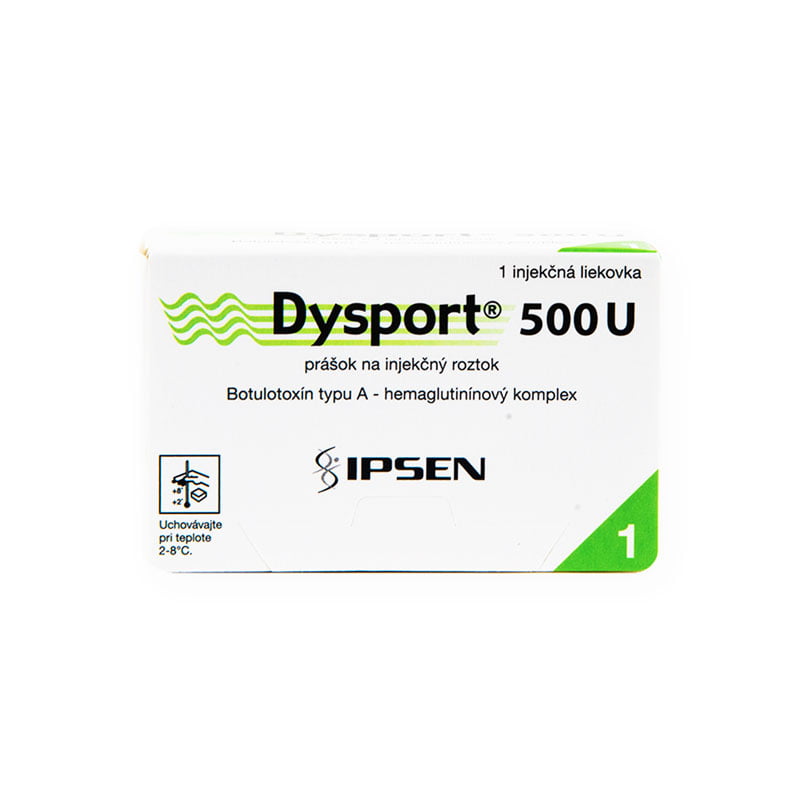
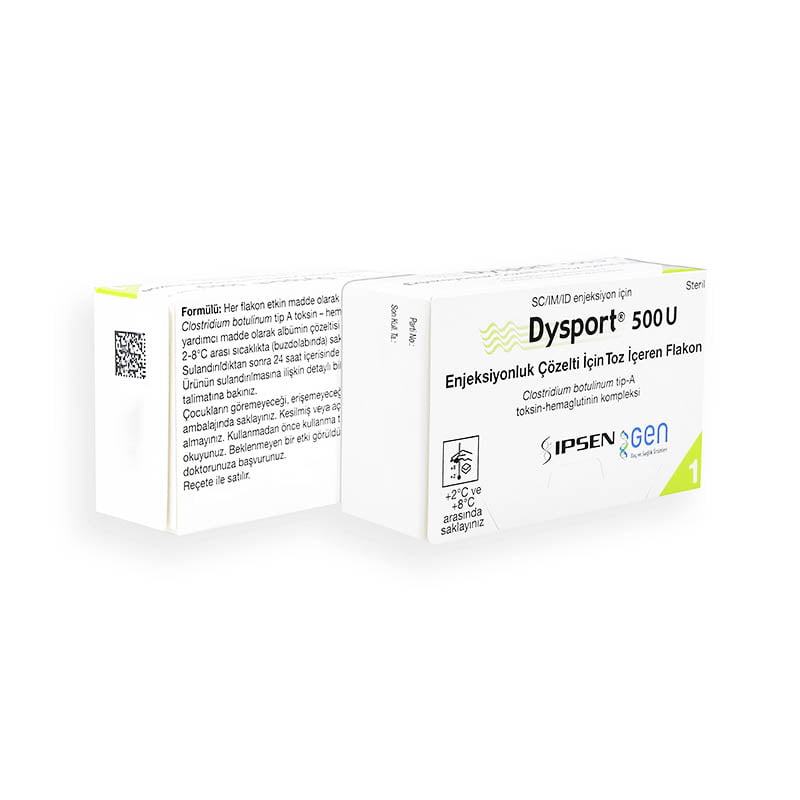
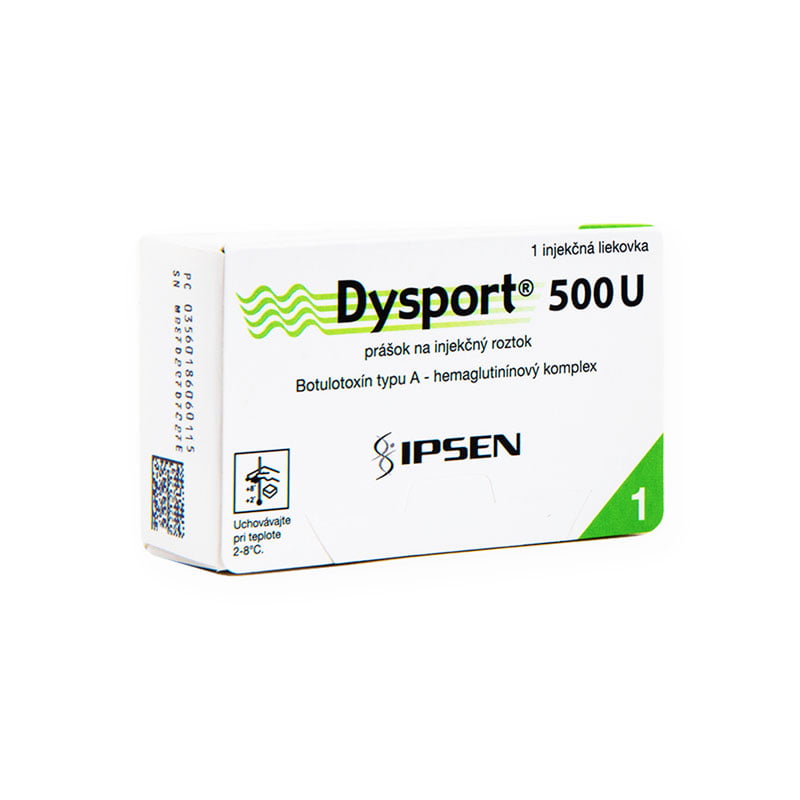
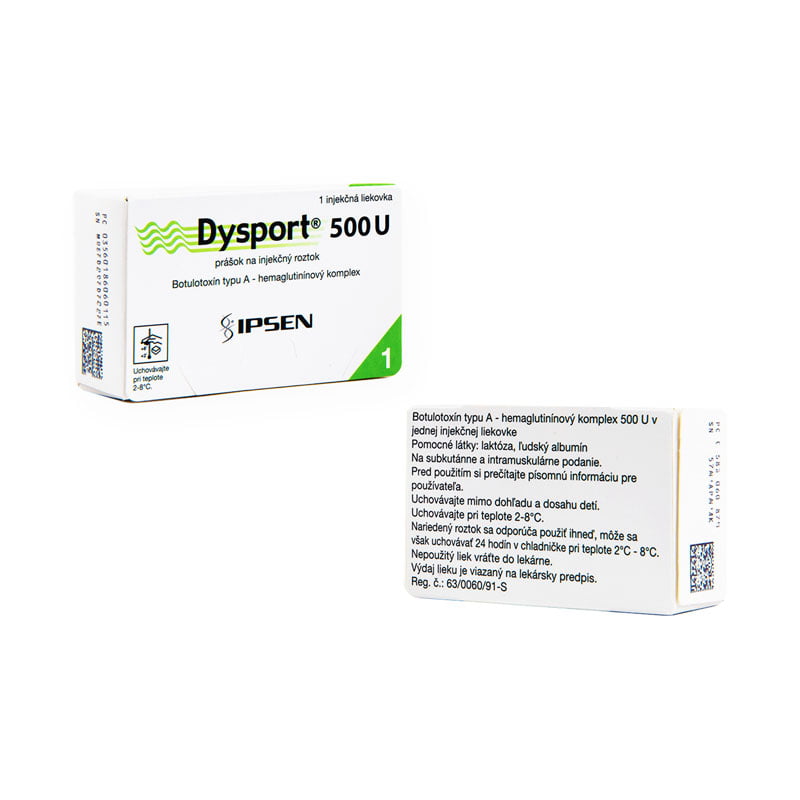
DYSPORT® is an abobotulinumtoxinA injectable supplied as a sterile, lyophilized vial for intramuscular use by licensed healthcare professionals. Clinics can order DYSPORT® in 300 Unit and 500 Unit vial presentations to support aesthetic and neurological neuromodulator workflows. The single-use vial format helps teams plan reconstitution, treatment-room setup, lot documentation, and inventory rotation.
Med Wholesale Supplies serves licensed clinics, med spas, dermatology offices, plastic surgery practices, and healthcare professionals that require authentic brand-name products from vetted supply channels. Sign in to view the current DYSPORT® price, select the vial size that fits your clinic protocols, and coordinate replenishment through reliable US logistics.
DYSPORT® Price, Vial Selection, and Clinic Ordering
Current pricing is available after account sign-in. DYSPORT® cost can vary by vial presentation, account terms, and clinic volume, so teams should match purchasing decisions to typical session volume, formulary standards, and internal waste-reduction goals rather than patient-facing price estimates. The 300 Unit vial is commonly used in aesthetic programs, while the 500 Unit vial can support higher-volume or specialty clinical protocols when it aligns with provider-directed treatment plans.
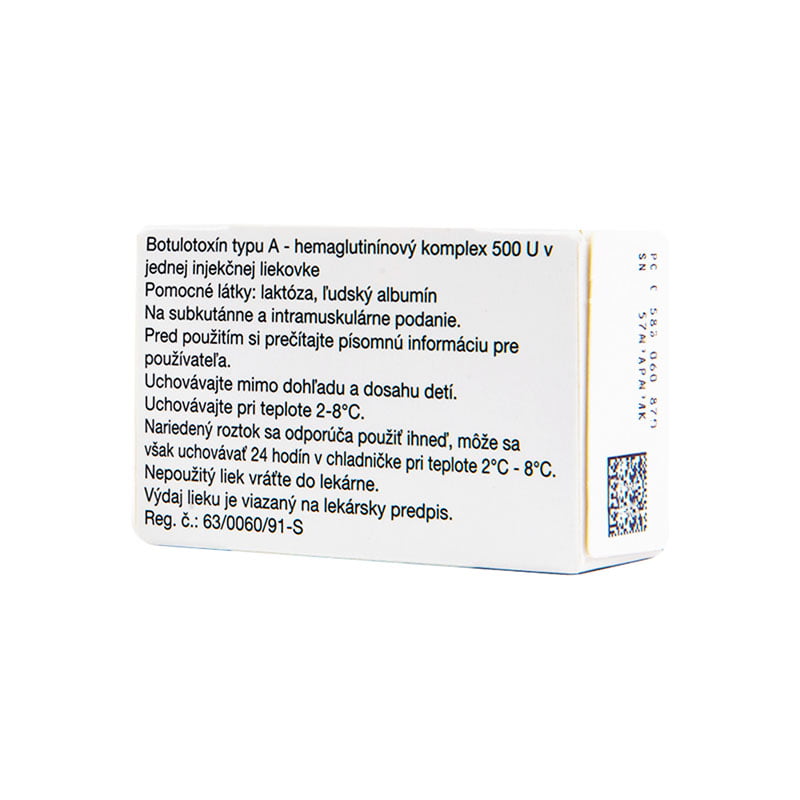
Clinics evaluating DYSPORT® 300 Units and DYSPORT® 500 Units should consider appointment mix, provider scheduling, reconstitution procedures, and product-use documentation. Smaller or larger vial staging can help inventory managers align supply with projected treatment days. Each carton and vial should be received into inventory with lot number, expiry, and quantity recorded under the practice’s standard operating procedure.
Account verification is required before clinic purchasing. Once signed in, authorized buyers can view available vial presentations, current price tiers, and product specifications. For broader category planning, the Botulinum Toxins category can help teams review related neuromodulator choices without changing established clinical protocols unnecessarily.
What DYSPORT® Is and How It Works
DYSPORT® contains abobotulinumtoxinA, a botulinum toxin type A neuromodulator. It is reconstituted with sterile saline according to manufacturer instructions and administered by trained professionals through intramuscular injection. In clinical use, botulinum toxin type A temporarily reduces local muscle activity by inhibiting acetylcholine release at the neuromuscular junction.
This pharmacologic action supports chemodenervation protocols used in aesthetic medicine and neurology. In aesthetic care, the product is associated with treatment of dynamic facial lines, including glabellar lines between the eyebrows under labeled and appropriately supervised use. In therapeutic care, specialists may incorporate abobotulinumtoxinA into individualized programs for selected muscle tone or spasticity indications, following product labeling, patient assessment, and clinic policy.
Provider technique remains central to outcomes. Injection mapping, patient anatomy, muscle strength, dilution approach, and follow-up planning all influence how a neuromodulator performs in practice. For clinical background on injection use and expected treatment discussions, see Dysport injections and expected results.
Professional Applications in Aesthetic and Therapeutic Care
DYSPORT® injectable fits established neuromodulator workflows in dermatology, plastic surgery, medical aesthetics, and neurology settings. Aesthetic teams often use it for upper-face treatment planning, including glabellar line protocols and other dynamic expression areas when appropriate. Therapeutic teams may use the same neuromodulator class in programs focused on abnormal muscle activity, with dosing and injection patterns individualized by a qualified clinician.
Clinic teams should separate product procurement from clinical decision-making. Purchasing staff can confirm vial size, lot records, expiry rotation, and storage procedures, while injectors determine patient suitability, treatment mapping, dose strategy, and follow-up. This separation helps maintain consistent inventory controls while preserving provider-led care decisions.
The product’s diffusion behavior is often discussed in treatment planning, particularly when providers are working across broader muscle fields. Diffusion is not a stand-alone advantage or a substitute for technique. It must be managed through anatomy knowledge, injection depth, dilution practices, and conservative clinical judgment.
For a deeper brand-specific clinical discussion, the internal article Dysport in-depth look reviews practical context for teams building training files and consultation materials.
Key Features for Clinic Workflow
- Active ingredient: AbobotulinumtoxinA, a botulinum toxin type A neuromodulator.
- Presentation: Sterile, lyophilized powder supplied in single-use DYSPORT® vials.
- Vial choices: 300 Unit and 500 Unit presentations for different clinic-use patterns.
- Administration route: Intramuscular injection after reconstitution with sterile saline.
- Professional use: Intended for administration by licensed and trained healthcare professionals.
- Inventory controls: Carton and vial labeling supports lot, expiry, and intake documentation.
- Packaging: Protective secondary packaging and tamper-evident features support chain-of-custody procedures.
- Workflow fit: Consistent vial presentation supports room setup, staff training, and supply checks.
Quick tip: Align vial size with typical clinic session volume before scheduling high-demand treatment days.
Composition, Reconstitution, and Handling
The active component in DYSPORT® is abobotulinumtoxinA. Other components are listed on the manufacturer’s carton, vial, and current package insert. Receiving staff should use the pack in hand as the controlling reference for ingredient, lot, expiry, storage, and preparation details.
DYSPORT® is supplied as a lyophilized powder and must be reconstituted with sterile saline before use. Reconstitution volume, handling time, aseptic technique, and post-reconstitution management should follow manufacturer instructions and clinic policy. Staff should avoid substituting internal habits for current labeling, especially when training new injectors or onboarding multiple locations.
Storage procedures should be documented in the clinic’s inventory manual. Temperature logs, expiry rotation, restricted access, and separation from nonclinical supplies help protect product integrity and support audit readiness. For general neuromodulator storage considerations across comparable products, see the neurotoxin storage guide.
Orders are supported with temperature-controlled handling when required and tracked US delivery. Receiving teams should inspect packaging, verify carton information against the purchase record, document receipt, and move product promptly into approved storage conditions.
Safety, Warnings, and Monitoring Considerations
Botulinum toxin products require careful patient selection, accurate muscle targeting, and attention to medical history. Known risks for this class include local injection-site reactions, bruising, pain, swelling, headache, eyelid or brow changes in aesthetic use, and unwanted weakness in nearby muscles. Serious adverse effects can occur if toxin effects spread beyond the injection area, including swallowing, breathing, or speech difficulties; urgent medical evaluation is required if those symptoms occur.
Clinicians should review contraindications, hypersensitivity history, infection at the proposed injection site, neuromuscular disorders, pregnancy or lactation considerations, and medicines that may affect neuromuscular transmission. Aminoglycoside antibiotics, muscle relaxants, anticholinergic medicines, and other agents that interfere with neuromuscular function can increase clinical risk. The official label should guide screening and monitoring decisions.
Clinic protocols should also address informed consent, adverse event documentation, post-treatment instructions, and escalation pathways. When DYSPORT® is used across multiple service lines, a shared safety checklist can reduce variation between aesthetic and therapeutic teams. For patient-facing risk topics that staff may need to explain during consultations, see Dysport side effects guidance.
DYSPORT® Compared With Other Neuromodulators
DYSPORT® is one of several botulinum toxin type A products used in professional practice. Providers often compare it with Botox, Xeomin-type purified formulations, and other neuromodulators based on labeled indications, unit conversion practices, onset expectations, diffusion characteristics, storage requirements, cost per treatment plan, and injector familiarity. Units are product-specific and should not be treated as interchangeable across brands.
No single neuromodulator is universally better for every patient or clinic. DYSPORT® may fit practices that value its established aesthetic and therapeutic use history, vial choices, and treatment-room familiarity. Another product may be preferred when a provider’s protocol, training, or formulary standards support a different formulation.
For practices building a broader toxin formulary, Bocouture may be relevant as another botulinum toxin option, while Botulax may be considered by clinics that evaluate additional brand families. Related product decisions should be made through provider review, staff training requirements, documentation needs, and applicable product labeling.
Inventory Planning and Documentation
DYSPORT® procurement should be tied to realistic appointment forecasts. High-volume aesthetic schedules may require routine replenishment planning, while specialty programs may need larger vials staged around defined clinic days. Inventory managers should track usage by vial size, provider, treatment category, and expiry window to reduce last-minute substitutions.
Multi-provider clinics benefit from standardized intake and administration records. Each treatment note should capture the product name, lot number, expiry, dose used according to clinic documentation standards, injection sites, diluent details when required, and the responsible clinician. Consistent documentation supports traceability during audits and helps reconcile product use with purchasing records.
Training files should explain how the practice distinguishes neuromodulators, manages unit differences, handles reconstitution, and stores prepared materials under policy. These details matter when onboarding new injectors, expanding service lines, or coordinating multiple locations under a shared formulary.
Ordering, Logistics, and Professional Account Review
Licensed clinics and healthcare professionals can order DYSPORT® after account review. We may verify business and professional-use details before releasing account-level purchasing functions. This helps ensure the product is routed through appropriate clinical procurement channels and documented for professional inventory use.
When ordering, select the vial presentation that matches the clinic’s internal protocol and scheduled demand. Current pricing appears within the account environment, including any volume or contract tiers available to qualified facilities. For adjacent medical products used across treatment operations, the Pharmaceuticals category can support broader purchasing review.
If a preferred vial size is constrained during a purchasing cycle, procurement staff should consult the clinical lead before changing the formulary. Substitutions within the neuromodulator class require attention to labeling, unit differences, training, and documentation. The Dysport brand area can also help teams keep related brand references organized.
Authoritative Sources
- Official DYSPORT® healthcare professional information
- FDA label for abobotulinumtoxinA
- MedlinePlus abobotulinumtoxinA overview
This content is for informational purposes only and is not a substitute for professional medical advice.
Frequently Asked Questions
Can clinics order DYSPORT® in both 300 Unit and 500 Unit vials?
Yes. DYSPORT® is described for clinic ordering in 300 Unit and 500 Unit vial presentations. Sign in to view current availability, account pricing, and specifications for the vial size that matches your clinic protocol.
Is DYSPORT® better than Botox for every clinic protocol?
No. DYSPORT® and Botox are both botulinum toxin type A products, but they are not unit-for-unit interchangeable. Provider training, labeling, treatment area, patient assessment, and clinic documentation standards should guide product selection.
How should DYSPORT® vials be handled after receipt?
Receiving staff should verify the carton, lot number, expiry, quantity, and packaging condition, then move the product into the storage conditions required by the manufacturer and clinic policy. Reconstitution should follow the current package insert.
What documentation should a clinic keep for DYSPORT® use?
Treatment and inventory records should capture product name, vial size, lot number, expiry, clinician, administration details required by clinic policy, and any adverse event notes. Consistent records support traceability and inventory reconciliation.
What are common safety considerations with DYSPORT®?
Clinicians should screen for hypersensitivity, infection at the proposed injection site, neuromuscular conditions, interacting medicines, and other risk factors. Serious symptoms such as trouble swallowing, breathing, or speaking require urgent medical evaluation.
Specifications
- Main Ingredient: Botulinum Toxin Type A
- Manufacturer: Galderma
- Drug Class: Dermal Filler
- Generic Name: Botulinum Toxin Type A
- Package Contents: 1 Vial | 2 Vials
- Storage Requirements: Refrigerated between 2°C – 8°C
- Main Usage:
About the Brand
Dysport
Recognized Medically, Dysport serves as a dependable brand, catering effectively to a variety of health conditions such as unsightly wrinkles and muscle spasms. We make these products easily obtainable through our online platform, medwholesalesupplies.com. Appreciating our customer's need for quick access to premium medical provisions, we present Dysport, a brand conforming to high standards. Deciding to buy Dysport at medwholesalesupplies.com offers you a seamless shopping experience. We've crafted our website to eliminate all shopping tedium, permitting a shopping adventure that's swift with just a few clicks. No need for time-consuming multiple store visits and complicated ordering pursuits. We offer a convenient portal to Dysport, always a click away at medwholesalesupplies.com. Above all, soaring on the wings of convenience, getting Dysport at medwholesalesupplies.com also guarantees authenticity. Aware of importing safe and genuine products, we ensure sourcing from credible manufacturers and suppliers. We promise nothing less than true Dysport items from approved sources. So, when you buy Dysport from our platform, you are secure in the knowledge of procuring a dependable, high-quality medical product abiding by the paramount safety and quality principles.
Browse Dysport Products
Here to help
Questions about ordering, delivery or products? You can email our team here or call now at 1-800-630-9757 and be connected with your dedicated Account Manager
Related Products
$339.00
You save (%)
You save (%)
Select options
This product has multiple variants. The options may be chosen on the product page
Juvéderm® SKINVIVE
Dermal Filler
$339.00 - $359.00
You save (%)
You save (%)
$86.00 - $119.00
You save (%)
You save (%)
$72.00
You save (%)
You save (%)
Select options
This product has multiple variants. The options may be chosen on the product page
Related Articles
Hyaluronidase in Aesthetic Practice: Safety and Workflow
Hyaluronidase is an enzyme that breaks down hyaluronic acid, a water-binding molecule found in skin,…
Jawline Filler in Aesthetic Care: Safety and Workflow
Jawline filler is a nonsurgical dermal filler approach used to refine lower-face contour, support the…
Dermal Fillers Before and After: Assessing Results
Dermal fillers before and after review should show whether an injectable treatment produced a visible,…
Elasticity of the Skin: Assessment and Treatment Planning
Elasticity of the skin is the skin’s ability to stretch, resist deformation, and return toward…
How Long Does Mirena Last? Duration, Labeling, and Workflow
Mirena is labeled to prevent pregnancy for up to 8 years, but its labeled duration…
Is Evenity a Bisphosphonate? Drug Class and Care Context
No. If you are asking is evenity a bisphosphonate, the short answer is no. Evenity…
What Causes Double Chin? Clinical Drivers and Red Flags
The main causes double chin presentations reflect are usually submental fat, inherited facial anatomy, chin…
Skyla Vs Kyleena: Differences That Matter in IUD Selection
In a Skyla vs Kyleena comparison, the main operational difference is duration on the label:…