

- You must be logged in to add items to the cart.
$1,599.00
You save (%)
Description
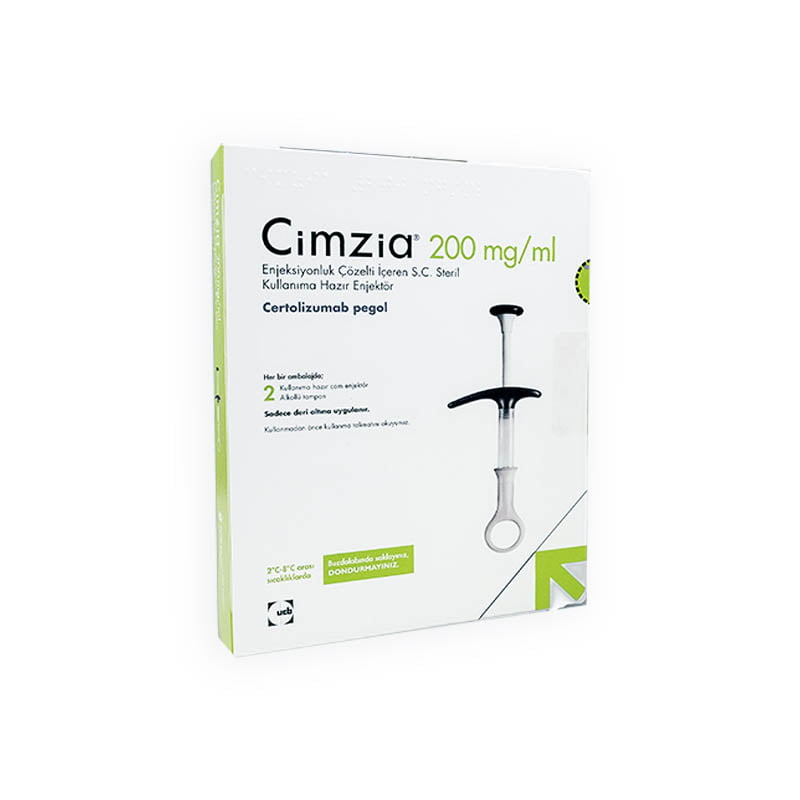
Cimzia (Non-English) is a brand-name certolizumab pegol biologic injection supplied for licensed clinics and healthcare professionals. The available presentation is 200 mg/mL in 2 x 1 mL prefilled syringes for subcutaneous use, with non-English carton and leaflet materials that should be reconciled against clinic procedures before stock enters active inventory. Clinic teams can order Cimzia for professional use while confirming pack language, cold-chain handling, lot tracking, and treatment-protocol fit.
Certolizumab pegol is a tumor necrosis factor blocker, often shortened to TNF blocker, used in immune-mediated inflammatory conditions under clinician direction. Because it can reduce infection defenses, procurement should be paired with appropriate screening, staff documentation, and clear escalation processes for adverse symptoms.
Cimzia 200 mg/mL Price, Pack, and Clinic Ordering
Current Cimzia price and cost review should be based on the exact pack being purchased: 200 mg/mL, 2 x 1 mL prefilled syringes. Acquisition planning should include the medication cost, refrigerated storage controls, receipt logging, staff time for non-English pack reconciliation, and whether the two-syringe quantity matches the clinic’s initiation, maintenance, or supervised training workflow.
Professional purchasing starts with facility-level verification, product identity review, and confirmation that the non-English packaging can be used under internal policy. We may review account and order details for licensed clinic access, especially when a biologic medicine requires temperature-sensitive handling, traceability, or specialist oversight within rheumatology, dermatology, gastroenterology, or pharmacy governance.
- Product identity: Cimzia, certolizumab pegol, 200 mg/mL.
- Pack format: 2 x 1 mL prefilled syringes.
- Route: subcutaneous injection.
- Audience: licensed clinics and healthcare professionals.
- Workflow concern: non-English carton and leaflet reconciliation.
For broader stock planning, teams can review the Cimzia brand range, the rheumatology category, and the pharmaceuticals category. These internal categories help procurement teams group biologic inventory without treating different products as interchangeable.
Professional Use and Approved Indication Context
Cimzia is a PEGylated antibody fragment that targets TNF-alpha, an inflammatory signaling protein. In practice, that mechanism places Cimzia among biologic therapies used when inflammatory disease activity requires targeted immune modulation rather than routine symptomatic treatment alone.
Depending on the market label and specialty use setting, adult indications for certolizumab pegol may include rheumatoid arthritis, psoriatic arthritis, ankylosing spondylitis or other axial spondyloarthritis, plaque psoriasis, and Crohn’s disease. The exact wording should come from the approved prescribing information that accompanies the supplied pack, because indication language and age groups can vary between regulatory regions.
Clinic teams often ask whether Cimzia is approved for psoriasis. Labeling in major markets includes plaque psoriasis among approved uses, but use in any patient remains tied to the applicable label, diagnosis, severity assessment, prior therapy history, and clinician-led monitoring plan. The product should not be substituted into a dermatology, rheumatology, or gastroenterology pathway solely because another TNF blocker is present on a formulary.
Related clinical reading may support staff orientation. The article on psoriatic arthritis treatment with Cimzia discusses a common specialty-use context, while rheumatoid arthritis injection therapy addresses how injectable treatments fit practice workflows.
Forms, Strengths, and Packaging Details
This Cimzia (Non-English) supply is the 200 mg/mL prefilled syringe presentation supplied as 2 x 1 mL syringes. Before purchase, the clinic should align the prefilled syringe format with administration setting, storage capacity, training documentation, and medication-administration records.
| Attribute | Clinic detail |
|---|---|
| Brand | Cimzia |
| Active ingredient | Certolizumab pegol |
| Strength | 200 mg/mL |
| Form | Prefilled syringe |
| Pack size | 2 x 1 mL syringes |
| Route | Subcutaneous injection |
| Packaging language | Non-English carton and leaflet materials |
The two-syringe pack affects par levels, patient assignment, and backup-stock decisions. A biologic refrigerator count should distinguish complete cartons from partial packs, quarantined units, and syringes assigned to scheduled administration.
Why it matters: Pack format affects inventory counts, treatment-room preparation, and staff training before administration.
Administration Workflow for Prefilled Syringes
Cimzia injection is given subcutaneously. Dose schedules differ by indication and market label, so clinic staff should use the prescribing information and internal protocol rather than relying on catalog copy. Operationally, the important points are device inspection, temperature handling before use, documentation of administration, and follow-up pathways for infection or hypersensitivity concerns.
Some clinics administer Cimzia entirely in office, while others provide supervised training when a care model includes self-injection. In either setting, staff should verify syringe integrity, match the product to the medication order, document lot and expiry, and use approved sharps disposal processes. Preparation details, including any time outside refrigeration, should be taken from the instructions accompanying the pack.
- Match the active ingredient, strength, and pack to the medication order.
- Inspect each syringe before preparation and administration.
- Record lot, expiry, administration date, and injection site details.
- Use clinic sharps procedures and incident reporting rules.
- Escalate infection symptoms, allergic reactions, or unusual neurologic symptoms promptly.
Prefilled syringe workflow is increasingly important in biologic therapy. For broader operational context, the discussion of pre-filled syringes in rheumatoid arthritis therapy may help teams frame training and documentation needs.
Storage, Handling, and Logistics
Unopened Cimzia syringes should be stored under refrigerated conditions according to the label, commonly 2°C to 8°C, and protected from light in the original carton until use. Do not freeze biologic syringes, and do not place units with uncertain temperature history into routine stock until pharmacy or quality staff have assessed them.
Cold-chain intake should occur promptly at receipt. Receiving staff should document carton condition, temperature review, lot number, expiry, and any mismatch between the purchase record and the carton received. When required, temperature-controlled handling when required and tracked US delivery should be incorporated into the clinic’s receiving and inventory procedures.
Non-English packaging adds a second operational layer. Staff should be able to identify the brand, active ingredient, concentration, quantity, expiry, and manufacturer identifiers accurately. If barcode workflows, EHR descriptors, or patient materials depend on English-language naming, those fields should be reconciled before the pack is assigned to a treatment calendar.
- Keep syringes refrigerated according to the pack instructions.
- Protect cartons from light until preparation.
- Quarantine damaged, frozen, overheated, or uncertain stock.
- Document excursions using the clinic’s biologic handling SOP.
- Retain lot and expiry visibility through final administration.
Quick tip: Log lot, expiry, and temperature review at receipt, not at first use.
Safety, Risks, and Monitoring
Cimzia is a high-risk medication in the practical sense that it is an immunomodulating biologic with serious labeled warnings, not a routine low-monitoring injectable. TNF blockers can increase the risk of serious infections, including tuberculosis and opportunistic infections. Clinics commonly incorporate latent TB evaluation, infection history, and hepatitis B risk assessment before treatment begins.
Important warnings for certolizumab pegol may include serious infection, malignancy risk, hypersensitivity reactions, demyelinating disease, worsening or new heart failure, blood disorders, lupus-like reactions, and liver-related events. The presence of these warnings does not mean every patient will experience them, but they do require careful intake, counseling, and follow-up procedures.
Commonly reported adverse effects can include upper respiratory symptoms, rash, headache, injection-site reactions, and gastrointestinal complaints. More urgent concerns include fever, persistent cough, shortness of breath, severe rash, facial swelling, bruising, jaundice, severe abdominal symptoms, or new neurologic changes. Clinic triage protocols should identify which symptoms require same-day clinician review.
- Screening: TB, hepatitis risk, current infection, and vaccination history.
- Medical history: heart failure, neurologic disease, malignancy, and hypersensitivity.
- Ongoing monitoring: interval infection history and labs when clinically indicated.
- Patient education: infection red flags and when to contact the clinic.
- Traceability: adverse events should connect back to lot, date, and dose record.
Vaccination planning is also important. Live vaccines generally require careful timing around biologic therapy, and other immunosuppressive medicines can increase infection risk. Clinics should coordinate vaccine review, perioperative planning, pregnancy-related considerations, and infant vaccine timing through the treating clinician when relevant.
Drug Interactions and Clinical Cautions
Clinicians generally avoid unsupervised overlap between Cimzia and another biologic immunomodulator. Combining multiple immune-targeting therapies can raise infection risk unless a specialist-directed plan and label support the approach. Concomitant corticosteroids, methotrexate, or other immunosuppressive therapies may be part of care, but monitoring should reflect the combined risk profile.
Active serious infection is a major caution for TNF blocker therapy. Treatment decisions should consider recent infections, chronic or recurrent infection history, tuberculosis exposure, hepatitis B status, planned surgery, and any prior severe hypersensitivity reaction. Clinic documentation should make these decision points visible before the syringe is removed from inventory for administration.
Non-English packs should not create shortcuts around safety counseling. If patient-facing instructions are needed, staff should ensure the clinic has compliant materials that match the active ingredient, route, device, and approved use context for the patient’s treatment plan.
How Cimzia Compares With Other Biologic Options
Cimzia may be evaluated alongside other biologic medicines when the clinical condition, previous treatment response, route preference, pregnancy planning, or site-of-care model affects therapy choice. Alternatives are not interchangeable by default, even when they treat overlapping inflammatory conditions. Each has its own active ingredient, label, device or infusion requirements, monitoring expectations, and inventory impact.
| Option | Main route | Clinic considerations |
|---|---|---|
| Cimzia | Subcutaneous | Certolizumab pegol prefilled syringe; non-English pack requires language reconciliation. |
| Orencia | Infusion or injection, depending on presentation | Different biologic mechanism and workflow requirements. |
| MabThera | Intravenous infusion | Infusion-center capacity and infusion-reaction procedures are central. |
| Actemra | Injection or infusion, depending on presentation | Different cytokine target and monitoring considerations. |
Related professional-use products can be reviewed when a formulary committee or clinic buyer is assessing adjacent biologic workflows. See Orencia 250 mg vial, MabThera 500 mg Non-English, and Actemra for separate product-specific considerations.
When assessing whether Cimzia is a good biologic for a practice pathway, the answer depends on labeled indication, patient risk factors, administration setting, documentation capacity, storage controls, and prescriber preference. Procurement teams should support that decision with correct product identity and handling, not by treating class members as simple substitutes.
Non-English Pack Review and Substitution Controls
Cimzia (Non-English) should not be treated as automatically equivalent in workflow to every local-language carton. The active ingredient and strength may match a treatment plan, but language, leaflet content, regional identifiers, barcode compatibility, and pharmacovigilance documentation can affect whether staff can release the stock without added review.
Before accepting a substitution, clinic teams should verify the active ingredient, 200 mg/mL strength, prefilled syringe form, 2 x 1 mL quantity, lot number, expiry, and any regional labeling differences. If a medication administration record uses standardized names or barcode scanning, the non-English carton should be reconciled before first assignment.
- Same active ingredient does not guarantee the same workflow fit.
- Leaflet and carton language should be understood by responsible staff.
- Barcode, EHR, and inventory naming should match clinic controls.
- Substitution decisions should remain clinician and pharmacy-led.
Authoritative Sources
For official U.S. prescribing details, review the FDA prescribing information for Cimzia.
For European regulatory information, consult the European Medicines Agency Cimzia assessment.
For manufacturer materials, see the official Cimzia information site.
This content is for informational purposes only and is not a substitute for professional medical advice.
Frequently Asked Questions
What type of medication is Cimzia?
Cimzia is certolizumab pegol, a biologic TNF blocker. It is used under clinician direction for immune-mediated inflammatory diseases such as rheumatoid arthritis, psoriatic arthritis, axial spondyloarthritis, plaque psoriasis, and Crohn’s disease when supported by the applicable label.
What is included in the Cimzia Non-English pack?
The pack described here contains Cimzia 200 mg/mL prefilled syringes, supplied as 2 x 1 mL syringes. Because the carton and leaflet are non-English, clinic staff should reconcile product identity, strength, expiry, lot number, and instructions before inventory release.
Is Cimzia considered a high-risk medication?
Cimzia requires high-attention handling because it is an immunomodulating biologic with serious infection warnings and other important precautions. Clinics should use screening, monitoring, adverse-event escalation, and lot-traceability procedures appropriate for TNF blocker therapy.
How should clinics store Cimzia prefilled syringes?
Clinics should store unopened syringes according to the pack instructions, typically refrigerated at 2°C to 8°C and protected from light in the original carton. Frozen, damaged, overheated, or temperature-uncertain stock should be quarantined for review.
Can Cimzia be substituted with another TNF blocker?
Not automatically. Other biologics may treat overlapping conditions, but they differ in active ingredient, dosing, route, device, labeled uses, and monitoring requirements. Any switch should be directed by the treating clinician and documented through clinic or pharmacy controls.
Specifications
- Main Ingredient: Certolizumab Pegol
- Manufacturer: UCB Pharma GmbH
- Drug Class: Tumor Necrosis Factor-Alpha (Tnf-Alpha) Inhibitor
- Generic Name: Certolizumab Pegol
- Package Contents: 2 x 1mL Pre-Filled Syringes
- Storage Requirements: Room Temperature (2℃~25℃)
- Main Usage:
About the Brand
Cimzia
Cimzia represents a monumental advance in rheumatology medication. It's been verified to effectively manage various conditions including rheumatoid arthritis, psoriatic arthritis, and ankylosing spondylitis. Cimzia operates by specifically assaulting proteins that cause inflammation in the body, thereby lessening pain and enhancing the general life quality of those afflicted by these enduring conditions. Cimzia is now readily available for purchase on medwholesalesupplies.com, providing easy access to this life-altering drug. Acquiring Cimzia through medwholesalesupplies.com presents multiple advantages for patients. Primarily, it enables an effortless and uncomplicated way to acquire the crucial medication without requiring physical visits to a pharmacy. Furthermore, sourcing from medwholesalesupplies.com guarantees that the product will maintain the highest degree of authenticity and quality since the site is a reputable source for essential medical supplies. Cimzia being available on this platform gives patients access to the drug at competitive rates, making it more easily attainable and affordable for those dependent on it for their health and comfort.
Browse Cimzia Products
Here to help
Questions about ordering, delivery or products? You can email our team here or call now at 1-800-630-9757 and be connected with your dedicated Account Manager
Related Products
JALUPRO® PLUS 4ML
Skin Rejuvenation Treatment
$86.00 - $89.00
You save (%)
You save (%)
$339.00
You save (%)
You save (%)
Select options
This product has multiple variants. The options may be chosen on the product page
Juvéderm® SKINVIVE
Dermal Filler
$339.00 - $359.00
You save (%)
You save (%)
$86.00 - $119.00
You save (%)
You save (%)
Related Articles
Lip Fillers Swelling Stages: Timeline, Safety, and Follow-Up
Lip fillers swelling stages usually follow a short inflammatory course: swelling appears soon after injection,…
Hypopigmentation of the Skin: Assessment and Care
Hypopigmentation of the skin means one or more areas look lighter than the surrounding skin.…
Radiesse vs Sculptra: Selection Factors for Clinics
Radiesse vs Sculptra is best understood as a comparison between two collagen-stimulating injectables with different…
Hyaluronic Acid Under-Eye Filler: Safety and Workflow
Hyaluronic acid under-eye filler is an injectable soft-tissue filler used by trained aesthetic clinicians to…
Dermal Filler Types: Materials, Uses, and Clinic Fit
Dermal filler types are usually grouped by their base material, tissue behavior, and expected role…
What Is Dysport? Clinical Uses, Safety, and Workflow
For clinic teams asking what is Dysport, the short answer is simple: Dysport is a…
Biostimulators in Aesthetic Care: Selection and Safety
Biostimulators are injectable aesthetic products used to encourage a controlled tissue response, often involving new…
Do You Ovulate on an IUD? Clinic Counseling Points
Clinicians hear the shorthand question do you ovulate on iud, but the practical answer depends…