

- You must be logged in to add items to the cart.
$29.00
You save (%)
Description
Braun 30Gx12mm needles are sterile hypodermic needles for professional subcutaneous injection workflows. Licensed clinics, med spas, and healthcare professionals can order this 30G x 12mm size for treatment-room use, inventory standardization, and routine replenishment. The fine 30-gauge diameter and 12 mm length support controlled placement when used by trained staff with compatible syringes and aseptic technique.
30G x 12mm Sterile Needles for Professional Use
The Braun 30G x 12mm format is commonly selected when a clinic needs a small-gauge needle for superficial subcutaneous delivery. The 30G diameter helps reduce insertion force, while the 12 mm length gives trained users a predictable reach into subdermal tissue planes. This makes the size practical for repeated medication protocols, aesthetic support procedures, allergy workflows, endocrine protocols, and other clinician-directed services that require careful needle selection.
These are single-use sterile hypodermic needles intended for professional handling. Each needle should be attached only to a compatible syringe system, used once, and discarded immediately into an approved sharps container. Staff should follow facility policy for hand hygiene, skin preparation, medication preparation, patient identification, lot documentation, and post-use disposal.
For procurement teams, the specification is straightforward: Braun 30 gauge 12mm hypodermic needles with a standard Luer-compatible hub. Clinics that maintain a controlled device formulary can use this size to support consistent staff training, storage organization, and replenishment planning across treatment rooms.
Clinic Ordering, Price, and Supply Planning
Licensed accounts can sign in to view current pricing and add Braun 30Gx12mm needles to routine procurement. Pricing may depend on account status, order quantity, and purchasing terms shown during checkout. For multi-provider clinics, procurement teams often place sterile needles on recurring supply lists so clinical staff do not substitute gauge or length without internal approval.
New clinic accounts may be asked to provide professional-use documentation before ordering. This helps align supply access with licensed clinical operations and reduces the chance of incorrect device sourcing. For broader procurement planning, the medical supplies wholesale ordering process explains common steps clinics use when organizing online purchasing.
When building an order, match the needle size to the protocol, syringe type, medication viscosity, injection site, and staff training requirements. If your clinic uses multiple small-gauge needles, separate bins or clear shelf labels can help staff identify 30G x 12mm sterile needles quickly during medication preparation. For procedures with fixed internal protocols, keep the approved gauge and length in written standing instructions.
How the Needle Works With Syringes
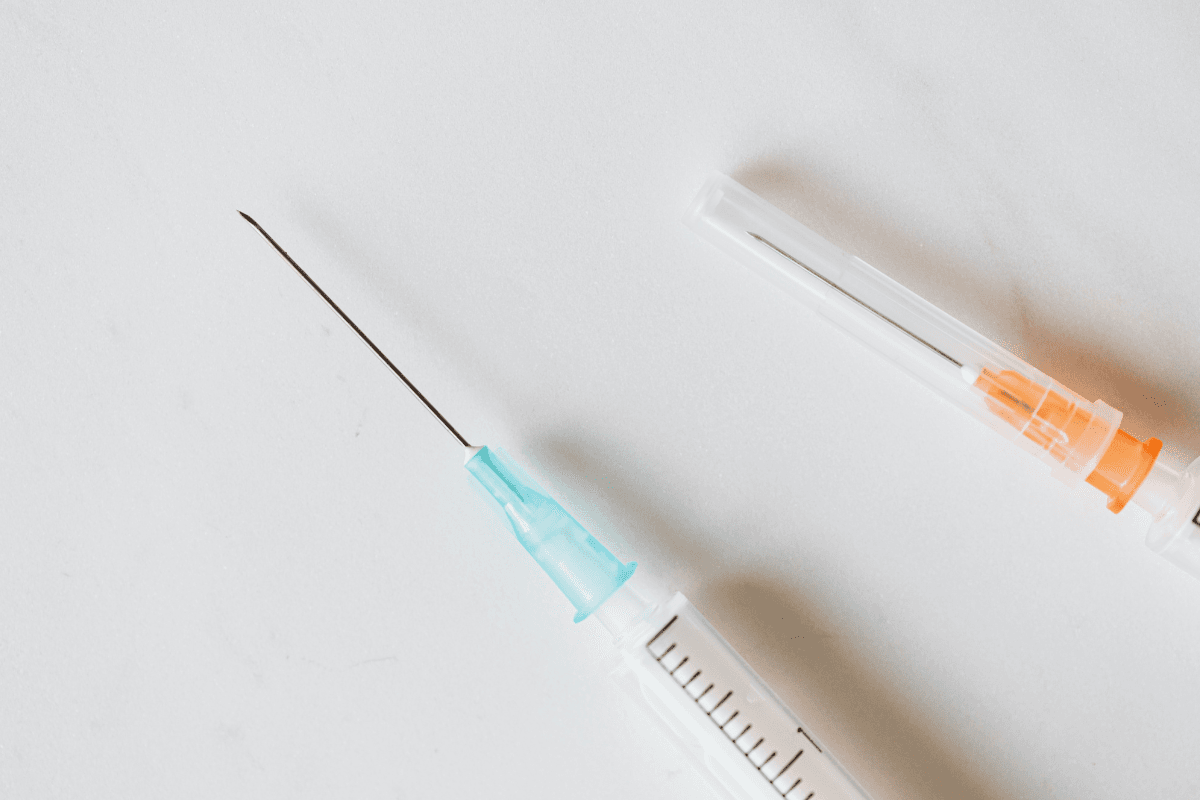
A hypodermic needle has a hollow stainless-steel cannula, a sharpened bevel, and a hub that connects to a syringe. In this specification, the fine-gauge cannula is designed for controlled injection of compatible medications or solutions under clinician direction. The thin-walled construction can support smoother flow than a thicker-walled needle of the same outer gauge, depending on the syringe, fluid properties, and technique.
The standard Luer-compatible hub allows the needle to attach to commonly used syringe systems in medication rooms and procedure suites. Before use, staff should verify that the syringe connection is secure and that the package is intact. Any needle with compromised sterile packaging, visible damage, or unclear labeling should be removed from clinical stock according to facility policy.
Needle selection should balance patient comfort, delivery depth, medication viscosity, and flow resistance. A very fine gauge may be appropriate for low-volume subcutaneous injections, but it may not suit thicker preparations or protocols requiring faster delivery. Clinical leadership should define acceptable syringe and needle pairings for each service line.
Common Professional Applications
The 30G x 12 mm size is often used for subcutaneous therapies where a fine needle and controlled depth are important. Clinical examples may include insulin administration, hormone protocols, allergy immunotherapy, anticoagulant dosing, and superficial anesthetic support in appropriate aesthetic workflows. Use must follow the medication label, clinical training, and local policy.
In aesthetic and dermatology settings, small-gauge needles may also support microinjection-style techniques when a clinician determines that the device is suitable for the intended treatment. The needle itself does not determine treatment safety or outcome. Technique, anatomy, product selection, patient screening, sterile handling, and emergency preparedness remain central to safe practice.
Clinics that purchase injectables, syringes, cannulas, and needles together may organize these items under broader device categories. The medical devices category can help procurement teams locate related supplies used in injection and treatment-room workflows.
Key Features
- 30G fine-gauge cannula for controlled superficial injection technique.
- 12 mm length for subcutaneous placement when protocol-appropriate.
- Sterile single-use presentation for professional aseptic workflows.
- Stainless-steel cannula with a precision-ground bevel.
- Thin-walled design to support flow at conservative plunger pressure.
- Standard Luer-compatible hub for common syringe systems.
- Clear gauge and length identification for supply-room verification.
- Disposable format that supports sharps safety and traceability.
- Suitable for licensed clinical settings using approved internal protocols.
Benefits for Clinic Workflow
Standardizing a needle size can reduce variation in technique across providers and shifts. When the same gauge and length are used for a defined protocol, staff can train against a consistent device and document the same supply reference in treatment records. This can simplify competency checks, preference cards, and inventory audits.
The fine 30G profile may support patient comfort in repeat-injection settings, while the 12 mm length helps trained users maintain a consistent subcutaneous approach. For busy clinics, predictable device handling can reduce interruptions during medication preparation. Clear labeling also supports lot checks and expiration review at receiving, storage, and point of use.
Inventory managers should monitor usage rates by service line, not only by total clinic volume. A med spa, allergy clinic, or ambulatory practice may use this size differently depending on appointment mix. Tracking monthly consumption can help determine reorder points and avoid last-minute substitutions.
Composition and Device Materials
Braun 30Gx12mm needles are medical-grade hypodermic needles. The cannula is stainless steel and the hub is a medical-grade polymer designed for Luer-compatible connection. The device is supplied sterile and intended for single use only.
The product is described as latex-free in the existing specification. Facilities that maintain latex-minimization policies should still follow their internal product review process and retain manufacturer or distributor documentation when required. If a facility has a formal materials committee, add the gauge, length, SKU, lot tracking requirements, and approved use areas to the device file.
Because this is a needle rather than a medication, it has no active ingredient, strength, or dose. The dose and route are determined by the medication order and clinical protocol. Staff should not reuse, recap by hand, bend, or modify the needle outside approved safety procedures.
Packaging, Storage, and Handling
Each needle is provided in individual sterile packaging for clean storage and single-use dispensing. External labeling should be used to verify the gauge, length, lot number, and expiration date before the product is placed into active stock. Receiving teams should document lot and expiration information according to clinic policy.
Store sterile needles in a clean, dry area away from direct light, moisture, contamination risk, and excessive handling. Do not store loose needles outside their sterile barrier. If packages are crushed, torn, wet, punctured, or otherwise compromised, remove them from use and follow your facility’s device-quality process.
For supply movement between locations, maintain packaging integrity and protect cartons from compression or contamination. Orders may use temperature-controlled handling when required and tracked US delivery, depending on the broader contents of the shipment. Keep sterile needles separated from used sharps, biological waste, cleaning chemicals, and open treatment materials.
Safety, Sharps Disposal, and Documentation
Needles create puncture and bloodborne pathogen risks if handled incorrectly. Trained staff should use aseptic technique, avoid unnecessary manipulation, and dispose of used needles immediately in approved sharps containers. The container should be located close to the point of use so staff do not carry an exposed needle across the room.
Do not use a needle if the sterile barrier is open, the hub is damaged, the cannula is bent, the tip is visibly compromised, or the size does not match the protocol. If a needlestick injury occurs, follow the facility exposure-control plan and occupational health procedures. Documentation should include the product identity, lot number when required, exposure details, and follow-up steps.
Clinics should train staff on device selection, syringe compatibility, disposal rules, and patient-specific considerations. For subcutaneous injections, technique factors such as site selection, tissue depth, skin preparation, angle, and medication properties can affect safe administration. Individual clinical decisions should remain under qualified professional oversight.
Substitutions and Comparable Specifications
If Braun 30Gx12mm needles need to be substituted within your clinic formulary, match the core attributes before approving a change. Gauge, length, sterility, hub compatibility, bevel quality, packaging format, latex status, and manufacturer documentation can all affect workflow. Substitutions should be reviewed by clinical leadership before use in active protocols.
A 30G x 12mm needle is also commonly described as a 30G x 1/2 inch needle. The terms are close practical equivalents for clinics that use both metric and imperial references in training materials. Staff should still follow the exact product label and internal protocol wording when documenting supplies.
For procedures where a standard hypodermic needle is not the preferred tool, a clinic may evaluate cannulas, microneedle devices, or other specialized delivery systems. Device choice should reflect the treatment goal, anatomy, product characteristics, practitioner training, and manufacturer instructions.
Authoritative Sources
Ready to add Braun 30Gx12mm needles to your clinic supply plan? Sign in to view current account pricing, select the required quantity, and coordinate replenishment for licensed professional use.
This content is for informational purposes only and is not a substitute for professional medical advice.
Frequently Asked Questions
What are Braun 30G x 12mm needles used for in clinics?
They are sterile hypodermic needles used by trained healthcare professionals for protocol-appropriate subcutaneous injection workflows. Common clinic contexts may include endocrine, allergy, anticoagulant, hormone, and aesthetic support procedures when the gauge and length match the clinical protocol.
Are these needles single-use?
Yes. Braun 30Gx12mm needles are intended for single use. After use, staff should place the needle directly into an approved sharps container and follow the facility exposure-control and documentation procedures.
What syringe connection should clinics verify?
The needle uses a standard Luer-compatible hub. Before use, staff should confirm compatibility with the clinic’s syringe inventory, ensure the connection is secure, and follow internal medication preparation procedures.
How should sterile 30G x 12mm needles be stored?
Store them in a clean, dry area with the sterile packaging intact. Keep them away from moisture, contamination risk, direct light, used sharps, and damaged cartons. Do not use any unit with a compromised sterile barrier.
What should a clinic consider before substituting another needle?
Match gauge, length, sterility, hub compatibility, packaging integrity, latex status, and approved protocol use. Any substitution should be reviewed by clinical leadership before staff use it in established workflows.
Specifications
- Main Ingredient:
- Manufacturer: B. Braun Melsungen AG
- Drug Class: Medical Device
- Generic Name:
- Package Contents: 1 pack
- Storage Requirements: Room Temperature (2℃~25℃)
- Main Usage:
Here to help
Questions about ordering, delivery or products? You can email our team here or call now at 1-800-630-9757 and be connected with your dedicated Account Manager
Related Products
JALUPRO® PLUS 4ML
Skin Rejuvenation Treatment
$86.00 - $89.00
You save (%)
You save (%)
$339.00
You save (%)
You save (%)
Select options
This product has multiple variants. The options may be chosen on the product page
Juvéderm® SKINVIVE
Dermal Filler
$339.00 - $359.00
You save (%)
You save (%)
$86.00 - $119.00
You save (%)
You save (%)
Related Articles
Dermal Filler Types: Materials, Uses, and Clinic Fit
Dermal filler types are usually grouped by their base material, tissue behavior, and expected role…
What Is Dysport? Clinical Uses, Safety, and Workflow
For clinic teams asking what is Dysport, the short answer is simple: Dysport is a…
Biostimulators in Aesthetic Care: Selection and Safety
Biostimulators are injectable aesthetic products used to encourage a controlled tissue response, often involving new…
Do You Ovulate on an IUD? Clinic Counseling Points
Clinicians hear the shorthand question do you ovulate on iud, but the practical answer depends…
Vascular Occlusion: Early Signs, Risks, and Clinic Response
A vascular occlusion is a partial or complete blockage of blood flow in a vessel.…
Wrinkles Around the Mouth: Causes and Treatment Options
Wrinkles around the mouth can be softened, not always permanently erased, by matching the line…
Are Knee Gel Injections Painful? Counseling and Safety
Most patients do not describe knee gel injections as severely painful. Clinic teams should set…
Hooded Eyes From Botox: Ptosis Risk and Clinic Response
Hooded eyes from Botox usually reflect temporary upper-face muscle imbalance, not a single diagnosis. The…