

- You must be logged in to add items to the cart.
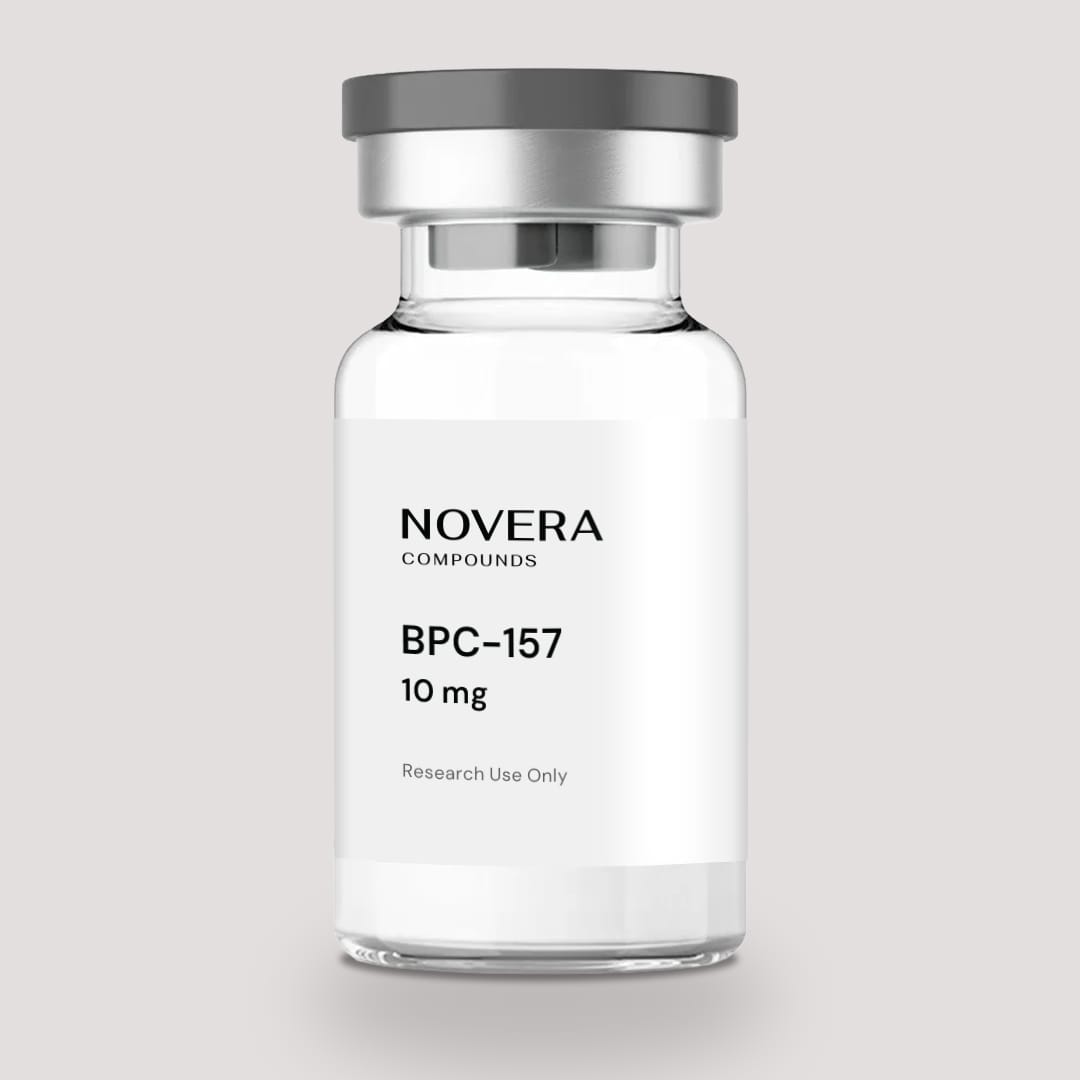
BPC-157
BPC-157 for Clinics: Ordering Requirements and Safety
Price range: $69.00 through $123.00
Description
This wholesale product page helps clinic teams assess how to order BPC-157 for professional practice use, including eligibility, sourcing, regulatory status, and safety review before procurement. It is an investigational synthetic peptide discussed in tissue repair and recovery settings, but it has no FDA-approved human indication and should not be treated as an over-the-counter wellness product. For licensed clinics and healthcare professionals.
How to Order BPC-157 for Clinics
Clinic purchasing should begin with regulatory fit, professional eligibility, and product-specific documentation. MedWholesaleSupplies supports licensed clinical accounts rather than consumer purchasers, so account review and professional-use context matter before any product is considered for practice inventory.
For peptide-related procurement, clinic teams should confirm who is authorized to evaluate the item, what internal approval is needed, and whether local rules permit possession or use. The Peptides category can help teams review related product listings, but each item still requires its own compliance check.
- Professional eligibility: Confirm clinic licensure and authorized staff responsibility.
- Regulatory review: Check federal, state, and professional-board requirements.
- Documentation: Retain product records, invoices, and lot details.
- Clinical governance: Use written protocols and adverse-event pathways.
Quick tip: Treat peptide procurement as a controlled clinical process, not a retail supplement purchase.
Product Overview and Indications
BPC-157 is a synthetic pentadecapeptide (15-amino-acid peptide) modeled from a sequence associated with gastric proteins. It is commonly discussed in regenerative, musculoskeletal, and soft-tissue recovery contexts because preclinical studies have explored cytoprotective effects (cell-protecting actions), angiogenesis (new blood vessel formation), and tissue-repair signaling.
These research findings do not establish an approved indication, patient benefit, labeled route, or standardized dose for human use. Unlike a medicine with FDA-approved prescribing information, BPC 157 does not have a recognized human label defining indications, contraindications, dosing, or monitoring. It is also not a growth hormone, and it should not be described as one in patient-facing materials.
Why it matters: Preclinical interest does not replace labeled evidence, consent, or professional risk review.
Eligibility and Ordering Requirements
Before BPC-157 is added to a clinic purchasing file, the facility should define its intended professional-use category and determine whether the product can be held or used under applicable law. Eligibility may involve clinic licensure, proof of professional status, facility details, and confirmation that the product is being evaluated for legitimate practice operations.
Internal controls should identify the medical director, prescribing or supervising clinician where applicable, storage lead, and staff member responsible for receiving records. If a protocol is investigational, research-based, or outside an approved label, the clinic should document the rationale, patient-selection limits, consent language, and escalation steps for unexpected symptoms.
- Account records: Maintain clinic and professional credentials.
- Product records: Keep lot, batch, and source documentation.
- Protocol records: Define eligibility, exclusions, and follow-up.
- Patient records: Document consent and monitoring when used clinically.
Prescription, Pricing and Access
Access rules for peptides can differ by jurisdiction and by intended use. Some products may require a prescription, research framework, or other professional authorization, while others may be restricted from certain uses. Supply channels are vetted and verified before products are listed for clinics, but that does not remove the clinic’s obligation to evaluate local law and clinical governance.
Wholesale purchasing details can depend on account eligibility, product status, and current documentation. This page does not provide consumer pricing, insurance guidance, or claims of lawful use in every setting. Clinic teams should review the product file, the certificate of analysis if supplied, and any applicable professional-board guidance before finalizing inventory decisions.
Forms, Strengths, and Packaging
The current BPC-157 product record does not specify a strength, route, vial size, concentration, or package count in the supplied data. Clinics should verify the active ingredient, form, quantity, sterility status, excipients, and packaging before procurement. Do not assume 5 mg or 10 mg formats are available unless current product documentation lists them.
| Common market descriptor | Clinic verification point |
|---|---|
| bpc 157 powder or lyophilized vial | Confirm sterility status, reconstitution instructions, and storage conditions. |
| oral bpc 157 capsules or tablets | Review excipients, strength, and whether the format is appropriate for the intended setting. |
| bpc 157 injectable or injection format | Verify route, aseptic handling requirements, and whether a sterile product file exists. |
| bpc 157 nasal spray or topical cream | Check route-specific labeling, container integrity, and beyond-use limits. |
Descriptions found in the broader market are not confirmation of this item’s available configuration. Packaging should be matched against the actual product record, invoice, and any supplier-provided quality documents.
Administration and Use in Practice
No patient-specific dosing guidance is provided here. Administration, if legally and clinically appropriate, should follow the product documentation, institutional protocol, and the responsible clinician’s scope of practice. For any injectable BPC 157 product, aseptic technique, sharps handling, and sterile preparation controls are essential.
For oral, nasal, or topical formats, route-specific questions remain important. The clinic should verify whether the formulation is intended for professional administration, patient self-administration under supervision, or research handling only. Procedural services that involve intradermal or aesthetic-product workflows may also require separate review; the Mesotherapy category is a useful navigation hub for comparing procedural product types.
Clinical teams should avoid extrapolating animal-study dosing, fitness-forum protocols, or supplement-label claims into patient care. Any use should be supported by documented rationale, informed consent, and a monitoring plan.
Storage, Handling, and Clinic Logistics
Storage requirements must come from the current product label, package insert if supplied, certificate of analysis, or distributor documentation. Peptide products may be sensitive to temperature, light, moisture, or reconstitution technique, but assumptions should not replace lot-specific instructions.
Receiving staff should inspect packaging integrity, match the product against purchase records, and document lot numbers before the item enters inventory. If refrigeration, freezing, or room-temperature storage is specified, the clinic should use calibrated equipment and maintain logs consistent with internal policy.
- Before receipt: Confirm storage capacity and responsible staff.
- At receipt: Record lot, expiry, and packaging condition.
- During storage: Monitor temperature and access controls.
- Before use: Check appearance, labeling, and expiration.
Contraindications, Warnings, and Monitoring
BPC-157 should be treated as an investigational peptide with incomplete human safety data. Because no FDA-approved label defines contraindications, the absence of labeled restrictions should not be interpreted as evidence of safety. Caution is especially important for pregnant or lactating patients, pediatric patients, people with active malignancy, and patients with complex immune, renal, hepatic, or cardiovascular disease.
Monitoring should be tailored to the protocol and patient risk profile. A clinic may consider baseline history, medication review, allergy history, renal and hepatic context, infection risk, and documentation of treatment goals. Athletes may also need anti-doping review because peptide use can raise eligibility concerns in regulated sport.
When serious or unexpected symptoms occur, the product should be held according to clinic policy while the responsible clinician evaluates the patient. Adverse-event documentation should include lot number, timing, route, concurrent medicines, and clinical outcome.
Adverse Effects and Safety
Human adverse-effect data are limited and not standardized across formulations. Reported or plausible concerns around peptide use can include injection-site pain, irritation, bruising, rash, headache, nausea, dizziness, fatigue, or unexpected systemic symptoms. Sterile-compounding or injection-related risks may include contamination, infection, abscess, and local tissue injury if handling is poor.
Serious reactions require prompt clinical assessment. These may include hypersensitivity, breathing difficulty, severe swelling, fever, neurologic symptoms, worsening pain, or signs of infection. Clinics should not reassure patients with fixed timelines for benefit, because response time and effectiveness have not been established in approved human labeling.
Safety communication should be direct and balanced. Patients should understand the investigational status, the limits of available human evidence, and the difference between preclinical findings and proven clinical outcomes.
Drug Interactions and Cautions
Formal interaction data are limited. Clinics should review concurrent medicines, supplements, biologics, anticoagulants, antiplatelet therapy, immunosuppressants, hormone-related therapies, and other peptides before considering use. The review should also include allergies, prior injection reactions, surgical plans, and wound-healing concerns.
Care is needed when multiple investigational products are combined. A bpc peptide blend may change the adverse-event profile, make causality harder to interpret, and complicate informed consent. If other therapies are being used for pain, inflammation, or tissue injury, the clinician should document why the peptide is being considered and what alternatives were reviewed.
Compare With Alternatives
This peptide is often searched alongside other regenerative or musculoskeletal products, but alternatives are not interchangeable. The right comparison depends on diagnosis, evidence level, approved indication, route, and clinic capability.
| Option type | How clinics may compare it |
|---|---|
| Other peptide products | TB 500 and KPV are separate peptide listings with different proposed rationales and risk questions. |
| Orthopedic injection resources | Orthopedic Injections, Euflexxa Injections, and Durolane Injection discuss labeled viscosupplementation pathways for knee osteoarthritis. |
| Additional joint-care context | Orthovisc Knee Injections can help teams distinguish approved joint-injection categories from investigational peptide discussions. |
Comparisons should avoid broad claims such as faster recovery or superior healing unless supported by high-quality clinical evidence for the specific product, route, and patient population.
Availability and Substitutions
Availability can change based on supplier documentation, regulatory review, lot status, and clinic eligibility. A product that appears similar by name may differ in form, strength, sterility, excipients, storage conditions, and intended professional use.
Substitutions should not be automatic. Clinics should review the product record, any certificate of analysis, labeling, and protocol fit before replacing one peptide product with another. Combination products require extra scrutiny because multiple active ingredients can create different monitoring and consent requirements.
Authoritative Sources
The following sources provide context on the evidence base, safety concerns, and regulatory issues surrounding BPC 157. They should support, not replace, clinic-specific legal and medical review.
- Evidence context: PubMed review of BPC 157 evidence and risks.
- Athlete safety context: USADA notes on the experimental peptide.
- Regulatory context: OPSS summary of unapproved drug concerns.
Clinic teams should confirm receiving capacity before transfer, including temperature-controlled handling when required and tracked US delivery.
This content is for informational purposes only and is not a substitute for professional medical advice.
Frequently Asked Questions
What does BPC-157 do to the body?
BPC-157 is a synthetic peptide studied mainly in laboratory and animal models for tissue repair, inflammation, and blood-vessel signaling. Those findings do not prove the same effects in people. It has no FDA-approved human indication, and benefits, dose, route, and safety profile are not established through approved labeling. Clinics should describe it as investigational and avoid promising recovery, pain relief, or healing outcomes.
Is BPC-157 a growth hormone?
No. BPC-157 is not growth hormone and should not be presented as one. It is a peptide, meaning a short chain of amino acids. Some research discusses pathways related to repair or signaling, but that does not make it a hormone replacement product or an approved endocrine therapy. Any patient discussion should separate proposed mechanisms from proven clinical uses and labeled indications.
How long does BPC-157 take to work?
There is no established, label-supported timeline for BPC-157 response in humans. Search results and anecdotal reports often mention days or weeks, but those claims are not a substitute for controlled clinical evidence. If a clinician uses an investigational peptide protocol where permitted, expected monitoring points, stop criteria, and outcome measures should be documented before treatment begins.
Is BPC-157 hard on the kidneys?
Kidney safety is not well defined because robust human safety data are limited. That does not mean kidney risk is absent. Patients with kidney disease, complex medication regimens, dehydration risk, or systemic illness require careful clinical review before any investigational peptide is considered. Monitoring may include medical history, renal context, concurrent drugs, and documentation of any new urinary, swelling, blood pressure, or systemic symptoms.
What should be reviewed with a clinician before peptide treatment?
The review should cover regulatory status, why the peptide is being considered, evidence limits, alternatives, source documentation, route, sterility, monitoring, and stop criteria. Patients should also disclose medicines, supplements, allergies, pregnancy status, kidney or liver disease, cancer history, immune conditions, and athletic eligibility requirements. Clinics should retain protocol notes, consent language, product lot details, and adverse-event documentation.
Specifications
- Main Ingredient:
- Manufacturer:
- Drug Class:
- Generic Name:
- Package Contents:
- Storage Requirements:
- Main Usage:
Here to help
Questions about ordering, delivery or products? You can email our team here or call now at 1-800-630-9757 and be connected with your dedicated Account Manager
Related Products
Juvéderm® SKINVIVE
Dermal Filler
$339.00 - $359.00
$116.00 - $119.00
$96.00
Select options
This product has multiple variants. The options may be chosen on the product page
$120.00 - $123.00
Related Articles
Treatment of Post Menopausal Osteoporosis in Clinical Practice
Treatment of post menopausal osteoporosis combines fracture-risk assessment, bone-supportive lifestyle measures, and pharmacologic therapy when…
What Is the Difference Between Zepbound and Wegovy for Clinics
When clinics ask what is the difference between zepbound and wegovy, the short answer is…
Two Layers of the Dermis: Structure and Clinical Context
The two layers of the dermis are the papillary dermis and the reticular dermis. The…
Signs Nexplanon Is Wearing Off: What Clinicians Should Review
When people ask about signs nexplanon is wearing off, the short answer is that symptoms…
Nexplanon Irregular Bleeding After 2 Years: Clinical Review
Nexplanon irregular bleeding after 2 years can still be a medication-related bleeding-pattern change. It does…
Kyleena vs Liletta: Duration, Device Profile, and Clinical Fit
Kyleena vs Liletta is mainly a comparison of total levonorgestrel content, labeled duration, device profile,…
What Are Osteoporosis Medications? Classes, Risks, and Monitoring
What are osteoporosis medications? They are prescription therapies used to lower fracture risk by slowing…
First Period After Stopping Depo-Provera: What to Expect
The first period after stopping depo-provera is often delayed and irregular. That is expected because…