

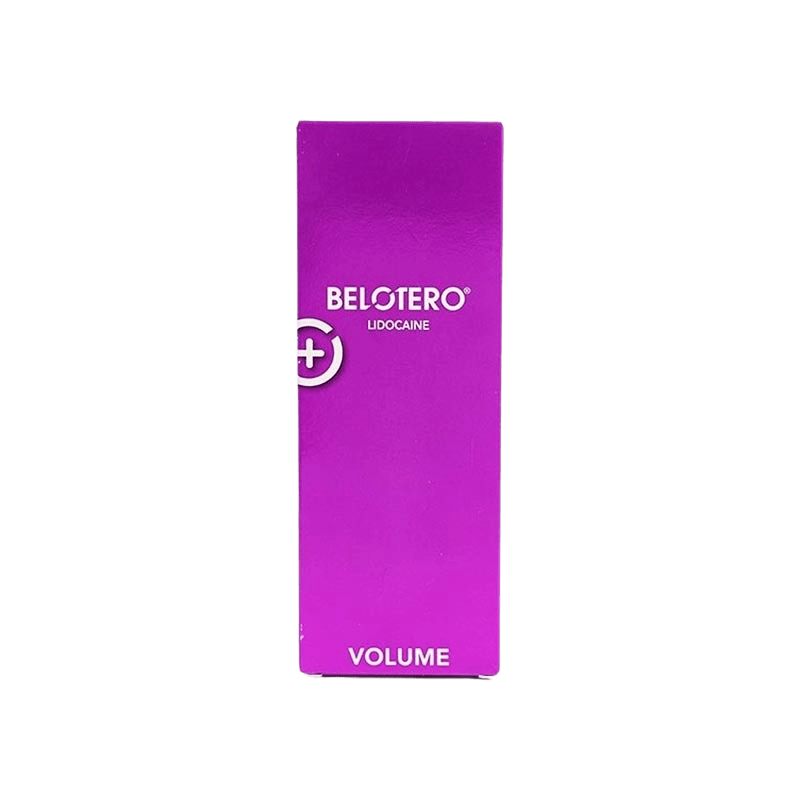
Belotero® Volume w/ Lidocaine
Order Belotero® Volume w/ Lidocaine for Clinics
Aesthetic Surgery Product
$349.00
You save (%)
Description
Belotero® Volume w/ Lidocaine is a sterile, injectable hyaluronic acid dermal filler for professional facial volume augmentation and contour support. Licensed clinics and healthcare professionals can order the 2 x 1 mL prefilled syringe pack for treatment-room use, with cross-linked sodium hyaluronate 26 mg/mL and lidocaine 3 mg/mL. The format supports planned inventory for midface and chin protocols in aesthetic medical settings.
Med Wholesale Supplies serves licensed clinics, med spas, and healthcare professionals procuring brand-name medical products through vetted distributor channels. This Belotero Volume w/ Lidocaine presentation is intended for qualified injectors who can assess anatomy, choose injection technique, document lot details, and manage post-procedure monitoring according to professional training.
Belotero Volume w/ Lidocaine Price and Clinic Ordering
Clinic teams can sign in to view current Belotero Volume Lidocaine price information, pack availability, and account-specific purchasing terms. The commercial decision usually centers on procedure mix, expected syringe use per treatment day, injector preference, and whether the integrated anesthetic fits the clinic’s workflow.
When you buy Belotero Volume with Lidocaine for a practice, align quantities with scheduled treatment blocks rather than ordering around single appointments only. This helps purchasing staff manage lot tracking, expiry rotation, and room setup while reducing last-minute product substitutions. For broader filler planning, the dermal fillers category can help teams view adjacent HA products by brand and presentation.
Quick tip: Record the lot number and expiration date in the patient chart at the time of treatment, using the labels provided with each unit.
Professional Use and Treatment-Room Fit
Belotero® Volume w/ Lidocaine is an injectable, resorbable hyaluronic acid implant formulated for professional aesthetic use. In clinic workflows, it is selected for facial volume augmentation, contour support, malar volume restoration, and chin projection where a volumizing HA gel is appropriate for the anatomy and treatment plan.
The product’s cohesive, cross-linked hyaluronic acid matrix is designed to provide structural support while remaining moldable after placement. This balance matters in areas where injectors want lift, contour continuity, and the ability to shape the gel after injection. The integrated lidocaine may contribute to procedural comfort and can reduce the need for separate local anesthetic steps in some workflows.
Injection depth, injection plane, volume placement, and cannula or needle approach should reflect clinician training, patient anatomy, tissue quality, and the current professional instructions for use. Treatment should be performed only by qualified healthcare professionals who are trained in dermal filler anatomy, vascular risk recognition, aseptic technique, and management of filler-related complications.
Composition, Strength, and Pack Details
The pack presentation contains 2 x 1 mL prefilled syringes. Each sterile syringe contains cross-linked sodium hyaluronate 26 mg/mL, lidocaine 3 mg/mL, and phosphate buffer at approximately pH 7. The labeled concentrations allow clinical staff to verify the intended preparation before room setup and administration.
| Attribute | Clinic-relevant detail |
|---|---|
| Product name | Belotero® Volume w/ Lidocaine |
| Primary component | Cross-linked sodium hyaluronate 26 mg/mL |
| Anesthetic component | Lidocaine 3 mg/mL |
| Buffer | Phosphate buffer, approximately pH 7 |
| Pack format | 2 x 1 mL prefilled syringes |
| Reference SKU | 87898 |
The 1 mL syringe format supports precise treatment planning across midface and chin procedures. Clinics commonly standardize syringe counts by indication, injector technique, and appointment length, while keeping final product selection tied to clinical assessment.
How the HA Gel Supports Volume and Contour
Hyaluronic acid fillers work by placing a gel implant within soft tissue to restore or enhance structure. Belotero Volume filler with Lidocaine uses a cohesive HA matrix that resists deformation while allowing shaping after placement. In practice, this can help support cheek projection, smooth transitions from the zygomatic region into the anterior cheek, and refine chin contour.
The gel is resorbable, meaning it is gradually metabolized by the body over time. Duration varies by patient, treatment area, injection technique, metabolism, and amount placed. Follow-up timing should be set by the treating professional, especially when staged treatments, symmetry assessments, or combination protocols are part of the plan.
For teams reviewing filler selection by rheology and facial zone, the article on types of dermal fillers for facial volume rejuvenation offers useful context on how gel properties influence product choice. Internal clinical protocols should still govern final selection and administration.
Key Features for Clinic Workflows
- Cohesive, cross-linked HA gel designed for structural support.
- Lidocaine 3 mg/mL included for comfort-focused procedures.
- Sterile prefilled syringes support efficient room preparation.
- 2 x 1 mL pack format supports predictable inventory planning.
- Phosphate-buffered formulation at approximately neutral pH.
- Moldable consistency allows post-placement shaping by trained injectors.
- Unit labeling supports lot, expiry, and traceability documentation.
- Resorbable implant designed for gradual breakdown in soft tissue.
These features make the product practical for aesthetic practices that separate volumizing, contouring, and superficial refinement products within their formulary. Standardizing which clinicians use which filler, in which facial zones, can improve training consistency and purchasing accuracy.
Benefits in Practice
Belotero Volume with Lidocaine 1ml syringes fit established aesthetic workflows where providers need controlled placement, moldability, and a volumizing HA profile. The integrated anesthetic can simplify setup for appropriate patients, while the sterile prefilled format helps staff prepare treatment rooms efficiently.
Clinics may use this product as part of a broader HA filler portfolio rather than as a single solution for every facial concern. Volume restoration, contour definition, and fine-line blending often require different gel characteristics. For brand-specific planning, the Belotero brand selection can help purchasing teams align filler types with injector protocols.
- Supports midface volume planning and chin contour workflows.
- Helps reduce additional anesthetic preparation in suitable cases.
- Provides consistent labeled strength for procurement records.
- Allows clinics to coordinate filler inventory across providers.
- Supports documentation through visible lot and expiry information.
- Pairs logically with refinement and contour-focused HA fillers.
Safety, Reactions, and Professional Precautions
Dermal filler procedures require careful patient selection, aseptic technique, and knowledge of facial vascular anatomy. Expected local reactions may include irritation, swelling, itching, redness, tenderness, bruising, or discomfort at the injection site. These reactions are usually considered in post-treatment counseling and follow-up planning.
Serious complications can occur with injectable fillers, including vascular compromise, tissue injury, infection, inflammatory reactions, nodules, or visual symptoms if material enters or compresses blood vessels. Clinics should maintain protocols for urgent assessment, appropriate escalation, and use of reversal agents when clinically indicated for hyaluronic acid filler complications.
Because this preparation contains lidocaine, clinicians should assess allergy history and relevant sensitivity to amide-type local anesthetics. Product use should be avoided when professional instructions, patient history, infection at the injection site, or clinical judgment indicate that treatment is not appropriate. Patients receiving anticoagulants, antiplatelet therapy, or agents that increase bruising risk may require additional procedural planning by the treating professional.
Do not mix this filler in the syringe with other injectable products unless the official instructions and trained clinical protocol support that practice. Hyaluronidase is commonly used by trained clinicians to dissolve hyaluronic acid filler when medically appropriate, but mixing hyaluronidase with lidocaine or filler is a clinical technique decision that should be governed by local protocol, product instructions, and injector training. Likewise, botulinum toxin products should not be mixed casually with lidocaine or fillers; combination treatment plans require separate product handling and professional judgment.
Handling, Storage, and Documentation
Maintain sterile handling throughout receipt, storage, room setup, and administration. Staff should inspect packaging, confirm the product name and concentrations, verify expiration dating, and document lot information before use. Do not use a unit if sterile packaging is compromised or if the product appearance raises concern under clinic policy.
Inventory managers should rotate stock by expiry date and keep filler units organized by brand, concentration, lidocaine status, and intended treatment role. Clear storage bins or electronic inventory tags can reduce room-selection errors when similar Belotero presentations are stocked together.
Our logistics process supports temperature-controlled handling when required and tracked US delivery. Receiving staff should reconcile delivered quantities against the purchase record, then move units into the appropriate storage area according to the product’s instructions and clinic policy.
Comparable Belotero and HA Filler Choices
Belotero Volume w/ Lidocaine is one part of a broader filler portfolio. If a non-lidocaine volumizing format is preferred for a specific protocol, clinics may evaluate Belotero Volume. The active product choice should reflect injector preference, patient suitability, and whether integrated anesthetic is desired.
For deeper folds or a different handling profile within the same brand family, Belotero Intense w/ Lidocaine may be considered if it matches the anatomic target and technique. For more superficial refinement needs, teams can review Belotero Balance with Lidocaine or Belotero Soft w/ Lidocaine as part of a tiered HA approach.
Practices that maintain multiple filler lines may also evaluate volumizing alternatives such as Juvederm Voluma with Lidocaine. Cross-brand substitution should be deliberate, because gel firmness, cohesivity, lift capacity, syringe feel, and approved or intended treatment areas can differ meaningfully.
Portfolio Planning for Licensed Practices
Order Belotero Volume with Lidocaine when your clinic needs a volumizing HA filler with integrated anesthetic and a 2 x 1 mL syringe pack. Purchasing managers can align the product with procedure forecasts, provider schedules, and stock rotation needs. Secure checkout and account-based purchasing support clinic procurement without shifting responsibility away from injector judgment.
For training and formulary discussions, the article on Belotero filler in aesthetic practice can support internal education around the brand family. Clinics discussing comfort-focused procedures may also find the article on lidocaine in dermal filler procedures helpful for staff-level context.
When multiple locations share purchasing responsibilities, standardize product names, strengths, and pack formats in requisition templates. This reduces confusion between similar HA filler syringes and helps clinical leads approve carts based on the intended procedure mix.
Authoritative Sources
- FDA: Dermal Fillers and Soft Tissue Fillers
- Merz Aesthetics: Belotero Portfolio
- American Society of Plastic Surgeons: Dermal Fillers Overview
This content is for informational purposes only and is not a substitute for professional medical advice.
Frequently Asked Questions
Does Belotero® Volume w/ Lidocaine contain lidocaine?
Yes. The listed composition includes lidocaine 3 mg/mL with cross-linked sodium hyaluronate 26 mg/mL in a phosphate-buffered formulation. Clinics should still assess patient history for relevant anesthetic sensitivity before treatment.
How can clinics view Belotero Volume Lidocaine cost?
Licensed clinic accounts can sign in to view current pricing and purchasing terms. Cost planning should consider syringe use per procedure, appointment volume, provider preference, and whether the 2 x 1 mL pack fits scheduled treatment blocks.
What areas is this filler commonly selected for?
Clinicians select Belotero® Volume w/ Lidocaine for professional facial volume augmentation and contour support, including midface, malar, and chin workflows when appropriate for the patient’s anatomy and treatment plan.
Can hyaluronidase or botulinum toxin be mixed with lidocaine or filler?
Do not mix products casually in the same syringe. Hyaluronidase use, lidocaine use, and botulinum toxin procedures should follow official instructions, clinic protocol, and trained clinician judgment. Combination treatment plans usually require separate product handling.
What documentation should staff keep after treatment?
Clinics should document the product name, lot number, expiration date, treatment area, amount used, injector, and any immediate observations according to their medical record procedures and professional requirements.
Specifications
- Main Ingredient: Hyaluronic Acid
- Manufacturer: Merz
- Drug Class: Aesthetic Surgery Product
- Generic Name: Dermal Filler
- Package Contents: 1 mL x 2 Pre-Filled Syringes
- Storage Requirements: Room Temperature (2℃~25℃)
- Main Usage: Volume Filler
About the Brand
Belotero
Belotero is a coveted medicinal brand known for its varied line-up of dermal fillers, designed to cater to different skin issues. From diminishing wrinkles and lines to reviving facial volume, Belotero's offerings are engineered to give a natural appeal. Such dermal fillers comprise hyaluronic acid, a naturally occurring substance within the body, resulting in perfectly blendable fillers that work harmoniously with the skin to provide enduring outcomes. We at Med Wholesale Supplies take immense pride in retailing Belotero products at competitive rates. Our user-friendly digital platform, medwholesalesupplies.com, offers a secure and simplified method to buy these dermal fillers. Purchasing directly from us not only saves time and money for healthcare professionals, but also validates the genuineness and grade of the Belotero items in possession. Coupled with swift shipping and exceptional customer care, we are committed to delivering a hassle-free online shopping encounter for medical professionals. When ordering Belotero through medwholesalesupplies.com, healthcare practitioners can effortlessly replenish their clinic and office supplies. Our dynamic inventory management software ensures consistent tracking of stock quantities, facilitating easy reordering and steady availability of Belotero products. By joining forces with us, healthcare providers can be assured of constant access to the trustworthy Belotero brand, thus guaranteeing their patients receive top-notch care.
Browse Belotero Products
Here to help
Questions about ordering, delivery or products? You can email our team here or call now at 1-800-630-9757 and be connected with your dedicated Account Manager
Related Products
$339.00
You save (%)
You save (%)
Select options
This product has multiple variants. The options may be chosen on the product page
Juvéderm® SKINVIVE
Dermal Filler
$339.00 - $359.00
You save (%)
You save (%)
$86.00 - $119.00
You save (%)
You save (%)
$72.00
You save (%)
You save (%)
Select options
This product has multiple variants. The options may be chosen on the product page
Related Articles
Hyaluronidase in Aesthetic Practice: Safety and Workflow
Hyaluronidase is an enzyme that breaks down hyaluronic acid, a water-binding molecule found in skin,…
Jawline Filler in Aesthetic Care: Safety and Workflow
Jawline filler is a nonsurgical dermal filler approach used to refine lower-face contour, support the…
Dermal Fillers Before and After: Assessing Results
Dermal fillers before and after review should show whether an injectable treatment produced a visible,…
Elasticity of the Skin: Assessment and Treatment Planning
Elasticity of the skin is the skin’s ability to stretch, resist deformation, and return toward…
How Long Does Mirena Last? Duration, Labeling, and Workflow
Mirena is labeled to prevent pregnancy for up to 8 years, but its labeled duration…
Is Evenity a Bisphosphonate? Drug Class and Care Context
No. If you are asking is evenity a bisphosphonate, the short answer is no. Evenity…
What Causes Double Chin? Clinical Drivers and Red Flags
The main causes double chin presentations reflect are usually submental fat, inherited facial anatomy, chin…
Skyla Vs Kyleena: Differences That Matter in IUD Selection
In a Skyla vs Kyleena comparison, the main operational difference is duration on the label:…