

$299.00
You save (%)
Description
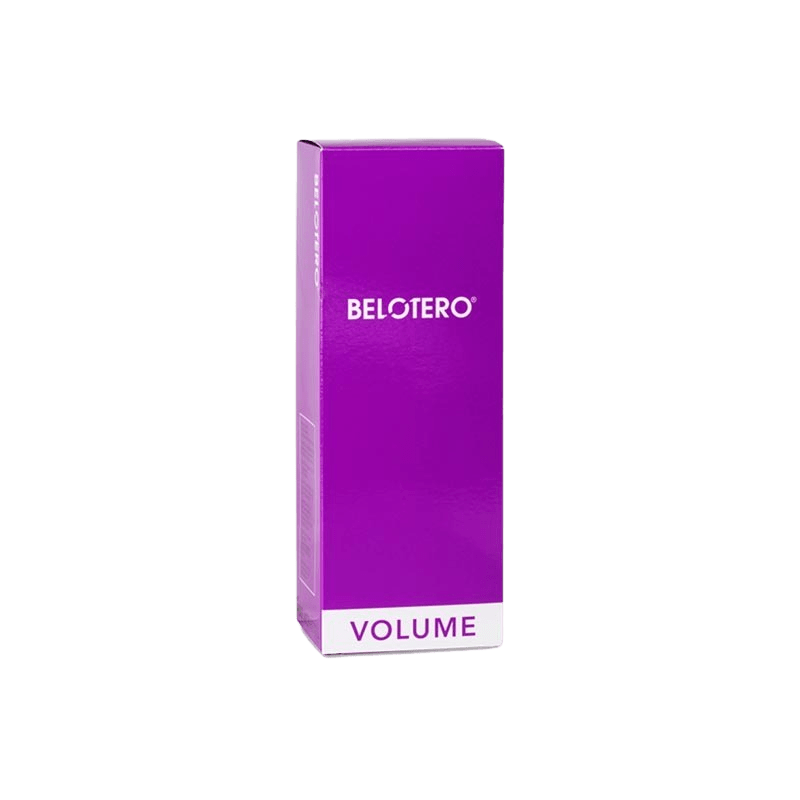
Belotero® Volume is a cross-linked hyaluronic acid dermal filler used by trained healthcare professionals for structural facial volumization. Licensed clinics can order the 26 mg/mL Belotero® Volume dermal filler in a 2 x 1 mL prefilled syringe presentation for cheek and chin augmentation protocols. Its cohesive gel is designed for deep dermal to subcutaneous placement according to injector training, anatomy, and local product labeling.
This injectable implant fits aesthetic practices that need a structured HA filler for midface support, lower-face contour planning, and treatment-room inventory standardization. It is supplied for professional administration only, with sterile single-patient components and labeling that supports lot, expiry, and intake documentation.
Clinic Price, Strength, and Ordering Context
Sign in to view current Belotero Volume price information for your clinic account, including any available professional purchasing terms. The supplied concentration is 26 mg/mL, and the current presentation is 2 x 1 mL prefilled syringes. Use the labeled concentration, syringe count, and lot details when aligning inventory with scheduled treatment blocks.
Belotero Volume cost planning should account for the number of treatment rooms, injector preference, anticipated patient mix, and whether the practice uses separate products for hydration, fine-line refinement, or dynamic facial zones. Because treatment protocols vary, your clinical lead should decide how many syringes to allocate per appointment type and how much buffer stock to maintain.
Orders are released through professional account workflows for licensed clinics and healthcare professionals. Our team may review clinic documentation before processing, then coordinate reliable US logistics with temperature-controlled handling when required and tracked US delivery.
What It Is and How the Gel Works
Belotero® Volume is a resorbable hyaluronic acid implant. Hyaluronic acid is a water-binding polysaccharide naturally present in skin and connective tissue. In dermal fillers, cross-linking creates a gel network that can provide shape, projection, and tissue support after injection.
The formulation contains cross-linked sodium hyaluronate 26 mg/mL in a phosphate buffer near physiologic pH. Its cohesive matrix is intended to maintain contour while integrating with surrounding tissue planes. This balance helps trained injectors create lift in the malar region, refine the chin, and manage transitions between treated and untreated areas.
The product is part of the broader Belotero portfolio. Clinics that use multiple Belotero fillers can review the Belotero brand range to distinguish structural volumizers from products designed for different tissue depths or treatment objectives. For class-level context on gel selection, our clinical article on Belotero filler technique considerations outlines how HA products may be matched to facial zones.
Professional Applications in Aesthetic Practice
Clinics commonly use this product in volumization plans for the cheeks and chin. In the midface, it may support zygomatic and malar contour where projection is desired. In the lower face, it can be considered for chin definition or pre-jowl support when an injector’s assessment indicates that added structure is appropriate.
Belotero Volume filler is not a one-size-fits-all filler for every facial area. It is generally positioned as a structural product rather than a superficial fine-line filler. For lips, perioral detail, or fine etched lines, clinics should choose a product specifically suited to the tissue plane, movement pattern, and desired correction. Treatment planning should follow training, local labeling, and individualized anatomical evaluation.
Practices may combine structural volumization with skin-quality sessions on separate visits. For hydration-focused protocols, Belotero® Revive may be reviewed as an adjacent option. For broader replenishment planning across filler categories, browse the dermal fillers category.
Key Features for Treatment-Room Workflow
- 26 mg/mL cross-linked sodium hyaluronate for structural HA volumization.
- 2 x 1 mL prefilled syringe presentation for clinic inventory planning.
- Cohesive gel designed to support cheek and chin contouring techniques.
- Single-patient sterile configuration for professional administration.
- Readable lot and expiry information for intake, traceability, and stock rotation.
- Resorbable HA matrix, with reversibility considerations managed by trained clinicians when appropriate.
- Designed for deep dermal to subcutaneous placement according to anatomy and technique.
Quick tip: Record lot, expiry, injector, anatomical site, and syringe allocation in the treatment record before the room is reset.
Composition and Ingredient Details
| Component | Supplied detail |
|---|---|
| Active material | Cross-linked sodium hyaluronate |
| Concentration | 26 mg/mL |
| Buffer | Phosphate buffer pH 7 q.s. |
| Presentation | 2 x 1 mL prefilled syringes |
This product should be administered only by trained clinicians familiar with facial anatomy, vascular risk, aseptic technique, injection depth, and adverse-event management. Confirm the immediate carton and syringe labeling before use, because packaging components and accessory details should always be verified at chairside.
The keyword term Belotero Volume with Lidocaine often refers to a separate presentation in the same product family. If your clinic specifically requires lidocaine in the formulation, review Belotero® Volume with Lidocaine and confirm that the selected item matches your protocol.
Handling, Storage, and Inventory Control
Keep unopened units in secure clinical storage according to the manufacturer’s recommendations on the carton and immediate label. Inspect the outer carton and device packaging at intake, then quarantine any unit with compromised sterile integrity, unreadable labeling, or an unexpected temperature-handling concern until your clinic completes its internal review.
Separate opened and unopened materials, and discard used syringes, needles, cannulas, and contaminated accessories through appropriate sharps and biohazard pathways. Stock should be rotated by expiry date, with high-use treatment rooms replenished from controlled storage rather than informal room-to-room transfers.
For multi-location groups, allocate inventory by site, injector schedule, and expected procedure mix. Centralized purchasing can reduce last-minute transfers, while room-level par counts help staff identify when volumizing products, fine-line fillers, and hydration products need different reorder timing.
Safety, Precautions, and Expected Responses
Hyaluronic acid fillers can cause expected transient injection-site responses. These may include swelling, redness, bruising, itching, tenderness, mild irritation, or localized discomfort. Most routine reactions are managed through clinic aftercare protocols, but staff should educate patients on warning signs that require prompt clinical evaluation.
Serious filler-related complications can occur, including vascular compromise, tissue injury, infection, nodules, hypersensitivity reactions, and visual symptoms if material enters or compresses a blood vessel. Injection should be avoided in areas with active infection or inflammation, and clinicians should consider allergy history, prior filler placement, anticoagulant use, recent procedures, and relevant medical conditions before treatment.
Emergency preparedness matters for every injectable session. Clinics should maintain current protocols for vascular occlusion recognition, escalation pathways, hyaluronidase access when appropriate for HA filler management, and documentation of adverse events. Training and local labeling should guide needle or cannula selection, aspiration practices, injection volume, and depth.
How Quickly Results Are Seen and How Long They May Last
Volume change from HA filler is typically visible soon after placement, although swelling, bruising, and tissue settling can affect the early appearance. Clinics often schedule follow-up assessment after the acute post-injection period so the injector can evaluate contour, symmetry, and whether staged refinement is appropriate.
Duration varies by anatomy, injection depth, facial movement, product amount, metabolism, and the treatment plan. Avoid promising a fixed duration to patients; instead, document the product used, site, amount, and response so future maintenance planning is based on the patient’s prior clinical course.
For practitioner education around volumizing plans, the article on Belotero® Volume treatment planning discusses contour goals and facial-volume concepts. Broader planning considerations are covered in facial volume rejuvenation with dermal fillers.
Comparable Belotero Options
Belotero® Volume is generally selected when a clinic needs structural support. Other Belotero products may be more appropriate when the treatment goal involves pronounced contouring, fine-line blending, or different tissue behavior. Product selection should be based on the target area, depth, rheology, injector training, and the patient’s anatomy.
For stronger contouring needs in appropriately selected cases, review Belotero® Intense. If your protocols use anesthetic-containing HA products, Belotero® Intense with Lidocaine may be relevant. For fine-line correction plans, Belotero® Balance with Lidocaine can be evaluated as a different tool within the same portfolio.
Clinics comparing Belotero® Volume with other HA brands should avoid reducing the decision to “better” or “worse.” Rheology, tissue integration, lifting capacity, injection plane, and injector familiarity all affect product choice. A clinic may stock more than one HA filler family when protocols require different handling properties.
Clinic Documentation and Ordering Workflow
Create or sign in to your professional account to place clinic orders and view account-specific purchasing details. Maintain current business and professional documentation so order release is not delayed by administrative follow-up. For larger teams, assign purchasing responsibility to staff who understand treatment schedules and storage requirements.
At receipt, match the shipment contents against the purchase record, record lot and expiry details, and store units according to the label. Before each session, confirm that the intended product, concentration, and syringe count match the treatment plan and consent documentation.
Why it matters: Consistent intake and chairside checks reduce inventory errors and support traceability if a patient follow-up or manufacturer inquiry occurs.
Authoritative Sources for Clinical Use
Injector training should rely on manufacturer literature, the product label, professional technique education, and regulator-published safety materials on dermal fillers. These sources are more appropriate than general consumer articles for decisions about injection depth, contraindications, adverse-event response, and patient selection.
Clinics should keep current copies of relevant instructions for use, internal protocols, and adverse-event procedures accessible to staff who prepare or administer HA fillers. Any substitution should be approved by the responsible clinician before it is used in a treatment room.
This content is for informational purposes only and is not a substitute for professional medical advice.
Frequently Asked Questions
What is Belotero® Volume used for in clinics?
Belotero® Volume is used by trained healthcare professionals for structural facial volumization, commonly including cheek and chin contour support. Treatment areas, depth, and technique should follow clinician training, anatomy, and local product labeling.
What presentation can clinics order?
The current clinic presentation is Belotero® Volume 26 mg/mL supplied as 2 x 1 mL prefilled syringes. Confirm the carton, syringe labeling, lot, and expiry details when receiving and preparing stock.
Is Belotero® Volume the same as Belotero® Volume with Lidocaine?
No. Belotero® Volume with Lidocaine refers to a lidocaine-containing presentation. If your protocol requires lidocaine, select the specific lidocaine product and verify the formulation before use.
How should clinics plan Belotero® Volume inventory?
Plan inventory around injector schedules, treatment-room usage, expiry rotation, and whether your clinic stocks separate products for hydration, fine lines, or dynamic areas. Record lot and expiry data at intake and in the treatment record.
What side effects should staff discuss before treatment?
Common transient responses may include swelling, bruising, redness, itching, tenderness, mild irritation, or localized discomfort. Clinics should also maintain protocols for rare but serious complications such as vascular compromise, infection, nodules, hypersensitivity, or visual symptoms.
How quickly are Belotero® Volume results visible?
Volume change is often visible soon after injection, but swelling and tissue settling can affect early assessment. Follow-up timing and any staged refinement should be determined by the treating clinician.
Specifications
- Main Ingredient: Hyaluronic Acid
- Manufacturer: Merz
- Drug Class: Aesthetic Surgery Product
- Generic Name: Dermal Filler
- Package Contents: 1 mL x 2 Pre-Filled Syringe
- Storage Requirements: Room Temperature (2℃~25℃)
- Main Usage: Volume Filler
About the Brand
Belotero
Belotero is a coveted medicinal brand known for its varied line-up of dermal fillers, designed to cater to different skin issues. From diminishing wrinkles and lines to reviving facial volume, Belotero's offerings are engineered to give a natural appeal. Such dermal fillers comprise hyaluronic acid, a naturally occurring substance within the body, resulting in perfectly blendable fillers that work harmoniously with the skin to provide enduring outcomes. We at Med Wholesale Supplies take immense pride in retailing Belotero products at competitive rates. Our user-friendly digital platform, medwholesalesupplies.com, offers a secure and simplified method to buy these dermal fillers. Purchasing directly from us not only saves time and money for healthcare professionals, but also validates the genuineness and grade of the Belotero items in possession. Coupled with swift shipping and exceptional customer care, we are committed to delivering a hassle-free online shopping encounter for medical professionals. When ordering Belotero through medwholesalesupplies.com, healthcare practitioners can effortlessly replenish their clinic and office supplies. Our dynamic inventory management software ensures consistent tracking of stock quantities, facilitating easy reordering and steady availability of Belotero products. By joining forces with us, healthcare providers can be assured of constant access to the trustworthy Belotero brand, thus guaranteeing their patients receive top-notch care.
Browse Belotero Products
Here to help
Questions about ordering, delivery or products? You can email our team here or call now at 1-800-630-9757 and be connected with your dedicated Account Manager
Related Products
JALUPRO® PLUS 4ML
Skin Rejuvenation Treatment
$86.00 - $89.00
You save (%)
You save (%)
$339.00
You save (%)
You save (%)
Select options
This product has multiple variants. The options may be chosen on the product page
Juvéderm® SKINVIVE
Dermal Filler
$339.00 - $359.00
You save (%)
You save (%)
$86.00 - $119.00
You save (%)
You save (%)
Related Articles
Prednisone in Clinical Care: Uses, Risks, and Monitoring
Prednisone is a prescription systemic corticosteroid used to reduce inflammation or suppress immune activity in…
Lip Fillers Swelling Stages: Timeline, Safety, and Follow-Up
Lip fillers swelling stages usually follow a short inflammatory course: swelling appears soon after injection,…
Hypopigmentation of the Skin: Assessment and Care
Hypopigmentation of the skin means one or more areas look lighter than the surrounding skin.…
Radiesse vs Sculptra: Selection Factors for Clinics
Radiesse vs Sculptra is best understood as a comparison between two collagen-stimulating injectables with different…
Hyaluronic Acid Under-Eye Filler: Safety and Workflow
Hyaluronic acid under-eye filler is an injectable soft-tissue filler used by trained aesthetic clinicians to…
Dermal Filler Types: Materials, Uses, and Clinic Fit
Dermal filler types are usually grouped by their base material, tissue behavior, and expected role…
What Is Dysport? Clinical Uses, Safety, and Workflow
For clinic teams asking what is Dysport, the short answer is simple: Dysport is a…
Biostimulators in Aesthetic Care: Selection and Safety
Biostimulators are injectable aesthetic products used to encourage a controlled tissue response, often involving new…