
Description
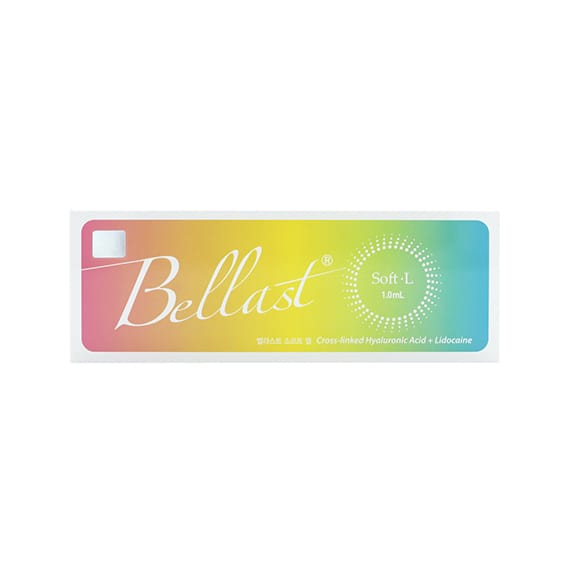
Bellast® Soft-L is a sterile hyaluronic acid dermal filler with lidocaine for intradermal administration by trained healthcare professionals. Licensed clinics can order Bellast Soft-L 1 mL in a single pre-filled syringe format for fine-line protocols, treatment-room allocation, and professional inventory documentation. The formulation combines crosslinked, non-animal hyaluronic acid 24 mg/mL with lidocaine 3 mg/mL for controlled placement and procedural comfort.
Bellast Soft-L Price and Professional Ordering
Bellast Soft-L price visibility is available to verified professional accounts. Clinics can sign in to view current account-specific cost, allocate the 1 mL syringe quantity needed for scheduled treatments, and coordinate replenishment across one or more locations. This wholesale ordering model helps purchasing teams align stock levels with aesthetic procedure volume without relying on consumer retail pathways.
Med Wholesale Supplies serves licensed clinics, med spas, and healthcare professionals with brand-name medical products sourced through vetted distribution channels. Order review may include professional-use requirements, shipping details, and product documentation needs for your clinic records. When handling conditions apply, orders may use temperature-controlled handling when required and tracked US delivery.
Quick tip: Match purchase quantities to booked procedures, staff protocols, and expected follow-up demand before placing a clinic order.
What Bellast Soft-L Is and How It Works
This preparation is a monophasic, biocompatible hyaluronic acid gel produced from non-animal HA by microbial biosynthesis. Monophasic means the gel has a single-phase consistency, which can support smooth extrusion and even distribution during superficial aesthetic refinement. The HA matrix is stabilized through a multi-reticulated, dual-polymerization process intended to balance controlled flow with cohesive placement.
The product is sterile and pyrogen-free, and it is intended for use by trained professionals in appropriate intradermal planes. Lidocaine is included in the formulation to improve procedural comfort during injection. The manufacturer’s specifications identify minimized residual BDDE and endotoxin control below 0.5 EU/mL, supporting predictable tolerability when used under standard clinic protocols.
Clinics evaluating Bellast Soft-L dermal filler often focus on syringe feedback, gel softness, and precision in small treatment areas. The preparation is positioned for subtle line refinement rather than broad volumizing decisions that require firmer or more lifting-focused gels. For category context across HA injectables, browse professional dermal fillers.
Professional Applications and Treatment-Room Fit
Clinicians use Bellast Soft-L filler in aesthetic workflows that call for delicate line refinement and soft contour smoothing. Common protocol planning may involve perioral or periocular areas, depending on clinical judgment, anatomy, injection depth, and patient-specific risk assessment. Technique selection, injection plane, device choice, and total volume remain the responsibility of the treating professional.
The gel’s smooth texture can suit microthreading, fine linear placement, or other careful techniques selected by the provider. In high-throughput practices, consistent extrusion may reduce interruptions during preparation and administration. The single 1 mL syringe also supports straightforward room allocation, lot capture, and chart documentation.
Bellast Soft-L is frequently assessed within a broader HA portfolio rather than as a stand-alone inventory decision. A clinic may keep softer gels for fine lines, firmer preparations for contour support, and adjacent lidocaine-containing products for comfort-oriented protocols. For more brand context, see the Bellast product family.
Key Features for Clinic Buyers
- Single-use, sterile pre-filled syringe for professional treatment settings.
- Pack format: Bellast Soft-L 1x1ml, supplied as one 1 mL syringe.
- Crosslinked hyaluronic acid concentration: 24 mg/mL.
- Lidocaine concentration: 3 mg/mL for procedural comfort.
- Monophasic gel consistency for smooth extrusion and even placement.
- Non-animal HA produced by biosynthesis.
- Multi-reticulated HA network designed for controlled viscosity.
- Pyrogen-free sterile gel manufactured for trained professional use.
- Endotoxin specification controlled below 0.5 EU/mL.
- Low residual BDDE through purification and manufacturing controls.
These attributes make Bellast Soft-L 1 mL practical for clinics that need a soft HA gel for refined corrections. The format also allows purchasing teams to plan stock by syringe count, rather than opening multi-syringe packs when procedure volume is variable.
Composition, Packaging, and Documentation
| Attribute | Clinic-relevant detail |
|---|---|
| Product type | Sterile hyaluronic acid dermal filler with lidocaine |
| HA concentration | 24 mg/mL crosslinked, non-animal hyaluronic acid |
| Lidocaine concentration | 3 mg/mL |
| Pack size | 1 mL × 1 pre-filled syringe |
| Use setting | Professional intradermal administration by trained clinicians |
| Manufacturing notes | Monophasic gel, pyrogen-free, minimized residual BDDE |
Lot number and expiration details appear on manufacturer labeling. Clinics should record these details according to internal documentation policies, treatment notes, and inventory traceability requirements. Maintaining accurate lot capture helps staff reconcile used units, rotate stock, and respond efficiently to any manufacturer communication.
Because the syringe is single use, staff should follow aseptic handling procedures and avoid reuse after administration. Product preparation should remain consistent with clinic protocols, manufacturer labeling, and professional training. For broader operational planning around injectables, the article on wholesale dermal fillers for aesthetic practices may help teams map category needs.
Benefits in Daily Aesthetic Workflows
Providers value Bellast Soft-L for controlled extrusion, a soft gel feel, and predictable syringe response. These features can be useful in facial areas where small adjustments matter and overcorrection is a concern. The monophasic texture supports continuous placement when the clinician is performing fine-line work that requires steady feedback.
Lidocaine integration may reduce the need for additional anesthetic steps in some routine cases, based on provider preference and patient tolerance. The low residual crosslinker specification and controlled endotoxin level support professional confidence in product consistency. These manufacturing details do not replace clinical assessment, but they are relevant when teams standardize procurement across multiple injectables.
Clinics also consider operational fit. A Bellast Soft-L syringe can be assigned to a specific treatment room, documented by lot, and incorporated into fine-line treatment templates. Practices building a complete HA range may also review education on hyaluronic acid in aesthetic medicine to support staff training and product discussions.
Safety, Contraindication Checks, and Professional Precautions
Dermal fillers require careful clinical screening, anatomical knowledge, and readiness to manage adverse events. Before treatment, providers should evaluate allergy history, prior filler use, active skin infection, inflammation at the injection site, bleeding risk, and any factors that may affect healing. Lidocaine content also makes local anesthetic sensitivity part of the pre-treatment assessment.
Expected post-injection effects for HA fillers can include temporary redness, swelling, tenderness, bruising, firmness, or localized discomfort. Serious complications are uncommon but may include infection, vascular compromise, tissue injury, nodules, inflammatory reactions, or visual symptoms if filler enters or compresses a vessel. Clinics should maintain protocols for urgent assessment, escalation, and use of appropriate reversal or complication-management measures when indicated by professional guidance.
Use should remain within the competence of licensed injectors trained in facial anatomy and filler complication management. Staff should inspect packaging integrity, confirm product identity, record the lot number, and avoid using any syringe with compromised sterility indicators. For general safety context from a regulator-backed source, the FDA provides patient and clinician information on dermal filler risks at FDA dermal filler safety information.
Storage, Handling, and Inventory Planning
Store and handle Bellast Soft-L according to manufacturer labeling and your clinic’s medical inventory procedures. Staff should keep the product in its original packaging until use, protect sterility, and rotate stock by expiration date. A designated inventory log can help reconcile received units, assigned syringes, and completed treatment documentation.
For multi-site groups, the 1 mL single-syringe format can simplify internal allocation. Purchasing managers can distribute units by appointment volume, clinician preference, and room schedule rather than splitting larger packs across locations. This supports cleaner tracking when different sites maintain separate treatment logs.
Receiving staff should verify product name, pack count, lot number, and expiration during intake. Any discrepancy should be resolved before the syringe enters active treatment inventory. Category browsing through dermal filler resources can also help teams organize staff education around handling and product classes.
How Bellast Soft-L Fits Within the Bellast Range
Bellast Soft-L is best considered as the soft-textured option within a broader HA filler strategy. Clinics often differentiate products by cohesivity, viscosity, intended treatment plane, and desired correction type. A softer gel may support fine-line refinement, while other Bellast presentations may be selected for different contouring or correction goals under clinician judgment.
For adjacent portfolio planning, review Bellast-L and Bellast Plus. These related products can help practices organize a tiered HA assortment for different procedure types. The right choice depends on the treatment area, tissue characteristics, injector technique, and desired level of correction.
Clinics comparing Bellast Soft-L with other HA fillers should avoid substituting based on brand name alone. Evaluate gel behavior, labeled composition, staff familiarity, and documentation requirements before changing protocols. For additional Bellast-focused education, see natural volume results with Bellast filler.
Ordering Checklist for Licensed Practices
- Confirm the clinic account is verified for professional purchasing.
- Select Bellast Soft-L 1 mL in the quantity needed for scheduled protocols.
- Review current account pricing before finalizing procurement.
- Confirm staff understand storage, sterile handling, and lot documentation procedures.
- Plan receiving checks for product name, expiration date, and pack count.
- Assign units to treatment rooms according to appointment volume and clinician use.
This process keeps ordering practical and documentation-ready. It also reduces confusion between similar HA products when staff manage several Bellast presentations or other dermal fillers. If your clinic is standardizing injectables, keep the internal formulary updated with product name, concentration, pack size, and intended workflow.
Bellast Soft-L for sale through a wholesale clinic channel should be handled as a professional-use medical aesthetic product. It is not intended for self-administration or non-clinical purchasing. Licensed providers should follow applicable training standards, manufacturer instructions, and local professional requirements.
Comparable Products and Portfolio Decisions
When evaluating Bellast Soft-L cost against alternatives, consider more than the unit price. Syringe behavior, documentation needs, staff familiarity, pack size, and intended treatment plane all affect the total operational value. A less suitable gel can create workflow friction even when the initial purchase cost appears attractive.
Portfolio decisions are strongest when each filler has a defined role. Bellast Soft-L may occupy the fine-line and delicate-refinement slot, while other HA fillers support moderate correction, contouring, or structure. Use internal treatment protocols to decide when a Bellast Soft-L syringe is appropriate and when another gel better matches the tissue plane or correction goal.
Training materials, case review, and post-treatment follow-up patterns can also influence purchasing. Practices with several injectors should document when Bellast Soft-L is preferred, which areas are excluded by protocol, and what complication-response steps are required. Clear internal standards help protect patient safety and support consistent ordering decisions.
Authoritative Sources
For independent safety context on soft-tissue fillers, consult FDA dermal filler safety information. Use manufacturer labeling and professional training as the primary references for product-specific preparation, handling, and administration technique.
Ready to align inventory with upcoming clinic schedules? Sign in to view current Bellast Soft-L price, request the required syringe quantity, and coordinate product documentation for professional use.
This content is for informational purposes only and is not a substitute for professional medical advice.
Frequently Asked Questions
What is Bellast® Soft-L used for in clinics?
Bellast® Soft-L is used by trained healthcare professionals as a soft hyaluronic acid dermal filler for delicate line refinement and subtle contour smoothing. Treatment area, injection depth, and technique remain clinical decisions based on assessment and protocol.
What is included in one Bellast Soft-L pack?
The pack is supplied as Bellast Soft-L 1x1ml: one sterile, single-use, pre-filled 1 mL syringe. The formulation contains crosslinked hyaluronic acid 24 mg/mL and lidocaine 3 mg/mL.
How can a clinic view Bellast Soft-L price?
Verified professional accounts can sign in to view current Bellast Soft-L pricing and order quantities for clinic inventory. Account-specific pricing may support routine replenishment and multi-location planning.
Does Bellast Soft-L contain lidocaine?
Yes. Bellast Soft-L contains lidocaine 3 mg/mL. Clinics should consider lidocaine sensitivity, allergy history, and local anesthetic precautions during pre-treatment screening.
How should clinics document Bellast Soft-L use?
Clinics should record product name, lot number, expiration date, treatment area, quantity used, and injector details according to internal protocols and applicable professional standards. Manufacturer labeling should remain available for traceability.
Can Bellast Soft-L be used by non-professionals?
No. Bellast Soft-L is intended for professional intradermal administration by trained healthcare providers. It is not appropriate for self-injection or non-clinical use.
Specifications
- Main Ingredient: Cross-Linked Hyaluronic Acid
- Manufacturer: Dongkook Pharma Co., Ltd.
- Drug Class: Dermal Filler
- Generic Name: Cross-Linked Hyaluronic Acid
- Package Contents: 1 mL x 1 Pre-Filled Syringe
- Storage Requirements: Room Temperature (2℃~25℃)
- Main Usage:
About the Brand
BELLAST
Discover Bellast Fillers at Wholesale Prices on MedWholesaleSupplies! Bellast is a pioneering brand in the field of aesthetic medicine, renowned for its high-quality injectable products. Now, you can conveniently purchase Bellast injectables directly from our online platform, medwholesalesupplies.com. Why Choose Bellast? Bellast stands out in the aesthetic industry due to its unwavering commitment to innovation and safety. Whether you're a medical professional looking to enhance your clinic's offerings or an individual seeking top-tier aesthetic solutions, Bellast provides products that deliver reliable and natural-looking results. Bellast Product Line At MedWholesaleSupplies, we are proud to feature a comprehensive range of Bellast fillers designed to address a variety of aesthetic needs. Our goal is to ensure that you have access to the finest products with the ease of online shopping, competitive pricing, and exceptional customer service. Here’s a closer look at what Bellast has to offer: Bellast Soft This versatile filler is perfect for smoothing fine lines and wrinkles, delivering subtle, natural-looking results that enhance facial features gently. Bellast Ultra Ideal for deeper wrinkles and more pronounced facial contouring, Bellast Ultra offers long-lasting effects, restoring volume and creating dramatic improvements. Bellast Plus Featuring lidocaine for added comfort, this product is suitable for a range of facial areas, including Bellast filler for lips and cheeks, ensuring a pain-free treatment experience. Bellast Volume Designed for significant volume augmentation, Bellast Volume is perfect for enhancing cheekbones, jawlines, and other areas needing substantial enhancement. Purchasing Bellast Injectables Our platform, medwholesalesupplies.com, is dedicated to providing easy access to Bellast products, ensuring that you receive genuine, high-quality injectables at wholesale prices. We cater to aesthetic clinics aiming to offer their patients the best in aesthetic treatments while maintaining affordability and authenticity. Why Shop with Us? When you choose to buy Bellast injectables from MedWholesaleSupplies, you benefit from the following: Competitive wholesale pricing Reliable and timely delivery Outstanding customer support Assurance of product authenticity Our team is here to assist you with your purchases, ensuring you get the best deals and seamless service. Elevate your practice or personal care routine with Bellast, available now at MedWholesaleSupplies.
Browse BELLAST Products
Here to help
Questions about ordering, delivery or products? You can email our team here or call now at 1-800-630-9757 and be connected with your dedicated Account Manager
Related Products
Evenity® (English Alternative)
Injectable Medication
$1,229.00 - $1,299.00
You save
You save
Intraline® For Men
Dermal Filler
$59.00 - $79.00
You save
You save
RejuvaNAD+ Pro
Injectable Medication
$237.00 - $249.00
You save
You save
Teosyal® RHA 4
Aesthetic Surgery Product
$259.00 - $279.00
You save
You save
Related Articles
Prednisone in Clinical Care: Uses, Risks, and Monitoring
Prednisone is a prescription systemic corticosteroid used to reduce inflammation or suppress immune activity in…
Lip Fillers Swelling Stages: Timeline, Safety, and Follow-Up
Lip fillers swelling stages usually follow a short inflammatory course: swelling appears soon after injection,…
Hypopigmentation of the Skin: Assessment and Care
Hypopigmentation of the skin means one or more areas look lighter than the surrounding skin.…
Radiesse vs Sculptra: Selection Factors for Clinics
Radiesse vs Sculptra is best understood as a comparison between two collagen-stimulating injectables with different…
Hyaluronic Acid Under-Eye Filler: Safety and Workflow
Hyaluronic acid under-eye filler is an injectable soft-tissue filler used by trained aesthetic clinicians to…
Dermal Filler Types: Materials, Uses, and Clinic Fit
Dermal filler types are usually grouped by their base material, tissue behavior, and expected role…
What Is Dysport? Clinical Uses, Safety, and Workflow
For clinic teams asking what is Dysport, the short answer is simple: Dysport is a…
Biostimulators in Aesthetic Care: Selection and Safety
Biostimulators are injectable aesthetic products used to encourage a controlled tissue response, often involving new…