
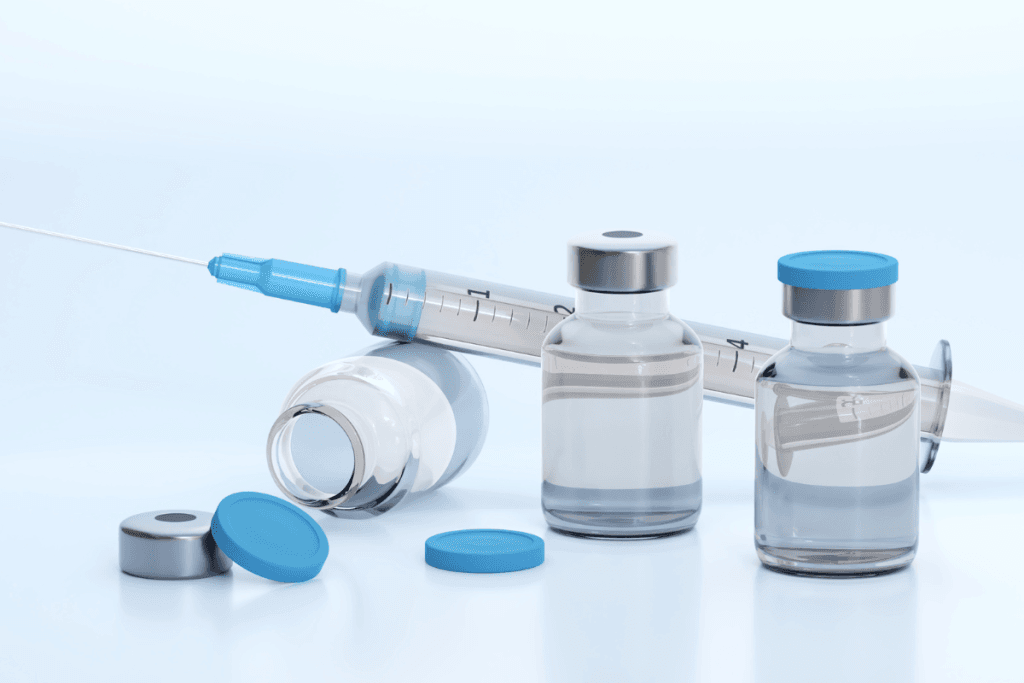
Wholesale dermal fillers sourcing is a clinic procurement process, not only a product search. Licensed teams should verify supplier legitimacy, confirm documentation, protect chain-of-custody, and standardize receiving before comparing brands or unit costs. This matters because injectable supply decisions affect patient safety, recordkeeping, staff workflow, and recall response.
For practice managers, injectors, and procurement leads, the practical question is simple: can every unit be traced from supplier invoice to patient record, with storage and handling documented along the way? If the answer is unclear, the clinic should pause and tighten its process before stock enters use.
Key Takeaways
- Verify supplier credentials before product selection.
- Require usable documentation for each shipment.
- Capture lot, expiration, and invoice details at receipt.
- Quarantine discrepancies before items reach clinical areas.
- Plan recall and adverse-event workflows in advance.
Wholesale Dermal Fillers: What Clinics Are Actually Sourcing
Wholesale dermal fillers are injectable aesthetic products sourced through business-to-business channels for qualified clinical use. They may include hyaluronic acid products and other soft tissue fillers, depending on jurisdiction and product classification. Procurement teams should treat them as regulated medical products that need traceability, not as interchangeable cosmetic inventory.
The most important sourcing decision is whether the supply route fits your clinic’s license, procedures, and local rules. A low acquisition cost does not offset poor documentation, unclear labeling, or weak chain-of-custody. MedWholesaleSupplies serves licensed clinics and healthcare professionals, so access and product review should stay aligned with professional-use requirements.
If your team is building baseline standards, the Wholesale Fillers Sourcing Standards resource can help align procurement, clinical, and administrative staff around shared expectations.
Why it matters: Traceable stock gives your clinic a faster path to investigate complaints, recalls, or documentation gaps.
Supplier Verification Before Brand Comparison
Supplier verification should happen before your team compares product families, packaging, or cost. Confirm the legal entity, licensing expectations, professional access requirements, and the documentation available with each shipment. Then decide whether the supplier’s process supports your own audit and recall procedures.
A useful due-diligence review includes the supplier’s role in the distribution chain. Ask whether products come through vetted distributor relationships or verified supply channels. For clinic procurement, the answer should be documented in a way your team can revisit later, rather than handled only through informal messages.
Grey-market pathways can create practical problems. These may include labeling that does not match your market, instructions for use in an unexpected language, unclear post-market support, or incomplete lot history. Even when outer packaging appears intact, these issues can make incident review harder.
Verification Questions to Ask
- Licensing fit: Is the supplier appropriate for your facility type?
- Market fit: Is labeling intended for your jurisdiction?
- Documentation: Which records are included by default?
- Traceability: Are lot and invoice links retained?
- Returns process: How are discrepancies handled?
- Safety notices: Who receives field or recall updates?
For category-level orientation, use the Dermal Fillers hub to understand how products are grouped. Use browseable collections as navigation tools, not as substitutes for supplier validation or official product documentation.
Documentation and Traceability Standards
Documentation is the control layer that connects wholesale dermal fillers to safe clinic operations. At minimum, your receiving process should capture the product name, lot or batch number, expiration date, supplier invoice, date received, and internal storage location. The same identifiers should later connect to the patient record when a unit is used.
Clinics often request a certificate of analysis when available, a safety data sheet for staff handling information, and the current instructions for use. Availability can vary by product and market, so your standard operating procedure should state what is required, what is optional, and what triggers quarantine.
If your electronic health record does not support device or injectable traceability, define a separate controlled log. Limit editing access, keep retention rules clear, and train staff on when entries must be made. The goal is not extra paperwork for its own sake. The goal is a complete trail if your clinic must investigate a patient concern, supplier notice, or stock discrepancy.
Red Flags That Should Stop Intake
- Missing or altered lot numbers.
- Cartons that do not match invoices.
- Instructions that conflict across units.
- Unexpected labeling language or identifiers.
- Payment or entity details that reduce traceability.
- Documentation that arrives after clinical use is expected.
Product pages can help staff recognize standard packaging presentations during training. For example, item pages such as Juvederm Ultra or Restylane Lyft Prefilled Syringe may support visual orientation. They should not replace shipment-specific checks or official labeling.
Receiving, Quarantine, and Storage Controls
Receiving controls should be consistent every time stock arrives. Assign a trained staff member to check the shipment before products enter general storage. Match the packing list to the received units, inspect outer cartons, record identifiers, and confirm that any required documentation is present.
Quarantine should be simple and visible. If a shipment has damaged packaging, missing paperwork, mismatched quantities, or unclear labeling, separate it from usable stock. Mark the item status clearly and contact the supplier with written details and photos. Do not rely on memory or hallway conversations for discrepancy resolution.
Storage requirements vary by product and manufacturer guidance. Your clinic should define storage locations, access permissions, temperature monitoring expectations when applicable, and expiration rotation rules. “Room temperature” should still mean a controlled clinic area, not an unmonitored shelf near heat, light, or nonclinical supplies.
Quick tip: Use FEFO rotation, meaning first-expire, first-out, for all injectable inventory.
For broader workflow planning across supply categories, the Wholesale Procurement category can help teams organize related procurement topics. Keep category browsing separate from clinical decision-making, which should follow professional training and official product materials.
Access and Cost Context Without Shortcuts
Cost questions are common, but wholesale filler cost varies by product type, supplier terms, quantity, market, and documentation requirements. A procurement program should compare total operational fit, not just the apparent unit price. Missing documentation, unusable stock, or poor recall support can create costs that are not visible on an invoice.
Clinics should also distinguish professional procurement from consumer access. Dermal fillers are intended for qualified use under applicable laws and clinical standards. Patients should not attempt self-injection or use at-home filler devices. Hyaluron pens and similar nonclinical devices can create safety concerns, especially when used outside appropriate medical oversight.
When reviewing online sources, avoid marketplaces or sellers that do not clearly define professional access boundaries. A legitimate clinic process should support verification, documentation, and shipment accountability. MedWholesaleSupplies sources brand-name medical products through vetted distributor and verified supply channels for licensed clinic settings.
For teams comparing online procurement models more broadly, Wholesale Medical Supplies Online provides related operational context. Use it to refine process questions rather than to bypass product-specific verification.
Formulary Planning and Product-Family Fit
Formulary planning should reduce complexity while supporting the clinic’s services and training model. Group products by material class, general use category, documentation needs, and handling profile. Then evaluate how many similar SKUs your team can manage safely.
Hyaluronic acid fillers and non-hyaluronic acid fillers may differ in composition, handling information, and clinical training expectations. Procurement staff do not need to make treatment decisions, but they do need to understand how product differences affect storage, labeling checks, staff competency records, and inventory turnover.
Adding too many variations can increase picking errors and waste. Minimum quantities for wholesale dermal fillers should be weighed against appointment volume, expiration dates, and substitution policies. If a product is added, update receiving templates, training materials, and traceability fields before the first shipment arrives.
For a neutral overview of product categories, see Types of Dermal Fillers. For injection workflow and safety protocol reinforcement, keep Dermal Filler Safety Protocols available in your internal training library.
Recall Readiness and Incident Review
Recall readiness depends on records that are complete before a problem occurs. Your clinic should know who receives supplier or regulator notices, who can quarantine affected stock, and how staff identify patients linked to a specific lot. These steps should be written into an SOP and reviewed periodically.
A practical recall workflow starts with inventory isolation. Identify affected lots, remove them from usable stock, document the quantity on hand, and preserve chain-of-custody. Then review patient records and supplier instructions. Policies and reporting duties vary by jurisdiction, so confirm requirements with the supplier, manufacturer, and applicable regulator when a notice is issued.
Adverse event review needs the same discipline. Record the product, lot, expiration, administration date, clinician involved, and patient record link according to your clinic policy. Serious events may require reporting through official channels. Keep the process factual and avoid changing records after the fact except through controlled corrections.
Authoritative Sources
Procurement teams should anchor policies to official labeling, regulator guidance, and manufacturer documentation. Informal summaries can be useful for orientation, but primary sources should guide questions about approved uses, safety notices, and reporting pathways.
- FDA information on dermal fillers
- FDA medical device reporting information
- FDA counterfeit medicine safety information
Review your wholesale dermal fillers SOP at least annually, and update it when supplier processes, documentation requirements, or regulator guidance changes. A strong process makes procurement easier to train, audit, and defend.
This content is for informational purposes only and is not a substitute for professional medical advice.