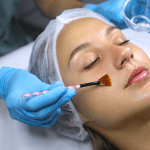
Mediderma is often evaluated as a professional-facing skin care line. Clinics usually consider it alongside in-office chemical peels and take-home maintenance. This briefing focuses on how to Mediderma Peel Products fit into practice workflows. It also outlines what to document when you buy mediderma wholesale through a vetted supply channel.
You will see recurring themes: ingredient transparency, predictable tolerability, and clear post-procedure instructions. In practice, the details matter most at handoffs. Those include intake, consent, storage, and follow-up messaging. Your goal is consistent processes, not a “miracle product” narrative.
Because these products can be used around procedures, align the skincare plan with your existing policies. Use manufacturer instructions for use (IFU) and your medical director’s protocol. If you operate across sites, standardize the checklist and training notes.
Key Takeaways
- Set expectations for transient irritation and visible peeling.
- Review contraindications and recent procedure history before use.
- Build documentation habits before you buy mediderma wholesale.
- Keep aftercare messaging simple, written, and consistent.
- Compare lines by support, protocols, and ingredient fit.
What Mediderma Is and Where It Fits Clinically
Mediderma is generally positioned for professional aesthetic use. In many practices, it shows up in two places. First is procedure support, such as chemical peel programs or targeted resurfacing plans. Second is maintenance skin care between visits, using common dermocosmetic categories like antioxidants, retinoids, hydrators, and sunscreens.
For clinic operations, the “fit” question is practical. Does the line support consistent counseling and predictable tolerability? Can your team explain what a peel does in plain language, such as “controlled exfoliation,” without overpromising outcomes? Is there a clear pathway to step up or step down intensity based on the patient’s barrier tolerance?
Many teams organize product families by problem set, not brand. Common buckets include acne-prone skin, uneven pigment (hyperpigmentation), melasma, texture concerns, and photoaging. It helps to map each bucket to your service menu, then link it to your inventory. For browsing, a category hub like Peels And Masks can support planning across peel types and adjunct masks.
Supply access is typically limited to licensed healthcare accounts.
How to Evaluate Benefits and Tolerability in Real Use
Clinicians often shorthand “benefits” as brightness, smoother texture, fewer breakouts, or more even tone. Operationally, you are really evaluating suitability and predictability. That includes whether the regimen can be followed, whether irritation is manageable, and whether follow-up needs are realistic for your schedule.
When teams ask about Mediderma benefits, translate the conversation into mechanisms. Acids can act as keratolytics (dead-skin loosening agents). Retinoids can increase cell turnover and affect comedones (clogged pores). Antioxidants such as vitamin C derivatives may support photodamage routines. Humectants like hyaluronic acid can improve hydration and comfort. None of that guarantees outcomes, but it guides selection and counseling.
Where reactions are expected versus concerning
With professional peels and active topicals, mild stinging, tightness, dryness, and visible flaking can be expected. Erythema (redness) may occur, especially after a procedure. Problems start when reactions escalate beyond what your protocol anticipates. Examples include significant swelling, blistering, extensive crusting, or symptoms suggesting allergic contact dermatitis (immune-mediated rash). In pigment-prone skin, post-inflammatory hyperpigmentation (dark marks after inflammation) is a known risk after irritation.
Why it matters: Set expectations early to reduce avoidable after-hours triage.
From a workflow standpoint, build reaction counseling into your intake and discharge. If your clinic is evaluating the line through procurement, ensure you document what you reviewed and why. This is also where questions about buy mediderma wholesale should trigger a broader conversation about protocols and support.
Mediderma Side Effects, Contraindications, and Patch Testing
Most “side effects” in professional skin care are irritation-related. The intensity depends on baseline barrier health, cumulative exposure to actives, and procedure timing. For chemical peels, expected short-term effects can include redness, dryness, and peeling. For leave-on actives, common issues include burning, itching, scaling, or a feeling of tight skin.
Contraindications and precautions vary by product, concentration, and IFU. Still, your screening process can be consistent. Ask about recent peels or resurfacing, current acne therapies, known allergies, and a history of eczema or rosacea flares. Also review occupational sun exposure and adherence risk, since photosensitivity counseling is often part of peel programs. If pregnancy or breastfeeding is relevant, use conservative language and defer to labeling and clinician judgment; “pregnancy-safe” claims are rarely straightforward.
Patch testing can help identify intolerance before broad facial use. A “patch test” in this context is a small-area trial to watch for irritation or allergic response. Your clinic should decide whether patch testing is appropriate based on product type and patient risk. Document what was used, where it was applied, and what the patient reported at follow-up.
Ingredients Lens: How to Read Formulas Without Overreaching
Ingredient review is where clinical teams can stay evidence-informed without making label-level claims. Start with the ingredient list (INCI) and the IFU, then connect it to the patient’s current routine. In many Mediderma ingredients profiles, you may see familiar groups: exfoliating acids, retinoid-family actives, antioxidants, barrier-supporting lipids, and hydrators.
For acne-prone skin, salicylic acid–type approaches are common, while azelaic acid–type approaches can be used for both blemishes and uneven tone. For pigment concerns like melasma, clinics often combine strict photoprotection with targeted actives and careful procedural pacing. For hydration and comfort, hyaluronic acid and other humectants are common additions, especially when transepidermal water loss (TEWL; water loss through the skin) is increased after exfoliation.
How to avoid “ingredient stacking” problems
Most avoidable irritation comes from stacking too many strong actives at once. Build a simple framework your staff can repeat: one “driver” active, one hydrator, and daily sunscreen. If a patient uses retinoids, consider how that overlaps with peel timing and other exfoliants. If they use vitamin C, confirm whether it irritates their skin at baseline. When you add masks or richer creams, connect them to comfort and barrier support rather than “instant tightening” narratives. For background, your team may find it useful to review Hydrating Masks Science and Peptides For Skin as mechanism-level refreshers.
If you need a hydrator example for protocol building, a product like Hylanses MD HA Gel-Cream illustrates the type of supportive step clinics often pair with actives. Mentioning buy mediderma wholesale here is less important than confirming the formula fits your standardized counseling.
Documentation and Sourcing to buy mediderma wholesale
When clinics source professional skin care, the operational risk is rarely the brand name. It is traceability, documentation, and consistent handling. Build your procurement pathway so that each shipment can be verified and each lot can be linked to use in your facility records, as applicable to your setting.
Many healthcare-focused suppliers restrict purchasing to licensed professionals and maintain documentation expectations. Brand-name products should be sourced through screened distributor networks. Policies vary, so confirm what records are available and what your clinic must retain.
Clinic procurement checklist
- Account verification: confirm licensure requirements.
- Product verification: match name, lot, and seal.
- Documentation: retain invoices and receiving logs.
- Storage: follow IFU and your facility policy.
- Inventory control: track open dates where relevant.
- Adverse event notes: standardize reaction documentation.
- Protocol mapping: link items to service bundles.
For planning assortments, clinics often start with a peel-and-adjunct set, then expand. A browsing hub like Peels And Masks Category helps teams compare formats without turning the process into a single-SKU discussion. If your sites depend on US distribution, document how that supports consistent replenishment across locations.
Chemical Peel Workflow and Training Considerations
Professional peel programs work best when the workflow is predictable. That means you define roles, training, and documentation before you add new peel types. Many clinics write a “peel pathway” that includes a standard intake, a contraindication screen, a consent template, and a post-visit message set. This becomes your Mediderma clinic protocol, even if the products vary.
In day-to-day use, “how to use” should never be improvised. Follow the IFU and manufacturer training materials if provided. If your practice requires competency sign-off, track it in the employee file. Training and certification expectations differ by state and facility type, so keep your policy neutral and auditable.
Clinic workflow snapshot (high level)
This is a generic model that many practices adapt. Verify the patient’s history and current routine, then document baseline skin findings and photos if your consent allows. Perform the procedure per IFU and your internal protocol, including any timed steps, neutralization methods, and eye protection rules. Provide written aftercare, and record the key parameters you will want at follow-up. Finally, log the product identifiers (such as lot numbers) in the visit record when appropriate. This structure reduces variation between providers and improves chart review quality.
- Verify: history, allergies, recent procedures.
- Document: baseline notes and consent.
- Prepare: skin prep per protocol.
- Perform: procedure per IFU.
- Recover: immediate soothing steps.
- Discharge: written care and restrictions.
- Record: products, lots, and reaction notes.
If you are aligning peel selection to common concerns, cross-reference evidence-informed education. For background, see Anti-Aging Chemical Peels and Chemical Peel For Hyperpigmentation. If you need examples of product naming conventions your team may see, reference items such as Ferulac Peel Classic, Salipeel DS, or Melases TRX TCA 10 Peel when building internal cheat sheets.
Products are typically sourced through vetted distributors to support authenticity checks.
Aftercare, Post-Peel Care, and Routine Design
Post-procedure counseling is where outcomes and satisfaction often diverge. Your aftercare should aim to reduce avoidable irritation and prevent confusion about what is “normal.” Use plain language. For example, explain that “peeling” may occur and that barrier support matters. Keep instructions consistent across providers and sites.
For Mediderma aftercare planning, clinics often prioritize three anchors: gentle cleansing, barrier support, and daily photoprotection. Sunscreen is a cornerstone because post-procedure skin can be more sun-sensitive. Hydration steps can reduce discomfort and help patients avoid picking or over-scrubbing. If a routine includes retinoids, consider when they are paused and restarted based on your protocol and tolerability.
Quick tip: Give patients a one-page routine card with AM/PM steps.
Some patients will ask for “before and after” expectations. Avoid promises. Instead, explain variability, the need for adherence, and the role of sun avoidance. If pregnancy safety comes up, keep it conservative: advise discussion with the patient’s obstetric clinician and defer to product labeling, especially for retinoid-containing items. Where a richer support step is appropriate, a product like Sens-Age MD G Activator Cream can be discussed as an example of a comforting category rather than a guaranteed solution. Operationally, this is also a good point to confirm how you will counsel patients who ask where to buy mediderma wholesale, since access may be restricted to professional channels.
How to Compare Mediderma vs Sesderma and Similar Lines
Clinics often compare a professional line to a related consumer-facing line, or to other in-office systems. The decision is rarely about a single ingredient. It is about the total operating model: protocols, training support, packaging for back-bar use, and how well the routine integrates with your services.
When comparing Mediderma vs Sesderma, clarify what is professional-only versus retail-oriented in your context. Then compare like for like: peel programs to peel programs, maintenance regimens to maintenance regimens. Also consider whether your team can confidently explain differences without drifting into marketing language. If the evaluation includes buy mediderma wholesale, make sure the comparison includes traceability and documentation standards, not only perceived efficacy.
| Decision Factor | What To Verify | Why It Matters |
|---|---|---|
| Protocol clarity | IFU, contraindications, aftercare templates | Reduces variation between providers |
| Tolerability profile | Common irritants, expected downtime range | Improves counseling and follow-up planning |
| Operations fit | Storage needs, inventory turnover, traceability | Supports audits and consistent stocking |
| Education support | Training materials and competency tracking | Decreases onboarding time and errors |
If you track trends across your service lines, you may also want broader context from Non-Surgical Aesthetic 2025 in your planning cycle.
Authoritative Sources
Use brand education as a starting point, not the endpoint. When you create protocols, anchor your counseling in reputable dermatology and regulator guidance. These sources can support neutral patient handouts and staff training refreshers.
For pregnancy and irritation questions, avoid blanket statements. Confirm ingredient-specific cautions and use conservative language when labeling is unclear. Chemical peel guidance is especially helpful for setting expectations around redness, peeling, and sun protection.
- American Academy of Dermatology: Chemical Peels
- FDA: Cosmetics Labeling Regulations
- American Academy of Dermatology: Retinoid Skin Care Basics
Recap: treat professional skin care as a system. Standardize screening, documentation, and aftercare. Keep ingredient review conservative and protocol-driven. For deeper product-range context, revisit Mediderma Peel Products and update your internal training notes as your menu evolves.
This content is for informational purposes only and is not a substitute for professional medical advice.