
Description
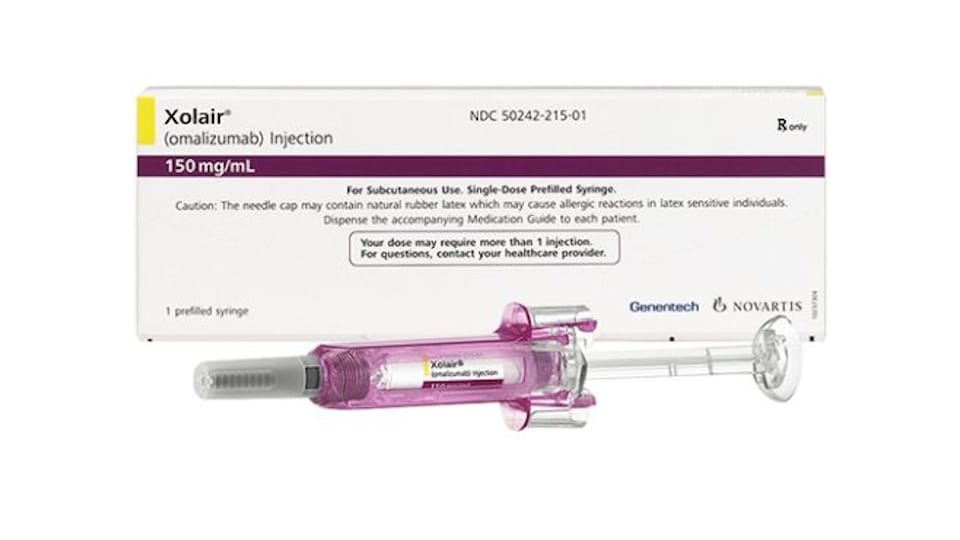
Xolair® is omalizumab, a monoclonal antibody injection used in professional allergy, pulmonary, dermatology, and immunology settings. Licensed clinics and healthcare professionals can order Xolair® for treatment-room administration, monitored visit workflows, and biologic inventory programs that require careful documentation. The product is used subcutaneously, with the dose, interval, and duration determined by the treating clinician according to the approved labeling and clinic protocol.
For clinic purchasing teams, the most important decisions are the presentation shown during ordering, the current Xolair® price, storage and handling requirements, and how the medication fits scheduled injection visits. Med Wholesale Supplies supports US distribution for qualified facilities and supplies brand-name medical products through vetted distributors and verified supply channels.
Xolair® Price, Cost, and Presentation Selection
Clinics can view current Xolair® price information after account verification and choose the product presentation that matches the treatment plan and internal purchasing workflow. Search demand often includes terms such as Xolair® 150 mg prefilled syringe, Xolair® 75 mg prefilled syringe, Xolair® 300 mg injection, and omalizumab 150 mg/mL, but your team should rely on the presentation displayed during ordering and the directions authorized for the patient’s regimen.
Xolair® cost planning is usually tied to scheduled biologic appointments, expected dose frequency, payer-policy changes, and referral volume. For inventory teams, practical budgeting means reviewing current unit price, appointment cadence, storage capacity, and reorder thresholds before building stock levels. When several service lines use biologics, procurement staff may also group this item with other professional-use products in the pharmaceuticals category to streamline purchasing reviews.
Quick tip: Match each order to scheduled clinic volume, expiry tracking, and your facility’s biologic handling procedure.
How Clinics Order Omalizumab Injection
Qualified facilities can buy omalizumab through the online account portal once their clinic account is approved. Ordering teams can review the available presentation, request current pricing, and coordinate purchasing around injection-room schedules. Shipments are directed to professional practice addresses, with temperature-controlled handling when required and tracked US delivery.
Because Xolair® is a biologic, staff should build ordering around appointment calendars rather than last-minute need. Typical purchasing checks include product name, quantity, lot documentation, expiry date, storage readiness, and staff availability for administration and observation. If your clinic operates multiple locations, coordinate allocation by site so each practice has appropriate supply for booked visits without overextending cold-storage space.
Account managers can assist with order documentation, product education materials, and reordering support. They cannot replace clinical judgment, but they can help purchasing staff align supply timing with facility requirements, carrier constraints, and the operational needs of recurring injection programs.
Approved Use Context for Professional Programs
Xolair® is used for conditions involving IgE-driven allergic pathways, including allergic asthma and chronic spontaneous urticaria when standard management is not sufficient. Current authoritative sources also describe labeled use for chronic rhinosinusitis with nasal polyps and IgE-mediated food allergy risk reduction in appropriate patients. It is not an emergency rescue medication for acute bronchospasm, anaphylaxis, or sudden allergic reactions.
In clinic workflows, Xolair® is commonly managed by allergy and immunology, pulmonology, dermatology, or specialty biologic teams. A typical visit includes patient assessment, medication verification, subcutaneous administration, post-injection monitoring, documentation of lot and expiry, and follow-up scheduling. The treating clinician determines whether continued therapy remains appropriate based on response, safety, and the labeled indication.
Facilities building or updating biologic services can use our clinical background article on Xolair for chronic hives and severe asthma for broader context. Internal education should still rely on the manufacturer’s current professional materials and your facility’s policy for medication preparation, observation, and adverse-event response.
How Xolair® Works
Omalizumab is a recombinant humanized monoclonal antibody that binds immunoglobulin E, commonly called IgE. IgE is an antibody involved in allergic inflammation. By reducing free IgE and its interaction with high-affinity receptors, Xolair® can reduce downstream allergic signaling in patients selected under labeled criteria.
This mechanism is why the medication appears in specialty protocols for allergic asthma, chronic urticaria, nasal polyps, and certain food allergy risk-reduction programs. The response timeline varies by indication and individual clinical factors. Some programs evaluate response after several scheduled administrations, while others continue longer-term when the benefit-risk assessment supports ongoing treatment.
Clinics should avoid presenting the medication as a cure or as a substitute for emergency therapy. For food allergy risk reduction, professional counseling should reinforce that patients must still avoid known allergens and maintain emergency plans as directed by their clinician. For asthma programs, rescue inhalers and controller therapy decisions remain under the treating clinician’s plan.
Administration and Treatment-Room Workflow
Xolair® injection is administered subcutaneously in a professional care setting according to labeled directions and facility protocol. Staff should follow approved preparation steps, inspect the product before use, and document administration details in the patient record. Treatment rooms should support patient privacy, medication verification, and observation after injection.
Many clinics schedule visits every 2 to 4 weeks when that cadence matches the clinician’s plan and the product directions. Appointment length may include intake, dose verification, administration, monitoring, and discharge instructions. Facilities should plan staffing around these steps, especially when several biologic injections are booked on the same day.
Operational consistency matters. Nursing and pharmacy teams often use checklists for patient identification, product confirmation, lot capture, expiry recording, and adverse-reaction readiness. Emergency supplies and trained staff should be accessible during administration and observation periods. Each clinic should follow its own medical director-approved protocols for hypersensitivity recognition and response.
Safety, Warnings, and Monitoring
Xolair® has important safety considerations that should be reviewed before administration. Serious allergic reactions, including anaphylaxis, have been reported and may occur after the first dose or after later doses. Clinics should observe patients according to facility policy and be prepared to manage hypersensitivity reactions promptly.
Commonly reported adverse effects vary by indication and age group, but may include injection-site reactions, headache, joint pain, dizziness, fatigue, upper respiratory symptoms, and related complaints. Some patients may report fever, rash, or other symptoms that require clinical assessment. Staff should document post-injection findings and escalate concerns through the appropriate clinical channel.
Professional teams should also review contraindications, prior hypersensitivity history, concurrent medications, parasitic infection risk when clinically relevant, and any indication-specific warnings in the current labeling. Xolair® should not be used for acute symptom relief. If a patient experiences trouble breathing, swelling, severe rash, faintness, or other signs of a serious reaction, the clinic should follow emergency procedures immediately.
Why it matters: Biologic purchasing should be paired with staff training, observation capacity, and adverse-event documentation.
Storage, Handling, and Documentation
Store and handle Xolair® according to the manufacturer’s label and your facility’s standard operating procedure. Biologic inventory generally requires controlled handling, protection from inappropriate temperatures, and clear separation from products with different storage requirements. Staff should inspect packaging, confirm lot and expiry, and maintain chain-of-custody records according to clinic policy.
Before administration, clinical staff should verify the product name, strength or presentation shown on the package, patient-specific directions, and scheduled timing. Single-patient use controls, aseptic preparation practices, and disposal procedures should follow facility standards and applicable professional requirements. Do not use medication that appears damaged, compromised, expired, or inconsistent with the expected product presentation.
Inventory managers should build reorder thresholds around appointment volume, lead time, storage capacity, and expiry rotation. First-expiring stock should be used first when clinically appropriate and consistent with policy. Documentation should support charge capture, quality audits, and rapid response if a recall or product notice affects a recorded lot.
Professional Applications Across Specialty Clinics
Allergy and immunology practices commonly integrate Xolair® into biologic programs that include intake screening, IgE-related assessment, dose scheduling, and periodic clinical review. Pulmonary clinics may stock the medication for eligible allergic asthma programs when monitored administration is part of their service model. Dermatology or urticaria-focused practices may use it within chronic spontaneous urticaria workflows.
For high-volume facilities, the main operational advantage is predictable scheduling. Staff can align medication preparation with recurring injection blocks, coordinate observation areas, and standardize documentation across visits. This reduces variability between staff members and supports consistent handling of a high-value biologic product.
When a clinic adds Xolair® to formulary or purchasing plans, leadership should review training, refrigeration or controlled storage processes, emergency response readiness, and documentation requirements. The decision is not only clinical; it affects room utilization, nursing time, inventory value, and purchasing cadence.
Composition and Product Identity
The active ingredient in Xolair® is omalizumab. It is a biologic monoclonal antibody rather than a small-molecule tablet, which is why preparation, storage, and administration requirements differ from many oral medications. Omalizumab injection is intended for subcutaneous use under professional oversight.
Excipients, device configuration, and presentation details can vary by marketed product and package. Clinics should use the current package insert, carton, and label as the source for preparation steps, storage requirements, and full ingredient information. If your purchasing team tracks Xolair® 300 mg injection, omalizumab 75 mg, or auto-injector terminology internally, reconcile those terms with the actual presentation supplied and your clinic’s administration policy.
Country-specific packaging, labeling, or presentation availability may differ across markets. That distinction should not be treated as a therapeutic substitution. Any change in presentation, route, or administration workflow should be evaluated through the clinician’s plan and facility policy.
Packaging and Supply Controls
Xolair® is supplied for use in professional medication programs and should be managed as a high-value biologic inventory item. Product labels include identifying information such as name, lot number, and expiry date to support tracking. Staff should capture these details at receipt, storage, preparation, and administration when required by internal procedures.
On receipt, inventory teams should inspect the shipping materials, confirm the item against the purchase record, and move the product into appropriate storage without delay. If there is a discrepancy, visible damage, or handling concern, quarantine the product according to facility policy and contact the appropriate support channel before clinical use.
Supply planning should account for appointment volume and the possibility of schedule changes. Cancellations, added visits, and multi-site transfers can affect stock rotation. Clear communication between scheduling, nursing, pharmacy, and procurement teams helps reduce waste and supports consistent patient care operations.
Comparable Biologic and Specialty Options
Clinics evaluating Xolair® may also review other biologic or specialty therapies for formulary planning, although products in adjacent classes are not interchangeable without clinical review. Selection depends on labeled indication, mechanism, route, safety profile, monitoring needs, storage requirements, and the patient population served by the clinic.
When comparing alternatives, avoid reducing the decision to omalizumab price alone. A product with a different mechanism may require different staffing, observation, prior assessment, or documentation. Operational fit matters, but it should support the clinician’s therapeutic decision rather than replace it.
If a requested presentation is temporarily limited, purchasing teams should work with the treating service before changing any therapy pathway. Substitutions across biologic classes can affect indication alignment, dosing approach, monitoring, and patient education. Keep formulary notes current so procurement staff do not substitute based on product category alone.
Ordering Logistics for Licensed Facilities
Med Wholesale Supplies serves licensed clinics and healthcare professionals that need dependable sourcing for professional-use medical products. Once your account is set up, your team can place orders online, review current availability and pricing, and coordinate recurring purchasing around clinic schedules.
For Xolair® and other biologics, logistics planning should include storage capacity, receiving staff coverage, and internal handoff procedures. Temperature-sensitive products should be received by trained personnel and moved into the correct storage area promptly. Lot and expiry recording at receipt can save time later during administration documentation and audits.
Multi-location practices should consider whether centralized purchasing or site-level ordering creates the best control. Central review can improve budget visibility, while location-specific ordering may better match injection calendars. Either approach should include clear accountability for receipt, storage, inventory reconciliation, and reorder decisions.
Authoritative Sources
Use authoritative materials for clinical decisions, safety review, and staff education. Manufacturer and public health sources provide current labeling, indication, and safety information that should guide professional protocols.
- MedlinePlus omalizumab drug information
- Manufacturer healthcare professional information
- FDA food allergy approval announcement
Order Xolair® through your verified clinic account to align biologic supply with professional administration, safety monitoring, and inventory documentation. Current pricing, presentation, and logistics details can be reviewed during account-based purchasing.
This content is for informational purposes only and is not a substitute for professional medical advice.
Frequently Asked Questions
What is Xolair® prescribed for in clinic programs?
Xolair® is used for IgE-related allergic conditions under labeled criteria, including allergic asthma and chronic spontaneous urticaria. Current authoritative sources also describe use for chronic rhinosinusitis with nasal polyps and risk reduction for certain IgE-mediated food allergy reactions. It is not an emergency rescue medication.
What are the main downsides or safety concerns with Xolair®?
The most important risk is serious allergic reaction, including anaphylaxis, which can occur after early or later doses. Clinics should monitor patients according to policy and have emergency response procedures available. Common adverse effects may include injection-site reactions, headache, joint pain, dizziness, fatigue, and upper respiratory symptoms.
How should clinics plan Xolair® cost and inventory?
Clinics should review current account pricing, the ordered presentation, appointment volume, storage capacity, and expiry rotation. Xolair® cost planning is usually tied to recurring injection schedules, expected additions from referrals, and biologic stock controls rather than one-time purchasing alone.
How long do patients typically stay on Xolair®?
Duration is individualized by the treating clinician and depends on indication, response, tolerability, and ongoing benefit-risk review. Clinics should schedule follow-up assessments and reorder only in line with the active treatment plan and expected visit cadence.
Does Xolair® require special handling in the clinic?
Yes. Xolair® should be stored and handled according to the manufacturer’s label and facility procedures for biologic products. Receiving staff should verify the order, document lot and expiry information, and move the product into the correct storage area promptly.
Can Xolair® be substituted with another biologic if supply is limited?
Do not substitute another biologic based on category or cost alone. Products may differ in indication, mechanism, administration schedule, monitoring needs, and safety profile. Any change should be reviewed through the treating clinical service and facility protocol.
Specifications
- Main Ingredient:
- Manufacturer: Genentech, Inc.
- Drug Class: Biologic
- Generic Name: omalizumab
- Package Contents: 1 Injection
- Storage Requirements: Cool Temperature (2℃~8℃)
- Main Usage:
Here to help
Questions about ordering, delivery or products? You can email our team here or call now at 1-800-630-9757 and be connected with your dedicated Account Manager
Related Products
Evenity® (English Alternative)
Injectable Medication
$1,229.00 - $1,299.00
You save
You save
Intraline® For Men
Dermal Filler
$59.00 - $79.00
You save
You save
RejuvaNAD+ Pro
Injectable Medication
$237.00 - $249.00
You save
You save
Teosyal® RHA 4
Aesthetic Surgery Product
$259.00 - $279.00
You save
You save
Related Articles
Prednisone in Clinical Care: Uses, Risks, and Monitoring
Prednisone is a prescription systemic corticosteroid used to reduce inflammation or suppress immune activity in…
Lip Fillers Swelling Stages: Timeline, Safety, and Follow-Up
Lip fillers swelling stages usually follow a short inflammatory course: swelling appears soon after injection,…
Hypopigmentation of the Skin: Assessment and Care
Hypopigmentation of the skin means one or more areas look lighter than the surrounding skin.…
Radiesse vs Sculptra: Selection Factors for Clinics
Radiesse vs Sculptra is best understood as a comparison between two collagen-stimulating injectables with different…
Hyaluronic Acid Under-Eye Filler: Safety and Workflow
Hyaluronic acid under-eye filler is an injectable soft-tissue filler used by trained aesthetic clinicians to…
Dermal Filler Types: Materials, Uses, and Clinic Fit
Dermal filler types are usually grouped by their base material, tissue behavior, and expected role…
What Is Dysport? Clinical Uses, Safety, and Workflow
For clinic teams asking what is Dysport, the short answer is simple: Dysport is a…
Biostimulators in Aesthetic Care: Selection and Safety
Biostimulators are injectable aesthetic products used to encourage a controlled tissue response, often involving new…