

- You must be logged in to add items to the cart.
Description
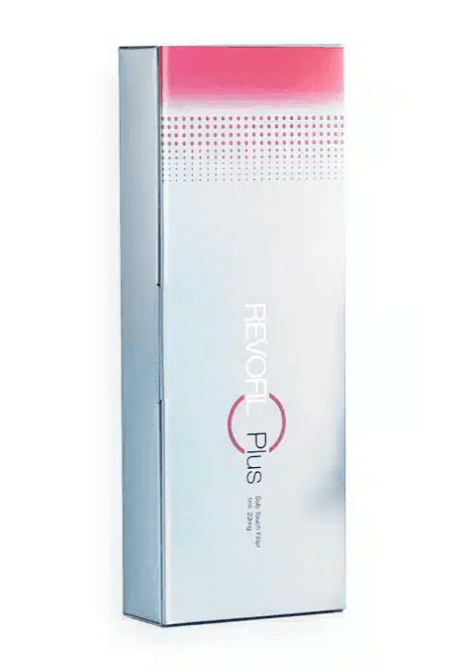
Revofil® Plus is a hyaluronic acid dermal filler used by licensed healthcare professionals for facial contouring, wrinkle correction, and structured volume restoration. Clinics can order Revofil® Plus through verified professional accounts, with sterile handling, lot traceability, and documentation that supports treatment-room inventory control. The product is intended for trained injectors working within clinic protocols and applicable professional requirements.
Clinic Ordering, Price, and Account Access
Revofil® Plus is supplied for licensed clinics, med spas, aesthetic practices, and healthcare professionals. Account approval is required before purchasing so that professional-use products are supplied through appropriate B2B channels. Once your account is active, your team can view the current Revofil® Plus price, place replenishment orders, and coordinate purchasing for single-site or multi-site practices.
Pricing may vary by current market conditions, supply volume, and account terms. Clinics evaluating Revofil® Plus cost should factor in more than the unit price: treatment planning, injector training, product handling, inventory rotation, and comparable filler rheology all affect formulary decisions. For broader category browsing, your purchasing team can review related professional injectables under medical devices.
Quick tip: Align ordering quantities with booked procedures and internal rotation practices so units are used before expiration.
What Revofil® Plus Is and How It Works
Revofil® Plus is a hyaluronic acid filler that combines cross-linked sodium hyaluronate with biomimetic peptides. The stabilized HA matrix provides immediate structural support after placement, while the gel’s water-binding properties help support lift and volume in treated tissue. The peptide-enhanced design is intended to help modulate enzymatic breakdown of the gel matrix under typical professional-use conditions.
In practice, the product works through mechanical lift, tissue integration, and hydration within the injected plane. Its cohesive, homogeneous texture supports controlled extrusion, precise placement, and smooth molding by trained injectors. Clinics commonly evaluate this handling profile when choosing a filler for contour refinement, fold correction, or volume restoration where a natural-looking result is the clinical goal.
For a deeper explanation of the formulation class, review how Revofil filler works. For broader HA education, see hyaluronic acid in aesthetic medicine.
Professional Uses and Treatment-Room Fit
Clinics commonly use Revofil® Plus dermal filler for midface contouring, chin definition, jawline refinement, and correction of nasolabial or marionette folds. It may also be incorporated into perioral protocols when the injector wants balanced elasticity and smooth tissue integration. Treatment selection should follow professional training, patient anatomy, local practice requirements, and the manufacturer’s instructions for use.
Revofil® Plus is sometimes discussed for lips because HA fillers can support contour, border definition, and subtle volume when chosen appropriately. A lip protocol should consider tissue mobility, vascular anatomy, injection depth, prior filler history, and the desired degree of structure. The product should not be treated as interchangeable with every lip filler simply because it contains hyaluronic acid; rheology and placement strategy matter.
Clinics comparing HA filler families can use Revofil and Juvederm selection considerations to frame practical differences in formulation strategy. That type of comparison is most useful when paired with injector experience, clinical assessment, and documented treatment protocols.
Composition and Key Features
The primary filling matrix in Revofil® Plus is cross-linked sodium hyaluronate, a form of hyaluronic acid designed to provide volume and structural support. The formulation also includes biomimetic peptides intended to support gel stability, along with physiologic excipients and water appropriate for injectable preparations. Do not mix the filler with other products or drugs unless the manufacturer labeling expressly permits it.
- Cohesive HA matrix for contour shaping and structural support.
- Peptide-enhanced design intended to support matrix persistence.
- Smooth gel texture for controlled extrusion and accurate placement.
- Balanced elasticity to support natural-looking integration.
- Sterile, single-use presentation for professional administration.
- Visible lot and expiration information for clinic traceability.
- Professional-only ordering for licensed healthcare entities.
- Workflow-friendly handling for routine aesthetic protocols.
These attributes make Revofil® Plus suitable for practices that standardize injectable workflows across multiple providers. Consistent handling helps teams document technique, train staff within scope, and maintain predictable inventory planning. Final product selection remains a clinical decision based on the treatment area, tissue characteristics, and injector judgment.
Packaging, Storage, and Handling
Revofil® Plus is supplied sterile and intended for single use. Each unit should remain in its original packaging until it is prepared for treatment. Clinics should inspect the package, labeling, lot number, and expiration date before use, and should discard any opened, damaged, or compromised components according to facility policy.
Storage should follow the manufacturer’s label requirements. Inventory teams should separate expired products from active stock, maintain traceability records, and document product use in the clinical chart when applicable. For practices with multiple treatment rooms, assigning responsibility for stock checks can reduce handling errors and support compliance with internal protocols.
Orders may use temperature-controlled handling when required and tracked US delivery. Receiving staff should verify the shipment against the purchase record and route units to approved storage promptly. If a shipment appears damaged or inconsistent with expected packaging, quarantine the product and contact your account representative before clinical use.
Safety, Precautions, and Professional Administration
Dermal fillers are medical devices that require training in facial anatomy, aseptic technique, injection depth, complication recognition, and emergency response. Revofil® Plus should be administered only by qualified healthcare professionals. Clinics should follow the manufacturer’s instructions, applicable regulations, and their own medical director or supervising clinician protocols.
Possible filler-related effects may include injection-site redness, swelling, bruising, tenderness, firmness, itching, discoloration, or temporary asymmetry. More serious complications can occur, including infection, nodules, delayed inflammatory reactions, vascular compromise, tissue injury, or visual symptoms if material enters or compresses a blood vessel. Patients should receive appropriate consent, aftercare instructions, and clear guidance on symptoms that require urgent clinical attention.
Contraindication and precaution screening should address allergy history, active skin infection or inflammation near the treatment site, prior filler complications, bleeding risk, immune status, planned procedures, and relevant medications or supplements. The filler should not be injected into blood vessels. Clinics should maintain protocols for managing vascular occlusion and other urgent adverse events.
The FDA notes that dermal fillers should be administered by licensed healthcare professionals with appropriate training and knowledge of risks. Authoritative safety context is available from the FDA dermal fillers guidance. Manufacturer background is available from Caregen.
Clinic Workflow and Documentation
Revofil® Plus can be incorporated into clinic workflows that emphasize standardized consultation, photography, informed consent, product traceability, and post-treatment follow-up. Before treatment, providers should document the indication, anatomic plan, product selection rationale, patient-specific risk factors, and any prior injectable history. After treatment, charting should include the product name, lot number, expiration date, amount used, treatment areas, injection technique, and any immediate observations.
Group practices may benefit from a formulary note that defines typical use cases for Revofil® Plus and when another filler should be selected. That approach helps align purchasing with clinical protocols and reduces informal substitution. Staff who receive and store inventory should understand that sterile, single-use injectables require controlled handling from arrival through disposal.
Why it matters: Consistent documentation supports patient safety, inventory control, and clinical accountability.
Comparable Revofil® Products
Clinics often keep more than one HA filler on hand because different treatment areas may require different viscosity, cohesivity, elasticity, or placement depth. Revofil® Plus may fit moderate contouring and fold-correction workflows, while adjacent products can support alternative injection strategies. Product choice should reflect the tissue plane, desired lift, mobility of the area, and injector experience.
For deeper contouring strategies, consider Revofil® Ultra. For finer correction needs, Revofil® Fine may be relevant to review. Clinics exploring skin-quality or soft-filler protocols can also evaluate Revofil® Aquashine Soft Filler.
The full Revofil brand range can help purchasing teams align stock with injector protocols. Avoid choosing a product by name recognition alone; match the filler’s handling characteristics to the planned anatomic use and the provider’s training.
Availability, Substitutions, and Inventory Planning
Revofil® Plus is available for professional ordering through verified clinic accounts. Inventory can fluctuate with manufacturer supply and regional demand, so practices should plan replenishment around scheduled procedures rather than waiting until the final unit is needed. Multi-site groups may want centralized purchasing rules to reduce uneven stock levels between locations.
If a planned protocol requires a specific gel profile, confirm on-hand units before scheduling high-volume treatment days. When substitution is clinically acceptable, your representative can help identify products from the same general class for your team to evaluate. Any substitution should be approved by the treating professional and documented according to clinic policy.
For practices building an HA filler formulary, review both product characteristics and operational details: sterile presentation, staff familiarity, storage requirements, lot tracking, and aftercare protocols. This approach keeps procurement connected to safe treatment delivery rather than isolated unit-cost decisions.
Authoritative Sources
This content is for informational purposes only and is not a substitute for professional medical advice.
Frequently Asked Questions
Who can order Revofil® Plus?
Revofil® Plus is supplied for licensed clinics, med spas, aesthetic practices, and healthcare professionals. Account verification is required before purchasing professional-use injectable products.
What is Revofil® Plus used for in clinics?
Clinics commonly use it for facial contouring, structured volume restoration, and correction of wrinkles or folds such as nasolabial and marionette lines. Use should follow professional training, patient assessment, and manufacturer instructions.
Is Revofil® Plus suitable for lip protocols?
Revofil® Plus may be considered within perioral or lip-contour strategies by trained injectors, but product choice should depend on tissue mobility, desired structure, anatomy, and the clinic’s protocol.
How should clinics handle Revofil® Plus after delivery?
Keep units in original packaging, follow label storage requirements, inspect lot and expiration details, and discard opened or damaged components. Receiving staff should route inventory to approved storage promptly.
What safety steps matter before using this filler?
Providers should screen for contraindications and risk factors, obtain informed consent, use aseptic technique, avoid intravascular injection, and maintain protocols for recognizing and managing complications.
How is Revofil® Plus different from Revofil® Ultra or Fine?
Clinics typically evaluate Revofil products by gel handling, intended tissue plane, and treatment goal. Ultra may be reviewed for deeper contouring strategies, while Fine may be considered for more delicate correction needs.
Specifications
- Main Ingredient: Hyaluronic Acid
- Manufacturer: Caregen Co. Ltd.
- Drug Class: Dermal Filler
- Generic Name: Hyaluronic Acid
- Package Contents: 1 mL x 1 Pre-Filled Syringe
- Storage Requirements: Room Temperature (2℃~25℃)
- Main Usage: Volume Filler
About the Brand
Revofil
Revofil is a respected brand in the medical sector, known for their high-grade dermal fillers and skincare products. Their commitment to safety and efficacy is evident in their carefully crafted range that uses pioneering technology and reliable ingredients. Whether it's diminishing wrinkles and age lines or accentuating facial contours, Revofil yields and endows enduring, natural-looking outcomes. At your beloved online store, medwholesalesupplies.com, the acquisition of Revofil products is as easy as a few clicks. As an esteemed online vendor, we establish a user-friendly and trustworthy platform for both medical experts and individuals to secure first-rate medical necessities. Our intuitive website design and safe payment pathways assure efficient and protected transactions. Moreover, we guarantee competitive pricing for exceptional value on your Revofil investment. When you shop Revofil at medwholesalesupplies.com, you also take advantage of our extensive merchandise range and swift dispatch options. We make continuous efforts to maintain a broad selection of Revofil items, providing you easy access to specific products you require, as and when you need them. Our proficient shipping protocols ensure speedy delivery, so you can begin benefiting from Revofil products without delay. Make medwholesalesupplies.com your trusted provider for Revofil, and enjoy the ease and certainty of our services today.
Browse Revofil Products
Here to help
Questions about ordering, delivery or products? You can email our team here or call now at 1-800-630-9757 and be connected with your dedicated Account Manager
Related Products
JALUPRO® PLUS 4ML
Skin Rejuvenation Treatment
$86.00 - $89.00
You save (%)
You save (%)
$339.00
You save (%)
You save (%)
Select options
This product has multiple variants. The options may be chosen on the product page
Juvéderm® SKINVIVE
Dermal Filler
$339.00 - $359.00
You save (%)
You save (%)
$86.00 - $119.00
You save (%)
You save (%)
Related Articles
Prednisone in Clinical Care: Uses, Risks, and Monitoring
Prednisone is a prescription systemic corticosteroid used to reduce inflammation or suppress immune activity in…
Lip Fillers Swelling Stages: Timeline, Safety, and Follow-Up
Lip fillers swelling stages usually follow a short inflammatory course: swelling appears soon after injection,…
Hypopigmentation of the Skin: Assessment and Care
Hypopigmentation of the skin means one or more areas look lighter than the surrounding skin.…
Radiesse vs Sculptra: Selection Factors for Clinics
Radiesse vs Sculptra is best understood as a comparison between two collagen-stimulating injectables with different…
Hyaluronic Acid Under-Eye Filler: Safety and Workflow
Hyaluronic acid under-eye filler is an injectable soft-tissue filler used by trained aesthetic clinicians to…
Dermal Filler Types: Materials, Uses, and Clinic Fit
Dermal filler types are usually grouped by their base material, tissue behavior, and expected role…
What Is Dysport? Clinical Uses, Safety, and Workflow
For clinic teams asking what is Dysport, the short answer is simple: Dysport is a…
Biostimulators in Aesthetic Care: Selection and Safety
Biostimulators are injectable aesthetic products used to encourage a controlled tissue response, often involving new…