

- You must be logged in to add items to the cart.
Description
PT-141 is the common clinical name for bremelanotide, a melanocortin receptor agonist used in sexual-medicine care. Licensed clinics and healthcare professionals can order PT-141 for professional inventory, selecting the strength and form shown during ordering and matching it to the clinic protocol. Practical review should focus on the exact route, concentration, storage directions, and safety screening needed before treatment-room use.
MedWholesaleSupplies serves licensed clinic accounts with medical products sourced through vetted distributors and verified supply channels. For PT-141, professional purchasing should stay tied to documented clinical use, staff handling procedures, and patient-selection criteria rather than informal peptide interest.
PT-141 Price, Form Selection, and Clinic Ordering
Clinics can order PT-141 online and view current price information during account purchasing. The active ingredient should be evaluated as bremelanotide, but the product form matters because injection, nasal, powder, spray, and sublingual references are not automatically interchangeable. Choose the strength, quantity, and form displayed during ordering, then align it with the clinic’s written protocol and the product documentation supplied with the shipment.
Wholesale purchasing teams should confirm business identity, professional-use status, authorized purchaser details, and any product-specific paperwork required for the item being ordered. These checks help keep PT-141 procurement inside a regulated clinic workflow with clear responsibility for intake, counselling, administration training, storage, and adverse-event follow-up.
Quick tip: Tie each PT-141 request to a named service protocol and inventory owner.
For broader professional inventory planning, the Pharmaceuticals category helps teams review adjacent medical product classes without treating them as substitutes for bremelanotide.
What PT-141 Does in Sexual-Medicine Care
PT-141, or bremelanotide, acts on melanocortin receptors involved in sexual desire signalling. A melanocortin receptor agonist is a medicine that activates specific receptor pathways in the nervous system. The FDA-approved bremelanotide injection is indicated for acquired, generalized hypoactive sexual desire disorder, also called HSDD, in premenopausal women.
The labelled indication is narrow. It is not intended for HSDD caused by a coexisting medical or psychiatric condition, relationship problems, medication effects, or substance use. It is also not approved to treat HSDD in postmenopausal women or in men, and it is not a general sexual performance enhancer.
Clinics may still receive questions about PT-141 for men, PT-141 peptide therapy, nasal spray products, or compounded clinic preparations. Staff should separate labelled bremelanotide use from any off-label or compounded context because that distinction affects consent language, monitoring, product documentation, and follow-up expectations.
Injection, Nasal Spray, Powder, and Sublingual References
PT-141 appears in professional discussions under several terms, including bremelanotide injection, PT-141 injection, PT-141 nasal spray, PT-141 peptide spray, PT-141 powder, and PT-141 sublingual. These terms describe different routes or preparation concepts, not a single interchangeable product. The approved bremelanotide product is an injection, while nasal, powder, spray, and sublingual references may reflect compounded or non-approved presentations depending on source and regulatory status.
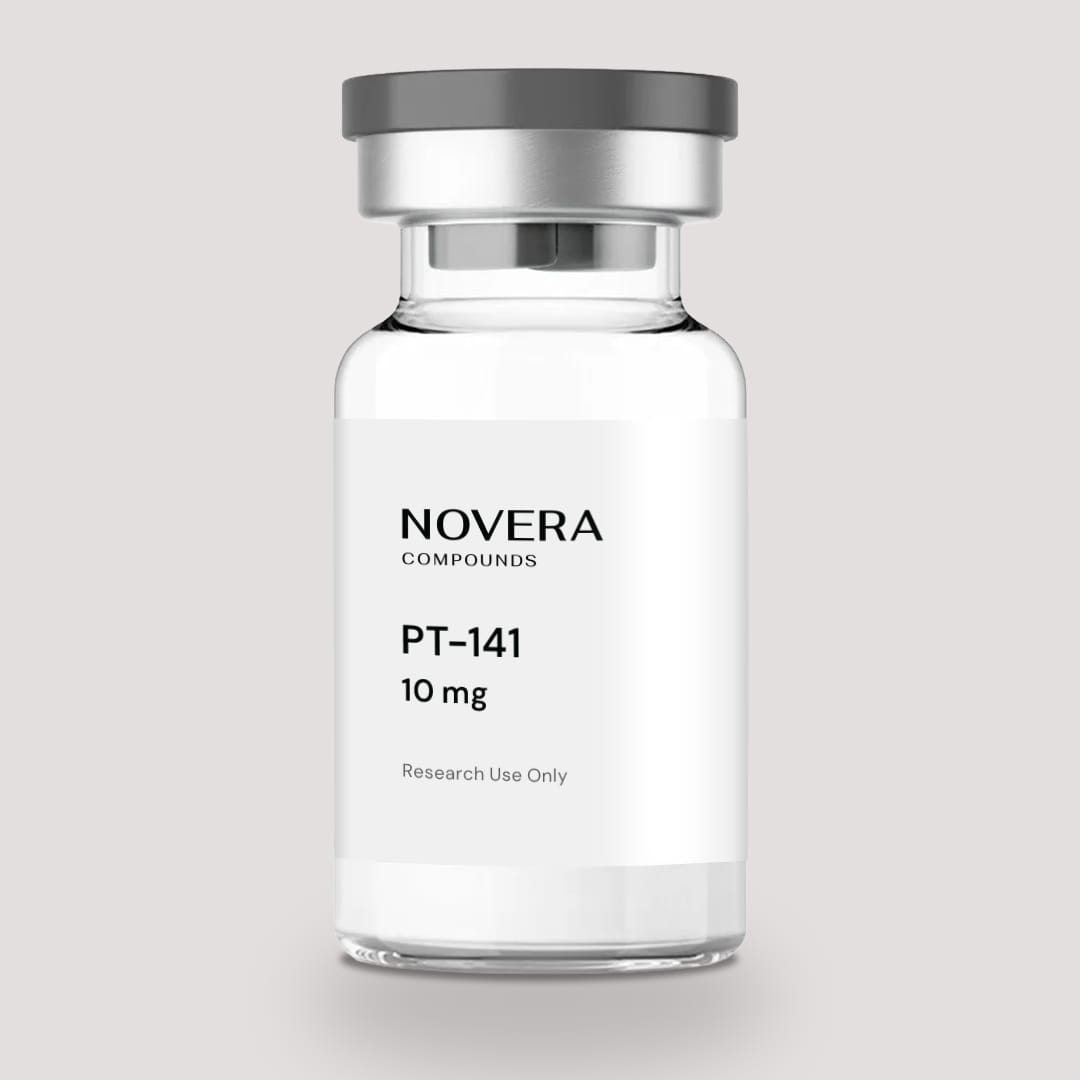
Do not infer strength from a phrase such as PT-141 10mg, a vial image, or a peptide marketing name. Strength, concentration, diluent needs, package configuration, beyond-use dating, storage conditions, and route instructions should come from product documentation, pharmacy or manufacturer records, and package labelling.
| Clinic item to confirm | Why it matters |
|---|---|
| Active ingredient | PT-141 should be evaluated as bremelanotide when comparing clinical use and safety information. |
| Route and form | Injection, nasal, powder, spray, and sublingual forms may have different evidence and regulatory status. |
| Strength and concentration | Staff instructions and documentation depend on the exact product specifications. |
| Package configuration | Vial, device, single-use, and multi-use formats affect storage, handling, and administration workflow. |
| Dating and storage | Peptide and compounded preparations may require distinct controls before use. |
Administration Timing and Treatment-Room Workflow
For labelled bremelanotide injection, administration is subcutaneous, meaning under the skin. The official labelling describes use before anticipated sexual activity and includes timing and use limits that should not be replaced by informal dosage charts. Clinic staff should use the product’s controlling instructions when training or counselling patients.
Questions about onset are common. The labelled injectable product is administered at least 45 minutes before anticipated sexual activity, but individual response and tolerability can vary. Clinics should present timing as a counselling point, not a guaranteed result.
Workflow planning should cover who provides administration education, who verifies screening criteria, where product-specific instructions are stored, and how adverse-event reports are routed. Staff should avoid combining PT-141 with other sexual-medicine therapies unless the responsible clinician has assessed the full medication profile and treatment goal.
Storage, Handling, and US Clinic Logistics
Storage requirements should come from the package label, pharmacy documentation, or compounding record for the exact form supplied. Depending on form, handling may involve refrigeration, light protection, reconstitution, aseptic technique, single-use disposal, or device-specific steps. Receiving staff should document product name, lot number, expiration date, package integrity, and any temperature indicators when relevant.
Compounded preparations should include beyond-use dating and compounding-source details required by clinic policy. Inventory teams should keep injectable, peptide, and device workflows separate when the label or preparation record requires different handling. We use temperature-controlled handling when required and tracked US delivery for professional orders.
Clinics building standardized injectable workflows may find broader handling discussions useful, but labels must remain product-specific. For example, product categories such as Gynecology and adjacent pharmaceuticals can support inventory grouping, while PT-141 storage instructions must still be followed as written for the supplied form.
Safety, Contraindications, and Monitoring
The approved bremelanotide label lists important cardiovascular restrictions. It is contraindicated in patients with uncontrolled hypertension or known cardiovascular disease. A contraindication is a situation where a medicine should not be used because the risk is considered unacceptable.
Bremelanotide can transiently increase blood pressure and reduce heart rate after dosing. Clinic screening should include cardiovascular history, current blood pressure control, relevant medication use, and symptoms that could change risk. Chest pain, severe headache, fainting, or other concerning cardiovascular signs require prompt clinical assessment.
Commonly reported adverse effects with labelled bremelanotide include nausea, flushing, injection-site reactions, headache, vomiting, cough, fatigue, and hot flush. Nausea can be clinically meaningful and may affect continuation. Staff should document the severity, timing, and outcome of adverse effects and have clear escalation instructions for serious or persistent reactions.
Another warning involves focal hyperpigmentation, meaning darkening of skin or mucosal areas. It may be more likely with repeated use and may not fully resolve after stopping. Clinics should include this risk in counselling materials and follow-up assessments.
Why it matters: Sexual-medicine products still require cardiovascular screening and medication-history review.
Interactions and Patient-Selection Cautions
Bremelanotide may slow gastric emptying, which can affect absorption of some oral medicines. This is most important for oral drugs where timing or exposure is clinically critical. The official label specifically cautions against use with oral naltrexone because reduced exposure may affect treatment effectiveness.
Medication reconciliation should include cardiovascular drugs, hormone therapies, psychiatric medicines, sexual-dysfunction treatments, and substances that may contribute to sexual symptoms. Clinics should also consider pregnancy status, breastfeeding considerations, mental health history, relationship factors, and medication-related causes of low desire when evaluating fit for care.
PT-141 should not be positioned as better than Viagra or other PDE5 inhibitors because the treatment targets differ. Bremelanotide is used for desire in the labelled female HSDD population, while PDE5 inhibitors are used for erectile function. A clinic protocol should define the treatment target before inventory is selected.
Professional Comparison With Related Peptides
PT-141 is one peptide discussed in clinic settings, but related peptide products can have different mechanisms, uses, handling requirements, and patient-selection criteria. Product names should not be substituted by category alone. Active ingredient, route, concentration, storage, and documentation should be compared before any protocol change.
For adjacent professional inventory review, clinics may assess products such as Melanotan II, Melanotan I, Kisspeptin-10, Gonadorelin, and Sermorelin. These products are not clinical substitutes for bremelanotide; they are separate items requiring their own documentation, handling review, and professional-use rationale.
| Option | Clinic distinction |
|---|---|
| Bremelanotide injection | Labelled for acquired, generalized HSDD in premenopausal women. |
| Flibanserin | Oral medicine for a similar female HSDD population, with different warnings and daily-use considerations. |
| PDE5 inhibitors | Used for erectile dysfunction; they do not treat HSDD itself. |
| Counselling or medication review | May address relationship, psychiatric, substance-related, or drug-related contributors. |
Clinic Documentation Checklist
PT-141 inventory should be supported by a concise clinic file. Include the product name, active ingredient, route, strength, package configuration, lot number, expiration date, storage requirements, and the protocol that defines intended use. If the product requires reconstitution, staff should document diluent handling and aseptic steps according to the supplied instructions.
The clinical file should also identify staff roles. One team member may manage receiving checks, another may oversee storage logs, and a clinician may be responsible for suitability assessment and follow-up. Clear ownership reduces the risk of using a peptide product without the documentation needed for safe professional practice.
- Match the active ingredient and route to the clinic protocol.
- Record lot, expiration, package condition, and storage directions at receipt.
- Keep patient education aligned with product-specific instructions.
- Document cardiovascular screening and medication review before use.
- Separate compounded or alternate-route products from labelled injection instructions.
Authoritative Sources
For official safety, indication, interaction, and administration details, review the FDA prescribing information for bremelanotide injection.
Clinical summary information is also available from the Mayo Clinic bremelanotide drug monograph.
Mechanism and early development context are summarized in a peer-reviewed PubMed review of PT-141 pharmacology.
This content is for informational purposes only and is not a substitute for professional medical advice.
Frequently Asked Questions
What does the PT-141 peptide do?
PT-141 is bremelanotide, a melanocortin receptor agonist that acts on pathways involved in sexual desire signalling. The FDA-approved bremelanotide injection is indicated for acquired, generalized HSDD in premenopausal women, with important non-use limits and safety restrictions.
Can clinics order PT-141 nasal spray, powder, or sublingual forms as the same product?
No. Injection, nasal spray, powder, spray, and sublingual references are not automatically equivalent. Clinics should verify the active ingredient, route, strength, storage directions, dating, and regulatory status for the exact form being purchased.
Is PT-141 better than Viagra?
They are not interchangeable. PT-141 targets sexual desire pathways in the labelled female HSDD population, while Viagra and other PDE5 inhibitors target erectile function. Protocol selection should follow diagnosis, patient factors, and clinician assessment.
How long before activity is labelled bremelanotide injection used?
The labelled injectable product is administered at least 45 minutes before anticipated sexual activity. Clinics should use the official product instructions for timing and limits, and should not rely on informal dosage charts.
What safety checks matter most for clinic use?
Key checks include cardiovascular history, blood pressure control, medication reconciliation, oral naltrexone use, pregnancy or breastfeeding considerations, and counselling on nausea, flushing, injection-site reactions, blood pressure effects, and possible hyperpigmentation.
Specifications
- Main Ingredient:
- Manufacturer:
- Drug Class:
- Generic Name:
- Package Contents:
- Storage Requirements:
- Main Usage:
Here to help
Questions about ordering, delivery or products? You can email our team here or call now at 1-800-630-9757 and be connected with your dedicated Account Manager
Related Products
JALUPRO® PLUS 4ML
Skin Rejuvenation Treatment
$86.00 - $89.00
You save (%)
You save (%)
$339.00
You save (%)
You save (%)
Select options
This product has multiple variants. The options may be chosen on the product page
Juvéderm® SKINVIVE
Dermal Filler
$339.00 - $359.00
You save (%)
You save (%)
$86.00 - $119.00
You save (%)
You save (%)
Related Articles
Prednisone in Clinical Care: Uses, Risks, and Monitoring
Prednisone is a prescription systemic corticosteroid used to reduce inflammation or suppress immune activity in…
Lip Fillers Swelling Stages: Timeline, Safety, and Follow-Up
Lip fillers swelling stages usually follow a short inflammatory course: swelling appears soon after injection,…
Hypopigmentation of the Skin: Assessment and Care
Hypopigmentation of the skin means one or more areas look lighter than the surrounding skin.…
Radiesse vs Sculptra: Selection Factors for Clinics
Radiesse vs Sculptra is best understood as a comparison between two collagen-stimulating injectables with different…
Hyaluronic Acid Under-Eye Filler: Safety and Workflow
Hyaluronic acid under-eye filler is an injectable soft-tissue filler used by trained aesthetic clinicians to…
Dermal Filler Types: Materials, Uses, and Clinic Fit
Dermal filler types are usually grouped by their base material, tissue behavior, and expected role…
What Is Dysport? Clinical Uses, Safety, and Workflow
For clinic teams asking what is Dysport, the short answer is simple: Dysport is a…
Biostimulators in Aesthetic Care: Selection and Safety
Biostimulators are injectable aesthetic products used to encourage a controlled tissue response, often involving new…