

- You must be logged in to add items to the cart.
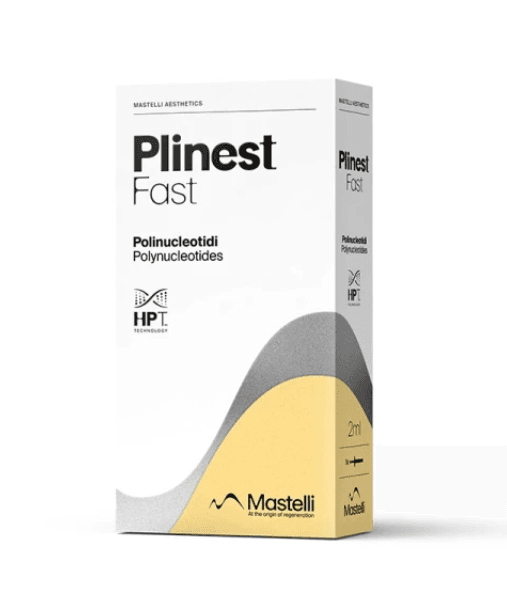
Plinest® Fast
Plinest® Fast — Polynucleotide Injectable for Skin Quality
$134.99
Description
Plinest® Fast is a polynucleotide-based injectable used in aesthetic practice to support skin quality and dermal repair. This page compiles key product, handling, and safety basics for clinic procurement within US distribution. For licensed clinics and healthcare professionals.
Polynucleotides (DNA fragment-based biopolymers) are commonly discussed as “skin boosters” because they are used to support hydration, texture, and overall skin quality rather than creating structural volume. Clinic teams can also browse related inventory in the Skin Boosters Hub and the Mesotherapy Hub, plus educational updates under Skin Boosters Guides. Always align purchasing and clinical use with the manufacturer’s instructions for use (IFU) and local regulatory requirements.
Product Overview and Indications for Plinest® Fast
This product is positioned by the manufacturer as a polynucleotide injectable intended for dermal revitalization (skin-refreshing support) and tissue quality improvement. In day-to-day clinic language it is often grouped with “skin boosters,” a broad category that includes polynucleotide gels, hyaluronic-acid (HA) hydration injectables, and mesotherapy-style solutions. Local classification can vary (medicine vs medical device vs aesthetic product), so indications should be confirmed from the specific carton/IFU supplied to the clinic.
Teams looking for background context can reference the site’s practice-focused overview at Plinest Injection Guide and broader category-level context at Skin Boosters Injections Overview. These resources help standardize counseling language, documentation, and aftercare handouts, while keeping final clinical decisions with the supervising prescriber.
Eligibility and Ordering Requirements
Ordering Plinest® Fast through a wholesale account is intended for professional use in licensed facilities. Clinics should be prepared to provide standard credentials such as an active medical license (or prescriber license), facility documentation, and a verified business shipping address. Product access may also depend on jurisdictional rules for aesthetic injectables and the clinic’s scope of practice.
Purchase orders should match internal policies for traceability, including lot-level recording and expiration-date capture at receiving. For general procurement and compliance expectations, the site’s operational standards summary at Wholesale Fillers Sourcing Standards can be used as a checklist alongside your facility SOPs.
Account verification workflow
Most clinic accounts follow a predictable workflow: credential submission, review, and approval for regulated inventory; then restricted checkout access for eligible items. Documentation requests can include a prescriber’s license, a clinic tax ID, and a facility certificate, depending on product category. This process supports controlled distribution and helps keep product movement consistent with professional-use labeling. Clinics should also confirm who is authorized to place orders internally and how inventory is reconciled to treatment records.
Verified accounts help limit access to professional channels.
Forms, Strengths, and Packaging
Plinest® Fast is commonly referenced in the market as a prefilled syringe presentation, often discussed in a 2 mL format; however, packaging configurations can vary by region and distributor. Because labeling and inserts may differ across batches intended for different markets, clinics should verify the exact presentation received (syringe volume, included accessories, and language of IFU) before adding it to a protocol.
At receiving, confirm that outer packaging is intact and that the product matches the ordered description. Single-use injectables should only be used if the seal is unbroken and the solution appearance aligns with the IFU. Do not rely on third-party photos for verification.
| Receiving check | What to confirm | Why it matters |
|---|---|---|
| Traceability | Lot and expiration date recorded | Supports audit-ready documentation |
| Label match | Name, language, and IFU present | Reduces protocol mismatch risk |
| Package integrity | Seals intact; no damage | Helps prevent contamination concerns |
Administration and Use in Practice
Plinest® Fast is intended to be administered by trained healthcare professionals using aseptic technique and the manufacturer’s IFU. In many practices, polynucleotide skin boosters are used as intradermal or superficial injection treatments aimed at skin quality endpoints (hydration, texture, and fine-line appearance) rather than structural augmentation. Treatment planning, patient selection, and procedural technique should follow clinician training, anatomy standards, and local rules.
Why it matters: Clear documentation supports continuity of care and complication management.
Technique, training, and documentation
Because injectable aesthetic procedures carry technique-dependent risks, clinics typically standardize training requirements and competency sign-offs for staff who administer skin boosters. Documentation commonly includes consent language, batch/lot identification, injection planes used, and post-procedure instructions. Clinics may also align this service within a broader regenerative or mesotherapy program, where visits are sequenced with other procedures. For a practical overview of how clinics compare modalities, see Mesotherapy And Microneedling.
Patients should be advised not to self-inject and to report unexpected symptoms promptly, consistent with clinic policy and local standards of care.
Storage, Handling, and Clinic Logistics
Storage conditions should follow the IFU and the carton label supplied with the product. When labeling is variable across markets, the safest operational approach is to store in the original packaging, protect from light exposure when recommended, and avoid temperature excursions that could affect the material’s integrity. Clinics should separate injectable inventories by category and maintain a documented process for quarantine of damaged or out-of-spec shipments.
Day-to-day handling should prioritize sterility and traceability: keep syringes sealed until use, maintain clean preparation surfaces, and discard single-use items immediately after the procedure per facility policy. If your clinic uses barcode or lot scanning, ensure fields are required in the EMR template.
Quick tip: Record lot/expiry at receiving, not during rooming.
Inventory is sourced via vetted distributor networks for traceable supply.
Contraindications, Warnings, and Monitoring
Plinest® Fast should only be used where the patient assessment supports an injectable skin booster procedure and where the IFU does not list contraindications for the individual. As with other injectables, clinicians commonly defer treatment in the presence of active infection or inflammation at the intended site, and they evaluate prior reactions to injectable products. Pregnancy and breastfeeding considerations, autoimmune disease history, and immunosuppression status should be reviewed according to local practice standards and the product labeling.
Monitoring begins immediately after injection with observation for disproportionate pain, skin color change, visual symptoms, or rapidly progressive swelling, which can signal uncommon but serious events. Clinics should maintain an escalation pathway for urgent review and document adverse events in the medical record, consistent with facility policy.
Adverse Effects and Safety
Commonly reported tolerability issues with intradermal injectables include short-term erythema (redness), edema (swelling), tenderness, itching, and bruising at injection points. Small palpable bumps can occur depending on injection depth and technique, typically prompting clinics to review aftercare and the expected post-procedure course described in consent materials. Infection risk is reduced through strict asepsis, but it remains a consideration with any injection.
Serious complications are uncommon but can be clinically significant, including hypersensitivity reactions and vascular compromise if product is inadvertently placed into or compresses a vessel. Clinics should ensure staff know early warning signs and follow the clinic’s complication protocol. For aftercare workflow standardization across injectable services, see Post Treatment Care Essentials.
Drug Interactions and Cautions
Polynucleotide skin boosters are not typically described as having classic systemic drug–drug interactions, but procedure-related considerations still apply. Anticoagulants and antiplatelet agents can increase bruising risk, and clinics often account for this in consent discussions and expectations management. A history of keloid formation, impaired wound healing, or active dermatologic disease at the site may also influence timing or technique.
When patients are receiving other aesthetic or dermatologic therapies (chemical peels, energy-based devices, topical retinoids), clinicians generally coordinate sequencing to minimize cumulative irritation and to support barrier recovery. For broader context on injectable hydration and tissue support concepts, see Hyaluronic Acid In Aesthetics.
Compare With Alternatives
In practice, clinics often compare polynucleotide injectables with other skin quality injectables based on texture, protocol design, patient tolerance, and labeling. HA-based skin boosters focus on hydration and viscoelastic support, while amino-acid or vitamin-based mesotherapy solutions are typically positioned for broader “skin conditioning” goals. Choice is usually guided by training, patient goals, and the available product IFU rather than a single universal algorithm.
Within the same brand family, some clinics review differences in positioning between Plinest One and faster-acting or differently formulated options, depending on local labeling. Another comparator used in skin quality programs is Croma Philart. When evaluating alternatives, clinics should compare intended injection planes, contraindications, documentation requirements, and post-procedure expectations.
Availability and Substitutions
Availability of Plinest® Fast can vary based on distributor allocation, regulatory routing, and batch-level labeling differences. If a listed item is not available at the time of ordering, clinics may be offered functionally similar options in the same general category (for example, other polynucleotide or HA-based skin boosters). Any substitution should be reviewed by the supervising clinician to ensure the IFU, storage conditions, and documentation needs align with clinic protocols.
Before accepting substitutions, confirm the presentation, language of the insert, and receiving requirements so staff can document treatment details accurately. Catalog items are supplied as authentic, brand-name products intended for professional clinical use.
Authoritative Sources
When building clinic protocols, prioritize primary references such as manufacturer IFUs and regulator safety communications for injectable devices and fillers. If local classification differs from your expectations, defer to jurisdictional rules and the supplied labeling. For adverse event reporting processes, clinics generally follow the pathways applicable to their region and product category.
The links below provide neutral background sources that can support policy writing and staff training. They are not a substitute for the product’s IFU or hands-on clinical training.
- Manufacturer site for product line context: Mastelli
- Regulatory overview of soft-tissue filler risks: U.S. FDA Dermal Fillers
Place purchase orders through a verified clinic account; we use temperature-controlled handling when required and tracked US delivery.
This content is for informational purposes only and is not a substitute for professional medical advice.
Frequently Asked Questions
What is a polynucleotide skin booster?
A polynucleotide skin booster is an injectable product that contains polynucleotides (DNA fragment-based biopolymers) used to support skin quality goals such as hydration, texture, and overall “skin vitality.” In many clinics it is discussed separately from hyaluronic-acid volumizing fillers because it is not intended to create structural lift. How it is classified and labeled can vary by country, so clinicians typically rely on the manufacturer’s instructions for use (IFU) and local regulations when defining indications and documentation requirements.
How is Plinest® Fast typically used in aesthetic practice?
Plinest® Fast is generally used as an in-office injectable skin quality treatment performed by trained healthcare professionals. Clinics often describe this category as “skin boosters,” meaning intradermal or superficial injections aimed at improving skin appearance and feel rather than adding volume. Exact technique, injection depth, and treatment protocols should follow the product IFU and the administering clinician’s training. Patients should not self-inject, and clinics typically provide written aftercare guidance and a plan for reporting unexpected symptoms.
What side effects should be monitored after a skin booster injection?
After injectable skin quality treatments, clinics commonly monitor for short-term redness, swelling, tenderness, itching, and bruising at injection points. Small bumps can occur depending on depth and technique. More serious concerns include signs of infection (worsening pain, warmth, drainage, fever) or hypersensitivity reactions (diffuse rash, facial swelling, breathing symptoms). Rare but urgent events can involve vascular compromise, which may present as disproportionate pain, skin color change, or visual symptoms. Patients should be instructed to contact the treating clinic promptly for concerning changes.
Who should avoid or delay injectable polynucleotide treatments?
Deferral is commonly considered when there is active infection or inflammation at the intended injection site, or when the patient has a history of significant hypersensitivity to injectable products or known allergy to a listed component. Pregnancy and breastfeeding precautions depend on local labeling and clinical judgment. Patients with uncontrolled systemic illness, active autoimmune flares, or those receiving immunosuppressive therapy may require extra caution and individualized risk assessment. Final contraindications and warnings should be taken from the product IFU supplied with the item and the clinic’s standard screening process.
What should a patient ask their clinician before receiving a skin booster?
Useful questions include: what the treatment is intended to improve (for example, hydration or texture), what alternatives exist (such as HA skin boosters or other revitalization procedures), and what outcomes are realistic for their skin type. Patients can also ask about contraindications based on their medical history, what to expect immediately after injections (swelling or bruising), and what aftercare steps are recommended. It is also reasonable to ask how the clinic documents the product’s lot number and how to reach the team if any concerning symptoms develop.
What documentation and handling steps do clinics typically use for receiving injectables?
Clinics commonly require account verification (license and facility details) for regulated injectables, then use receiving SOPs to document lot numbers, expiration dates, and package integrity. Teams may log storage conditions, keep products in original packaging, and separate quarantined stock if there is visible damage or temperature excursion concerns. Many practices also tie inventory logs to treatment records for traceability. Specific requirements can vary by jurisdiction and by the product’s classification, so clinics generally align receiving procedures with the manufacturer’s IFU and internal compliance policies.
Specifications
- Main Ingredient: Polynucleotides
- Manufacturer: Mastelli Aesthetics
- Drug Class: Cosmetic Injectable
- Generic Name: Polynucleotides
- Package Contents: 1x2ml pre-filled syringe
- Storage Requirements: Room Temperature (5℃~25℃)
- Main Usage: Anti Ageing
Here to help
Questions about ordering, delivery or products? You can email our team here or call now at 1-800-630-9757 and be connected with your dedicated Account Manager
Related Products
NEAUVIA™ ORGANIC INTENSE LIPS
Dermal Filler
$68.63 - $77.99
Nexfill DEEP 1.0 ml with Lidocaine
Dermal Filler
$56.31 - $63.99
Nexfill FINE 1.0 ml with Lidocaine
Dermal Filler
$56.31 - $63.99
REVANESSE® Outline™+ with Lidocaine
Dermal Filler
$409.19 - $464.99
Related Articles
Juvederm Before And After Cheeks: Clinical Photo Review
Key Takeaways Standardize images: control lighting, distance, and expression. Read the midface: judge projection, contour,…
Facial Aesthetic Planning For Clinics: Concepts And Workflow
Key Takeaways Define goals clearly: align patient priorities with realistic, documentable outcomes. Start with analysis:…
Bocouture Dilution Considerations for Clinic Team Workflow
Key Takeaways Bocouture dilution decisions affect workflow consistency, documentation quality, and risk controls. Use a…
Esthetician Supplies Checklist for Clinic-Grade Treatment Rooms
Key Takeaways For treatment rooms that run predictably, esthetician supplies should be planned like any…
Botox vs Dysport vs Xeomin Comparison for Clinic Teams
Choosing a botulinum toxin type A product is rarely just a clinical preference. It affects…
Sculptra vs Radiesse Guide For Collagen-Stimulating Fillers
Collagen-stimulating injectables are often discussed as “biostimulators” in clinic settings. They can support volume restoration…
Phosphatidylcholine Benefits and Clinical Use Considerations
OverviewPhosphatidylcholine benefits are often discussed in two very different contexts: nutrition supplements and procedure-adjacent clinic…
Botox Wholesale Compliance Guide for Clinics and Med Spas
Neurotoxin procurement is not a routine office supply task. For many practices, botox wholesale purchasing…