

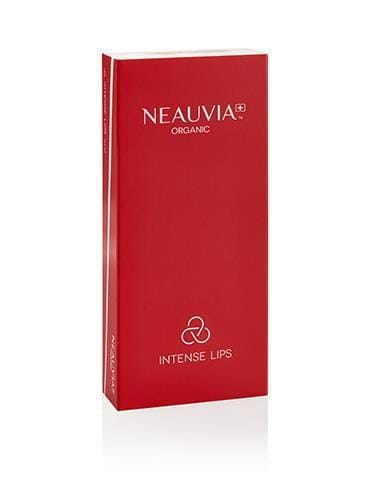
$79.00
Description
NEAUVIA™ ORGANIC INTENSE LIPS is an injectable hyaluronic acid gel used in aesthetic practice for lip contouring and volume. This page summarizes handling, packaging, and safety points that clinic buyers typically review, supported by reliable US logistics. For licensed clinics and healthcare professionals. Content is written to help with stocking decisions and day-to-day workflow alignment with the manufacturer’s instructions for use (IFU). It also highlights practical documentation and storage checks relevant to regulated medical inventory.
Product Overview and Indications for NEAUVIA™ ORGANIC INTENSE LIPS
This product is a hyaluronic acid-based dermal filler intended for soft-tissue augmentation in the perioral region (around the mouth), as described in the IFU and allowed by local regulations. In practice, clinicians may use this class of cross-linked hyaluronic acid (stabilized gel) to shape lip borders, restore definition, or support volume where appropriate. Selection, technique, and endpoints should follow training standards and the product’s official directions rather than general aesthetic trends.
When building a clinic’s injectable portfolio, it can help to compare this item within a broader filler assortment and education library. For navigable inventory, browse the Dermal Fillers hub, and for background reading visit Dermal Fillers Resources. Products are sourced through vetted medical distributors.
Eligibility and Ordering Requirements
Wholesale purchasing is restricted to verified professional accounts. Clinics should be prepared to provide current facility and licensure details consistent with state and federal requirements for medical purchasing. Depending on jurisdiction and product type, additional documentation may be requested to support appropriate distribution controls and post-market traceability.
NEAUVIA™ ORGANIC INTENSE LIPS is supplied for professional use and should be ordered only for clinical inventory management. Typical workflow includes account verification, a responsible clinician on file, and maintaining receiving records for lot and expiry reconciliation.
Quick tip: Keep a standard receiving checklist for lot numbers, expiry dates, and package integrity.
For broader context on injectable categories often stocked alongside fillers, see Skin Boosters Injections.
Forms, Strengths, and Packaging
Presentation may vary by market and distributor. Clinics commonly receive dermal fillers as prefilled syringe units with single-use components intended for aseptic preparation. Always confirm the specific configuration on the outer carton and in the IFU before stocking or scheduling use, since needle/cannula compatibility, included accessories, and labeling conventions can differ between regions.
NEAUVIA™ ORGANIC INTENSE LIPS should be checked on receipt for intact tamper features, legible lot/expiry markings, and sealed sterile components (if applicable). The table below outlines typical packaging elements to verify without assuming a specific fill volume.
| Packaging element | What to verify on receipt |
|---|---|
| Prefilled syringe | Label match to carton; no leakage or cracks |
| Needles and/or transfer parts | Sterile barrier intact; correct gauge listed in IFU |
| IFU/label leaflet | Version matches lot; language appropriate for site |
| Outer carton | Lot and expiry readable; storage symbols clear |
Clinics standardizing multiple HA-based injectables may also reference handling conventions described in other HA product overviews, such as Fillmed NCTF 135 HA, while still following each product’s own IFU.
Administration and Use in Practice
Administration should be performed only by trained injectors using aseptic technique (sterile handling) and anatomy-informed planning. Prior to use, verify patient eligibility, review the IFU, and confirm product integrity. Avoid using any unit with compromised packaging, unclear labeling, or visible damage. Do not mix products unless the IFU specifically permits it, and do not re-sterilize single-use components.
In clinical workflow, NEAUVIA™ ORGANIC INTENSE LIPS is typically integrated into standard pre-procedure screening, consent, and post-procedure observation processes. Documentation should include injection site notes, device/lot identifiers, and any immediate reactions that require follow-up. Clinics that also provide hydration-focused injectables may find it helpful to standardize procedure-room setup across modalities; see Profhilo Injections Overview for general clinic-process considerations.
Scope of technique information
This page intentionally stays at a high level and does not replace hands-on training, anatomy education, or the IFU. Lip injections have a higher consequence profile than many facial areas due to vascular density and functional movement. Technique decisions (needle vs cannula, depth, volume placement, and sequence) must be individualized by the treating professional, consistent with local standards of care. Clinics should also maintain emergency protocols and ensure staff can recognize and escalate urgent complications.
Storage, Handling, and Clinic Logistics
Store dermal filler products according to the IFU and the storage symbols on the carton. In general, avoid extremes such as freezing temperatures and excessive heat, and keep units in original packaging to protect labeling and sterility barriers. Stock rotation should follow FEFO (first-expired, first-out), with regular checks to remove expired inventory from active storage.
Handling should prioritize traceability and minimizing damage. Log receiving details, segregate damaged cartons for review, and maintain a controlled access location consistent with clinic policy.
Why it matters: Consistent storage records support patient safety and simplify adverse event investigations.
Clinic accounts require professional credential verification before purchasing. For workflow ideas on incorporating regenerative injectables into inventory systems, see Nucleofill Treatment Overview.
Contraindications, Warnings, and Monitoring
Contraindications and warnings for hyaluronic acid dermal fillers can vary by product labeling and jurisdiction. Common exclusions may include active infection or inflammation at the planned injection site, known hypersensitivity to components, or situations where procedural risk outweighs benefit. Review the IFU for product-specific limits, including any cautions related to concomitant procedures, immune conditions, or prior filler history.
NEAUVIA™ ORGANIC INTENSE LIPS should be used with heightened vigilance in areas where vascular compromise is a known risk. Monitoring includes immediate assessment for disproportionate pain, blanching, livedo patterning, or visual symptoms, which may indicate vascular occlusion (blocked blood vessel). Clinics should have an escalation pathway, appropriate supplies per protocol, and clear documentation steps for any suspected serious event. For broader dermal repair injection considerations that overlap with follow-up workflows, see Plinest Injection Guide.
Adverse Effects and Safety
Expected local reactions after lip filler procedures can include tenderness, swelling, erythema, bruising, and temporary firmness. Some patients may notice asymmetry during early healing, which can complicate follow-up calls and documentation. Delayed nodules, inflammatory reactions, or product migration can occur and should be assessed clinically rather than managed through nonclinical advice.
Serious risks, while uncommon, require rapid recognition and escalation. These include suspected vascular compromise, infection, tissue necrosis, or visual changes. The Tyndall effect (bluish discoloration) can also occur with superficial placement of some gels. Clinics should set expectations for when to contact the treating professional and should document any post-procedure safety concerns. Background reading on related injectable product safety considerations can be found in Viscoderm Hydrobooster Hydration.
Drug Interactions and Cautions
Dermal fillers are devices/implants rather than systemic drugs, but concomitant medications and supplements can affect procedural risk. Agents that increase bleeding tendency (for example, prescription anticoagulants, antiplatelets, or certain supplements) may increase bruising or hematoma risk. Immunosuppression or poorly controlled inflammatory conditions may also influence healing and infection risk, depending on the clinical context.
Procedure scheduling is another common caution area. Energy-based treatments, peels, or other invasive procedures performed too close to filler placement may increase irritation or complicate assessment of adverse reactions. Documentation should capture recent procedures and planned follow-ups so staff can triage calls consistently. For an overview of how clinics organize multi-modality injection services, see Skin Boosters Injections.
Compare With Alternatives
Choice of product depends on the clinical goal (border definition, volumization, hydration effect, or tissue quality support), injector preference, and local availability. When comparing options, evaluate gel properties described in labeling, intended treatment area, and any IFU differences that affect technique, cannula/needle selection, or post-procedure counseling. Clinics may also consider staff familiarity and the consistency of documentation across product lines.
NEAUVIA™ ORGANIC INTENSE LIPS is often considered alongside other injectable approaches that target perioral appearance through different mechanisms. Examples from the broader injectable landscape include:
- Hydration-focused HA injectables — may support skin quality more than shape
- Bioremodeling products — may prioritize tissue remodeling over volume change
- Alternative HA filler families — may differ in rheology and handling
Within our catalog, clinics sometimes contrast workflow needs with products such as Viscoderm Hydrobooster or Profhilo Structura, recognizing these are not direct substitutes for lip volumization.
Availability and Substitutions
Inventory for professional injectables can change based on distributor allocations, labeling versions, and demand. NEAUVIA™ ORGANIC INTENSE LIPS may have limited availability in certain periods, and clinics should plan procurement with appropriate lead time for routine restocking. If a specific lot is needed for continuity, note that requirement at the time of purchase request so the receiving team can confirm compatibility on arrival.
Substitutions, when permitted, should be controlled and documented. If a comparable HA filler is offered as a replacement, clinics should verify that the IFU, intended area, and accessory configuration match their protocol needs before accepting it. Maintain internal change-control notes so staff understand when a different product was used and how follow-up documentation should reference it.
Authoritative Sources
Dermal filler regulatory status and labeling requirements vary by country and product. Always defer to the current IFU shipped with the unit and to local regulatory guidance for intended use, contraindications, and reporting requirements. For safety and risk communication, it can be helpful to maintain a small set of authoritative references for staff training and incident response.
These sources provide baseline safety information for hyaluronic acid dermal fillers and general risk awareness:
- For FDA dermal filler safety information: FDA Dermal Fillers (Soft Tissue Fillers)
- For manufacturer product context and IFU access when available: Neauvia Official Website
To stock NEAUVIA™ ORGANIC INTENSE LIPS through your clinic account, submit required credentials at checkout; temperature-controlled handling when required and tracked US delivery are available for eligible shipments.
This content is for informational purposes only and is not a substitute for professional medical advice.
Frequently Asked Questions
What is NEAUVIA™ ORGANIC INTENSE LIPS used for?
NEAUVIA™ ORGANIC INTENSE LIPS is a hyaluronic acid-based dermal filler product generally intended for lip contouring and soft-tissue augmentation, as described in the manufacturer’s instructions for use (IFU) and local regulations. In clinical practice, hyaluronic acid gels may be selected to enhance lip definition, support volume, or refine the perioral area. The appropriate use depends on patient factors, injector training, and the product’s labeled indications and technique guidance. A clinician should confirm suitability and discuss expected outcomes and risks.
Is hyaluronic acid lip filler reversible?
Many hyaluronic acid fillers can be reduced using an enzyme called hyaluronidase, which breaks down hyaluronic acid. Whether reversal is appropriate depends on the clinical scenario, the specific product used, and the injector’s assessment. Reversal is not a routine step for every patient, and it requires medical evaluation, correct product selection, and monitoring for adverse reactions. Patients should not attempt to self-manage complications. Clinics typically include reversal planning within emergency protocols for suspected serious complications.
What are important warning signs to monitor after lip filler?
After lip filler, common short-term effects include swelling, bruising, and tenderness. Warning signs that require urgent clinical assessment can include severe or worsening pain, skin blanching or dusky discoloration, coolness of the skin, blistering, or spreading mottling. Any visual symptoms (blurred vision, eye pain, or vision loss) are emergencies. These concerns may indicate vascular compromise or other serious complications and should be managed by trained medical professionals following established protocols and local standards of care.
How should clinics document dermal filler lot numbers and usage?
Clinics typically document the product name, lot number, expiration date, injection sites, and the treating clinician in the patient record. Many practices also keep a receiving log that links lots to storage location and date received, which supports traceability if a complaint or adverse event is reported. Documentation processes should be consistent across all injectables and aligned with local regulations and accreditation standards. Policies often include retaining outer carton labels or using barcode/label stickers when provided.
Can medications or supplements increase bruising with lip filler?
Some medications and supplements can increase bruising risk around injections. Prescription anticoagulants or antiplatelet agents, and certain over-the-counter supplements, may contribute to bleeding tendency. This does not automatically mean a patient cannot be treated, but it does mean the clinician should review the full medication list and assess procedural risk. Patients should not stop prescribed medications without medical guidance. A clinic’s screening workflow typically includes documenting relevant therapies and counseling on expected bruising and follow-up.
What should I ask my clinician before a lip filler procedure?
Key questions include which product will be used and why, what outcomes are realistic for your anatomy, and what risks are most relevant for the lip area. It is also reasonable to ask about the injector’s training, how complications are handled, and what symptoms should prompt urgent contact. Patients can ask how medical history, prior fillers, allergies, and current medications affect candidacy. A thorough consultation should cover consent, aftercare instructions, and the plan for follow-up assessment if swelling or asymmetry occurs.
Specifications
- Main Ingredient: Hyaluronic Acid And Lidocaine
- Manufacturer: Matex Lab
- Drug Class: Cosmetic Injectable, Dermal Filler
- Generic Name: Hyaluronic Acid
- Package Contents: 1 ml
- Storage Requirements: Room Temperature (2℃~25℃)
- Main Usage: Lip Filler
Here to help
Questions about ordering, delivery or products? You can email our team here or call now at 1-800-630-9757 and be connected with your dedicated Account Manager
Related Products
RejuvaNAD+
Injectable Medication
$237.00 - $249.00
$85.00 - $89.00
$95.00 - $99.00
Elravie® Premier Ultra Volume-L
Dermal Filler
$55.00 - $58.00
Related Articles
How Long Does Filler Last Under Eyes: A Clinic-Focused Guide
Key Takeaways Duration varies: Product, anatomy, and placement factors interact. “Settling” is multifactorial: Edema, product…
Side Effects Xeomin: Clinical Monitoring and Patient Counseling
Key Takeaways When clinicians review side effects xeomin, the goal is consistent triage. Separate expected,…
Prx-T33 Peel Protocol Basics for Licensed Aesthetic Clinics
Key Takeaways Set expectations: align “before and after” language with realistic, variable outcomes. Screen carefully:…
What Are The Two Layers Of The Dermis In Clinical Context
Key Takeaways Two-layer model: Papillary (superficial) and reticular (deep) dermis differ in structure and function.…
Side Effects of Juvederm: What Clinics Should Monitor
Key Takeaways Expect predictable reactions like swelling, redness, and bruising. Screen and document consistently to…
Types Of Dermal Fillers: A Practical Selection Guide
Key Takeaways Classify first: Group products by material, longevity, and mechanism. Match to indication: Align…
What Are The Side Effects Of Infusion For Osteoporosis Explained
Key Takeaways Expect acute reactions: Flu-like symptoms are common early. Screen key risks: Renal function…
Biorepeel Chemical Peel Clinical Workflow and Safety Essentials
Key Takeaways For busy aesthetic teams, the biorepeel chemical peel is often considered for texture,…